‘Tis the Season to be … anxious …

I love Christmas. I love the childlike, contagious joy. I love the happy, and sometimes emotive music. I love the delicious baking aromas dancing through the house. I love the colourful decorations, the shiny baubles a grand temptation for our family cat and mini dachshund.

But, I don’t like the work gatherings. Three in five days this year.

I dislike not being able to strategically choose where to sit where I know I will have a better chance to hear to participate in conversations. I struggle with the unknown event planner sitting me at a table where conversations are bouncing around me, left and right, behind, in front, and back and forth, sometimes words heard, sometimes not.

I loathe the loud noise surrounding me, as I try to tune into the drowned-out conversations, the excess noise competing with the limited hearing in my good ear and it’s hyperacusis, and my cochlear implant in my Meniere’s ear.

I grapple with the embarrassment of asking someone to repeat themselves. Once. Twice. Sometimes three times.

And I deplore feeling like a fake, pretending to be a normal person who is perfectly happy, like everyone else seems to be as they enjoy every moment, while I sit there as a wobbling pool of anxiety that makes me want to flee from the room.

I hate being an observer, looking for who is talking … the unremitting, tiresome watching … watching how other people are reacting to what is being said that I cannot hear properly. Should I fake smile now? Should I pretend to laugh now? Should I look crestfallen now? Should I shake my head from side to side like others now? Should I nod, now?

I despise being the copycat, and the battle of trying to fit in.

I hate … how utterly exhausting it is.

And I resent how it makes me feel. Like I’m not good enough. Like I’m an add on. Like the others are just being polite to me.

I hate what Meniere’s has done to me. I feel like I am living in a world where I don’t belong. A misfit.

I feel like I am a spectator to a life that is full of colour, while my shadow, Meniere’s, drains the colour from my life.

And then I feel disappointed in myself.

I should be thankful that my vertigo was destroyed by gentamicin, also destroying my balance and having to relearn to walk using my eyesight. I should be thankful that I have a cochlear implant. I should be leaping with joy that I can still teach in classrooms of teenagers, guiding them, helping them to grow their wings so they can be whatever they want to be in life.

But, my work friends and colleagues (whom I love and adore) don’t know how exhausting it is trying to fit in with their photobooths, their conversations in a loud background environment, their misbelief that perhaps my life is as normal as theirs, when in fact my struggle is exhausting, riddled with the poison of life destroying anxiety.

They don’t know how, when I go home, I have to pick up the pieces of me that are breaking off to the reality that I feel like I don’t fit in. That I will never be normal. Like them.

They don’t see me as I melt into a pool of self-pity.

How do I ask my generous employer for an exemption from the compulsory celebratory gatherings? How do I explain I don’t want to go to the extravagant, lavish, work celebrations to stop the physical, emotional, and psychological fallout? How do I explain these social gatherings make me want to run from the room, or sink into a corner where I can be invisible? How do I explain that I don’t want to go so I don’t have to suffer my own personal after-celebration post-mortem of overthinking, and tears? How do I explain that I don’t want to go, to stop me waking at 3am, hating being me, and hating my shadow, Meniere’s.

And then I think … the person who others think I am, the version of me they see at work, is entirely my fault. I’m exceptional at covering up my disability and my invisible illness. 26 years of Meniere’s. I’ve had a lot of practice. They can’t see me working hard to keep my balance. They can’t see me working hard to have a conversation with them. They don’t see my cochlear implant, hiding beneath my hair.

And then I remember…

I am a survivor. A fighter. What I have been through with Meniere’s disease is heartbreaking. Devastating. Life changing.  

I suck in a breath and hold back my tears …

But still. I so hate this. I so hate what Meniere’s has done to me, and what is has done, and is doing, to others.

I think back to the advice I generously give to others, reminding myself to use it –

  • Change your mindset from negative to positive.
  • Look for the small triumphs.
  • Celebrate the small wins.

I’ve done it a thousand times before. And I must continue doing it …

Well, I did do it! I survived three social celebrations in five days, as physically exhausting as it was. I’m thankful to be invited. It would be worse to be left out. I connected with another work colleague who is deaf in one ear. I asked her how she was going with all the noise, thinking how blessed I am to have a cochlear implant. I watched as normal hearing people struggled to hear conversations, me sometimes hearing the conversation better than them with my Cochlear Implant! And I had very patient friends and colleagues who did repeat words for me, and understood. And I thank and honour them for their kindness.

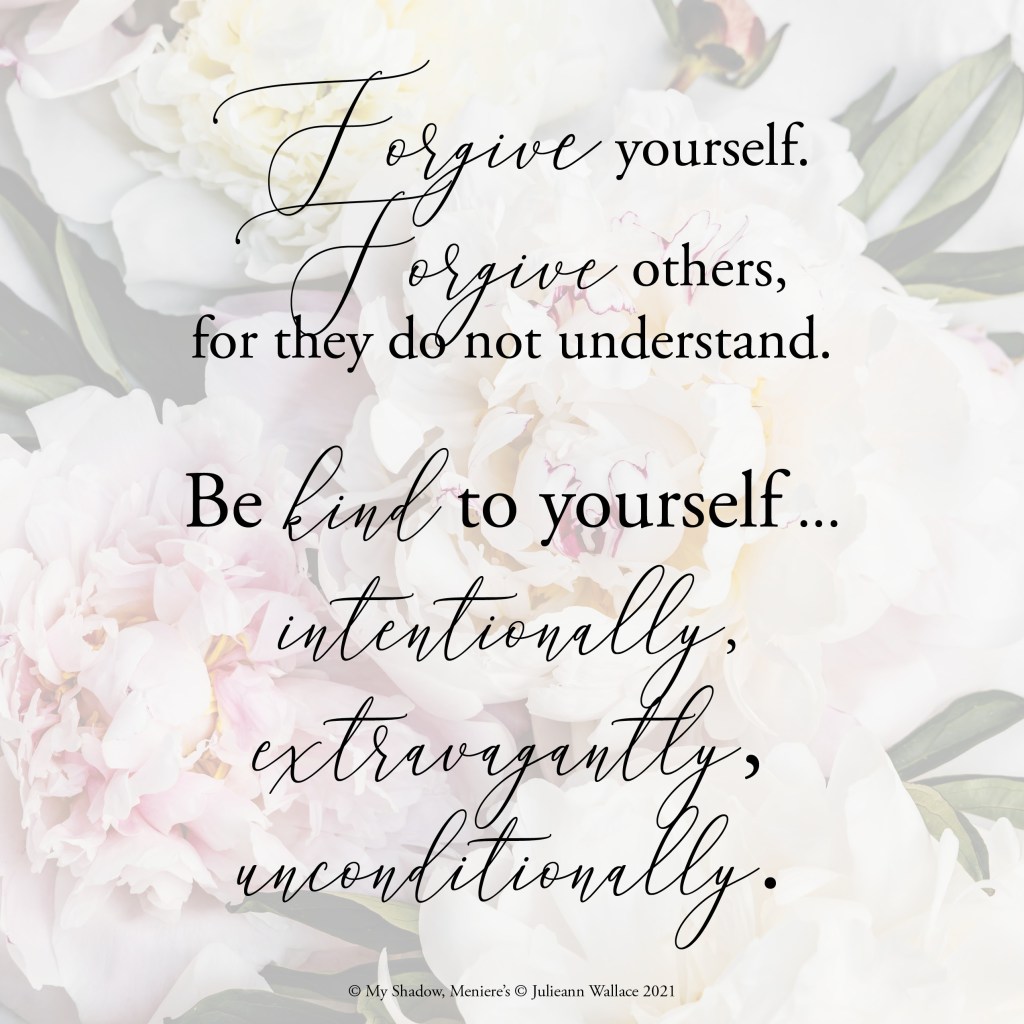
If you’re reading this, finding yourself nodding your head with perfect understanding, and even perhaps, tears falling, remember, if you are going to a social event, you can do it! I totally get what you are going through. Look for the helpers. Look for the good things that happen. And … forgive yourself. Forgive others, for they do not understand. Be kind to yourself – intentionally, extravagantly, unconditionally.

Good things are coming … I know it.

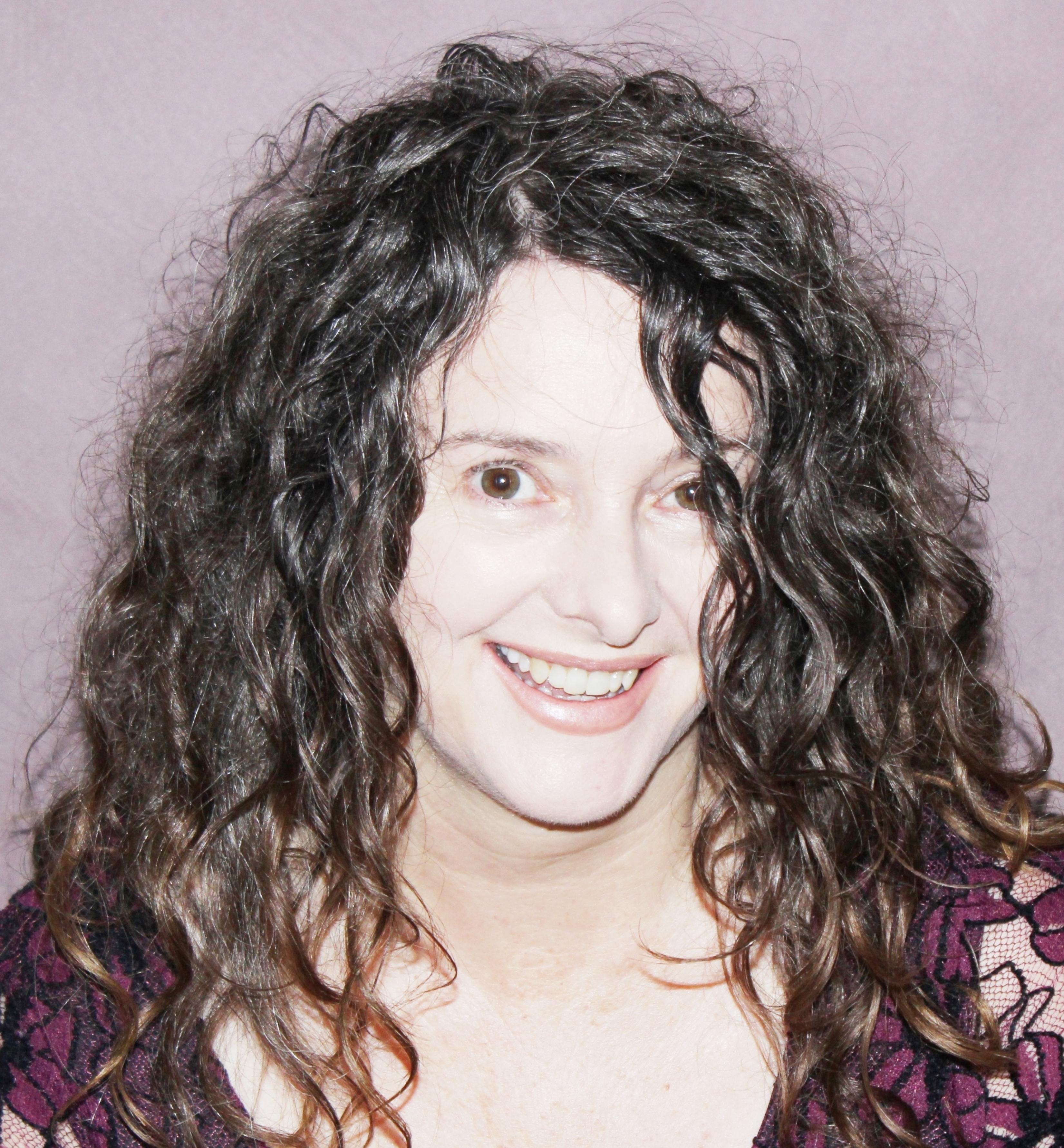
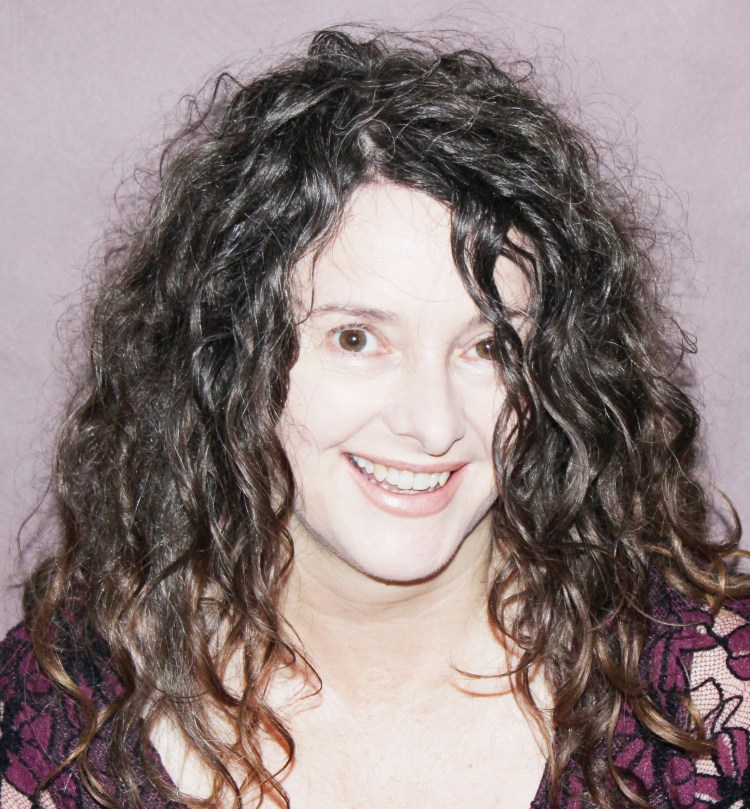
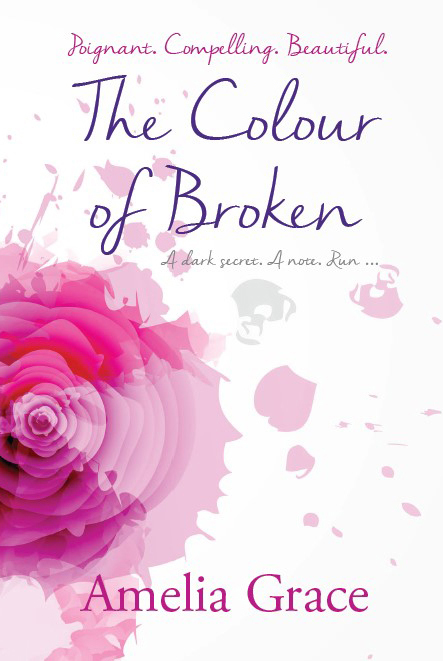
Julieann Wallace is a multi-published author and artist. When she is not disappearing into her imaginary worlds as Julieann Wallace – children’s author, or as Amelia Grace – fiction novelist, she is working as a secondary teacher. Julieann’s 7th novel with a main character with Meniere’s disease—‘The Colour of Broken’—written under her pen name of Amelia Grace, was #1 on Amazon in its category a number of times, and was longlisted to be made into a movie or TV series by Screen Queensland, Australia. She donates profits from her books to Macquarie University, where they are researching Meniere’s disease to find a cure. Julieann is a self-confessed tea ninja and Cadbury chocoholic, has a passion for music and art, and tries not to scare her cat, Claude Monet, with her terrible cello playing.

Purchase ‘The Colour of Broken’: print book & ebook or audiobook (narrated by the incredible Heather Davies)

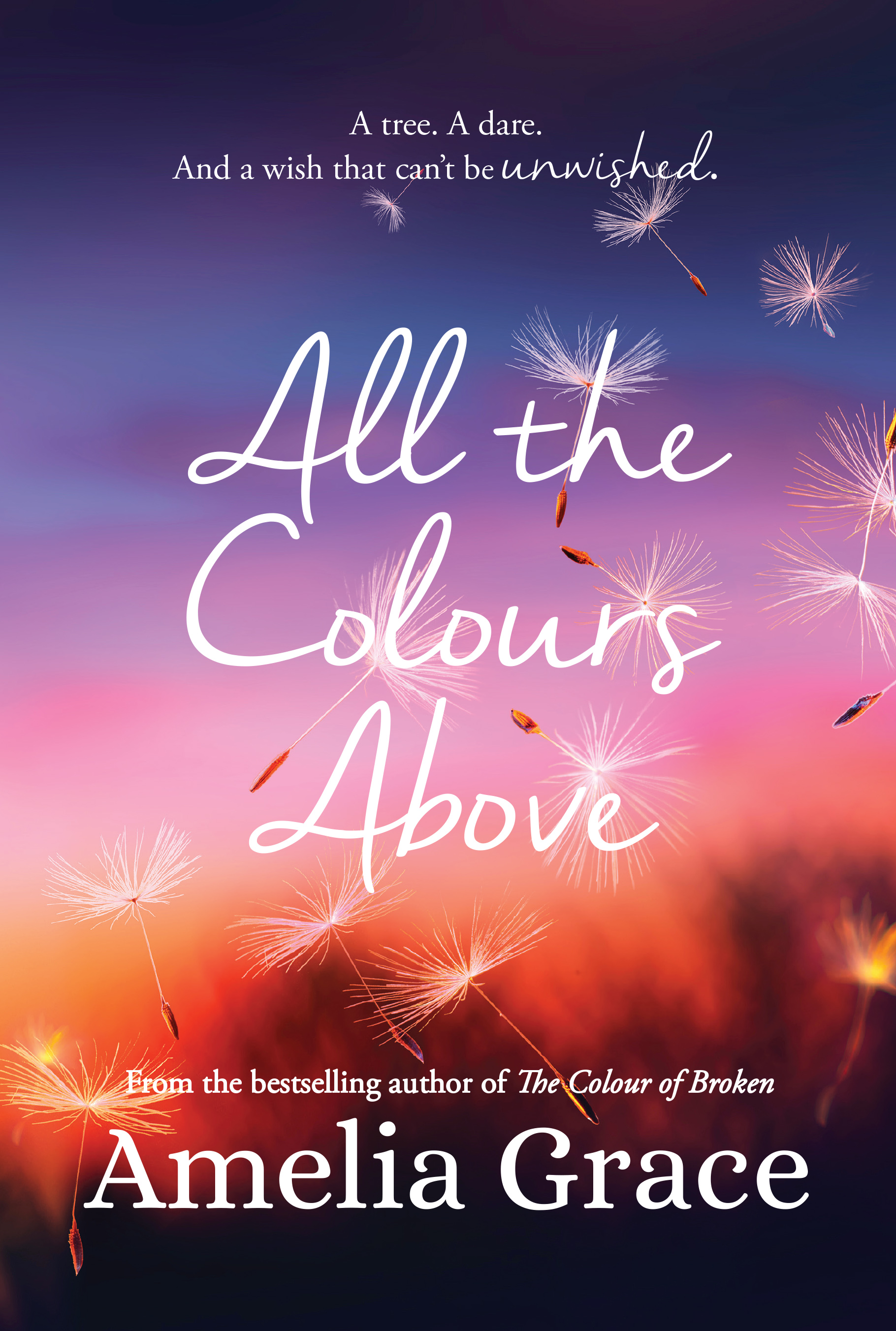
Purchase ‘All the Colours Above’: print book & ebook

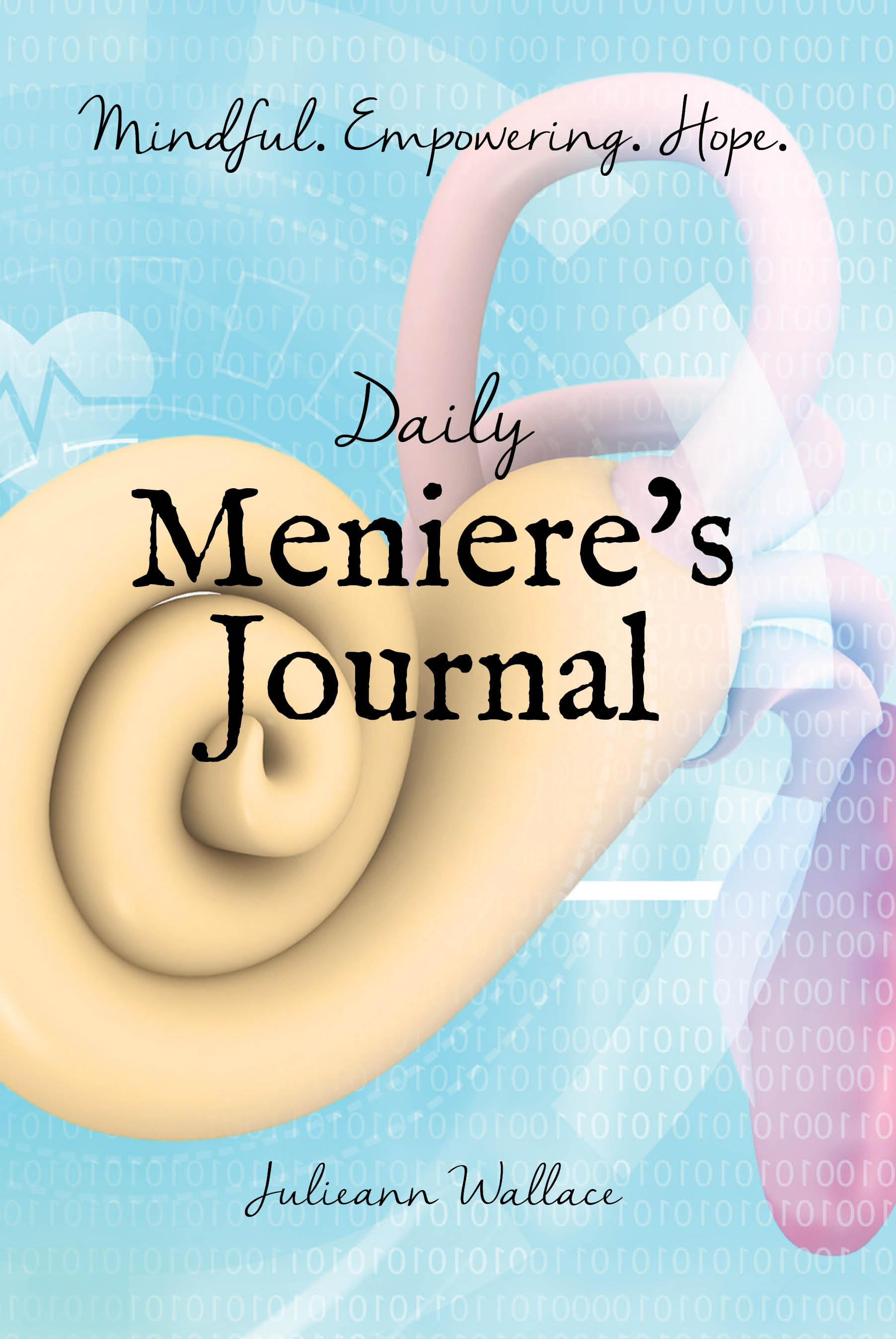
Purchase ‘Daily Meniere’s Journal – 3 month’: print book

https://www.facebook.com/julieannwallace.author

https://www.instagram.com/julieann_wallace_/

https://www.instagram.com/myshadow_menieres/

A Gift for Christmas

Meniere’s disease – a manic, violent, debilitating, depressing, disgusting, deplorable, despicable, devastating, damaging, distressing, diabolical monster of a disease that makes you vulnerable and defenseless. It takes, and never gives back.

It’s now 26 years of living with my shadow, Meniere’s. But once, Meniere’s was not just a shadow, it was a monster, as it wreaked havoc in my life, sucking out every ounce of happiness I had, throwing me into the deepest, darkest pit, searching on my knees for the missing pieces of me.

In 2002, after a particularly violent and long vertigo attack, I cried under the running water of the shower. There, my gut wrenching sobs would be muffled, and my tears would become invisible as I tried to hide my deep sorrow, and absolute exhaustion of faking being well. I didn’t want my three children to hear me falling apart. I didn’t want my husband to know how broken I was. And it was then and there that I made a vow. I wanted to help find a cure for Meniere’s disease in whatever way I could.

In 2004, I had one shot of gentamicin (the full dosage, not the low dose given now to preserve hearing). It stopped my vertigo, and I was able to reclaim my life.

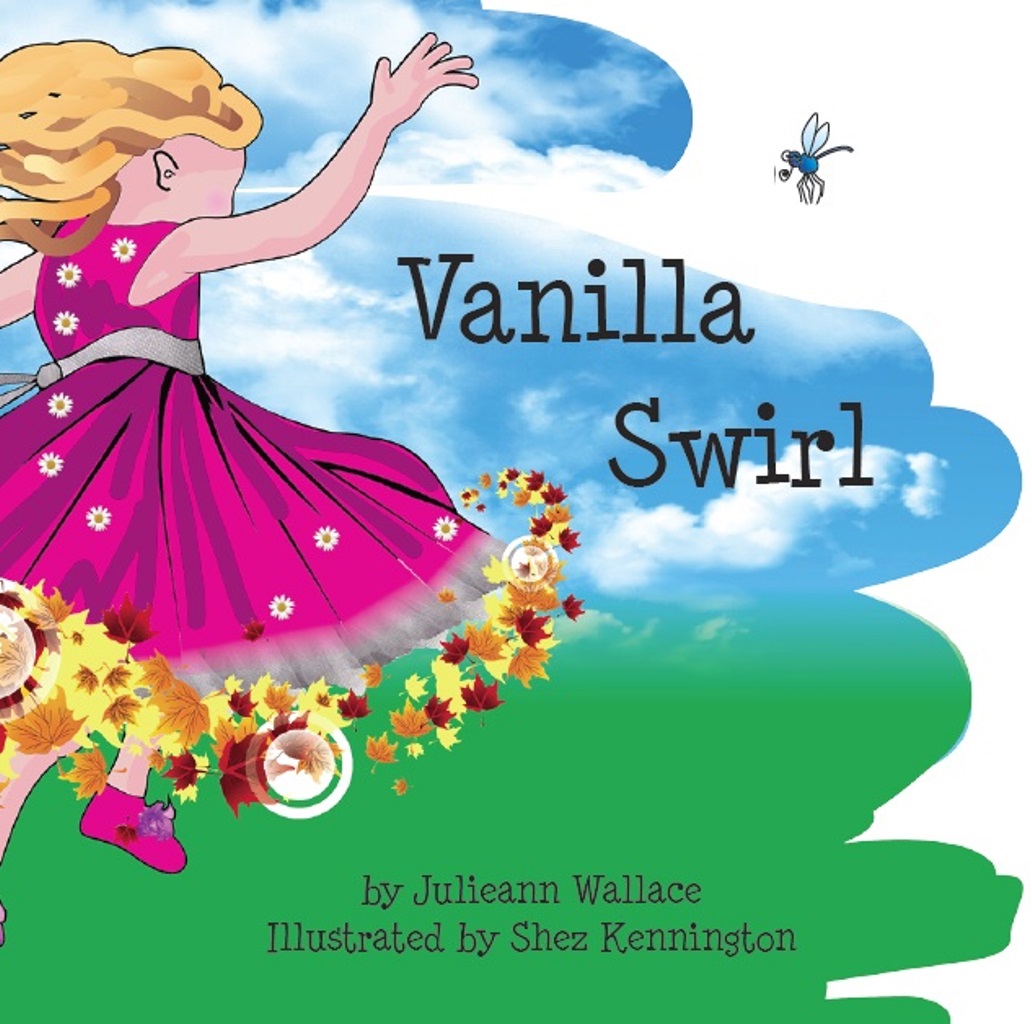
Since 2013, I have volunteered twice as a Meniere’s research subject at the University of Queensland (Australia) Brain and Mind Centre, released two Meniere’s picture books (Vanilla Swirl for mothers and Blueberry Swirl for Fathers, both gorgeously illustrated by the talented Shez Kennington), and 2 novels – The Colour of Broken with a main character with Meniere’s disease, and the sequel, All the Colours Above, with Meniere’s disease in it again, to raise awareness about Meniere’s disease. I donate 100% profits to research of the University of Sydney Brain and Mind Centre, where they have a dedicated Meniere’s disease research team.  

If you’d like to purchase any of these:

Vanilla Swirl

Blueberry Swirl

The Colour of Broken: print book & ebook audiobook (narrated by the incredible Heather Davies)

All the Colours Above: print book & ebook

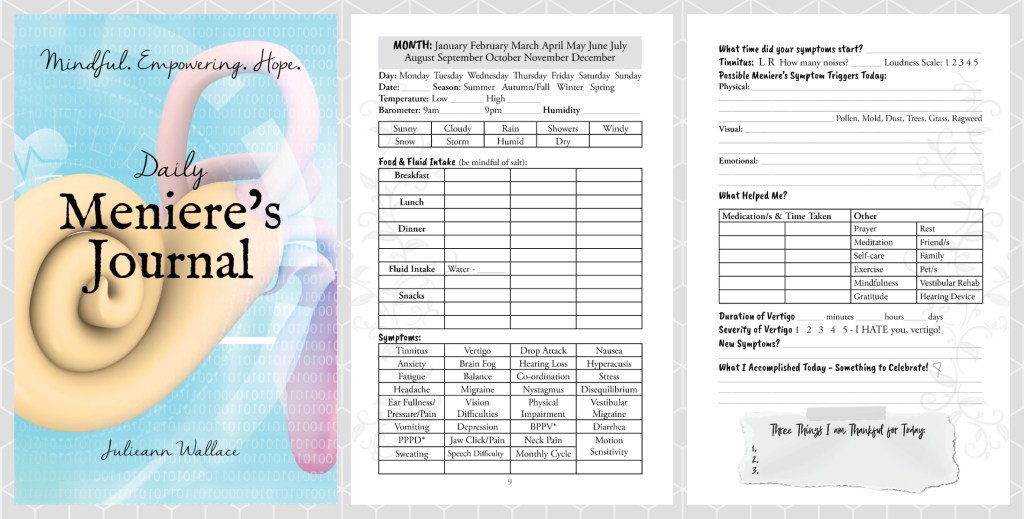
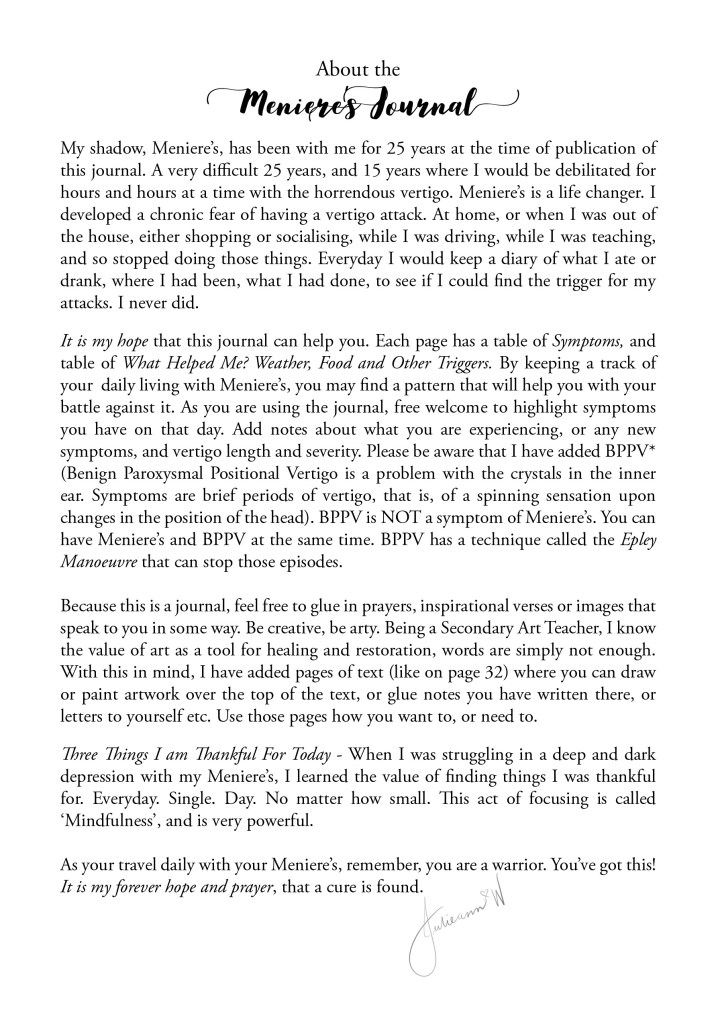
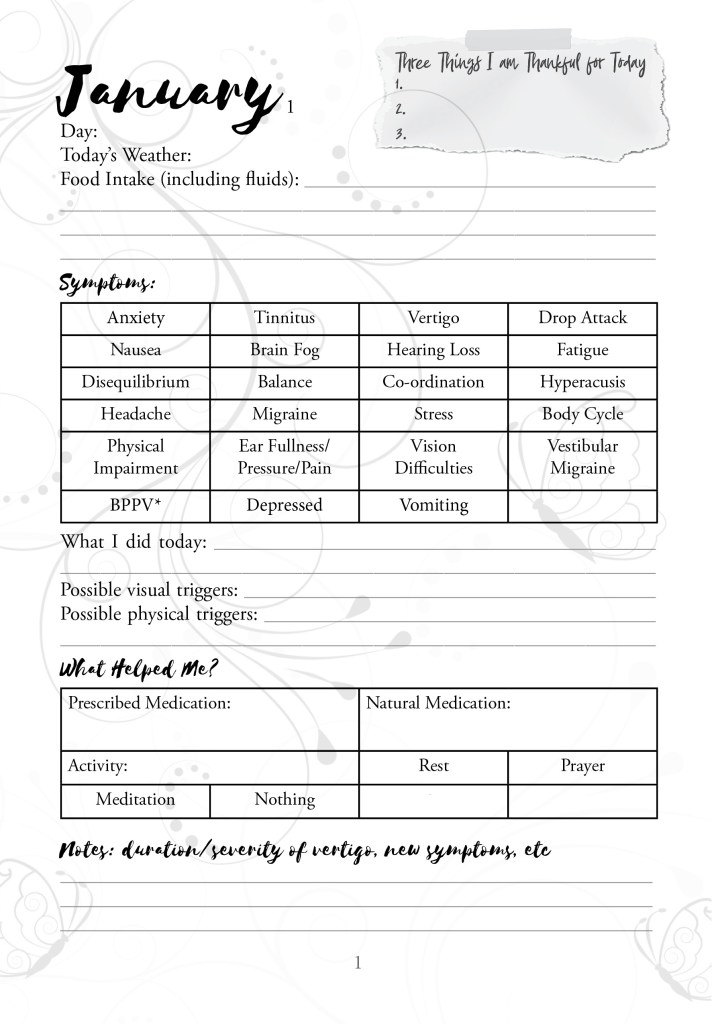
In January 2020, I released a Yearly Meniere’s Journal in response to the emotional pain I absorb, witnessing people struggle in the many Meniere’s support groups I am in. While I was reading comments, I thought back to before I had a gentamicin injection to stop the vertigo, and what I used to take with me to my ENT – it was a daily journal of my symptoms. And so I created one for Meniere’s Disease for people to use.

Roll-on to November 2021, and there seems to be more and more people being diagnosed with Meniere’s Disease, struggling to understand it and how they can take control of their lives. So I revisited my January 2020 Journal, added more details, and shortened the book to just 3 months so it would be more affordable. It’s a valuable tool, and perfect for looking for patterns and tracking triggers, and for taking to your doctor or ENT to show them exactly what you are suffering daily.

A gift for Christmas

The new journal is hot off the press, and I want to gift you the FREE PDF to download and print out.

It’s also available as a print book if you would prefer – 100% profits are donated to Meniere’s Research Fund Inc at the The University of Sydney and Macquarie University

Purchase the print book here for Australia Daily Meniere’s Journal – 3 Month : Wallace, Julieann: Amazon.com.au: Books For USA Amazon.com: Daily Meniere’s Journal – 3 Month: 9780645158106: Wallace, Julieann: Books For UK Daily Meniere’s Journal – 3 Month: Amazon.co.uk: Wallace, Julieann: 9780645158106: Books Also available at any online bookstore e.g. Booktopia Daily Meniere’s Journal – 3 Month by Julieann Wallace | 9780645158106 | Booktopia , Barnes and Noble Daily Meniere’s Journal – 3 Month by Julieann Wallace, Paperback | Barnes & Noble® (barnesandnoble.com) Powell’s Daily Meniere’s Journal – 3 Month: Julieann Wallace: Trade Paperback: 9780645158106: Powell’s Books (powells.com)

Wishing you a very happy Christmas, and looking forward to us finding a cure in the very near future, or even something that will successfully control all of our symptoms, one that works for everyone, not just for some.

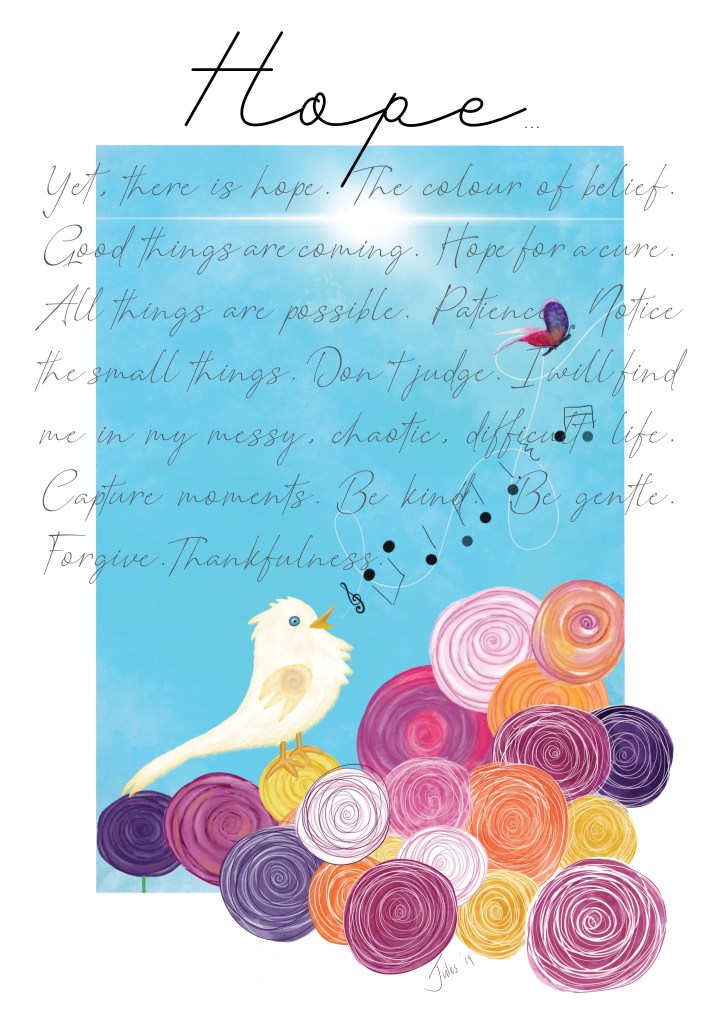
The spark of hope can never be extinguished!

Julieann Wallace is a multi-published author and artist. When she is not disappearing into her imaginary worlds as Julieann Wallace – children’s author, or as Amelia Grace – fiction novelist, she is working as a secondary teacher. Julieann’s 7th novel with a main character with Meniere’s disease—‘The Colour of Broken’—written under her pen name of Amelia Grace, was #1 on Amazon in its category twice, and was longlisted to be made into a movie or TV series by Screen Queensland, Australia. Julieann is a self-confessed tea ninja and Cadbury chocoholic, has a passion for music and art, and tries not to scare her cat, Claude Monet, with her terrible cello playing.

Follow Julieann –

https://www.facebook.com/julieannwallace.author

https://www.instagram.com/julieann_wallace_/

https://www.instagram.com/myshadow_menieres/

A FREE Meniere’s Daily Journal for 2021

Happy 2021!

To welcome in the new year for my Meniere’s family and friends, here’s a free PDF of the Daily Meniere’s Journal I created in 2020. It’s for those who haven’t seen it before, are new to Meniere’s (i.m so sorry), or just need something like this to keep track of their day to day Meniere’s.

It’s a valuable tool to take to your doctor to show them your symptoms and how you are feeling everyday. I know there are people who bought the journal in 2020, and have already purchased another one for 2021.

Print the PDF out day by day, or month by month – however you want to use it. And you have permission to share it with others. I hope it helps you to find patterns or triggers so you can manage the horrendous Meniere’s disease a little better.

The print book if you would prefer – Amazon.com: Daily Meniere’s Journal (9780648424451): Wallace, Julieann: Books

Julieann is a multi-published author and artist. When she is not disappearing into her imaginary worlds as Julieann Wallace – children’s author, or as Amelia Grace – fiction novelist, she is working as a secondary teacher, editor, book designer, and book magician for other authors. Julieann’s 7th novel with a main character with Meniere’s disease—‘The Colour of Broken’—written under her pen name of Amelia Grace, hit #1 on Amazon in its category twice. Julieann is a self-confessed tea ninja and Cadbury chocoholic, has a passion for music and art, and tries not to scare her cat, Claude Monet, with her terrible cello playing.

The Color of Broken: Grace, Amelia: 9780648084662: Amazon.com: Books

It’s My Life, My Illness … Please Let Me Choose My Treatment

‘I’m sorry. There is no cure.’

I die a little inside each time I hear someone with Meniere’s disease pleading for help, saying they can’t do it anymore, and when I hear the callout for prayer for someone who is suicidal from the insidious incurable disease … I’ve been there. I know exactly how it feels. I wish I had a magic wand to heal every one of us. Right now.

I get angry when I read Meniere’s patients being told by their doctors, ‘I’m sorry. There is nothing more we can do.’

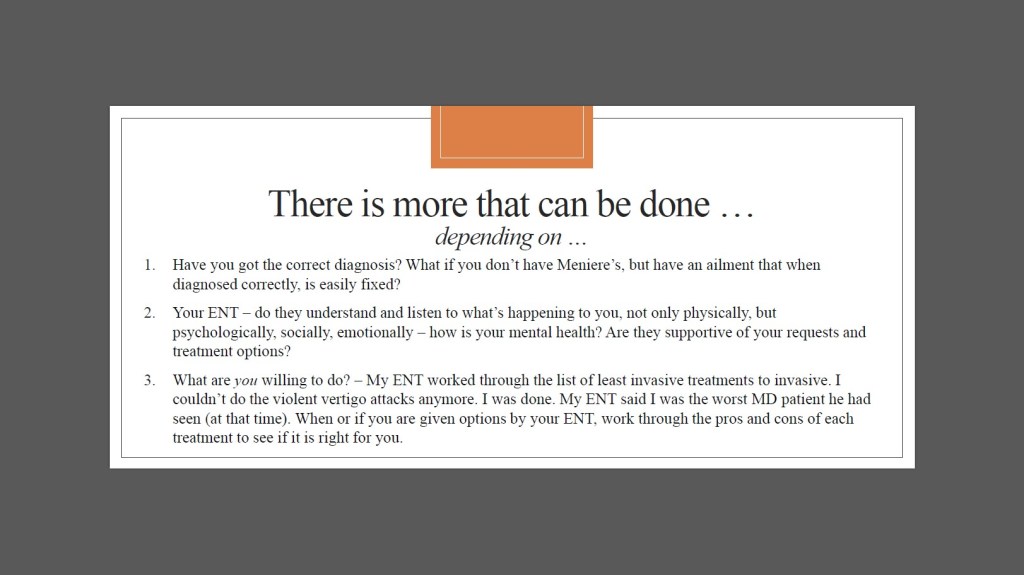
Don’t accept it. There is more that can be done.

But … it also depends on what you are willing to do.

Let me tell you the short story of my journey.

1995 …

‘I’m sorry. There is no cure.’

‘No cure?’

‘No … no cure; no cause. But you’re not going to die from it.’ My ear specialist eyed me with caution. The bitterness of my diagnosis after five hours of testing was painful to acknowledge.  

‘Let’s wait and see how your symptoms go,’ he said.

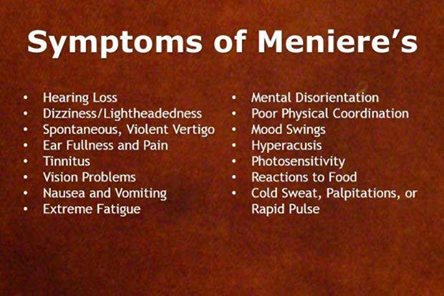
I stepped out of the ENT’s office, trailed by a very dark shadow: Meniere’s disease. It was so large it cast a darkness over me like a heavy, storm cloud, ready to erupt into the strong spiralling wind of a hurricane or cyclone at any moment. I knew the symptoms of my diagnosis well. I lived them with every breath that I took, mixed with fear and anxiety: aural fullness, hearing loss, tinnitus, and vertigo – the abhorrent violent vertigo – a life changer. 

I felt like I was given a prison sentence.

Where was the key to escape from Meniere’s disease? 

Wait and see how my symptoms go? Why? It could be a mild form that had little impact on my life, or it could go into remission.

But mine didn’t.

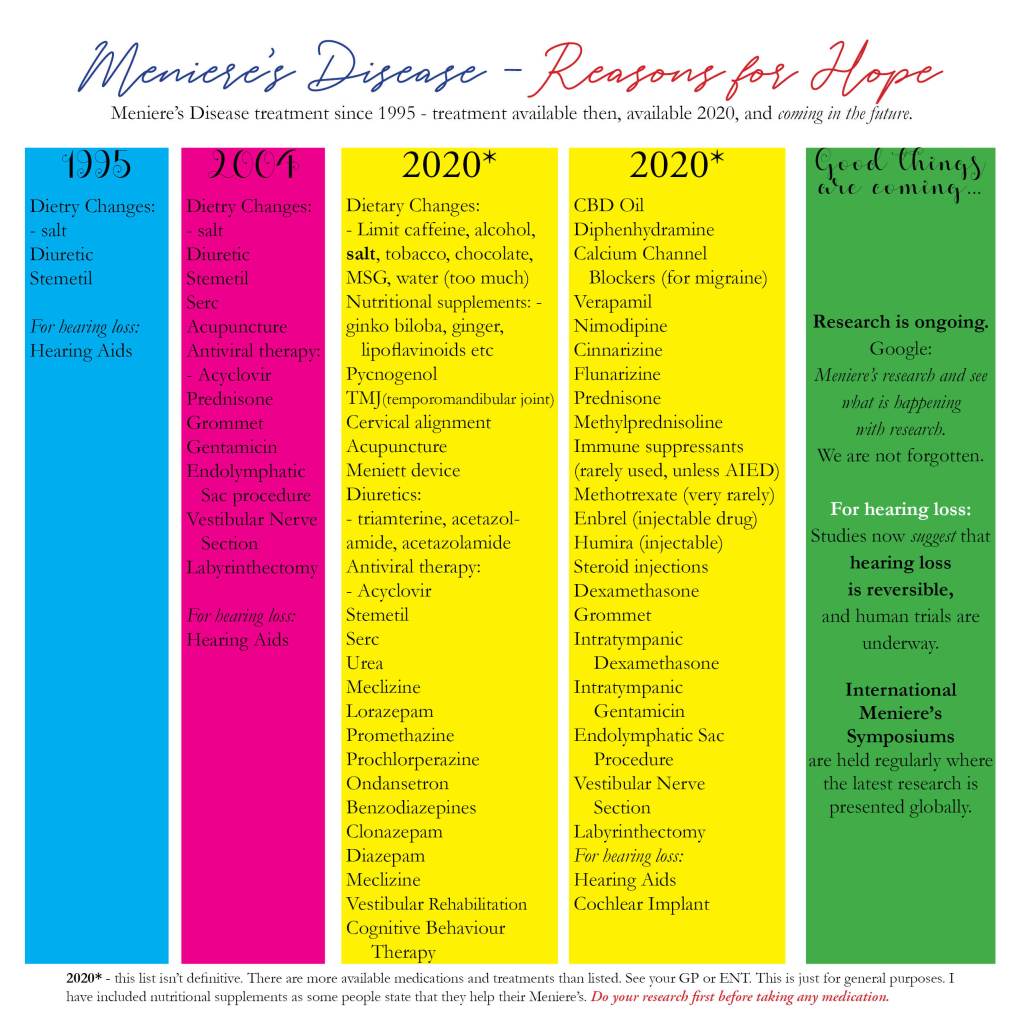
Thank you to the creator of this list.

After return visits to my ENT I was given a diuretic and Stemetil. That was it. And that was all they had in 1996. End of story.

But was it?

As my Meniere’s disease kicked into overdrive, destroying every bit of happiness I had in my life, the worst my ENT had seen, I got up to fight. Life was brutally unfair. Why was Meniere’s disease even a thing? It’s so cruel.

I was angry. I wasn’t going to accept “there’s no more we can do”. So I took control.

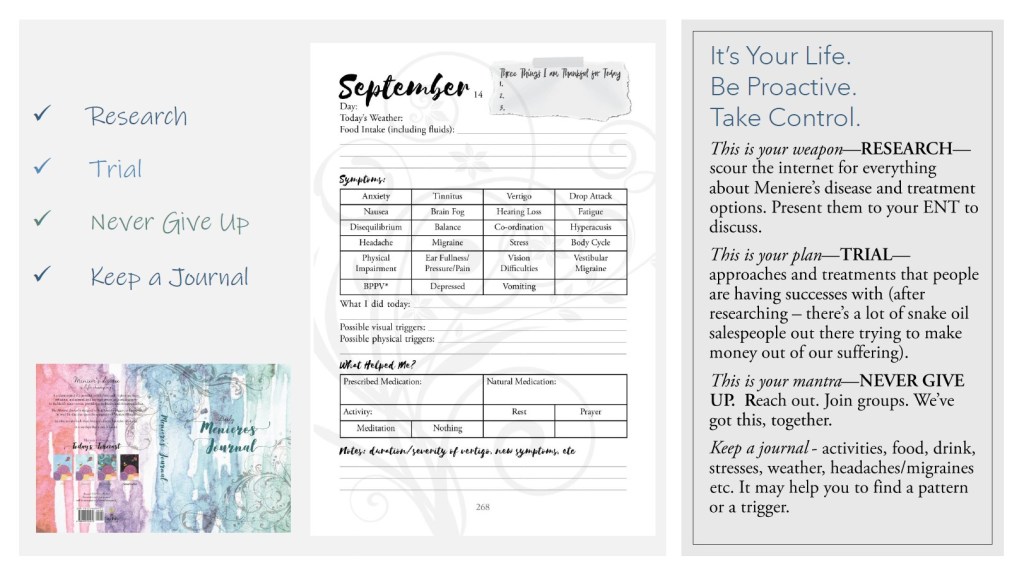
1. I started journaling my lifestyle vertigo attacks – what I did, ate, or drank beforehand an episode, trying to find a trigger or a pattern – and I discovered one – every two months I would have four hours of violent vertigo for nine days in a fortnight. Sometimes ending up in hospital.

2. I started my own research online when we finally had a home computer.

3. I researched and tried natural therapies.

4. I tried acupuncture.

5. I had my jaw alignment checked for TMJ (temporomandibular joint).

6. I listened to sound therapy for months on end – the Tomatis effect.

7. I took my research to my ENT, every visit. I’m sure he let out a sigh every time he saw my name on his patient list for the day. And when I found a Japanese doctor who claimed that the anti-viral Acyclovir cured people of their Meniere’s disease, my ENT was doubtful, but told me to give it a go. It cost me around $375 for each script from my GP – and that’s another story. It didn’t work.

8. I tried Serc.

But still, the debilitating vertigo rendered me defenceless. Incapacitated. And mentally, I found myself at the bottom of the darkest abyss with no hope, wearing a mask with a smile, covering up my very, very deep and dark depression.  

2004 …

9. I tried prednisone. For one day I felt like a normal person. And then my vertigo returned.

10. I had a grommet inserted into my eardrum. It did nothing.

The doctor’s words were full of apology. And frustration. ‘I’m sorry. There is nothing more we can do.’

‘Nothing more?’ My heart sunk. There was no horizon of hope, like the sun’s rays projecting onto the twilight canvas. It had disappeared into the darkness. Like me.

Just me and the beast: Meniere’s.

My ENT looked gutted. ‘Well … we could try gentamicin injected into your middle ear, and if that doesn’t work, I can do a vestibular nerve section.’

‘I’ll take the gentamicin.’

‘It will destroy your balance cells. You will also lose some hearing.’

‘Does it stop the vertigo?’

‘It can. Yes.’

‘Then I’ll take the gentamicin.’ I didn’t care about losing more hearing. I couldn’t live with the vertigo. I was done …

2020 …

I’ve been vertigo free since 2004. But the gentamicin injected into my middle ear was not the low dose gentamicin offered now, it was the full strength, and I remember my ENT saying that he added bi-carbonate of soda and sterile water to the mix to make the toxic antibiotic penetrate better. I now have my life back. And my shadow, Meniere’s, is a small thing that follows me around, a reminder that I am a survivor and a fighter.

I have to admit, I’m a little jealous of newly diagnosed Meniere’s people now. You have so much more HOPE than I did when I started my Meniere’s journey 25 years ago. There are far more medications and treatment options and success stories, and support groups and people who have started blogs and websites for MD people.

You have so much more.

And remember, you can choose. Like I did. Make sure you have a supportive ENT. I’m eternally thankful to my ENT and his care and compassion. And now my new ENT for his skill with my Cochlear Implant that has allowed me to hear again after 15 years.

Meniere’s Warriors:

This is your weapon—Research—scour the internet for everything about Meniere’s disease and treatment options. Present them to your ENT. You are your best advocate. It’s your life. You take control.

This is your plan—Trial—approaches and treatments that people are having successes with (after researching – there’s a lot of scammers/snake oil salespeople/quacks out there trying to make money out of our suffering).   

This is your mantra—Never give up and reach out. We’ve got this, together.

Doctors, this is our plea: please let us choose our steps to wellness, to a better life where we can find joy again, where we can take back what Meniere’s disease has taken from us. Please don’t say “there is nothing more you can do”. We have suffered more than enough.

I’m looking forward to the day when I hear: ‘Here’s the bad news. You have Meniere’s disease. Here’s the good news—we can fix it!’’

To help you out in your MD journey, I have a two freebies you can download:

The spark of hope can never be extinguished. A cure for Meniere’s disease is coming …

I write this blog with the knowledge of the great diversity of experiences of people with Meniere’s disease in mind. Some suffer greatly. Some little. Some people respond to medications. Some don’t. Some can still function with little disruption to their daily lives. Some don’t.

I also write acknowledge that there are many debilitating incurable illnesses, and I am in not in any way discrediting or minimalizing another person’s illness.

Julieann Wallace is a best-selling author, artist and teacher. She is continually inspired by the gift of imagination, the power of words and the creative arts. She is a self-confessed tea ninja, Cadbury chocoholic, and has a passion for music and art. She raises money to help find a cure for Meniere’s disease, and tries not to scare her cat, Claude Monet, with her terrible cello playing. playing. 

https://www.julieannwallaceauthor.com/

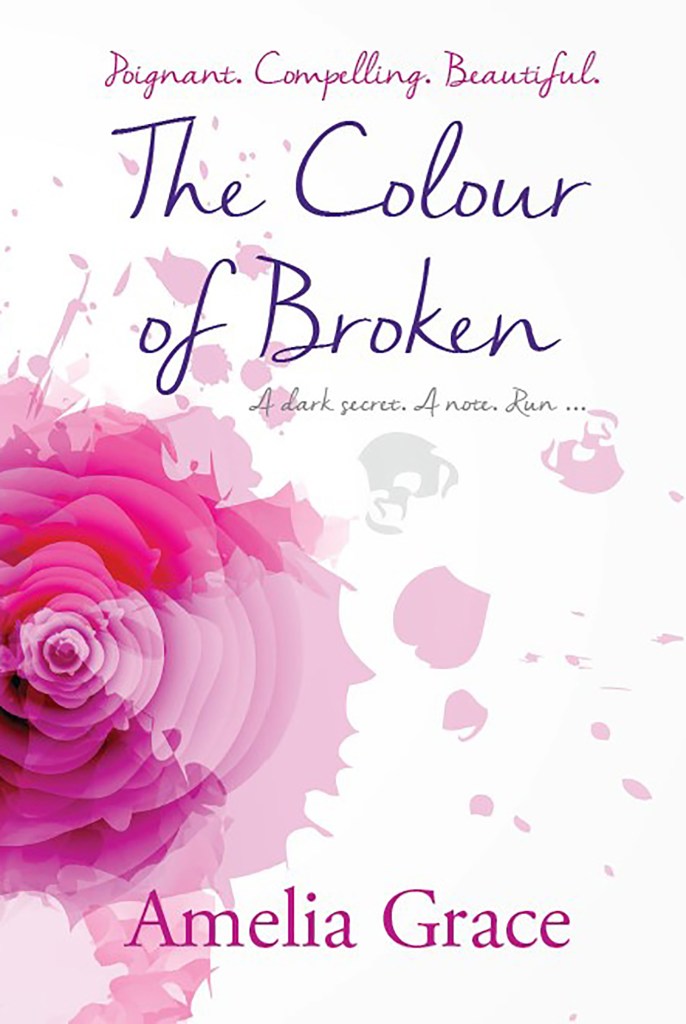
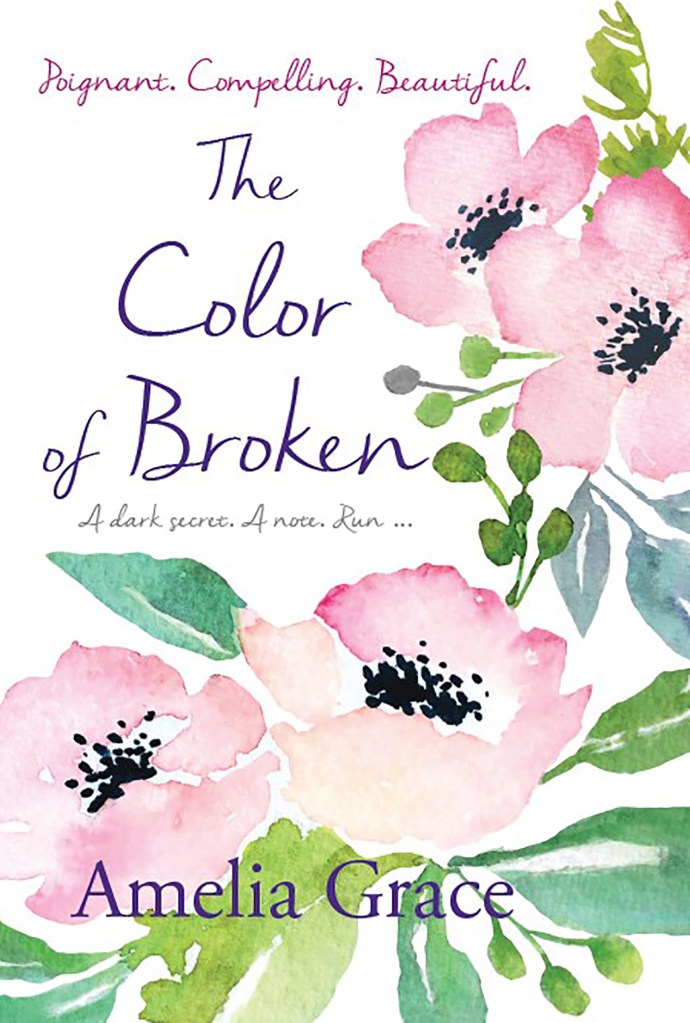
The Colour of Broken is my best-selling novel (written under my pen name) that has a character with Meniere’s disease. It hit #1 on Amazon in it’s category a more than once. It can be bought at any online bookstore, including Amazon.

The Daily Meniere’s Journal is a 365 day print book to record your MD symptoms to find triggers and patterns. It can be bought on any online bookstore, including Amazon.

All profits from these books are donated to Meniere’s research to help find a cure.

I am mindful of those who also have incurable diseases or are walking the path of a diagnosis that is life changing. My blog never aims to undermine the severity of anyone else’s illness, disability or journey. We all deal with life with different tolerances, attitudes and thresholds. ‘My Shadow -Meniere’s’ is my journey. It is my hope that it can help others with Meniere’s disease, or hearing loss, or simply when life has a plot twist.

I also acknowledge those before me, who have Meniere’s Disease or a Cochlear Implant. Your experiences, advice and suggestions are welcome.

My Hearing Addiction

The rain is falling on our tin roof. I step off the veranda with my umbrella, and close my eyes. A tear slips down my cheek. I can hear droplets of water battering the umbrella with two ears. For the first time in 15 years. It’s a big deal. I never thought I would hear the world around me again in my left ear, except for the five torturing sounds of loud, relentless tinnitus – louder than any rock concert or loud party I had attended – a symptom of the abhorrent Meniere’s disease.

woman-3618866__340

The rain is in ‘surround sound’. It’s surreal. I twirl, slowly, without losing my balance. My own type of raindance, keeping my cochlear implant processor dry.

Bliss. Happiness. Beyond thankful.

My homeland has gone from heartbreaking drought to catastrophic fires to flooding rain. But nobody is complaining. Rain is water. And water is life.

dr bf fl

After a long moment of mindfulness, I return to my study. I have work to do. Learning to hear again. Not just sounds, but words and sentences to understand conversations to allow me to be confident with interactions with people, friends and family, and to restore my social life.

drinks-2578446__340

I can’t lie. I was more nervous about the ‘switch-on’ of my cochlear implant – where you finally discover if the electrodes work, how many work, and whether you can hear, or not – than the almost two-hour surgery.

I was never really certain about what I would actually hear with my cochlear implant. And there were no guarantees that I would hear well, or at all, after 15 years of deafness from Meniere’s disease. I wondered, if I could hear, would it sound like ‘normal’ hearing? Would I be able to understand speech? Would I be able to hear music? Or, would I be lost in a world of robotic hearing that is so terrible and irritating that I will regret having the procedure done? What if it is not successful?

futuristic-3862179__340

I’m taking an enormous leap of faith. I’m diving into an unknown world. How many times have I read the words, “I’m too scared to get a cochlear implant!”?

On the flip side, how many times have I read the words,

“It will change your life!”

Before being activated, I watched online cochlear implant simulators that claim to sound like what is heard with a cochlear implant, but many of them didn’t sound like my implant. And many were dated a very long time ago, when the technology was new. Hearing with a cochlear implant has come along way since then.

The video that I think is close to what hearing with cochlear implant technology is like, is this one – and that was in 2014. Since then, cochlear implant technology has been improved and refined.

Learning to hear. It’s a new territory for me. A new journey. But one I am excited about.

I did a silent dance of victory when my cochlear audiologist told me I had to listen to audiobooks for at least 30 minutes a day to learn to hear. I LOVE reading!

coffee-2446645__340

And then there were the apps for my iPhone (thanks to Apple for the direct connectivity to my CI – the Nucleus Smart). Apps filled with common environmental sounds; sight words; matching the sound to the visual word; matching the picture to the sound; word discrimination; sentences; and more (there’s a list of apps at the end of this blog).

The moment I started to listen to the audiobook, ‘The Lake House’, by Kate Morton, and followed the words in my print book, I startled.

Learning to hear is just like learning to read!

I should know. Over my teaching career, I’ve given thousands of students the gift of reading.

But with learning to hear, instead of learning what a word looks like in print, you are learning what a word sounds like. I’ve decided to call it a ‘SoundPrint‘. I don’t know whether that’s a real thing, but I like the concept of it. I like the thought of making a ‘SoundPrint‘ in my cochlear implant ear to make new hearing memories, and connecting stored memories of my once upon a time hearing to my new hearing. It’s like bringing beautiful colours of hearing back to the greyness of my deaf ear.

kate-morton

I’ve got to admit, I’m addicted to my cochlear implant hearing. When I don’t have my CI processor on, I feel like a piece of me is missing, and I recede to my former self, the other me, all my senses on high alert – I didn’t realise how exhausting my life was before my new bionic hearing.

The gift of hearing. Thank you can never be enough to Professor Graeme Clark AC, the inventor of the multi-channel cochlear implant. My heart smiles everyday, thanks to you.

P.S. Some of the apps I use for learning to hear:

• Join your local library so you can download audiobooks. I choose the audiobook for print books I already have at home so I can follow the printed text while listening.
• Hearoes  https://www.games4hearoes.com/  FREE https://www.facebook.com/hearoesapp/
• Angelsound http://angelsound.tigerspeech.com/ FREE
• Children’s picture books are highly recommended – use Storyline Online https://www.storylineonline.net/ You can turn on captions, or, if you want to challenge yourself, turn them off

  • I’ve started compiling my Spotify Cochlear Music Collection – Cochlear Implant Music by Jules – it’s a work in progress, and I’m still on a learning curve with music. But I have discovered, that if I already know the song, it is easier to ‘pair’ the music with my cochlear implant hearing and my music memories before hearing loss 😊

20181228_162531.jpgcr.jpg t.jpg cr

Julieann Wallace is a best-selling author, artist and teacher. She is continually inspired by the gift of imagination, the power of words and the creative arts. She is a self-confessed tea-ninja, Cadbury chocoholic, and has a passion for music and art. She raises money to help find a cure for Meniere’s disease, and tries not to scare her cat, Claude Monet, with her terrible cello playing.

The Colour of Broken‘ – The #1 Amazon bestselling book with a main character with Meniere’s disease – raising awareness and understanding.

Buy ‘The Colour of Broken’

Buy ‘The Color of Broken’

Buy the ‘Daily Meniere’s Journal’

Buy the ‘Monthly Meniere’s Journal’

100% profits from the above books are donated to medical research for Meniere’s disease to help find a cure.

About this blog …

My Shadow, Meniere’s, is not just about the physical aspect of a Cochlear Implant – you can research about them online. I am sharing the human side of the journey towards a Cochlear Implant – feelings, appointments, the process, apprehensions, successes, highs and lows as I step into the next chapter of my Meniere’s journey.

I am mindful of those who also have incurable diseases or are walking the path of a diagnosis that is life changing. My blog never aims to undermine the severity of anyone else’s illness, disability or journey. We all deal with life with different tolerances, attitudes and thresholds. ‘My Shadow -Meniere’s’ is my journey. It is my hope that it can help others with Meniere’s disease, or hearing loss, or simply when life has a plot twist.

I also acknowledge those before me, who have already had a Cochlear Implant. Your experiences, advice and suggestions are welcome.

Learning to Hear

Fatigue
/fəˈtiːɡ/
noun
noun: fatigue; plural noun: fatigues
1.
extreme tiredness resulting from mental or physical exertion or illness.

bear-3663438__340

December 19, 2019, I had Cochlear Implant surgery. On the 9th of January, 2020, my Cochlear Implant was “activated”. My world of deafness, including the five roaring noises of tinnitus changed. I could hear again for the first time in 15 years!

My cochlear audiologist, Jane, warned me, ‘You will have mental fatigue from hearing again with your left cochlear.’

Yeah nah, I thought. I’ve had the repugnant, revolting, repulsive Meniere’s disease for 25 years now, three children and a teaching workload. I know exactly what mental and physical fatigue is like. The simple act of hearing again will leave me fatigued? I doubt it!

Yeah Nah. Australian slang for no.

Yeah nah

I enter the outside world. Reality. I’m no longer safe and comfortable in the confines of the quiet audiologist’s office, where Jane’s reassuring smiles, encouragement and support, wrap me like a warm blanket on a freezing winter’s night.

My eyes widen. It’s so NOISY! I hear EVERYTHING! But not the sounds of normal hearing, but of cochlear implant hearing, newly activated: chipmunk voices, robotic representations of every sound my 22 electrodes can feed into my auditory nerve. I am told that what I hear now, is not what I will hear as I continue to attend “mapping” sessions. Sounds will become more “normal-ish”, like what I hear with my right ear.

After 10 hours of wearing my processor, I am fatigued. Like a flat battery.
Nah Yeah. Yes. Jane was right. Again.

nah yeah
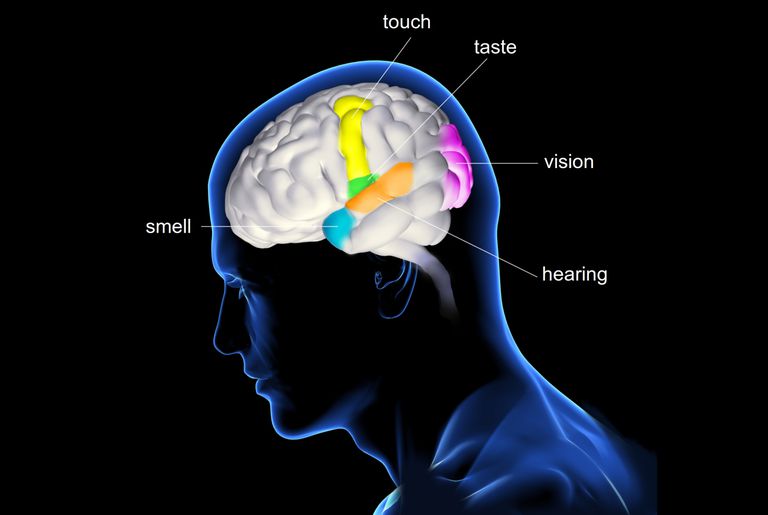
My cochlear audiologist, Jane, explained, ‘It’s like you’re a baby again. You hear absolutely everything. For your left hearing centre in your brain, every noise is new, and it’s working hard to work out whether to file the sound as an important sound, or background sound, that it doesn’t have to pay attention to. And the two hemispheres of your brain are not working together, yet. But they will.’

Creative background, the human brain on a blue background, the hemisphere is responsible for logic, and responsible for creativity. different hemispheres of the brain, 3D illustration, 3D render
source 123rf

She continued. ‘When you lost your hearing 15 years ago, your brain re-used that area for something else, and now that it is stimulated again with hearing, your brain is madly reorganising what parts of your brain are used for what. It is also accessing your auditory memories to match up to what you are hearing now.’

brain_senses-56ccf48f5f9b5879cc5ba0e6

WOW! Mind blown. Not only by the fact that I can hear again, but by the knowledge that the brain has a design and intelligence that is beyond human understanding.

My cochlear implant journey has been a road filled with new learnings, revelations and knowledge. My erudite self is soaking up anything and everything about hearing, the cochlear and the brain. The more I learn, the more I realise what an amazing piece of architecture our brain is, one that cannot be replicated. It’s complexity and control of our bodies are both extraordinary and intriguing.

When Jane was talking about my brain reorganising, she was talking about brain plasticity, or neuroplasticity, which I was already familiar with from having to relearn my balance after having my balance cells destroyed in my left ear to stop the horrendous, violent, vertigo of Meniere’s disease.

“Neuroplasticity or brain plasticity, is defined as the ability of the nervous system to change its activity in response to intrinsic or extrinsic stimuli by reorganizing its structure, functions, or connections. A fundamental property of neurons is their ability to modify the strength and efficacy of synaptic transmission through a diverse number of activity-dependent mechanisms, typically referred as synaptic plasticity”

https://www.physio-pedia.com/Neuroplasticity

Principles of neuroplasticity

The brain wastes nothing…

So, my left hearing centre is like a baby again. It’s got me thinking. If I was a baby again, would I choose the same path in life. For instance, if I didn’t excel in sport, and I didn’t receive a head trauma just in front of my left ear that I believe caused my Meniere’s,  would I still have Meniere’s disease in my lifetime? Would I still be me?

Next blog – Learning to Hear is like Learning to Read

Julieann Wallace 300 dpi

(Dip T., B Ed., Author, Artist, Teacher, Tea Ninja, Chocoholic, Papercut Survivor)

Julieann Wallace is a bestselling author, artist and teacher. She is continually inspired by the gift of imagination, the power of words and the creative arts. She is a self-confessed tea ninja, Cadbury chocoholic, and has a passion for music and art. She raises money to help find a cure for Meniere’s disease, and tries not to scare her cat, Claude Monet, with her terrible cello playing.

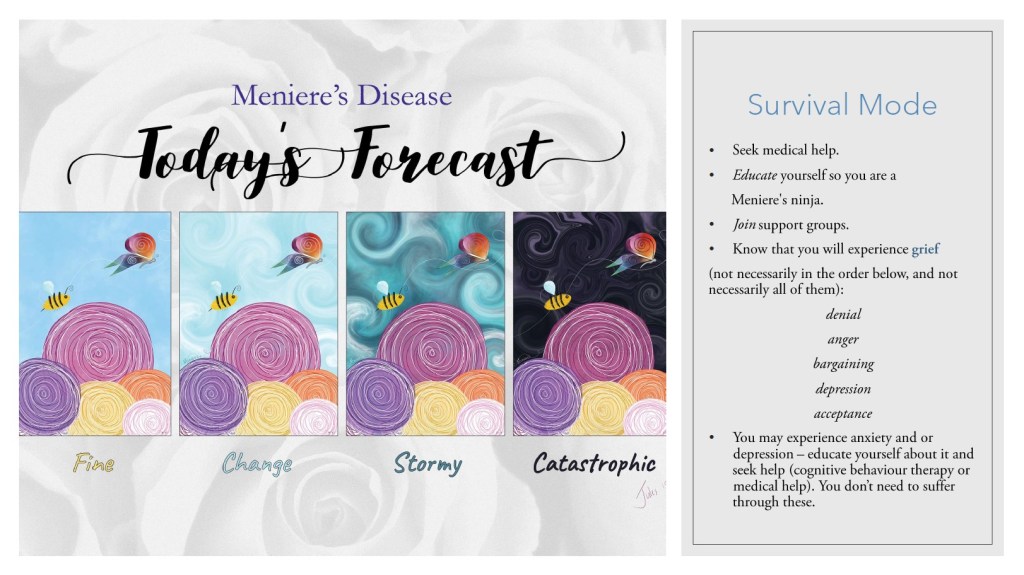
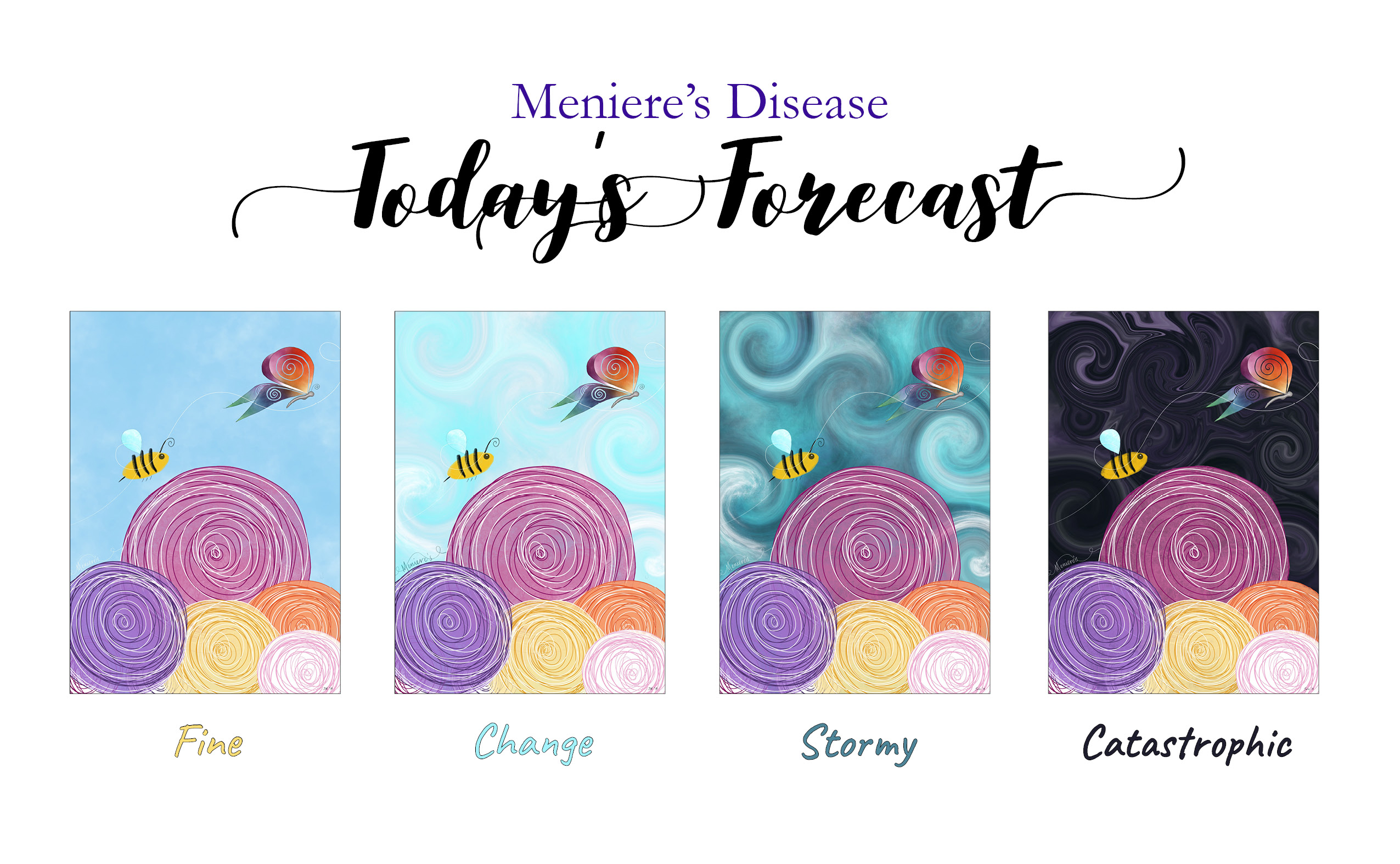
MD weather forecast

About this blog …

My Shadow, Meniere’s, is not just about the physical aspect of a Cochlear Implant – you can research about them online. I am sharing the human side of the journey towards a Cochlear Implant – feelings, appointments, the process, apprehensions, successes, highs and lows as I step into the next chapter of my Meniere’s journey.

I am mindful of those who also have incurable diseases or are walking the path of a diagnosis that is life changing. My blog never aims to undermine the severity of anyone else’s illness, disability or journey. We all deal with life with different tolerances, attitudes and thresholds. ‘My Shadow -Meniere’s’ is my journey. It is my hope that it can help others with Meniere’s disease, or hearing loss, or simply when life has a plot twist.

I also acknowledge those before me, who have already had a Cochlear Implant. Your experiences, advice and suggestions are welcome.


It Did Change My Life

Cochlear Implant Activation, 9th January


The alarm is sounding. It’s 6am. But it doesn’t wake me, my husband does. I am lying on my “good’ hearing ear, so I hear nothing. He touches me to wake me and I struggle to open my eyes. I’m tired. I’m so tired. I haven’t slept well because it’s hot and humid. The night-time low was 24 degrees Celsius.
 

clock-1426622__340


I roll over and vertigo hits me, followed by nausea.

op-art-2874994__340

Great, I think, as my world spins. I hold still and the room stops spinning and the nausea goes. BPPV. A misalignment of the crystals in the inner ear. I know I can do the Epley Manoeuvre to stop it. But I don’t want to do it until I check with my Cochlear Surgeon in 4 weeks’ time.

I breathe a messy breath through my lips and sit up. First, I focus on the wall to check that my world is not spinning again, then stand slowly, to ascertain whether my balance feels okay. I remember it’s Cochlear activation day. But I’m so tired. Activation can’t be on a day when I am exhausted before the day begins. It didn’t happen that way in my imagination when I looked forward to hearing again. I sigh. 

I push forward with my morning routine. Breakfast is low key. Toast with peanut butter and a cup of tea. Anxiety joins my shadow, Meniere’s, and me at the table. The three of us together again. I frown. Why do I feel anxious about activation, but not about the two-hour surgery where they drilled a hole in my skull three weeks ago?

I stop before the door before we leave to drive to the city. I feel safe here, behind the closed door. Comfortable. Once I open that door, my world is going to change. I take a deep breath, place my hand on the doorknob and turn it.

I step out into my future.

fantasy-4350993__340

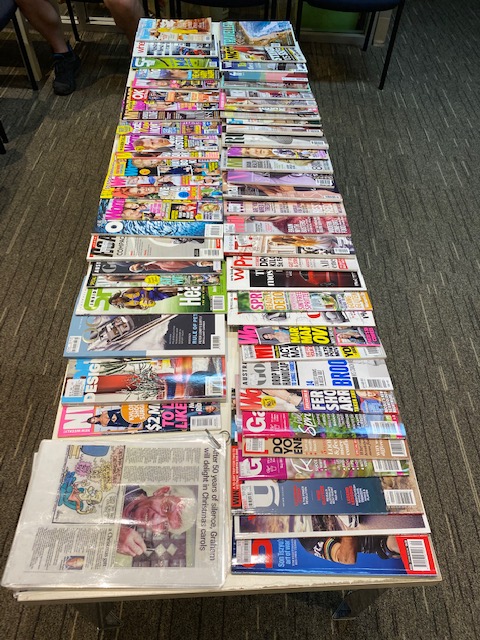
My husband and I arrive early for the appointment. We sit in the waiting room where the perfectly arranged magazines adorn the table, that have been painstakingly presented. When my husband takes a magazine, flips through it and plops it back on the table, I can’t help but to straighten it up so it is like the others.
IMG_1165

I look up when I think I hear my name called.

Jane, my cochlear audiologist greets me with a smile. The universal language that puts you at ease. Anxiety, Tinnitus, Deafness, My Shadow, Meniere’s, my husband, and I follow her to her office. We all sit down, except for my shadow, Meniere’s. He’s jumping up at the window overlooking the city, and sliding down with a giggle. I shake my head at him.

‘Welcome back,’ Jane says. ‘How did the surgery go?’

‘Good,’ I say. ‘I’ve had no pain, no major vertigo, just little spins when I roll over. BPPV. I can fix that with the Epley Manoeuvre, but I want to wait until I see my surgeon in a few weeks.’

Jane shakes her head. ‘The little spins may not be BPPV. Sometimes drilling the hole in your skull can upset your inner ear and cause that. It will get better.’

Oh. I am surprised by that information. I smile. ‘The surgeon managed to get the 22 electrodes all the way in. He was really happy with that.’

‘Wonderful. Plus you have two earth electrodes in there as well.’ Immediately my mind turns to the memory of me out in the storm the other day. I had rushed inside in case my implant attracted lightning.

thunderstorm-3625405__340

Then, on researching lightning and Cochlear Implants, I am no more likely to be struck by lightning than anyone else. Phew!

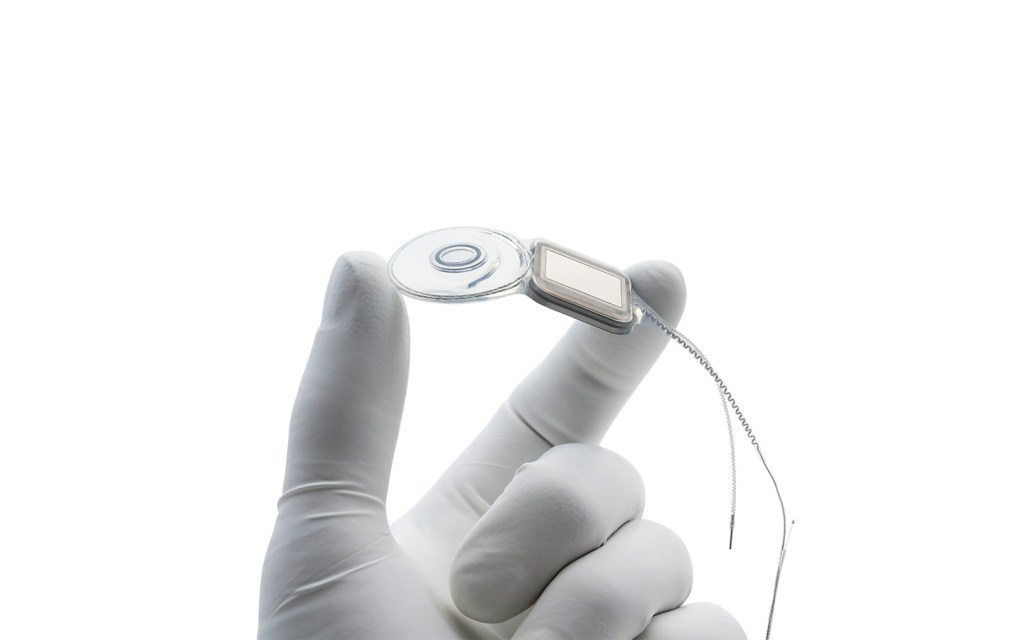
Jane turns to my husband and shows him what has been implanted into the cochlear of my inner ear. ‘The electrodes are 1/5 of the width of a hair strand, in size.’ My husband’s jaw drops to the floor. He shakes his head. It’s hard to comprehend.
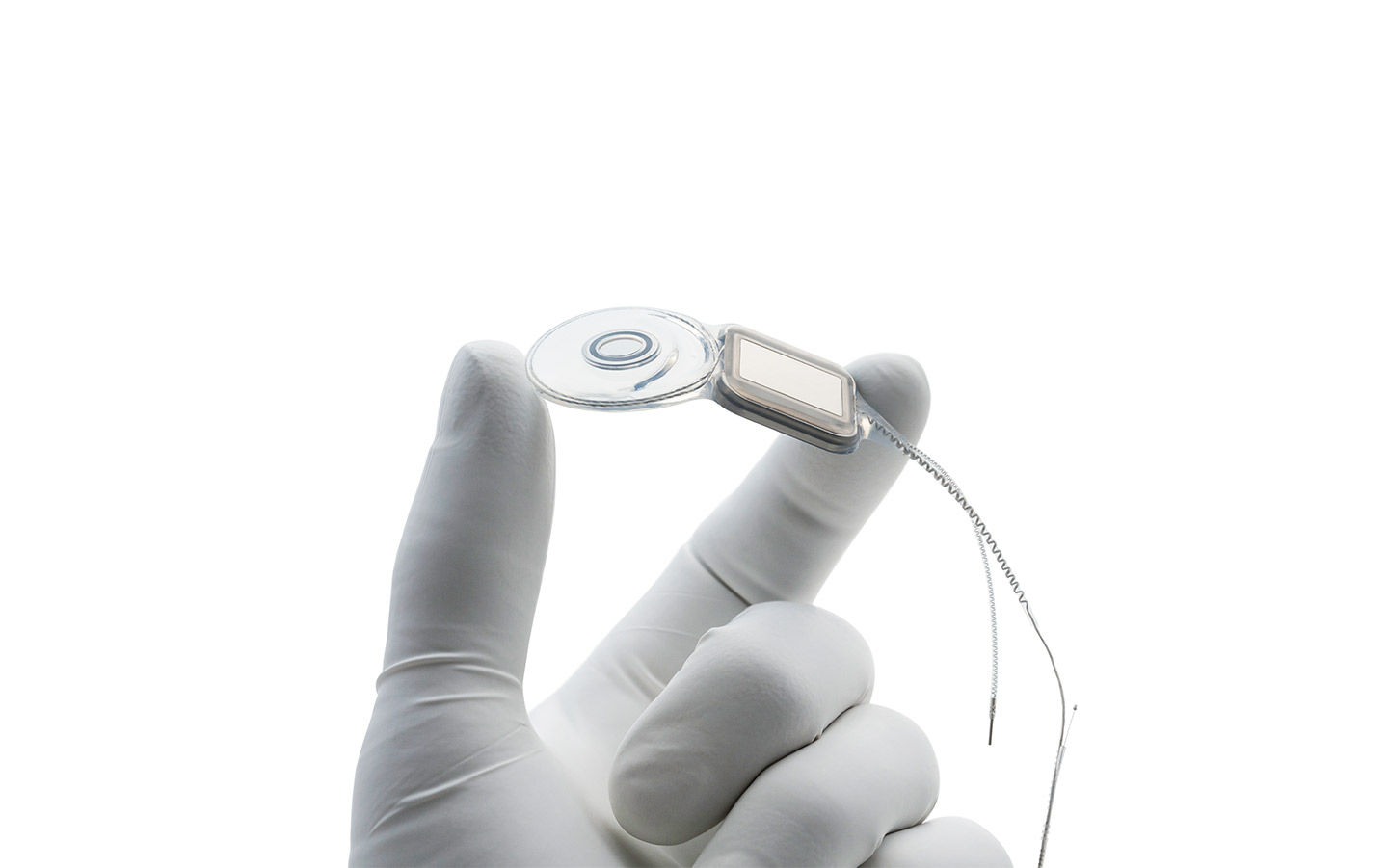
worlds-thinnest-implant.jpg cochlear n7

‘Okay. Are you ready for today?’ she asks.

I nod, and see Anxiety double his size beside me. I want to grab a pen and stabbed him so he farts all the air out of him. My shadow, Meniere’s, sits in the corner and lowers his head. Tinnitus is doing pirouettes in a tutu. My life really is a circus!

Jane places the external hardware over my ear, attaches the transmitting coil to the magnet that sits under my skin on my scalp, all the while explaining how it works. The enthusiasm in her voice tells me how much she loves her job. She is super excited about switching on my Cochlear Implant.

Once the processor and transmitter are in place, Jane sits on her chair. I’m knotting my fingers together as my skin burns. I frown. I can’t hear a thing in my Meniere’s ear. Nothing has changed. My tinnitus is still screaming at me.

She attaches a wire to the speech processor around my ear and taps a few keys on the computer. She smiles and says all the electrodes are looking good. Then she taps another key and I still. My heart starts to race and my eyes widen. I can hear a few crackles and pops.

‘Can you hear this, Julieann?’ she asks in her English accented voice.

Three beeps sound in my deaf ear. Then another three at a different pitch, and another three.

‘Yes,’ I say, my voice cracking. I cover my eyes as tears fall. I can’t stop from crying.

woman-641528__340

‘I can hear that,’ I add.

‘Good,’ she says and smiles. ‘Are you okay? There’s tissues behind you.’

‘Yes,’ I squeak. I grab a tissue and look over at my husband. His eyes are red-rimmed and wet. He has been a part of my journey. Twenty-five years of being a spectator to my incurable Meniere’s disease, where he could do absolutely nothing to help me, except clean out the vomit bucket time after time after time after I had vomited violently whilst spinning, or attending the emergency room when I was so dehydrated from vomiting that it was dangerous to my health, or when we thought the violent spinning wouldn’t end. We’ve been married for 31 years. He knows exactly what physical, emotional and psychological toll it has taken on me. He has seen me during my darkest days.

Yet, I spared him from witnessing the darkest of dark days when I no longer wanted to be here, when I wasn’t the colour of grey with an “e”, nor the colour of gray with an “a”, but the colour of black.

From my novel – ‘The Colour of Broken’ – Yolande, the main character is sitting in the chair, talking to her psychologist …

‘What colour are you?’

I took a deep breath and twisted my fingers together. My stomach tightened. I cleared my throat. ‘The colour of broken …’

Dr Jones was silent.

I stopped breathing when anxiety rose inside me like a wall of lava, about to incinerate me. It was freaking me out that she now knew this about me, and that she had not reacted to the description of my colour.

‘And what colour would that be?’ she finally asked.

I breathed out through my lips, slowly, steadily, counting to five in my head. ‘Gray with an “a”.’

‘There’s a difference?’

‘Oh, yes. Grey with an “e” is very different to gray with an “a”.’

‘How?’

‘Grey with an “e” is like the rain clouds. It’s melancholy, but an enjoyable melancholy that builds up until it releases, and then it’s like petrichor, the smell of the rain after warm, dry weather. Satisfying. Grey with an “e” is also when deep thought, philosophy and ponderings happen. Everyone should experience grey with an “e”, it helps to discover parts of you that you never knew existed, and it can vanish without leaving a bitter aftertaste.’

‘Tell me about gray with an “a”.’

I looked down at my knotted hands. ‘Gray with an “a” is … never enjoyable—it’s a very dark gray. It’s self-judgement, doom and gloom, forever hanging around and within. It wants to drag you into the dark abyss of the colour black, that absorbs all colours … the colour of self-condemnation, the colour of depression, the colour of death of the physical body.’

‘But not the spiritual body?’

‘No.’ I didn’t want to add any more to this conversation. It was painful to talk about.
‘So, me being a supposedly normal person, could I see your gray with an “a”?’
‘No. Because I mask it. And my gray with an “a” is not a plain gray with an “a”. It’s a crackled dark gray, with other colours that seep out … sometimes.’

‘What colours would they be?’

‘Drips of red for anger … specks of black—’ for self-hate, ‘—for my secret, blushes of pink for my love for Mia and my family, and explosions of turquoise that screams at me to love myself …’

‘That’s very insightful, Yolande. It’s highly intuitive. I’m curious … when you look at me, what colour am I?’

I hesitated before I spoke. I never told anyone the colour I had appointed to them for fear of them running from me. But Dr Jones, she was different, she would understand …

‘You are … magenta,’ I finally said. ‘It’s the colour of a person who helps to construct harmony and balance in life, hope and aspiration for a better world—mentally and emotionally,’ I said, and held my breath, waiting for her reaction.

She raised her eyebrows at me. ‘That’s an amazing gift to have in your mind toolbox, Yolande. Does it ever lie to you?’

Jane says, ‘I’m going to switch on each of the electrodes, one by one. Tap on the table when you hear the beeps.’

And so it begins. As I hear beeps, and tap on the table, hope rises in me like a flower blooming, facing its sun. I hear 21 out of 22 electrodes. Jane is ecstatic.

I am in shock and a tears trickles down my face. I can hear!

She looks at me and smiles. ‘Do you need a break?’

‘No,’ I say. I am beyond fascinated. In awe. What an age to live in with medical science, discoveries and inventions.

‘Let’s try some speech,’ she says. She taps a few more keys, and suddenly there are words in my Cochlear Implanted ear.

I start crying, wiping a thousand tears from my cheeks. ‘I can hear what you are saying,’ I sob. ‘But you sound like you have been inhaling helium!’ 

balloons-1012541__340

Jane’s face lights up with a smile. ‘You can! That is so wonderful!’ She is looking at me with a contagious joy.

She continues talking. I hear her chipmunk voice, but I can’t understand her. She keeps talking, and with my good ear, I understand that, as she keeps talking for another 10 minutes, my brain will start understanding better. She says the hearing part of the left side of my brain has been used for some other processes since I lost my hearing. And now it is shuffling, trying to find my speech and sound memories, to make sense of what it is hearing. It is using auditory pathways and memories, and must work at a higher level to pull together the information to have bi-normal hearing. The brain must code all the information coming in.

And then suddenly, like a light has been turned on, I can understand much of what she is saying, as words. Not all of them, but quite a few. For the words I don’t get, my mind fills in the blanks with words to match the meaning of what she is saying.

I am speechless.

She turns to my husband. ‘Say something to Julieann.’

I look at him and smile. 

He smiles back. I see his lips move. I wait for the sound of his chipmunk voice. I swallow and my skin burns. His voice doesn’t even register as a chipmunk. I can’t hear his voice at all!

His eyes widen in panic.

Jane jumps in quickly in a calm and encouraging voice. ‘That’s okay. It will happen.’ 

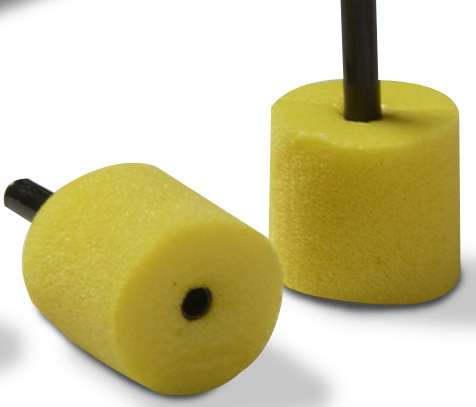
Jane reaches over and pulls out a foam ear plug and puts it firmly into my good ear.
c807010-1k

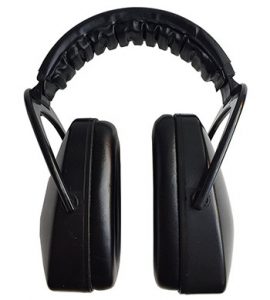
Then she places a hearing muff over my good ear.
TenTen-TI-All-Purpose-Earmuffs-in-Black-270x300

I have lost all hearing that I have been relying on to hear and understand conversation.

Jane continues talking like we are in a normal everyday conversation. I stare at her, trying to get what she is saying. It is so hard. Her voice is sound, but not words.
82766906_2666631973458317_2310843338988716032_n

I focus harder, and slowly some of the sounds become words.

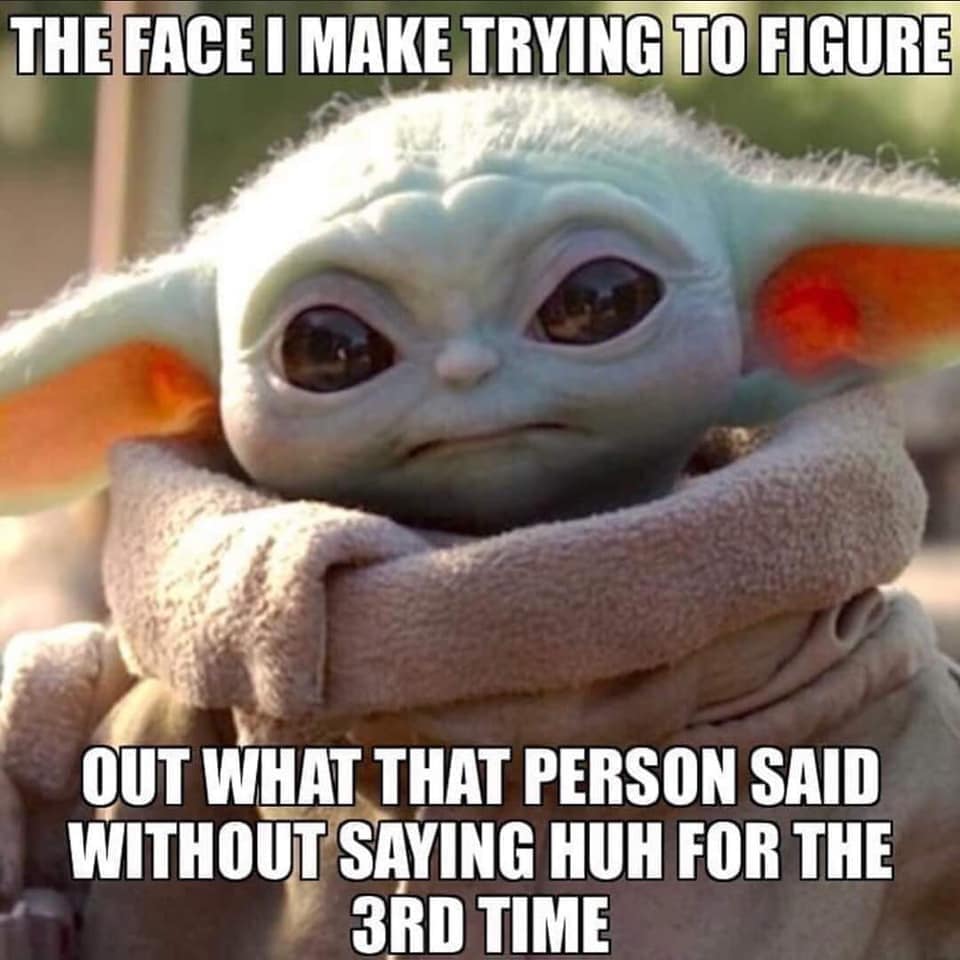
She stops and asks me a question. I stare at her blankly. I am trying to figure out what she has asked. I am trying to piece together what words I understood of the question, and with the missing words, I am working on using any visual cues from what she is doing, plus I am trying to read her lips.

Finally, I answer with a smile. ‘Yes. I can hear you. And your speech is starting to sound like words.’ 

‘Well done!’ she says. And I understand her chipmunk voice perfectly. She then explains about the delay happening in my brain with the speech and understanding. She knows how hard I am working to try and understand the new input into my brain.

‘Can you hear this?’ she rattles a piece of paper in front of her.

‘Yes,’ I say, although it doesn’t sound like paper, but an unrecognisable noise.

She stands and goes behind me and I hear another noise. I nod my head. I can hear it. She shows me a tissue that she rubbed in her palms. I am absolutely gobsmacked. She asks me to repeat words. I get most of them right, guessing some of them. Then Jane covers her mouth so I can’t read her lips. I hear her, but not clearly enough and get some of the words wrong.

She turns to my husband and asks him to speak to me again, and he does.

I still can’t understand him, at all.

She tells him to slow down and breaks his sentences into chunks, and not to run the words together.

He tries again.

I smile at him and say, ‘No. You don’t sound like Darth Vader.’ He smiles. He’s happy now.

10fc09f37a7ade12eb1e7763a06465af

Jane grins. She goes through the Cochlear Australia backpack that is mine to keep. It is filled with bits and pieces for care of my Cochlear Implant external hardware, plus other bits and pieces and chargers and batteries and paraphernalia. She shows me how to use everything, and then asks me to do the same. It fits in perfectly with my teaching philosophy.
31093-Confucius-Quote-I-hear-and-I-forget-I-see-and-I-remember-I-do-and

After two hours of intense concentration, she asks in her chipmunk voice, ‘Is there anything you want to ask me before you leave today?’

I think for a moment. I’ve had way too much information overload. My brain is working double time and I am tired. ‘Is it okay to wear my new hearing to the Big Bash Cricket tonight?’

Jane laughs. ‘Yes. If you like. It will be very noisy though.’

images.jpg bbl

My husband and I leave her office, take the elevator and walk out into the real world. I stop for a moment, wondering if I can hold my emotions together. The impact of activation has been overwhelming. Two hours ago I had walked into Jane’s office deaf in one ear. Now I walk out, hearing with two ears.

The thought is profound.

My husband looks at me. ‘Are you okay?’ His eyebrows are pulled together. For a moment, I wonder how hard this has been on him? 

‘Yes.’ I blink away tears, then start to walk again. 

The world is noisy. Terribly noisy. I hear everything in a tinny, echoing, chipmunk way. My brain is detecting two lots of hearing with everything – my deaf, now hearing Meniere’s ear, hearing conversations of chipmunk voices, and chipmunk city noises of its own while I listen with my good ear to the same thing with normal hearing. The two sides of my brain haven’t synced yet. They are acting independently of each other. 

I laugh to myself. How privileged am I to be able to experience this oddity? My heart overflows with gratitude.

I take confident steps into my new normal. Into my future. Bilateral hearing. Something I haven’t had for 15 years. Something I thought would be impossible.   

Creative background, the human brain on a blue background, the hemisphere is responsible for logic, and responsible for creativity. different hemispheres of the brain, 3D illustration, 3D render 

Before I go to bed, I remove the external hardware. Immediately my ear feels full and profoundly deaf. My tinnitus returns. But that’s okay. That’s my other normal. Two of me.

I reflect on my most extraordinary day –  five times I have stilled at big moments:

  1. When the Cochlear Implant was activated and I could hear! My mind was blown!
  2. When I heard music. I cried so hard my husband wanted to pull over the car to make sure I was okay.
  3. I located the direction of a sound. I haven’t been able to find where a sound is coming from for 15 years. This ramifications of this for me in the classroom will change my stress level as I teach. 
  4.  I heard a man’s lower chipmunk voice while waiting to catch the bus after the cricket …

The cricket … I think back to the Big Bash Cricket and smile. On entry, I was pulled aside for a security check, the metal detector waved over and around me – it always happens to me at airports too. It’s become a running joke with my family. I held my breath, wondering whether my Cochlear Implant would set the detector off, but it didn’t. 

And Jane was right. The Big Bash was very noisy. But it was so worth it. And I’m taking marshmallows to toast in the flame next time!

And number 5 … I entered our walk-in wardrobe. As I stood there trying to decide what to wear to the  cricket, I froze. Something was wrong. Very wrong. My heart raced and I started to panic. I couldn’t hear anything. Not even from my “good” ear. I felt for the Cochlear Implant external hardware. It was still there. I ran my hands over my arms to make sure I was still me, and I wasn’t dying – seriously!

Something wasn’t right.

I could hear absolutely nothing. Nothing! I spoke to check that the Cochlear Implant was still working. Maybe the power pack had gone flat? I heard my own voice as well as my chipmunk voice. Two of me. I stopped and listened again in the stillness of my walk-in wardrobe.

There was silence. Utter. Beautiful. Silence. No tinnitus. After a quarter of a century. I closed my eyes and let my tears fall, covered my mouth and ugly cried. 

night-4489561__340

The gift of hearing. I am so beyond thankful. I have no words to explain what it feels like to have the Cochlear Implant activated and to hear again. My faith. Health professionals. Family. Support of friends and Facebook groups. It takes a tribe.

The Cochlear Implant has changed my life. On activation. It has made the impossible, possible. Meniere’s disease may not be curable, yet, but we can take back from Meniere’s what is has taken from us. 

woman-591576__340

Next blog – learning to hear again …

Julieann Wallace 300 dpi

Julieann Wallace is a best-selling author, artist and teacher. She is continually inspired by the gift of imagination, the power of words and the creative arts. She is a self-confessed tea ninja, Cadbury chocoholic, and has a passion for music and art. She raises money to help find a cure for Meniere’s disease, and tries not to scare her cat, Claude Monet, with her terrible cello playing. 

https://www.facebook.com/julieannwallace.author/

https://www.julieannwallaceauthor.com/

Meniere’s Journals are available for pre-order at Lilly Pilly Publishing  & Amazon (30 Jan. 2020). Profits are donated from ‘The Colour of Broken’ and the Journals to Meniere’s research to help find a cure.

About this blog …

My Shadow, Meniere’s, is not just about the physical aspect of a Cochlear Implant – you can research about them online. I am sharing the human side of the journey towards a Cochlear Implant – feelings, appointments, the process, apprehensions, successes, highs and lows as I step into the next chapter of my Meniere’s journey.

I am mindful of those who also have incurable diseases or are walking the path of a diagnosis that is life changing. My blog never aims to undermine the severity of anyone else’s illness, disability or journey. We all deal with life with different tolerances, attitudes and thresholds. ‘My Shadow -Meniere’s’ is my journey. It is my hope that it can help others with Meniere’s disease, or hearing loss, or simply when life has a plot twist.

I also acknowledge those before me, who have already had a Cochlear Implant. Your experiences, advice and suggestions are welcome.

It Will Change Your Life #12

It’s two days before my Cochlear Implant activation and I’m sitting at my desk, writing my new novel. An overwhelming emotion hits. I want to cry. I want to ugly cry. I catch my sob and swallow the lump in my throat and refocus on my writing, listening to cello music with my right ear, trying in vain to hear over the incessant extra loud tinnitus in my deaf left ear – five different noises. It always wins, even at music concerts. I haven’t heard silence for 23 years. Nothing I can listen to masks the sound of tinnitus.

Three years ago, I received a cello as a birthday gift. I wanted to learn to play it so I could hear the music in my memory when all my hearing was gone. I wanted to play it and feel the vibration of the music inside me, so I could burn into my mind how music would make me feel when I could no longer hear. The emotion of music. That is why we all love it so much. It makes us feel. Emotion. It’s what makes us human.

I’ve been playing the piano since I was eight, and can see the written notes inside my head when music is played. I can look at a sheet of music with no sound, and hear the sound of the inky notes on the paper. But it’s the cello I love the most.

You never realise how important something is until it is gone. Anyone who has something wrong with their body can vouch for that. Look after yourself. Not that I did anything wrong to lose my hearing. It is Meniere’s disease that has done that. I hate it with a passion – not just for me, but what it does to people. I know several people with Meniere’s who have taken their lives because of it.

No more. No. More. Enough is enough.  

Sometimes, when I am playing music on my computer whilst writing or working, I stop and put my hands on the two speakers on my desk, and place my foot on the sub-woofer on the floor. I close my eyes and concentrate on the feel of the vibration. The vibration of the high and low sounds and everything in between. The light vibration. The strong vibration. The combination of vibrations.

I would love it. And hate it.

I would love it because I could still hear it with my “good” ear.

I would hate it because I am losing hearing in my “good” ear as well. It would kill me each time, knowing that one day I would never hear music again while walking the Earth. Did I do something to cause this? It tortures my mind if I let it. Then I am reminded that my life is all the more richer because of what I have been through.

It’s the day before activation.

I’m almost going into a panic. Breathe. I feel like a bird that has been trapped inside a cage for too long for it to remember freedom, and when the door is opened for it to fly from its prison, it stays there, because it feels safe.

This is me. A prisoner in my own body. I’ve had Meniere’s disease for 25 years this year. Nearly half of my lifetime. To be honest, there are many days that have been hell. Friends and family never saw that. They only saw the happy me. The one wearing the mask, fooling the world that I was okay. I faked being well. I’m a pro at it. I can’t remember what it’s like to feel “normal”. My life with Meniere’s disease is lived within strict limits as to what I can do. What I can eat. Choosing to isolate myself from social activities because I can’t hear, or I am scared of having a vertigo attack, or the worst one – rejection – because of my hearing loss and I can’t participate, or because I have answered a question wrongly because I couldn’t hear them, and I didn’t want to ask them what they had said for the fifth time.  

To have no vertigo. No tinnitus. And have hearing in my left ear again …  what is that? Is it even possible? What will I become? Will I still be me?

I admit. I am struggling big time. So I keep working on my new novel.

I’m 13,000 words in, and it keeps me from dwelling on the upcoming, perhaps, life changing event tomorrow. In every Cochlear implant group I have joined, the words keep being repeated, “it will change your life”.

But how? Is it that I will be able to hear from my left ear again? And that’s it. What exactly will it change in my life? Will I like it?

Activation Day…

Cochlear Implant activated. My mind blown.

My brain is scattered as I write this blog.

A thousand tears of feelings and thoughts, marvelling at technology – invented in Australia. Eternal thanks to you, Professor Graeme Clark.

I have warned my family – “Danger. I may break into unpredictable sobbing at any time. Good tears. Very good tears.”

I am overwhelmed by feelings of intense happiness. Feelings of release from the Meniere’s prison. A billion memories of my life with Meniere’s and what I have been through. The vertigo. The abhorrent vertigo of hell that takes your hearing. The darkness of depression that wants to take your last breath.

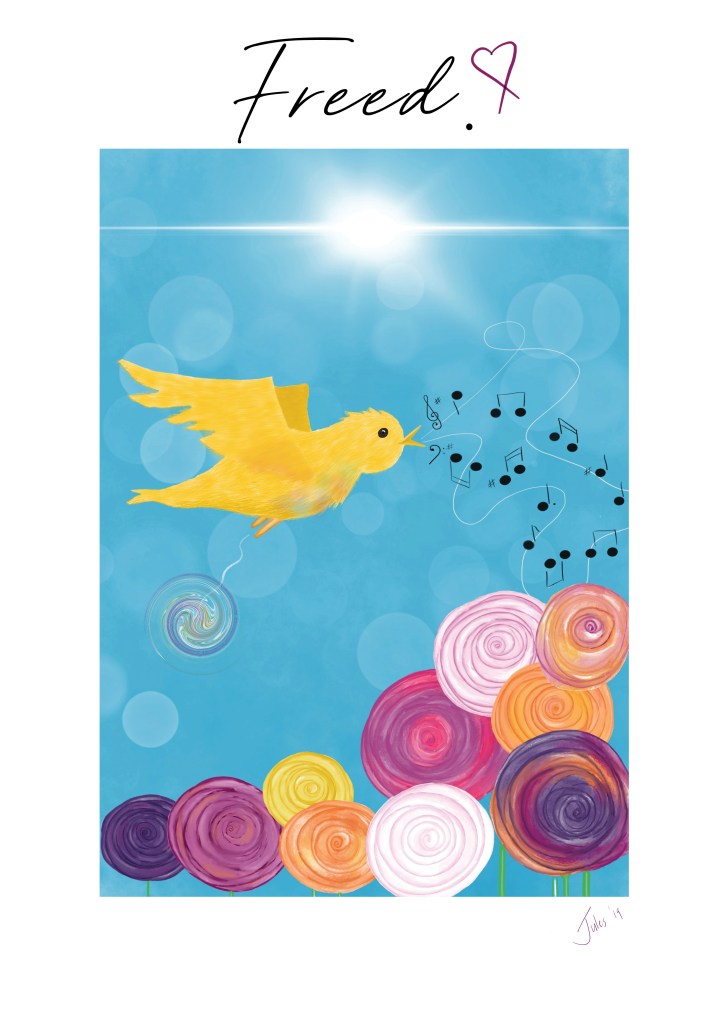
I feel like I have been freed.

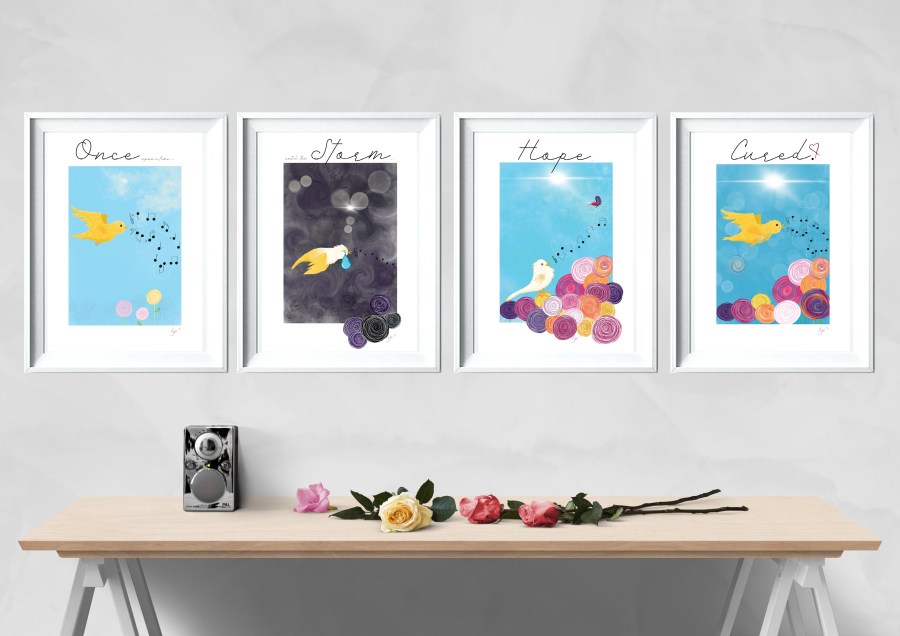
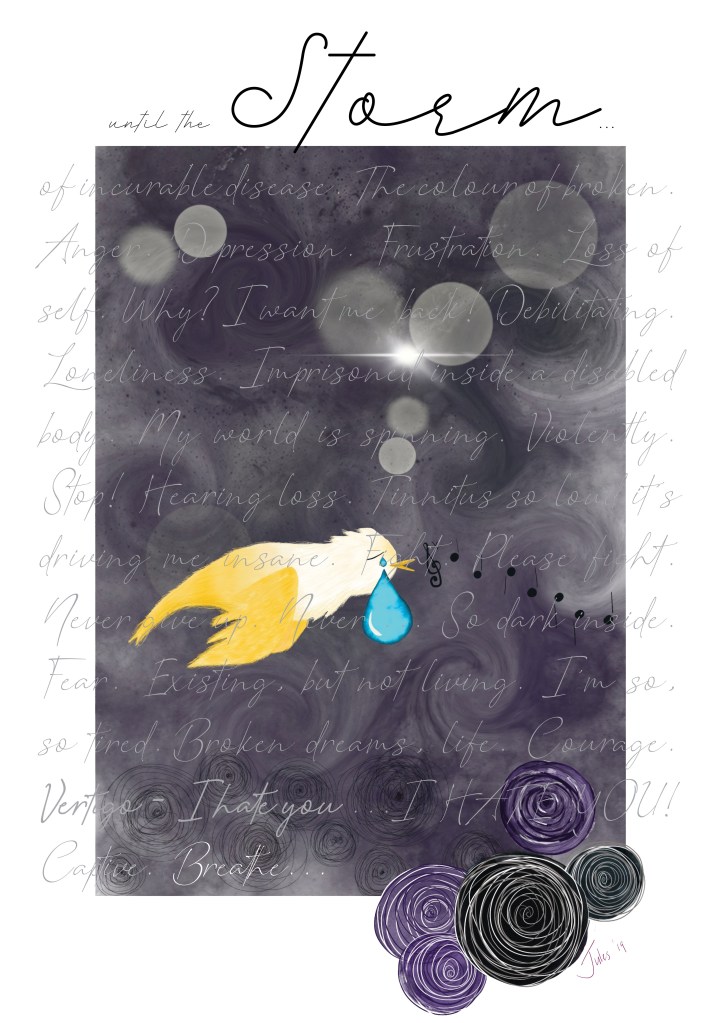
Art work by Julieann Wallace

I can’t write anymore today … I am too overwhelmed with emotion, and noise, and information. The world is so unbelievably noisy with a Cochlear Implant.

When the impossible becomes possible. I am so beyond thankful …

Next post … during activation xx

About this blog …

My Shadow, Meniere’s, is not just about the physical aspect of a Cochlear Implant – you can research about them online. I am sharing the human side of the journey towards a Cochlear Implant – feelings, appointments, the process, apprehensions, successes, highs and lows as I step into the next chapter of my Meniere’s journey.

I am mindful of those who also have incurable diseases or are walking the path of a diagnosis that is life changing. My blog never aims to undermine the severity of anyone else’s illness, disability or journey. We all deal with life with different tolerances, attitudes and thresholds.  ‘My Shadow -Meniere’s’ is my journey. It is my hope that it can help others with Meniere’s disease, or hearing loss, or simply when life has a plot twist.

I also acknowledge those before me, who have already had a Cochlear Implant. Your experiences, advice and suggestions are welcome.
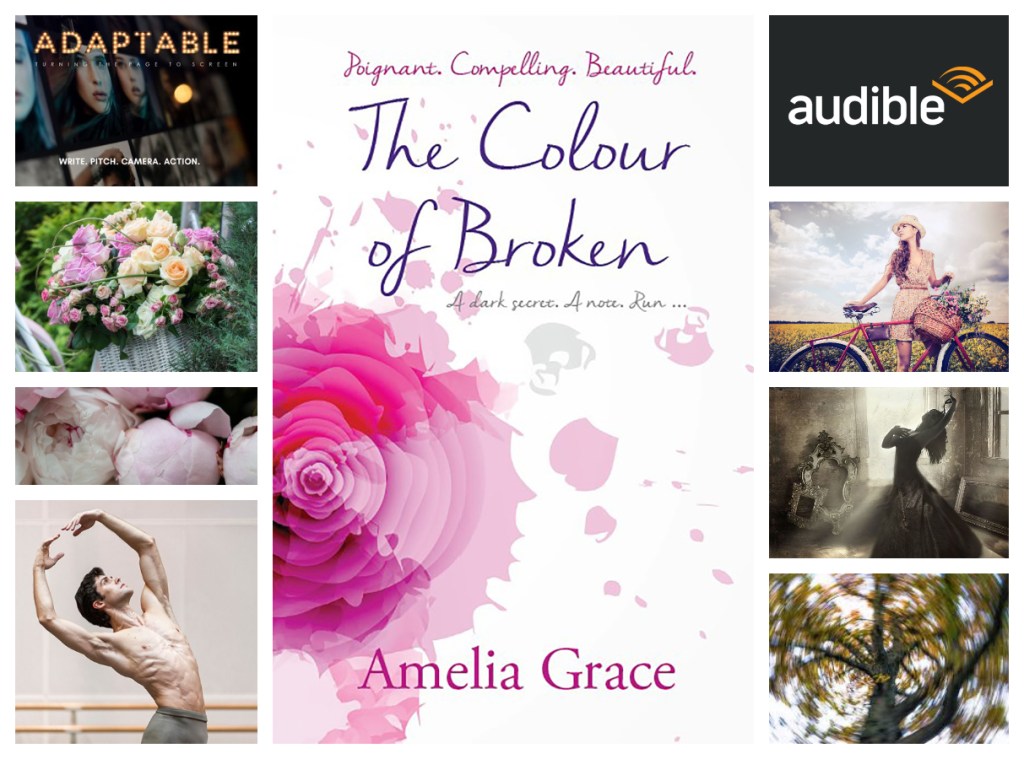
Meniere’s Journal – coming to Amazon soon.
Available for pre-order at https://www.lillypillypublishing.com/product-page/meniere-s-journey-pre-order

It Will Change Your Life #11

December 19th. Surgery day …

The birdsong of the new day wakes me. If I had been sleeping on my good ear, I would never had heard it.

I’m thankful for that precious moment. It’s been my survival mantra since battling the ferocious Meniere’s disease. Look for the small things that make me happy, no matter how small or insignificant to others. It’s been 24 years of Meniere’s disease now. And it’s been a helluva journey that had me on my knees pleading for mercy many times as I battled the violent, abhorrent vertigo that left me a shadow of myself, lost in the darkness of depression, trying to find me, my old happy, carefree, confident, successful self. Menierians know exactly what I am talking about.

I blink away my past. Today’s the day. The surgical step in regaining my hearing, I think to myself. There’s no turning back. Yesterday was proof, more than enough, that I need the Cochlear Implant.

I climb out of bed and walk to the window and look out. There is still smoke haze hanging about from the 100s of fires that have been burning, many of them lit by people who think lighting fires is a fun thing to do. How dare they? I shake my head. We desperately need rain.

I change my focus. I need to finish breakfast by 7:30am and then fast for surgery. Mentally, I tick off what I have already done for today:

* Organised my daughter to spend the day with her father (my husband), to make sure he is okay while I am having surgery. He gets a terrible look of worry on his face, filled with sorrow, when we talk about the possibility of me having vertigo again. It breaks my heart. It’s a stark reminder that Meniere’s has a powerful impact on those who are spectators to what we go through with this horrid disease.

* Organised for my mum to catch a lift with us to the hospital.

* Organised for my two sons to pick up my dad to come and visit me after the surgery.

* Laughed at the absurdity of all the organisation I must do to ensure that the wheels turn smoothly.

Time for me.

* Breakfast before 7:30, then fasting. Toast and tea and chocolate 😊

* Pack the overnight-stay bag for hospital.

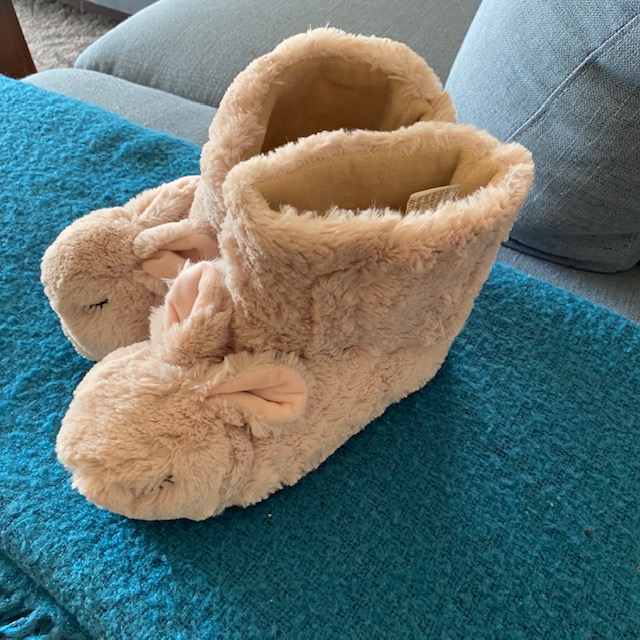
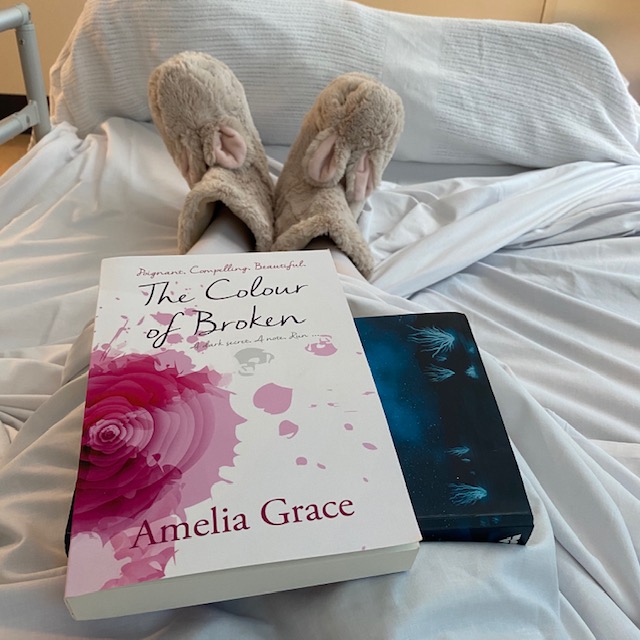
* Race to Target to buy some slippers for hospital. I have never owned any. I choose the bunny slippers because I have always wanted to have a rabbit as a pet. In Queensland, Australia, where I live, it’s a $63,000 fine if you are caught with a rabbit. This is the closest I can get.

* Double check paperwork.

I still for a moment. Vertigo. I have a terrifying fear that it would be awakened by the procedure. My shadow, Meniere’s, is dancing around me smiling. I raise an eyebrow at it and it stops.

The clock ticks over to 10am. It’s time to go. It’s time to start a new chapter in my Meniere’s journey.

I hug each of my sons and tell them that I love them. My eldest son tells me he loves me, and I hear it easily. My youngest son says something after I tell him I love him. In true Meniere’s deaf ear fashion, and one sided hearing, I can’t hear what he said and say my usual, ‘I didn’t hear you, can you say it again?’ and he says with more volume and clarity, ‘I love you, too.’ My heart melts.

I do a final swoop of the house. It is clean and tidy. Then walk to the front door.

My husband has my hospital backpack slung over his shoulder, and my daughter, her heart more beautiful than sunshine, stands beside him. They watch me, worry etched on their faces. I suck in a deep breath, controlling the deep emotion that tries to surface, not for me, but them. I don’t want them to worry.

‘I have an amazing feeling of peace. No anxiety at all,’ I tell them. And it’s the truth.

The front door closes with a feint click. It’s symbolic in a way. One door closes, another opens…

I walk to the car thinking, Anxiety, where are you? My shadow, Meniere’s, and me, are going in for surgery. Where have you gone? I can’t get over the feeling of peace that envelopes me. I decide to accept it and receive this gift from my faith, with a full and thankful heart.

Our car pulls into my parent’s house. Mum and Dad greet me with a smile. The universal language that puts you at ease.

‘Feeling nervous?’ my dad asks, making his hand shake for effect.

‘No. Not at all,’ I answer. Dad raises his eyebrows at me in disbelief.

‘I’m nervous for you,’ my mum chips in.

‘Good on you, Mum,’ I say, offering her a smile.

I hug Dad. Mum sits in the car, then me, and we are off. I’d love to listen to some music with my good ear in the car, but Mum chatters on. I’m guessing it’s her nervousness.

We arrive at the hospital and check in, then proceed to the surgery waiting lounge. Me and my family take a seat together, while my shadow, Meniere’s, bounces on the empty seats. I shake my head at it. I look for my friend, Anxiety, but he’s still not here.

It’s 11:30am. There’s quite a few adults and three children awaiting surgery, and a few of their partners and family members. I watch a man entertain his daughter with a Christmas Elf plush toy. I decide that he is more amused by what he is doing than his child. My shadow, Meniere’s, is sitting on the floor in front of him, watching.

At 12 pm, I’m called to a room by a nurse. She does the pre-op check – temperature, blood pressure, a million questions relating to my health. She tells me that my surgery is scheduled for 2pm, and I return to the waiting room.

At 1:15pm, my anaesthetist appears. I know what he looks like because I Googled his name a couple of weeks ago. My husband and I follow him to a room where we sit and wait for him to speak.

He greets me, talking loudly, over-pronouncing every word like I am totally deaf in both ears. I think of that annoyance profoundly deaf people have where normal hearing people think the person will hear better if they talk loudly.

I tell him I have one good ear and can hear him well. He smiles, and immediately his volume of voice returns to normal.

He asks me medical questions revolving around how I have reacted to anaesthetic with previous operations and takes notes, then I tell him that I have no anxiety about the surgery, and watch for his reaction, both facially and non-verbally with body movement. It still worries me that I’m so peaceful. I am an overthinker after all. I ask him if it is that a thing, like a phenomenon? Or, is there a psychological explanation for it?

He shakes his head and replies, ‘It’s good not to have anxiety.’

His last words before we exit the room are, ‘Don’t worry. I’ll look after you, I promise.’

We return to the waiting room. I keep looking at my watch, wondering when I will be called in for surgery preparation. It’s getting closer to the 2pm surgery time.

At 1:45pm, I am greeted by another nurse. It’s time to go. I hand out hugs and kisses to my husband, daughter and mother, then disappear, following the nurse to yet another room, where she asks me what my name is and my date of birth. She gives me a medical bracelet and cross checks the ID number on it with my paperwork. She shows me the change room, where I am to change into the hospital gown, including covered bare feet and a hospital robe. Once I am dressed, she places tight stockings on my lower legs to prevent blood clots during and after surgery. Then I’m led to a very comfortable recliner chair in another waiting room with a television, where she places a warm blanket over me.

And I wait. But it’s a good time for reflection. I think back to the posts from the Cochlear Implant Experiences Facebook group I joined four weeks prior. The discussions and support of other members on there and what I have learned from them has been invaluable.

It is 2:10pm, and I watch other patients come and go. I watch the television, which has closed captioning, then decide to close my eyes for a bit. I hear my name, and I follow another nurse to have a heart trace done (ECG) before returning to the waiting room. Finally, a theatre nurse calls my name, and I follow her to a hospital gurney that will take me to surgery. I don my surgery cap, hair tucked in. I listen to the nurses chatter about holidays they are taking, then my gurney is wheeled to a holding bay. The theatre nurse tells me they need to change around the operating theatre because they will be working on my left ear. She disappears.

My surgeon enters my holding bay with a smile. He approaches me on my left side, then quickly moves to my right side. ‘You will hear me better on this side,’ he says. I love him already.

‘I need to draw on you to make sure I implant the correct ear. Tell me what surgery you are having done?’ he says. It’s a question I have answered many times already, as well as my full name and date of birth. Surgery protocol.

‘I’m having a cochlear implant in my left ear,’ I answer.

He nods and smiles, then leans over and draws on the left side of my neck, just below my left ear. ‘See you soon,’ he says, and bounces out of the room with too much energy.

Five minutes later, my theatre nurse is back, and we are travelling the halls of the operating theatres. We enter the surgery room, and I gaze around, taking it all in. I see my surgeon studying my MRI, arms folded. He turns and smiles at me. The nurse lines up the gurney to the operating table, and I shuffle over to it, then lie down, ensuring that I am in the middle of the narrow table.

I am surrounded by the anaesthetist, a theatre nurse and my surgeon.

The nurse asks, ‘What is the name of your surgeon, and what is your full name and date of birth?’

As I say my surgeon’s name I look at him. He nods his head and his brown eyes show that he is smiling. I answer the rest of the question and the nurse checks my bracelet ID number to my name.

‘What procedure are you having done today?’ she asks.

‘I am having a cochlear implant in my left ear,’ I say. They all nod.

 And then the movement begins. The anaesthetist straightens my right arm on positions it on a support board that juts out from the operating table, then places a tourniquet around my upper arm. He taps my lower arm a couple of times and inserts a cannular. Within 30 seconds I feel myself getting sleepy. The last words I hear are, ‘Take a deep breath,’ as the anaesthetist places the mask over my face…

I wake in recovery to the sound of my name being called. I open my eyes and become troubled by what I see. My biggest fear was waking to vertigo, and then having vertigo for days or weeks after surgery.

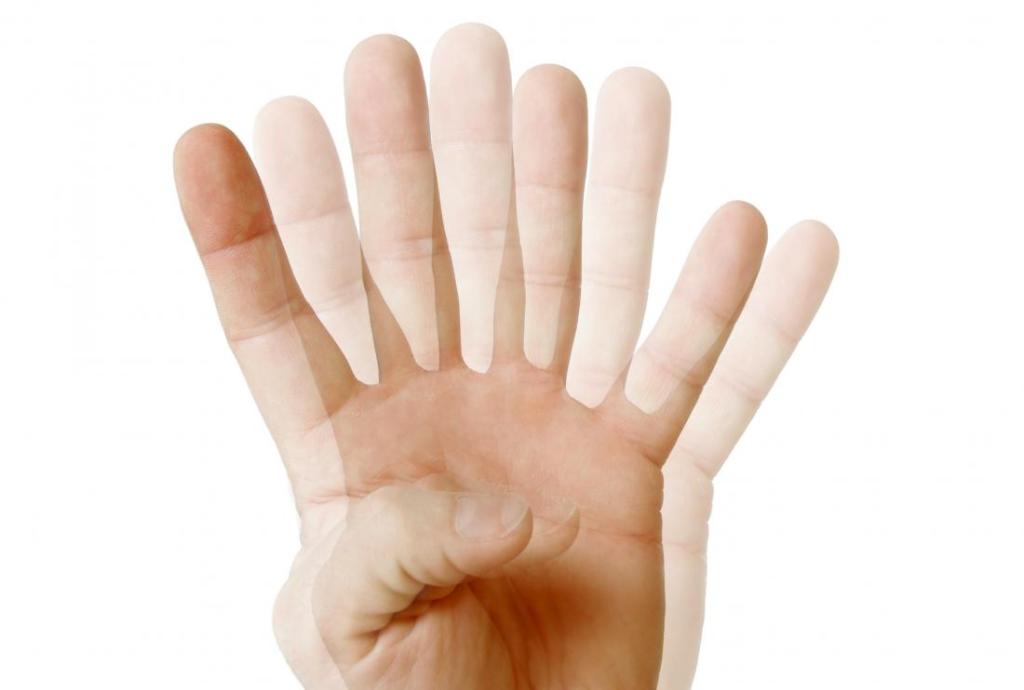
‘I have double vision,’ I say to the nurse, then close my eyes. This isn’t right, I think. Nowhere in my copious amounts of study and research was double vision mentioned. 

I open my eyes again, and the double vision corrects itself. I feel my body relax after a small moment of panic.

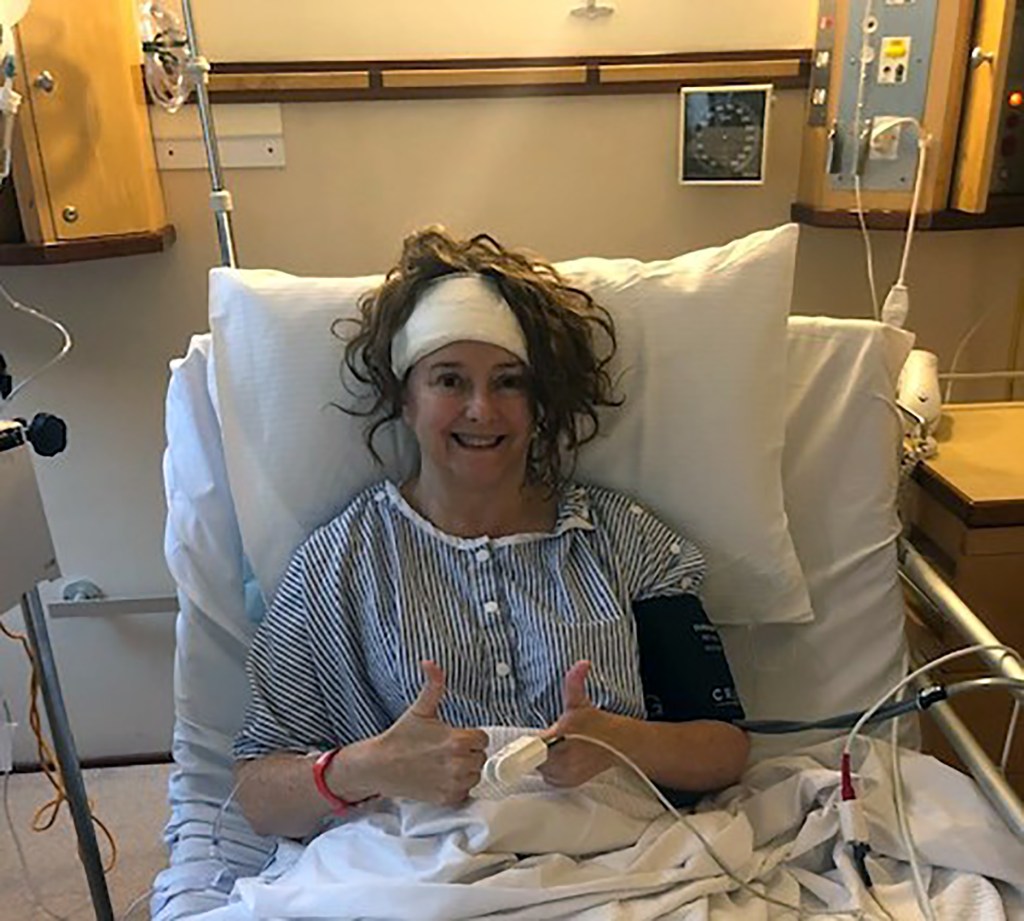
The nurse checks my temperature, blood pressure, oxygen level and heart rate. I keep my eyes open, focussing on any sign of vertigo. None. I then become aware of a tight bandage around my head, over my ear. I have no pain, which, I assume is due to any pain medication given while I was unconscious.

In the next moment, my hospital gurney is moving. I’m being taken to my room for the overnight stay.

As soon as the hospital bed is in position in the room, I look up to see my husband entering, worry painting his face like a fractured mirror. I smile at him, and instantly his worry vanishes, like it has evaporated into thin air.

The nurse fusses about, conducting her observations, recording everything she needs to, and asks if I have any pain, which I don’t. My heart rate is sitting at around 58 beats per minute, but that is normal for me.

Then my mum and daughter arrive. My mum smiles slowly, while Claire eyes me warily. She has seen me with too many tears in her lifetime. I smile at them to put them at ease, but I know they are worried, as their furrowed eyebrows plead for answers to unasked questions.

‘I did it,’ I say. ‘No pain at all. I woke up with double vision. But that’s all good now.’ I touch the bandage around my head.

‘Nice head band,’ my daughter says with a smirk. I grin back at her. She has a way with humour that we both understand. My husband and three children have learned to deal with my Meniere’s monster with humour to make me laugh. It’s the only way for us all to cope as they watch me fall apart in front of their eyes. They are brave. And observant. And beautiful. This humour from my incurable disease is a bond that holds us together as they gather around me to hold me up from falling in a heap. 

I look up as my two sons and my father enter the room. Well done, boys, I think, Grampy would have loved spending time with you in the car.

Amongst the chatter and explanations and assuring them that I am fine, I discover a tray full of food – chicken soup, a meat dish, vegetables and mashed potato, cake, tea, milk and two bottles of water. Yay! I’m starving! I eat happily, my family tasting this and that as well. The nurse walks in for observations and tells me the surgeon was very happy with the operation. He x-rayed the position of the placement of electrodes while I will still under the general anaesthetic, and that he will be in tomorrow morning to remove the bandages.

After my family leave, I settle in for some much-needed sleep amongst the hospital alarms and beeps.

Still no pain at the surgery site.

Friday 7am…

My surgeon enters the room with a calming presence.

‘How are you?’ he asks. His gaze is focussed on my face, waiting for my answer.

‘Great,’ I say. ‘No pain. Did you give me any pain medication during surgery or after?’

He shakes his head.

‘I’ve had no vertigo. Just double vision when I woke in recovery. Are you happy with the surgery?’

‘Very,’ he says. ‘I managed to get the electrodes all the way into your cochlear.’

My eyes widen. I remember the Cochlear Audiologist telling me that sometimes the surgeon can only get the electrodes partially into the cochlear. ‘Wow,’ I say. I can’t believe it.

He walks to the basin and washes his hands, and takes some scissors from a tray, then walks around to the right side of my bed. ‘Let’s take the bandage off and see how it looks. I’ll have to ruin your great hair style,’ he jokes. He uses the surgical scissors and cuts through the bandage and studies the incision site. ‘Looks good. Sleep sitting up for a few days and don’t wash your hair. No heavy lifting or sneezing. I’ll see you on Monday at 10:45am. Any questions?’

‘Aaah – no. Just … thank you for looking after me.’

He gives me a nod and a smile. ‘Take is easy, and I’ll see you Monday.’

10am

My husband arrives. He hands me a copy of my own novel that has a main character with Meniere’s disease. It’s a gift to the nursing staff. And a gift for those with Meniere’s disease. It will help the nursing staff understand what Meniere’s is really like – physically, socially, emotionally, psychologically. We need to find a cure! I sign it for them.

After final observations and cannula removal, I am discharged from the hospital. I am in disbelief at how good I feel. And I am soooo thankful, with a heart overflowing with gratitude – my faith, my medical specialists, the nurses, my family – it takes a village.

Life is good. The light shines more brightly when you have struggled through the darkest of dark storms.

Art work by Julieann Wallace 2019

There is always hope.

Art work by Julieann Wallace 2019

Next blog. Happy New Ear! Cochlear Implant activation …

About this blog …

My Shadow, Meniere’s, is not just about the physical aspect of a Cochlear Implant – you can research about them online. I am sharing the human side of the journey towards a Cochlear Implant – feelings, appointments, the process, apprehensions, successes, highs and lows as I step into the next chapter of my Meniere’s journey.

I am mindful of those who also have incurable diseases or are walking the path of a diagnosis that is life changing. My blog never aims to undermine the severity of anyone else’s illness, disability or journey. We all deal with life with different tolerances, attitudes and thresholds.  ‘My Shadow -Meniere’s’ is my journey. It is my hope that it can help others with Meniere’s disease, or hearing loss, or simply when life has a plot twist.

I also acknowledge those before me, who have already had a Cochlear Implant. Your experiences, advice and suggestions are welcome.
It Will Change Your Life #10

December 16th. Three days before the Cochlear Implant surgery…

I am engulfed by the feeling of peace. It is flowing through me, around me.

I should be happy. But this sense, three days away from my Cochlear Implant surgery worries me. It confuses me. Where has my friend, Anxiety, gone? My shadow, Meniere’s, looks at me and shrugs.

Some people say anxiety is an illness. A mental health condition. A disorder. A disability. But I have never seen it that way. Anxiety, for me, is a super ability. It allows me to look at a situation, and see every possible scenario where something could go wrong, and allows me to have a plan in place in my head to react if something does go wrong. Even when it is paralysing and jumps out of nowhere while you try to work out what triggered it, going through the motions of a panic attack. It can be so irrational.  

In fact, I feel so peaceful, that the reality that I am having surgery to insert bionics into my head does not phase me at all. It’s surreal, like a dream that will not happen. It’s no threat to my being. However, it is so disturbing, that again I am questioning whether I should be getting a Cochlear Implant. I’m okay with hearing with one ear, aren’t I? I don’t in fact need a Cochlear Implant. My life is floating along on calm waters …

What has changed?

In the middle of the year I was hit with the truth that I was losing hearing in my good ear. I had been living in denial of the results of a hearing test two years prior. I was struggling to hear students at school, and constantly on high alert using my vision to pick up on any nuances, facial expressions, non-verbal behaviours that would tell me that I had misheard and misunderstood. This combination sent me into a downward spiral with a decision made in an instant to get a cochlear implant, so that I have some sort of hearing in my future.

But now, I am on school holidays. I happily disappear into my imagination all the time where I never have to rely on my hearing. I am having one-on-one conversations with my family, facing them, and their voices are not competing with background noise.

Life is good.

December 18th. One day before the Cochlear Implant surgery…

I leave the house with a bounce in my step, my shadow, Meniere’s, follows close behind. I am meeting two dear friends for lunch.

The moment we see each other we smile. The universal language that puts you at ease. I sit at a rectangular table, a friend on either side with me. My shadow, Meniere’s, sits opposite me with a smirk on his face, knowing that I have sat in the wrong place, and I won’t be able to hear my friend on the left. I glare at my shadow, Meniere’s. He is not always right!

After 5 minutes, I ask my friend on my left to change seats with me so I can hear better. As I stand, I scowl at my shadow, Meniere’s. He is always right. And I am always stubborn.

Halfway through our lunch, I sit back. I have mental fatigue from trying to hear our conversations, from reading facial cues, lips, and gestures, but not well enough the hear the conversation with 100% confidence. My friend’s voices are in competition with loud background noise, and my even louder tinnitus. Two times, a waiter has appeared on my left, and I had no idea that he was standing there asking me a question. By the third time, my friend told me he was approaching so I was aware.

I feel like I am on the outside. A spectator. I withdraw inside myself a little and sigh, but stay actively engaged in what conversation I can hear, and join the conversation only when I am 100% confident I have understood what they are talking about. There is no doubt. I do need a cochlear implant. Without it, I will continue on the spiral to being a social recluse, watching life go by.

Thank goodness for the perfect timing of friends. Without that lunch with my two dear friends, I would have been left forever wondering whether getting a Cochlear Implant was the right thing to do.

Next … surgery day.

About this blog …

My Shadow, Meniere’s, is not just about the physical aspect of a Cochlear Implant – you can research about them online. I am sharing the human side of the journey towards a Cochlear Implant – feelings, appointments, the process, apprehensions, successes, highs and lows as I step into the next chapter of my Meniere’s journey.

I am mindful of those who also have incurable diseases or are walking the path of a diagnosis that is life changing. My blog never aims to undermine the severity of anyone else’s illness, disability or journey. We all deal with life with different tolerances, attitudes and thresholds.  ‘My Shadow -Meniere’s’ is my journey. It is my hope that it can help others with Meniere’s disease, or hearing loss, or simply when life has a plot twist.

I also acknowledge those before me, who have already had a Cochlear Implant. Your experiences, advice and suggestions are welcome.

Artwork by Julieann Wallace