It Will Change Your Life # 5

November 5th 2019 – the Surgeon.

Life with an invisible illness is an interesting voyage. People cannot see what you are going through, what you suffer- physically, emotionally, psychologically, socially –  your invisible scars – so it’s hard for others to empathize.

People would often say to me, ‘Your life has been so easy. Everything just falls into place. Good things always happen to you. You’re always smiling.’ It used to frustrate me. They had no idea what I was going through. They had no idea I worked hard to be where I was in my career, my family, my three children. Nothing ever “fell into place”. It was earned.

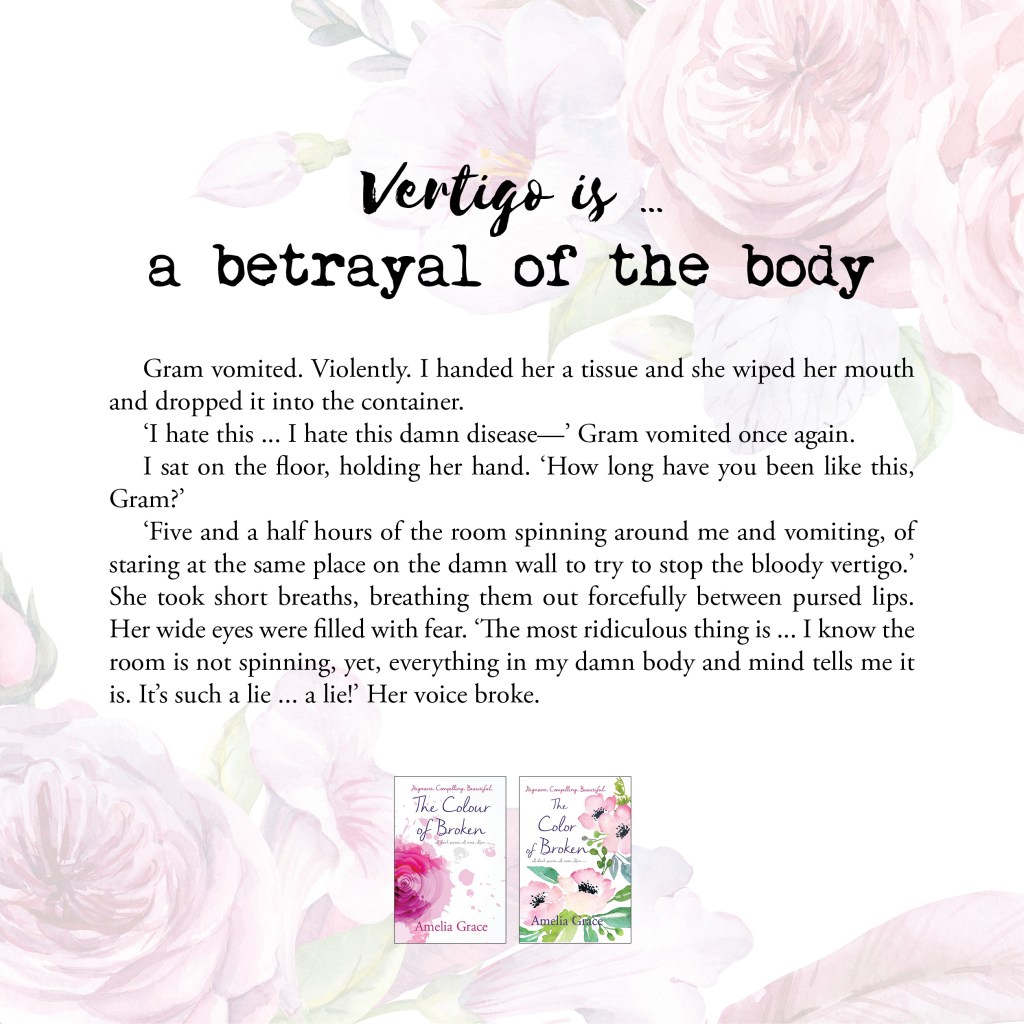
During the hardest time of my Meniere’s disease, I was in very deep and dark depression that I couldn’t climb out of. Yet, I kept smiling. It was easier that way. I would patch up the cracks in my mask before I put it on and met with others. If I could meet others … if my shadow, Meniere’s, hadn’t imprisoned me for five hours of violent, debilitating spinning that would land me in hospital at times.

In hindsight, I’m glad my illness is invisible. It makes it easier to pretend that I am okay. I don’t have people avoiding me like I have a contagious condition. I don’t have people looking at me with well-meaning concern, or that “pity” look. I hate the pity look. I don’t have people devaluing the severity of my symptoms, like:

‘It’s okay, dear, we all get dizzy sometimes.’

‘Oh, I have tinnitus too. It’s so common. When it’s really quiet, I can hear a little “sssssssssss”. You’ll be fine!’

My friend had Meniere’s disease – he got a bit faint sometimes. He went to the doctor and is cured.’

Meniere’s disease. No cause. No cure. Yet.

Good things are coming. I know it. I follow the research.

My Cochlear Surgeon is younger than me, as my ENT had said.

I follow the surgeon into his office, my shadow, Meniere’s, behind me, then my husband, and anxiety far behind. The more I know about the Cochlear Implant the less anxious I feel. And I am so thankful to hundreds of people with Cochlear Implants who have reached out to me. The world is a wonderful place.

The surgeon tells me that my ENT believes my Meniere’s disease has “burnt out”.

“Burnt out”. There’s those two words that float around in Meniere’s groups.

According to menieres-disease.co.uk, “the term ‘burn out’ is frequently used to describe Meniere’s as though it is the end of the line, that it has finished. However, it really means that the vertigo attacks have disappeared as the vestibular function has now been destroyed. The disease continues to progress as hearing is completely lost, tinnitus and fullness will continue even after burn out.”

‘Hmmm … I’m not so sure that it has burned out. I still get little mini spins at times,’ I say. And it’s definitely not BPPV.

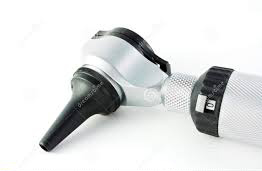
I am questioned about the history of my Meniere’s, then the surgeon asks me to sit on a stool so he can look inside my ears.     
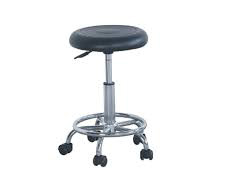
‘Spin to your left,’ he says.

‘Spin?’ I say with a smirk, referring to the spinning of vertigo, then swivel the chair to the left, slowly.

Turn to your left,’ he says, smiling. Ah – he has a sense of humour. Good. He uses the auriscope to look inside my ear canal.

Turn … to your right,’ he says with a smile in his voice. I swivel the chair to the right, slowly, and he checks inside my ear canal.
The remainder of the appointment flows with quick succession:

Surgery date: 19 December. Overnight stay. $25, 000 Cochlear Implant cost covered by the health fund. Any questions?

I take a deep breath. ‘Will my vertigo return?’

He considers my question, then says, ‘I don’t expect it to, but there are no guarantees. For Meniere’s patients who still have some balance cells left, I usually wash out the inner ear with gentamicin while I am in there as an insurance that they will not have vertigo anymore, but since you have been so good for quite a while without vertigo, I won’t do that, in case it upsets anything.’

I nod, feeling a little numb. There is still no certainty that my vertigo will not return. How can it be burnt out if the vertigo returns? My shadow, Meniere’s, crosses its arms and grins.

Before I leave, the surgeon gives me a form for an MRI and CT Scan, and tells me I need balance rehabilitation before I have surgery, and to continue afterward. I raise my eyebrows and nod. I have never had balance rehabilitation; I just relearned my balance to walk by myself after the gentamicin was injected into my middle ear in 2004.  

I leave the surgeon’s office. Anxiety is waiting.

Next – MRI and CT SCAN
About this blog …

My Shadow, Meniere’s, is not just about the physical aspect of a Cochlear Implant – you can research about them online. I am sharing the human side of the journey towards a Cochlear Implant – feelings, appointments, the process, apprehensions, successes, highs and lows as I step into the next chapter of my Meniere’s journey.

I am mindful of those who also have incurable diseases or are walking the path of a diagnosis that is life changing. My blog never aims to undermine the severity of anyone else’s illness, disability or journey. We all deal with life with different tolerances, attitudes and thresholds.  ‘My Shadow -Meniere’s’ is my journey. It is my hope that it can help others with Meniere’s disease, or hearing loss, or simply when life has a plot twist.

I also acknowledge those before me, who have already had a Cochlear Implant. Your experiences, advice and suggestions are welcome.


It Will Change Your Life #2

Monday 21.10.19 continued …

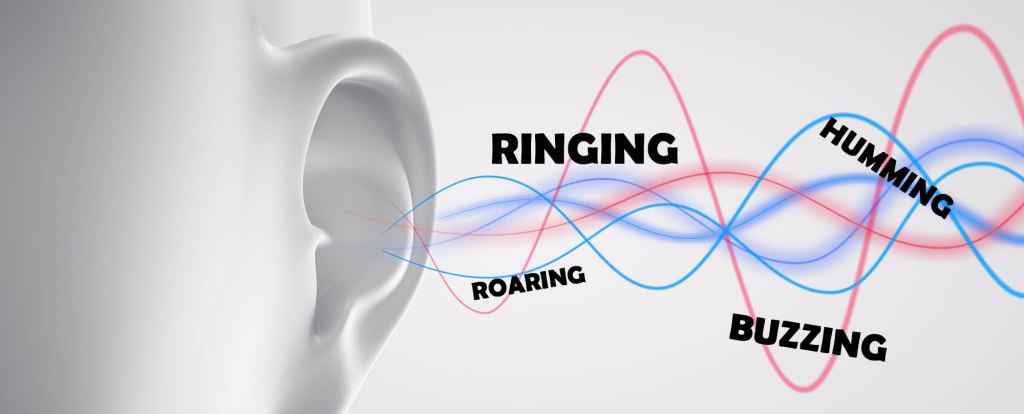
My own silence is smothering me. The journey to the Cochlear audiologist in the city is forty minutes long. Forty minutes of staring out the window. Looking but not seeing. Forty minutes of mixed feelings and questions ruminating inside me, alongside anxiety, and the five impossibly loud noises of tinnitus that never leave me. I can never have inner silence. Ever.

psdesign1

I turn my head towards my husband. My ENT shakes his hand each time we visit him, and he fills him with kind words about sticking by me through my Meniere’s journey. ‘Most men would have left their wives by now,’ he says.

I focus on his facial scars from a recent surgery to remove two skin cancers from the bridge of his nose (a Basal cell carcinoma and Squamous cell carcinoma). Sixty-eight stitches. ‘There goes my modelling career,’ he joked with the plastic surgeon. We all laughed. Our fabulous Australian sun loves us too much. At least the cancers are removed now. He’ll get on with this life after this slight hiccup like nothing even happened. It’s not as if he has a debilitating condition that stops him from enjoying life, I think. My stomach drops. I berate myself for not being sympathetic to what he has been through, and guilt hits me like a freight train.

Disappointed with myself, I look back to the road before us, the movement of cars making me nauseous. I hate Meniere’s disease. When will it end? Meniere’s for life. Like a prison sentence. Wherever I go, Meniere’s goes. My shadow, always present. Lurking.   

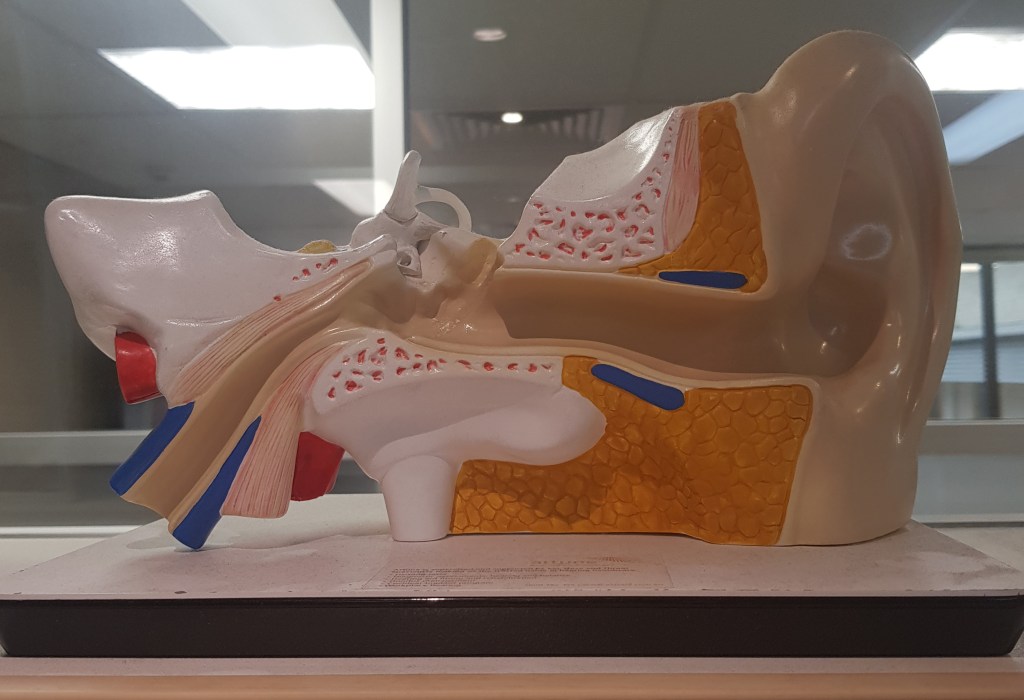
The first thing I see at the hearing centre is a ginormous ear. Yep. I’m at the right place! 

An audiologist enters the reception area and calls me to follow him. We go into a soundproof room and he introduces himself and then asks me, ‘Your Meniere’s started in which year?’

‘My left ear,’ I answer.

‘Uh – huh. Which … year … did it start?’ He repeats.

I burst out laughing at my mishearing. Welcome to my life. He doesn’t laugh like me. I’m guessing he has heard it all before. I am having my hearing tested for hear loss after all. Mis-hearing is nothing new to him. ‘It started in 1995,’ I answer in a serious voice.  

He asks more general questions, and at the end of his questioning, I say – just for general information, ‘I know that research shows no cause and no cure for Meniere’s, but I believe my Meniere’s is caused by being hit on the side of my head, close to my left ear, by a softball when I was sixteen.’

The audiologist leans back in his chair and folds his arms.

Uh-oh…  

He takes a deep breath. ‘Meniere’s disease is an inflammation of the endolymphatic sac and—’

‘I know, in detail, what happens in the inner ear with Meniere’s. I have been researching about it for 24 long years and was invited to the Meniere’s Symposium in Sydney last year (https://healthyhearing.com.au/menieres-disease-research-symposium/) and have heard about and seen images of the physiology of what happens during a vertigo attack.’ I had cut him off. I feel bad. He assumed I had no idea I knew anything about my disease, as one would. He should have asked first. All of us Menierians search for the exact moment that might have changed our lives, and research the disease itself. We talk to each other. We know A LOT of stuff about our disease.

He gives me a nod and says no more on the subject.

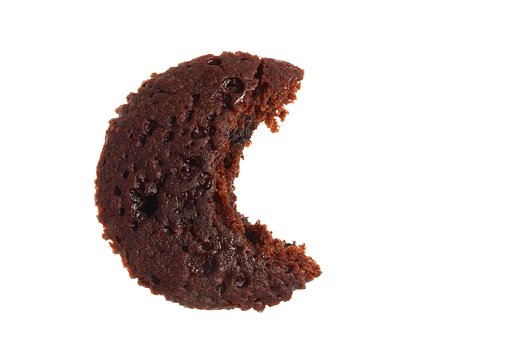
I add, ‘I had a hearing test a couple of years ago and it showed that I have cookie bite hearing loss (https://www.hearingdirect.com/au/blog/what-is-cookie-bite-hearing-loss.html ). It’s genetic on my father’s side. That’s why I would like to get a cochlear implant, so at least I have some hearing in the future.’

He gives me a nod again. ‘Okay. Let’s start the hearing test.’

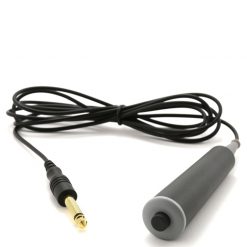
He sets me up with the earphones, beeper, gives me the usual hearing test instructions then sits at his desk of hearing test gear. He gives a negative sigh and I wonder if he likes his job. We begin on my ‘good’ ear first, and I push the button each time I hear a beep, trying to ignore the terribly loud tinnitus in my left ear. Some tones I guess because I don’t know if it is the tinnitus sound or the beep, so I just push the button anyway.

My Meniere’s ear is next. I cannot hear the beginning of the beep at any time, but towards the finish of the testing, at times I hear the end of the beep, I think, so I press the button. I get excited when I can hear some high tones. I can hear! My heart smiles.

The testing continues. By the end, I have sat through these hearing tests:

1. pure tone audiometry, which tests how loud different sounds need to be for you to hear them

2. air conduction, which measures whether you can hear different tones played through headphones

3. bone conduction, which measures how well your cochlea picks up vibrations

4. tympanometry, which isn’t a hearing test, but a check of your eardrum

When the audiologist is finished, I sit in silence and wait on his results, still buzzing from the fact that I could hear some high tones in my Meniere’s ear. It’s a good day 😊

He looks up from the audiometric graph and pulls a face. I interpret it as a good result. I can hear in my Meniere’s ear, when I thought I was profoundly deaf. That’s what he is about to tell me…

‘You don’t have cookie bite hearing loss,’ he says. ‘Your right ear is fine, except you can’t hear the high sounds above our normal hearing range, which people with normal hearing can on our tests. Your Meniere’s ear is what we call, “dead”.’

I am surprised and happy. I don’t have cookie bite hearing loss? How did the testing show cookie bite hearing loss two years ago, but not now? I’ll take it as a win for my good ear.

Then my heart sinks. Weirdly I feel sorry for my left ear. The audiologist called it ‘dead’.

I touch my ear without thinking. Like consoling it. It’s like he has hurt its feelings. I blink.

The audiologist continues, ‘We do cochlear implants for one-sided hearing loss like yours. You have zero speech discrimination, so a cochlear implant will help you. Are you seeing Jane, the cochlear implant assessor, after this test?’

‘No. That’s Monday.’ I nod. Anxiety raises its head.

He gives me a smile. ‘Right. Let’s optimize your cros hearing aids.’

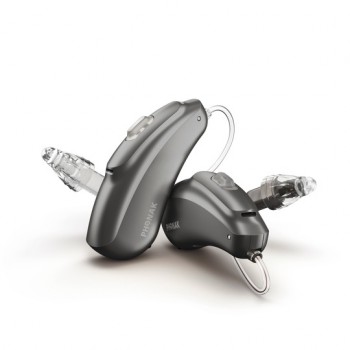
I follow him to another room overlooking the city. He cleans my Phonak Cros hearing aids that I love. I wear two – the left one sends the sound to the right hearing aid, so I can hear sound on my left side. The audiologist tells me the best place for prices to get replacement filters and batteries. Then he places them into my ears, puts an analysing device on my shoulders, and connects it all to the computer. He adds my latest hearing results to the program, and just like that, the computer system optimizes my Cros hearing technology. Brilliant.

I walk out of the audiologist’s rooms happier than I entered. I don’t have the genetic cookie bite hearing loss that affects only the girls on my dad’s side of the family, like my aunty and her three daughters. I’d add a happy skip, but I’d lose my balance and fall over. My shadow, Meniere’s, chuckles at me.

The next appointment – assessment for a cochlear…

Artwork and words by Julieann Wallace

About this blog …

It’s not just about the physical aspect of a Cochlear Implant – you can research them online. I am sharing the other side of the journey towards a Cochlear Implant –  my feelings, my appointments, the process, apprehensions, successes and failures as I step into the next chapter of my Meniere’s journey.

I am mindful of those who also have incurable diseases or are walking of the path of a diagnosis that is life changing. My blog never aims to undermine the severity of anyone else’s illness, disability or journey. We all deal with life with different tolerances, attitudes and thresholds.  ‘My Shadow -Meniere’s’ is my journey. It is my hope that it can help others with Meniere’s disease, or hearing loss.