Welcome to Our Table – Meniere’s Low-Sodium Cookbook – the Art of Flavour

2025.

Here we are,  unbelievably at the end of another lap around the sun. And I’m quietly filled with hope as Meniere’s research, globally, is uncovering pieces to the puzzle to stop the ‘dizzy terror’.

We’re not quite there yet for a cure, or successful treatments that don’t involve choosing invasive procedures to kill off balance cells to stop the vertigo etc, but after having Meniere’s disease since 1995, and seeing the increase in treatment options over the 30 years, and the new research coming out, I am quietly expectant.

New research led by Professor Jose Antonio Lopez Escamez at the University of Sydney and the Kolling Institute shows that Meniere’s is not a single condition – the symptoms may all be similar but the causes are varied, and identifiable. His painstaking work has uncovered that up to 40% of patients may have a genetic origin for their Meniere’s whilst the other 60% have some kind of immune system problem. Amongst the immune subgroup, there are 3 additional distinct categories, all identifiable via blood tests – auto-immune, allergic inflammation or auto-inflammation.

But while we patiently wait for our individualised treatments, we still need to try to control factors that may set off our vertigo, tinnitus, hearing loss, brain fog, etc. And one way to do that is with a low-sodium diet. That is, if salt is a trigger for you. And it is for me. Usually, if I have a food with high sodium content, the very next day my tinnitus has ramped up it’s volume telling me that it is still here. If I did still get vertigo (an injection of gentamicin into my middle ear stopped that in 2004) I would have a vertigo attack.

And so this to help. Hot off the press – a low-sodium cookbook. Collated by me (Meniere’s since 1995), Sally Edsall (Meniere’s since 2016), Kim Dean (Meniere’s since 2010), Phillip Stephanou (Meniere’s), Anne Elias (Meniere’s since 2015), and Low Sodium Foods Australia, and the Meniere’s community, for people with Meniere’s, with profits donated to research. Published by Lilly Pilly Publishing.

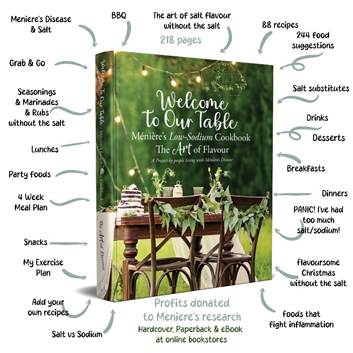
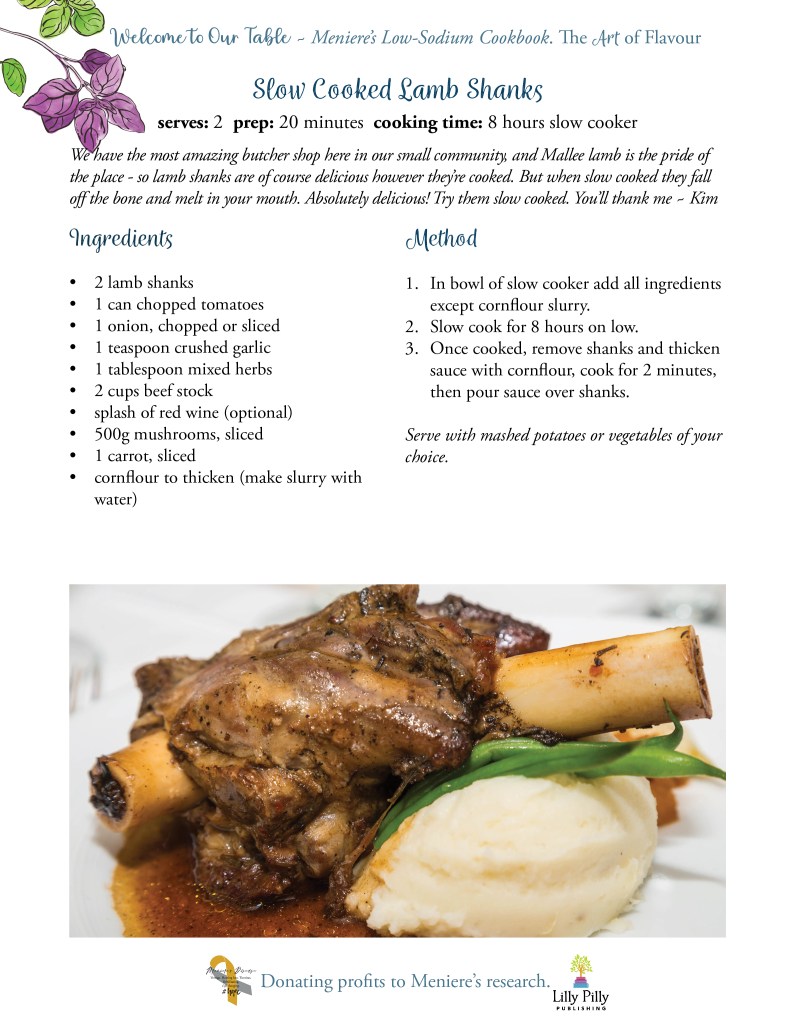
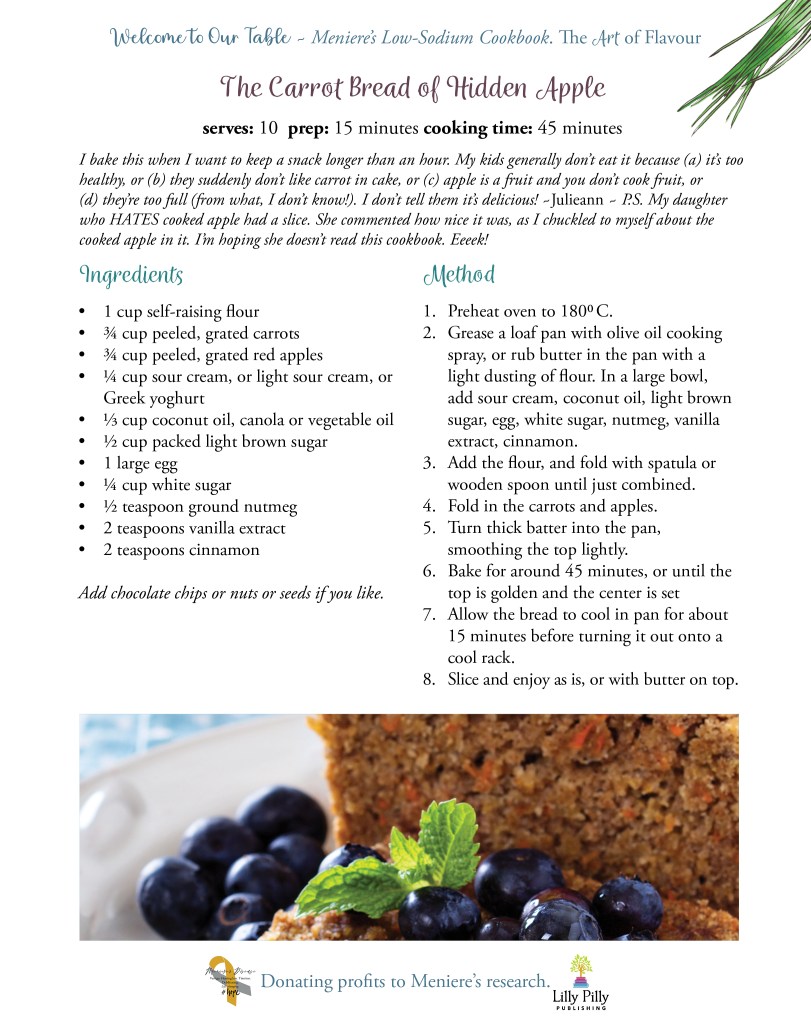
It’s a most comprehensive and valuable low-sodium cookbook. 218 pages. 88 recipes. 244 food suggestions that feel like you are sitting around a table with Menierians causally chatting about food.

Let’s have a look at it.

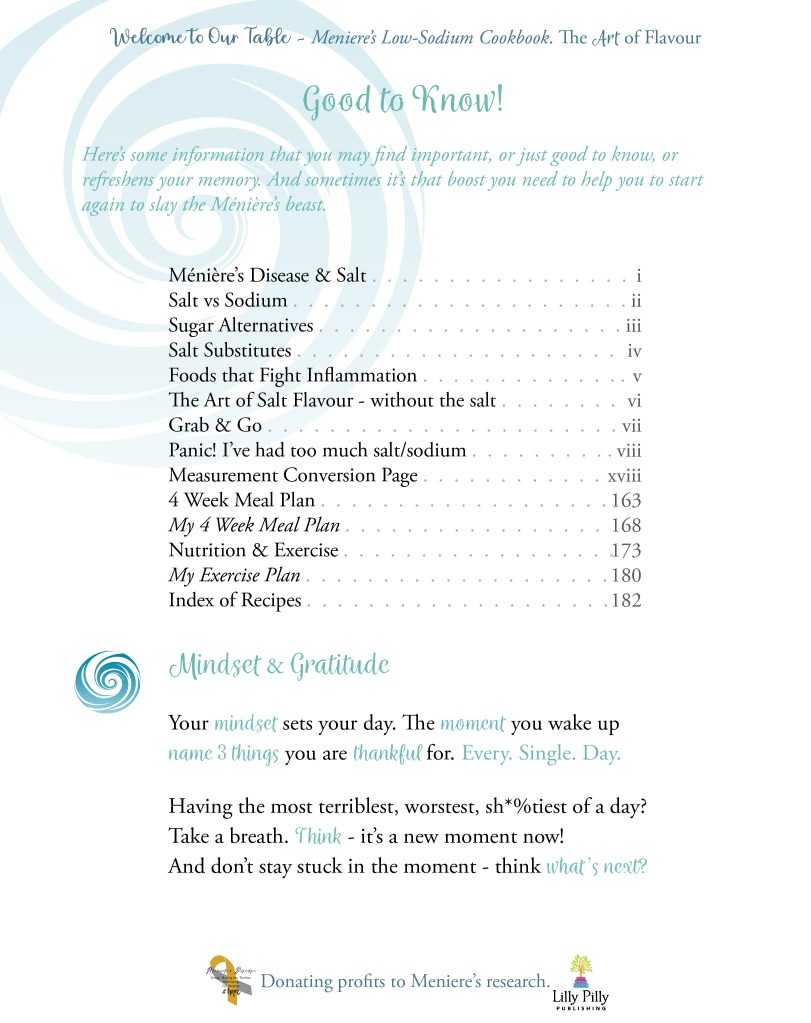
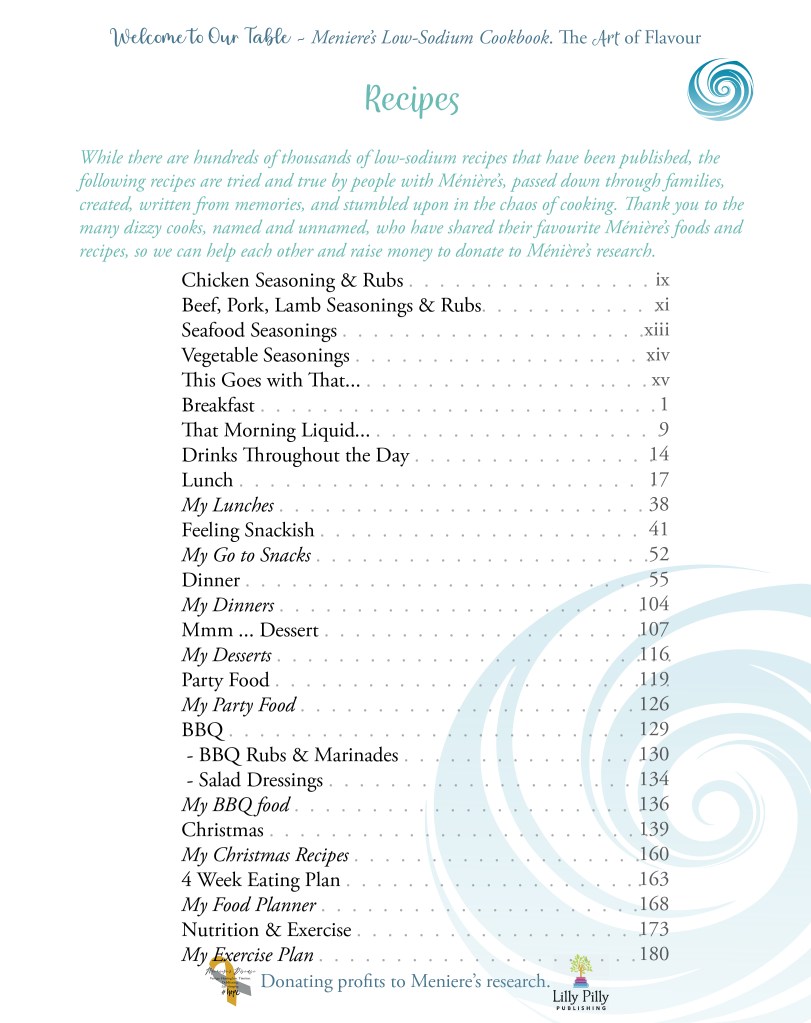
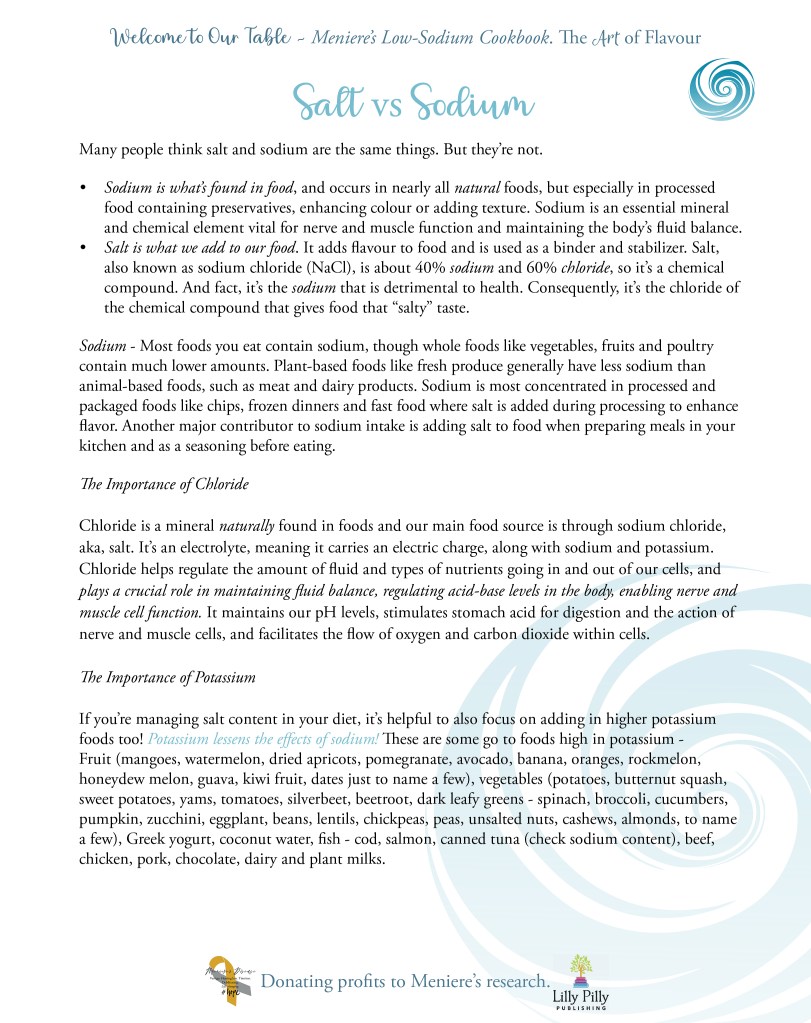
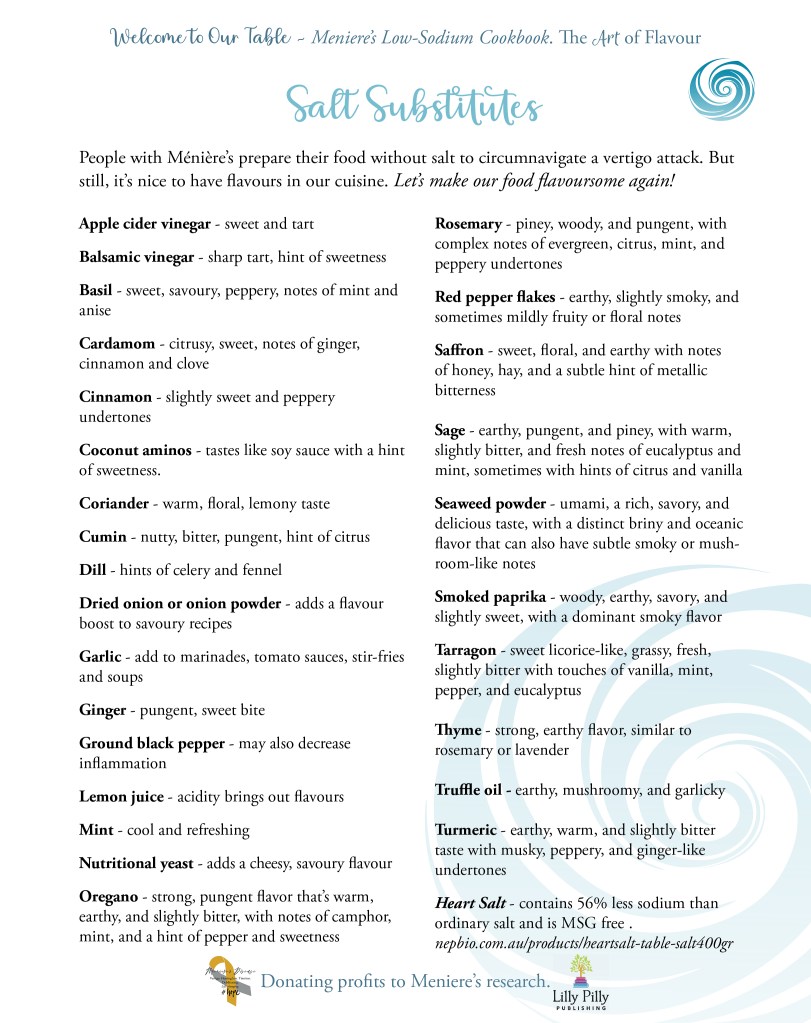
Welcome to Our Table ~ A Meniere’s Low-Sodium Cookbook. The Art of Flavour.

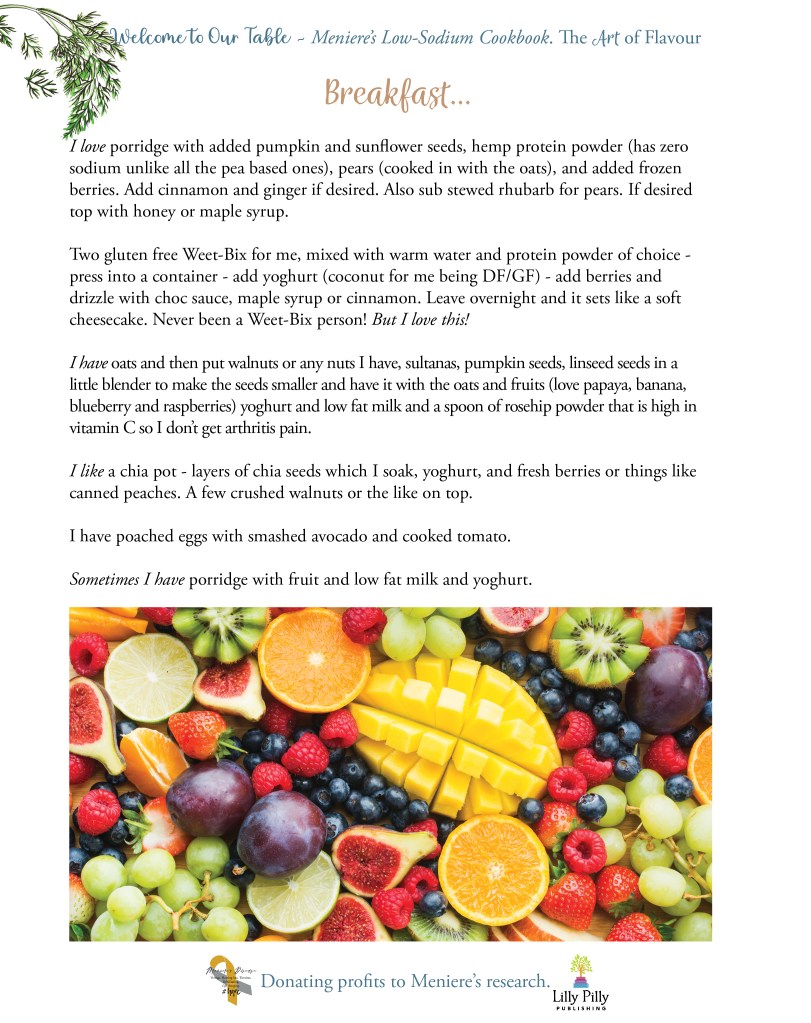
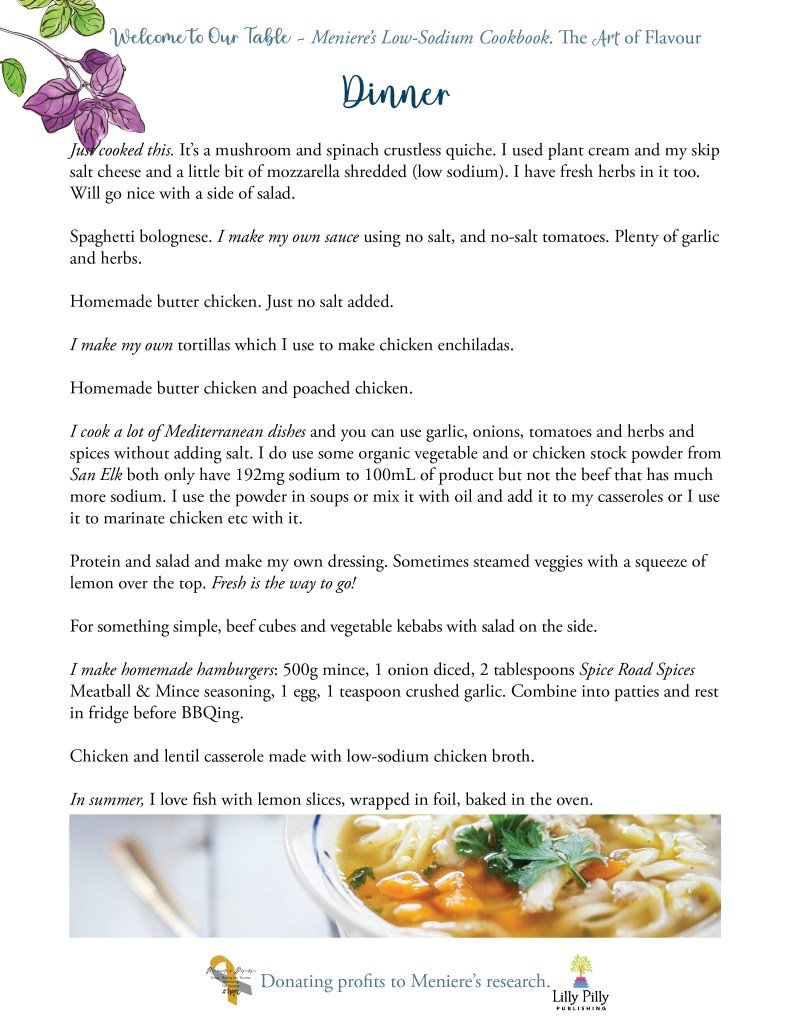
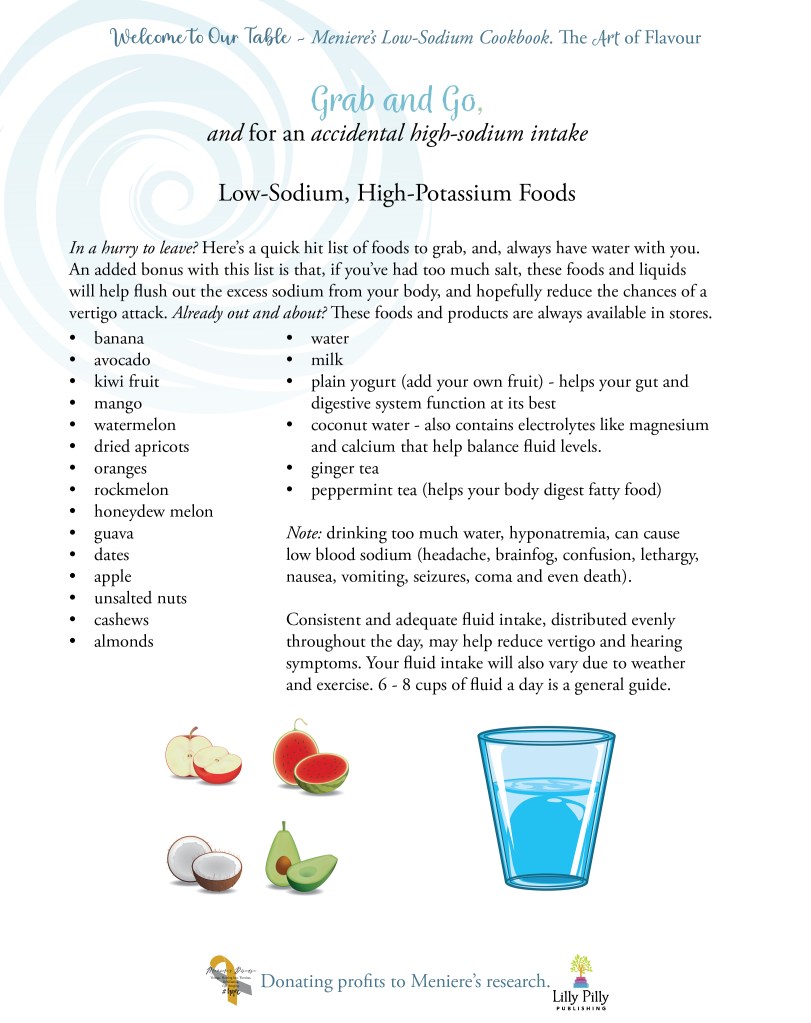
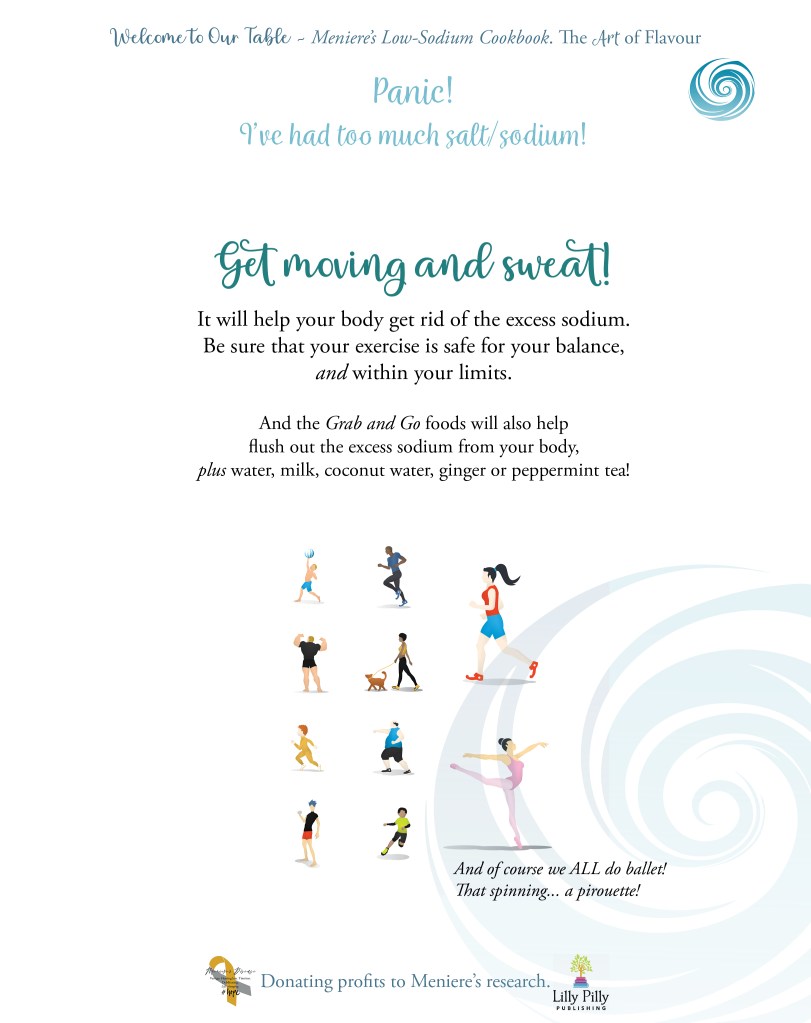
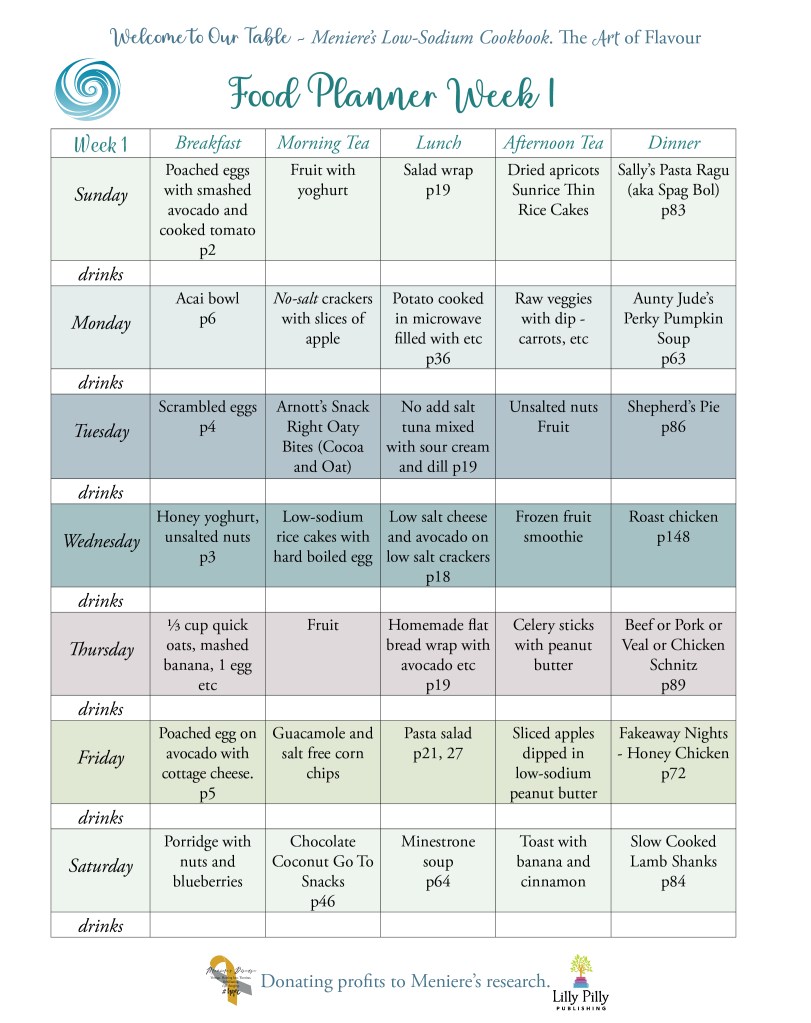
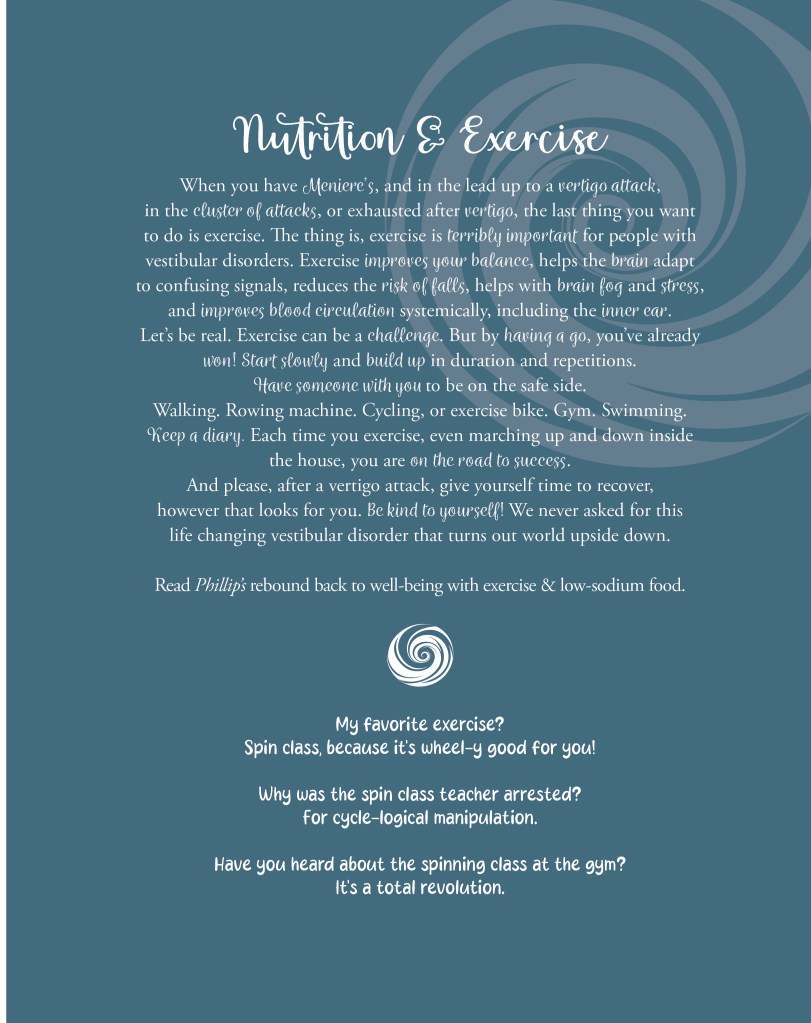
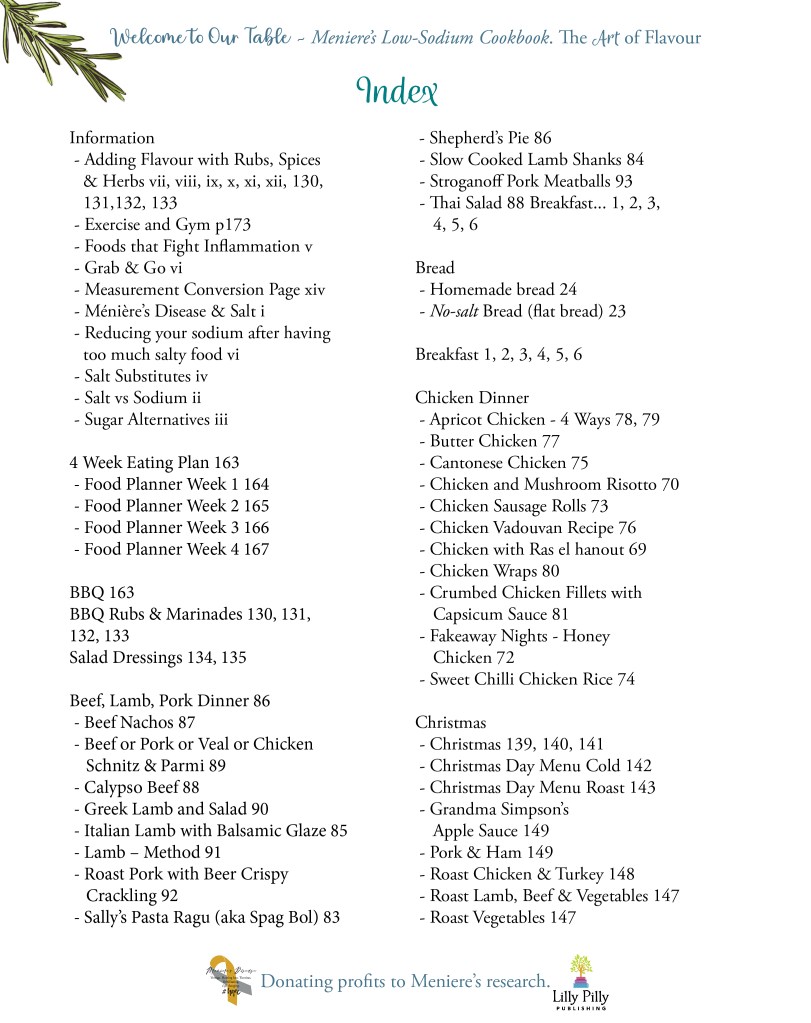
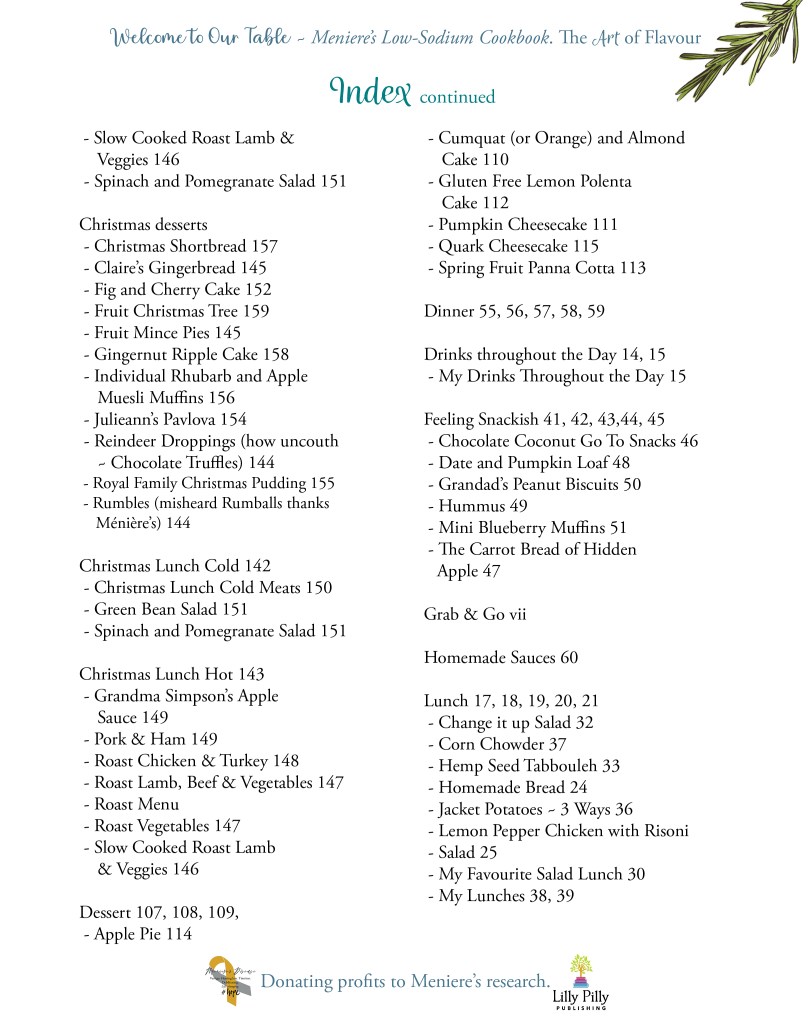
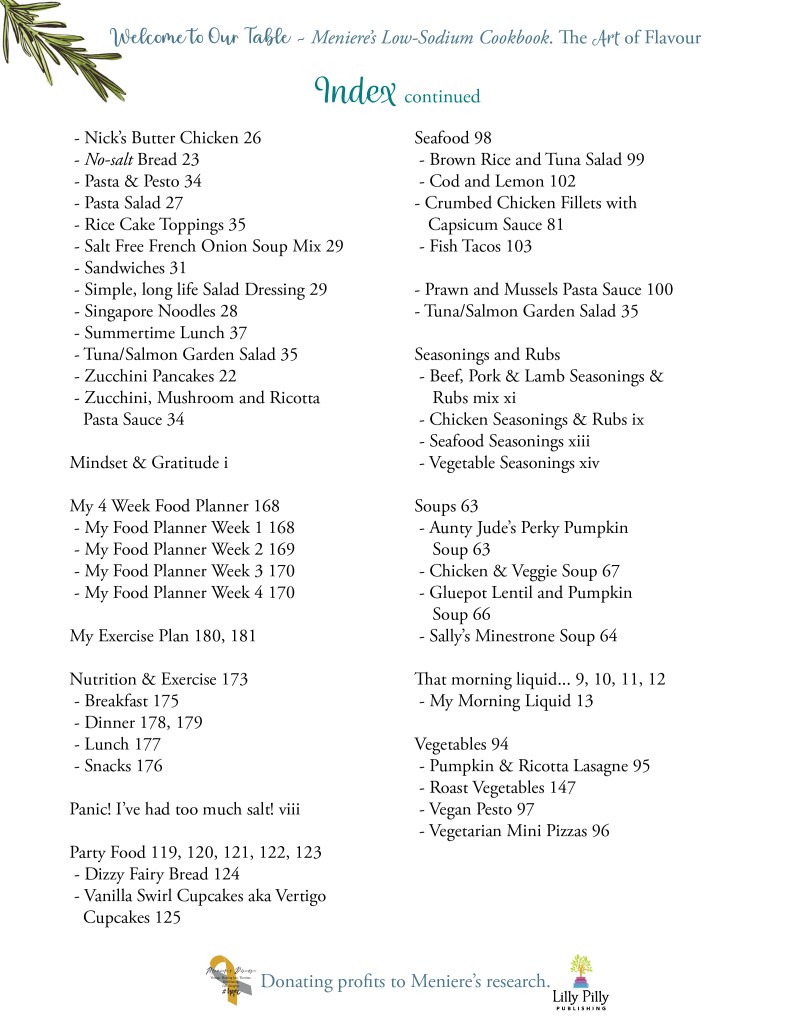
Here’s a sneak peek:

It’s packed with Meniere’s information, research, and lifestyle suggestions besides recipes. That makes it different to your usual cookbook. And while there is an endless amount of low-sodium recipes available online today, the recipes in this cookbook come from members of the Ménière’s community, in the hope that they help you.

What I love about this book, is the fact that, if you are unable to care for yourself, a friend or family or partner can pick it up, and look up foods that will be okay for you to eat!

There’s nothing better than that.

Here’s some reviews that are coming in:

Grab a copy at online bookstores – hardcover, paperback or eBook.

Happy cooking,

Julieann

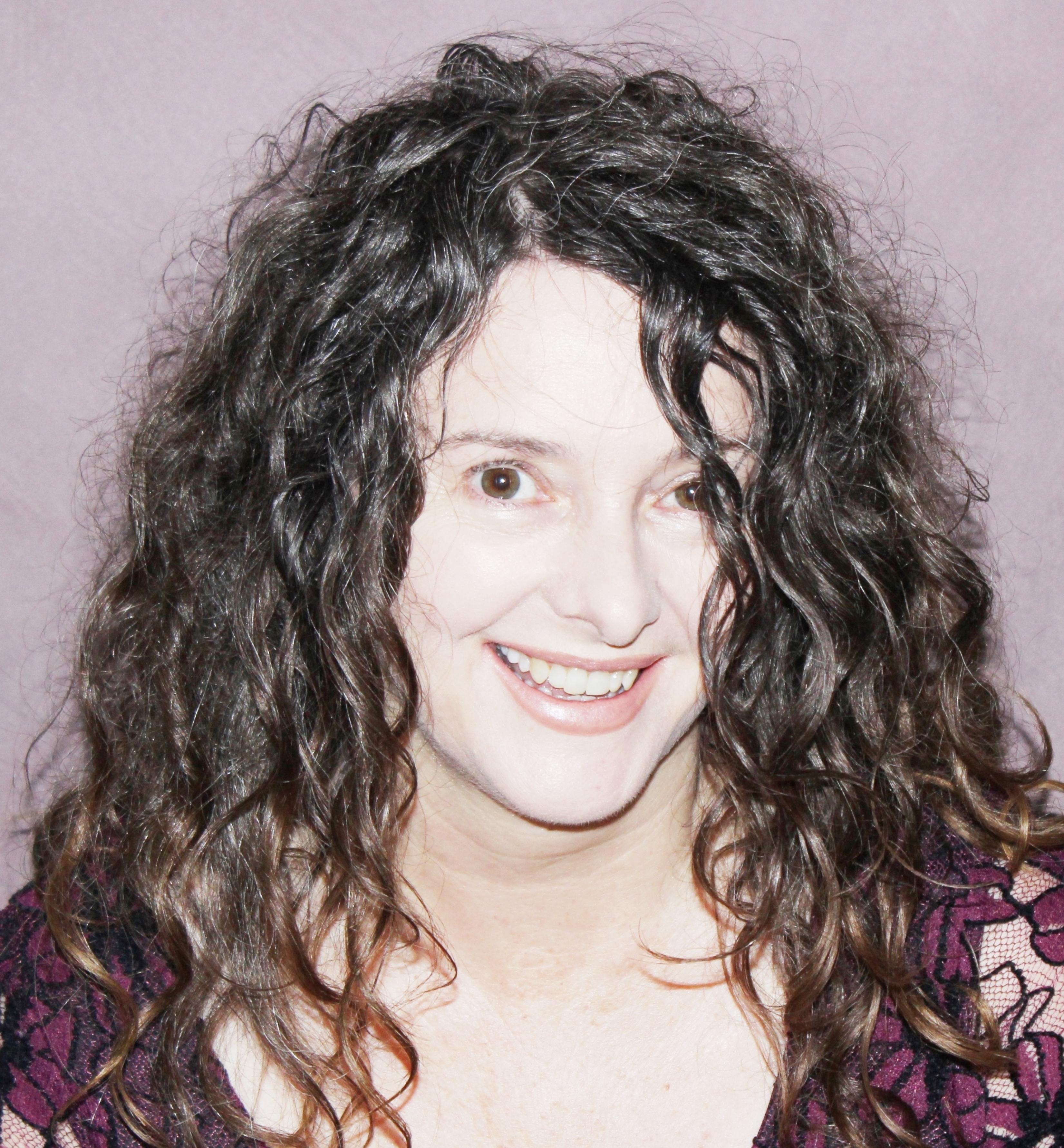
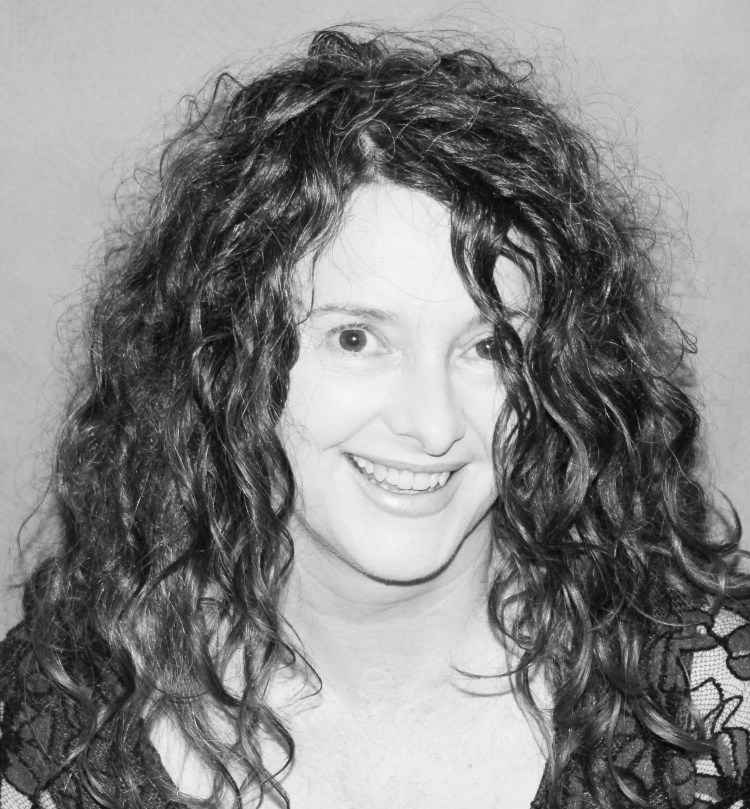
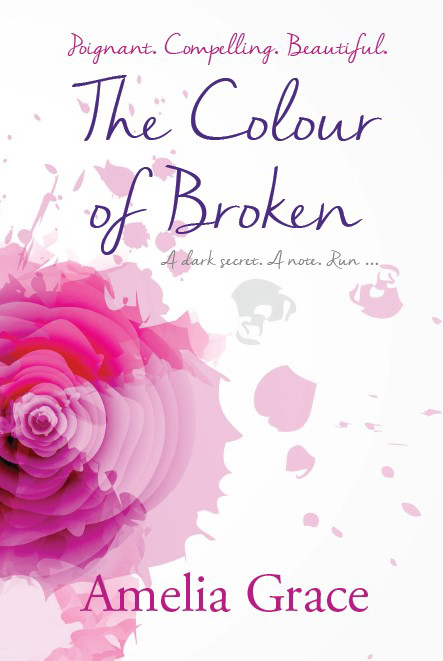
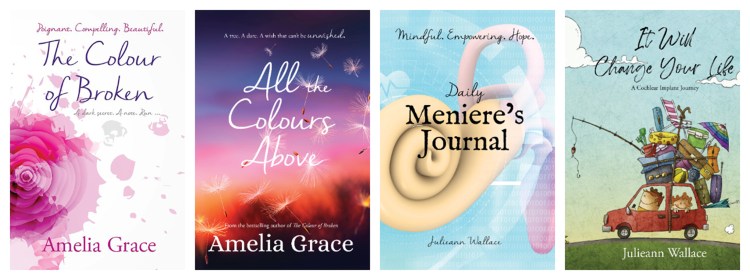
Julieann Wallace is a multi-published author and artist. When she is not disappearing into her imaginary worlds as Julieann Wallace – children’s author, or as Amelia Grace – fiction novelist, she is working as a secondary teacher. Julieann’s 7th novel with a main character with Meniere’s disease—‘The Colour of Broken’—written under her pen name of Amelia Grace, was #1 on Amazon in its category a number of times, and was longlisted in 2021 and 2022, to be made into a movie or TV series by Screen Queensland, Australia. She donates profits from her books to Meniere’s Research, to help find a cure or successful treatment for everyone. Julieann is a self-confessed tea ninja and Cadbury chocoholic, has a passion for music and art, and tries not to scare her cat, Claude Monet, with her terrible cello playing.

Julieann is also an Meniere’s Research Australia Ambassador for Meniere’s Research Australia and a Cochlear Implant Buddy for Cochlear Australia.

Julieann Wallace ~ author julieannwallaceauthor.com

www.instagram.com/myshadow_menieres/

www.instagram.com/julieann_wallace_

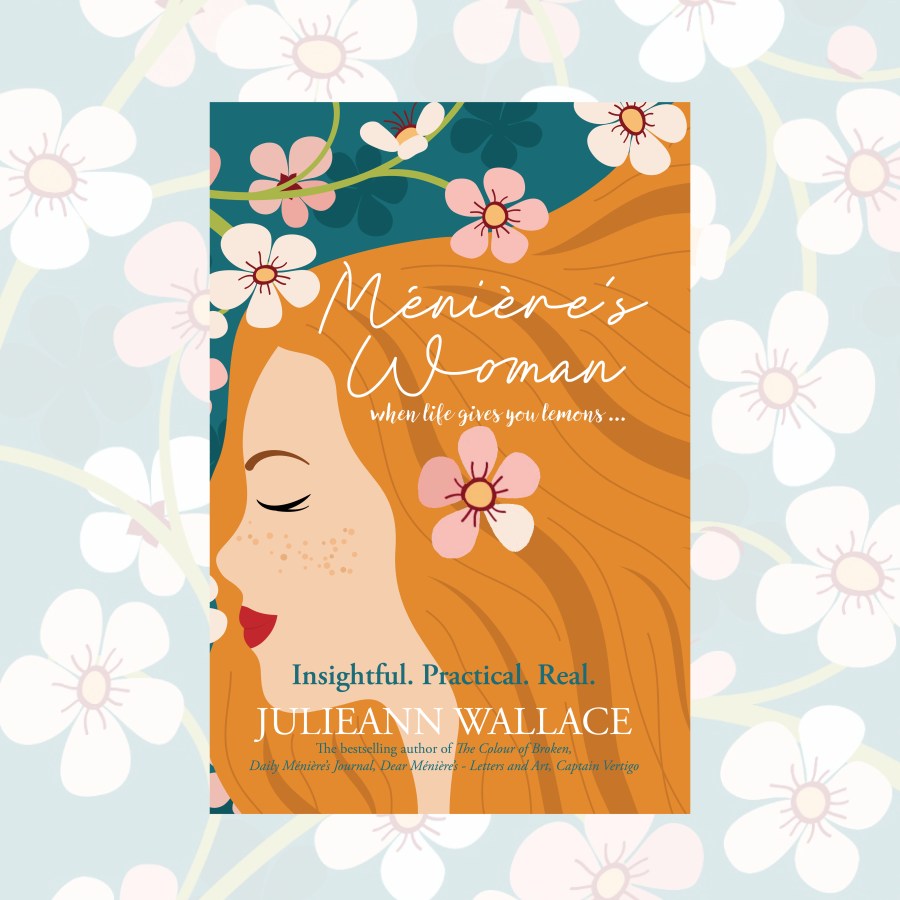
Ménière’s Woman – when life gives you lemons

They say when life gives you lemons, make lemonade.

“They” obviously don’t have Ménière’s disease, or any other incurable, debilitating, life changing disease for that matter. If they did, they would say, ‘I’m sorry about your diagnosis. I hope a cure comes soon. Let me know if you ever need help with anything.’

I want to say that I am sorry that you have Ménière’s disease.

I wouldn’t wish it on my worst enemy. I have had it since I was twenty-nine.

I woke at 5am one morning in early January, 2024, with the words Ménière’s Man stuck in my head. It’s a book written about Ménière’s disease, by a man. I’ve never read it. But I know that people are thankful for the information inside it.

Then I thought, where are the Ménière’s books written by women? There aren’t many.

How about WOMénière’s? WOménière’s? woMénière’s?

Sure, you may be able to glean lots of interesting information from books written by men, but let’s face it, they don’t deal with holding the responsibility of keeping the household going like women do (mostly) – groceries, cooking, cleaning, childcare (if you do have a partner who helps you with that, you are truly blessed!).

Men don’t deal with menstruation and everything that entails.

Men don’t have babies.

Men don’t go through perimenopause and menopause.

Men don’t have the fluctuations with hormones like women do.

We women have the rough end of the stick when it comes to Ménière’s !

Researchers have uncovered countless ways in which women’s and men’s bodies react differently to the same diseases, due to our hormones. There is A LOT that female bodies go through during a hormonal cycle, a stark contrast to the experience of the male body.

And so it began.

I accepted my own challenge to write a book about Ménière’s disease for women, and started on it. I figured that I was more than qualified enough to write it, Ménière’s being with me for 29 years at the time of writing this book. Exactly half of my lifetime.  

Mum of three. My Ménière’s started the year before my first was born.

Wife.

Teacher.

Ménière’s Research subject at the University of Queensland’s  Mind and Brain Institute.

Gentamicin to destroy the vertigo after 9 years of trying prescription medicines, herbal medicines and other alternative treatments.

Cochlear Implant to restore hearing.

Ménière’s Research Australia Ambassador who sits in on Teams meeting with Ménière’s researchers in Australia.

It was my honour to pen this book to help others. To describe the road travelled before others going through the same things.

To encourage.

To understand.

To give insight.

To give tips on surviving the Meniere’s jungle.

To say it’s okay. We’re in this together. You’re going to make it through.

To give hope.

I have put countless hours of medical research into Meniere’s Woman, and reading  anecdotal stories by women and questions they ask on social media.

Plus my own experience.

It’s time to honor us. Women with Ménière’s .

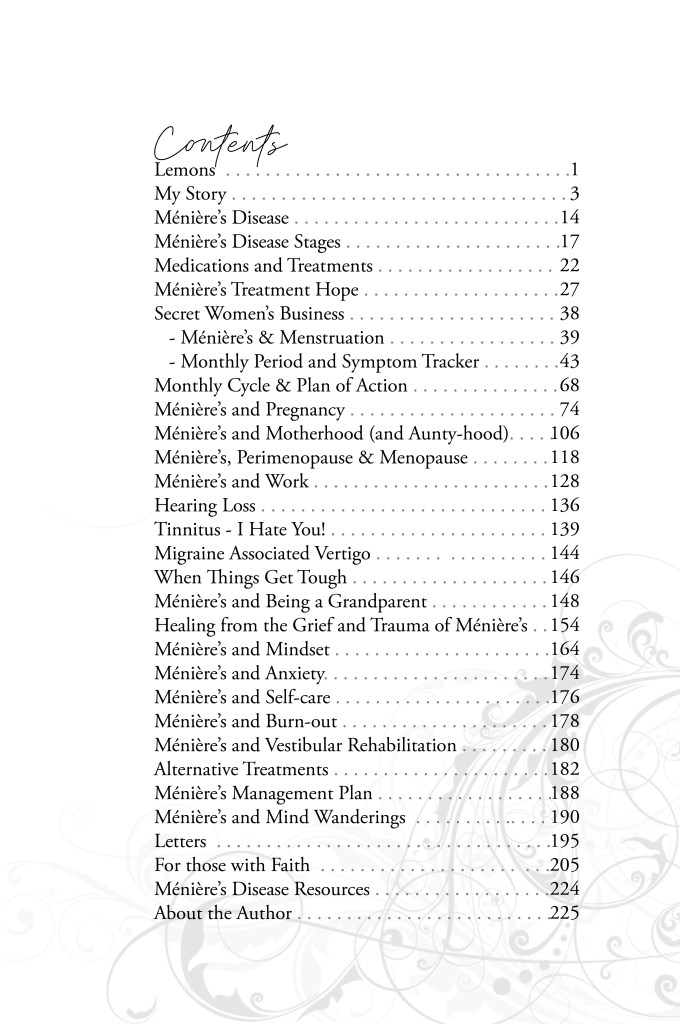
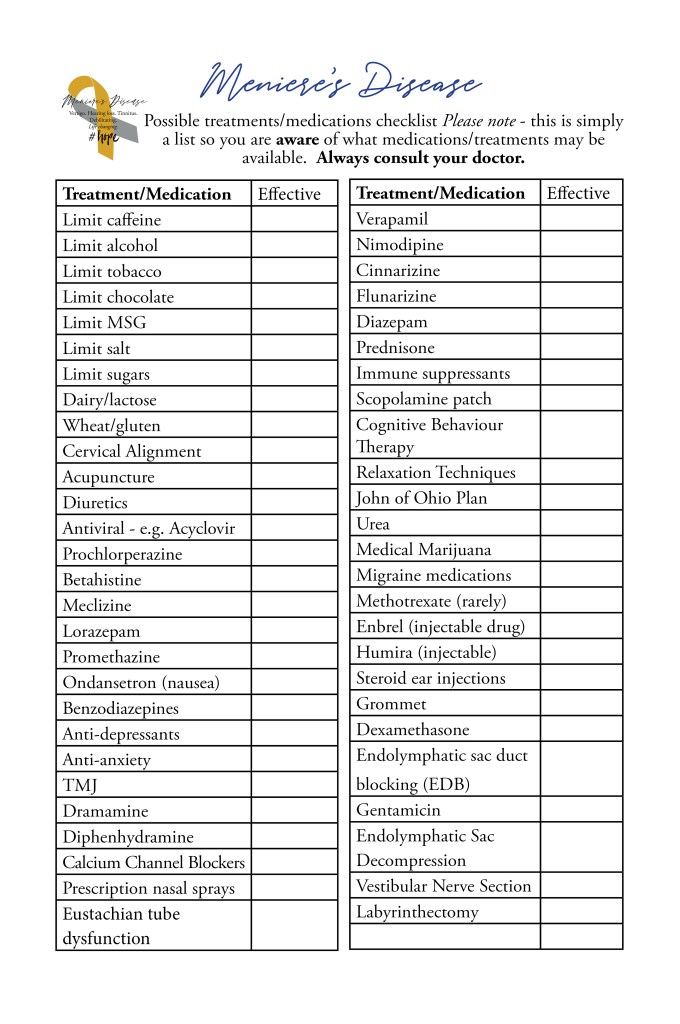
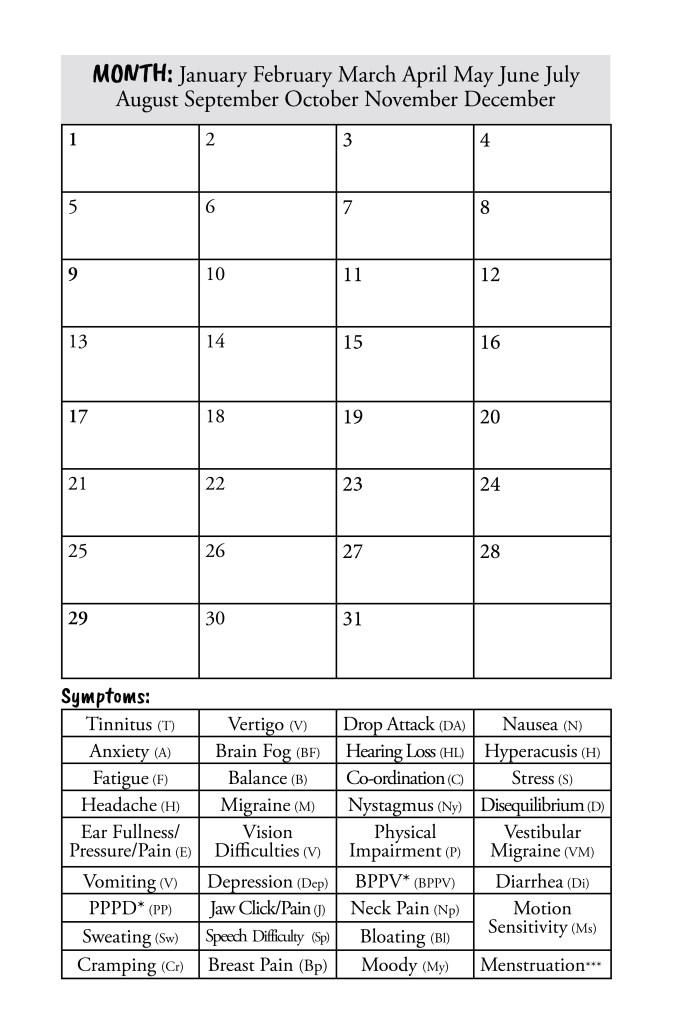
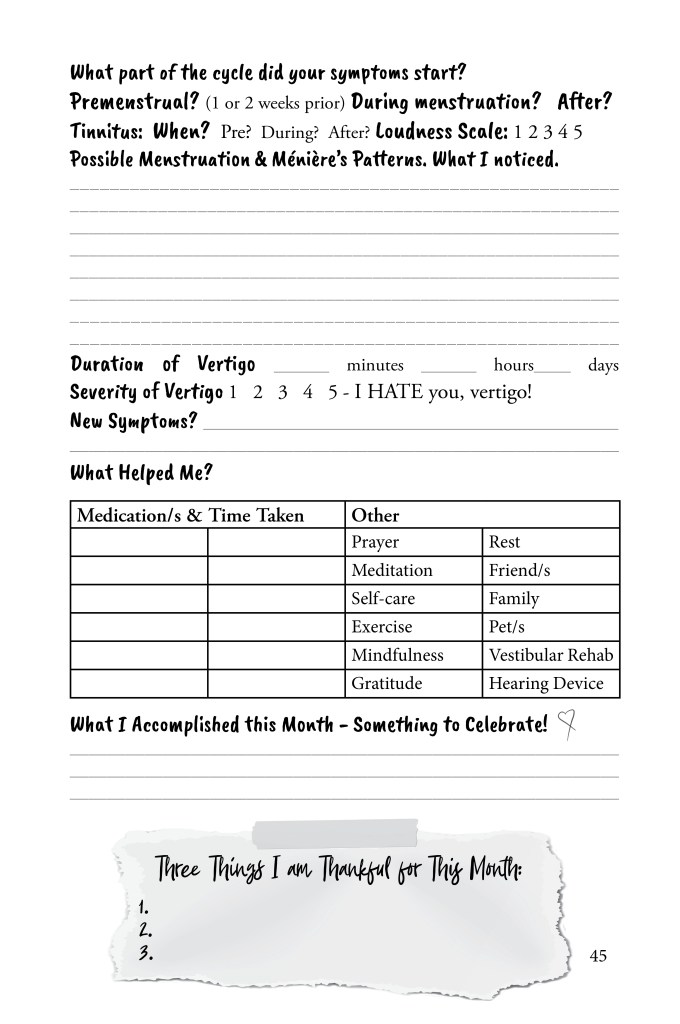
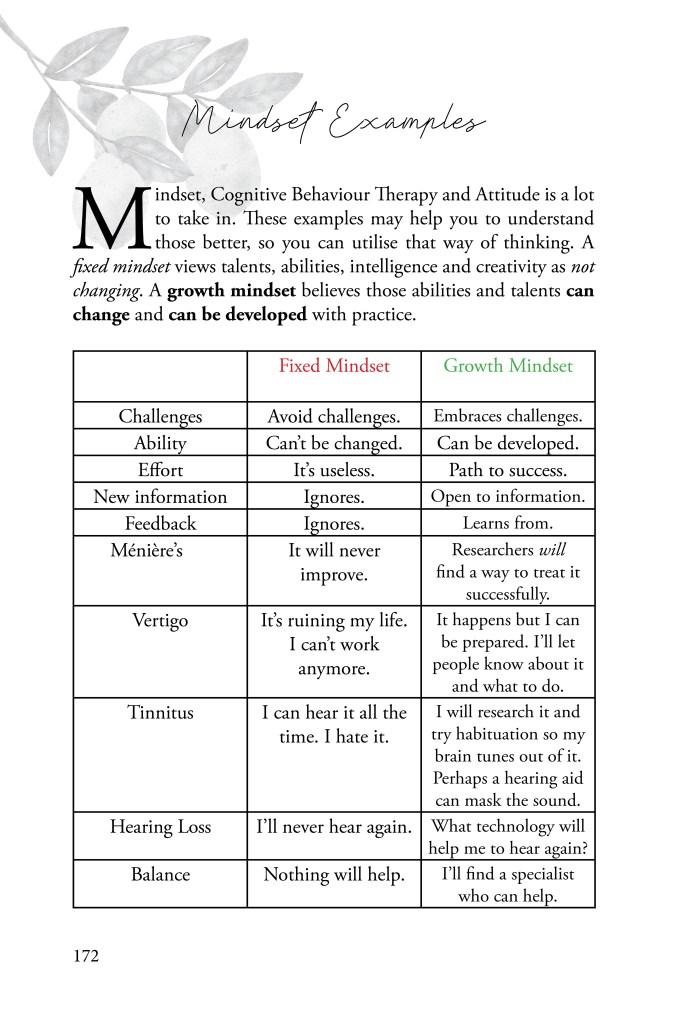
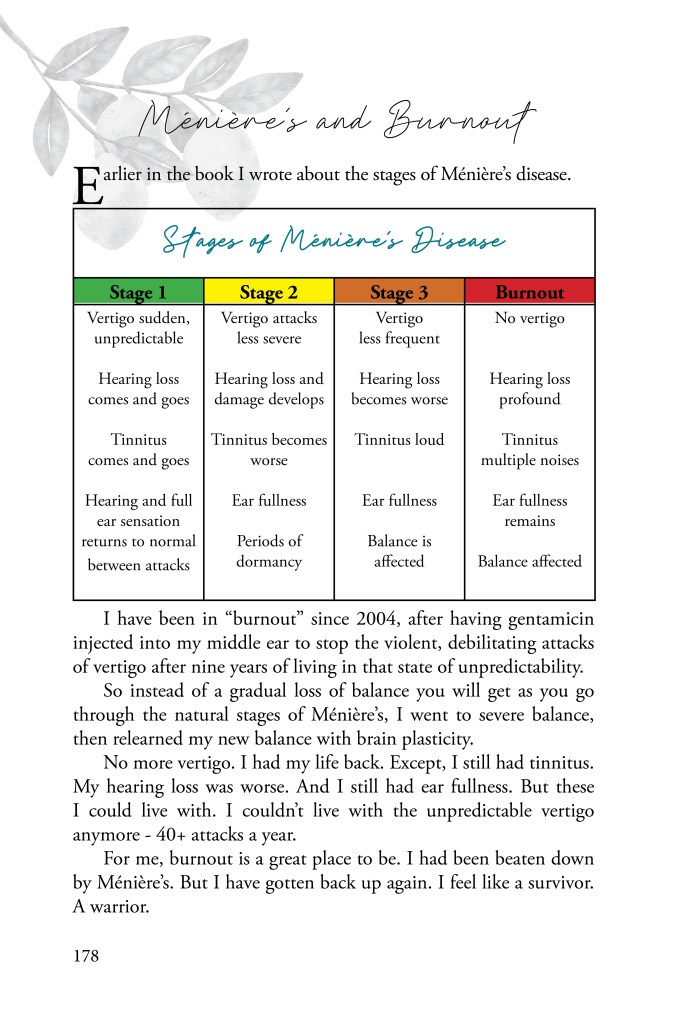
On the pages you’ll find tips, hints, research, personal anecdotes, secret women’s business, pregnancy, motherhood, grand-motherhood, understanding, inspiration and mindset, self-care, a period and Meniere’s symptoms tracker and a Ménière’s Management Plan, plus lots more.

And because this is your book, add your own stamp and style. I have left blank pages for your to glue/tape in clippings, inspirational verses or images that speak to you in some way, or write them in. Be creative. Be you.

Here’s a peek at inside the book. Ménière’s Woman. Honoring you. xx

You can grab a print copy at any online bookstore. But here it is at Amazon if that is easier for you: https://www.amazon.com.au/M%C3%A9ni%C3%A8res-Woman-when-gives-lemons/dp/0645158194/

The eBook is ready for a 1st March release on Amazon: https://www.amazon.com.au/M%C3%A9ni%C3%A8res-Woman-when-gives-lemons-ebook/dp/B0CV74SZDM/

Profits from the eBook and Print book will be donated to Ménière’s research, as all of my Ménière’s books are. I don’t publish Ménière’s books for personal gain, but to help others.

Let me know what you think of the book if you purchase a copy. And, I hope that it helps you beyond what you thought it could. xx

Julieann Wallace is a multi-published author and artist. When she is not disappearing into her imaginary worlds as Julieann Wallace – children’s author, or as Amelia Grace – fiction novelist, she is working as a secondary teacher. Julieann’s 7th novel with a main character with Meniere’s disease—‘The Colour of Broken’—written under her pen name of Amelia Grace, was #1 on Amazon in its category a number of times, and was longlisted in 2021 and 2022, to be made into a movie or TV series by Screen Queensland, Australia. She donates profits from her books to Meniere’s Research, to help find a cure or successful treatment for everyone. Julieann is a self-confessed tea ninja and Cadbury chocoholic, has a passion for music and art, and tries not to scare her cat, Claude Monet, with her terrible cello playing.

Julieann Wallace ~ author julieannwallaceauthor.com

www.instagram.com/myshadow_menieres/

www.instagram.com/julieann_wallace_

Meniere’s Quality of Life …

6 days from death.

That’s the quality of life for a person with Meniere’s disease during an active vertigo attack. It’s been compared to someone who is 6 days from death by authors of this study – Meniere’s Quality of Life.

The study revealed the following:

— QWB scores: Meniere’s patients achieved a mean score of .505 on days of acute episodes and .620 on days without acute episodes. This compares with scores of normal adults (.810), very ill adults with life-threatening illness (cancer, AIDS (.616), non-institutionalized Alzheimer’s patients (.506), and AIDS & cancer patients, six days before death (.427)

https://www.newswise.com/articles/menieres-disease-quality-of-life?fbclid=IwAR1famOiDWiOqelzP99ONe8FuquAWbhaXNyyumhD3b40u8Qbg1TAZGCi8Zw

Earlier in my Meniere’s journey, I had read online that a doctor claimed it was 3 days from death …

My husband flinched when I quoted him those words. 40 + violent vertigo attacks year, each one lasting around 4 hours. Unable to move. Staring at one spot on the wall for the entire time. He was the spectator to my sad life with Meniere’s that pulled me into the darkest pit.

Nausea. Puking. Unbearable. Feeling like I am close to death. And doing that 40 + times a year.

6 days from death. Let that sink in.

Do you ever read something that hits you in the gut? Something so well written it describes your invisible symptoms so that others might understand it better.

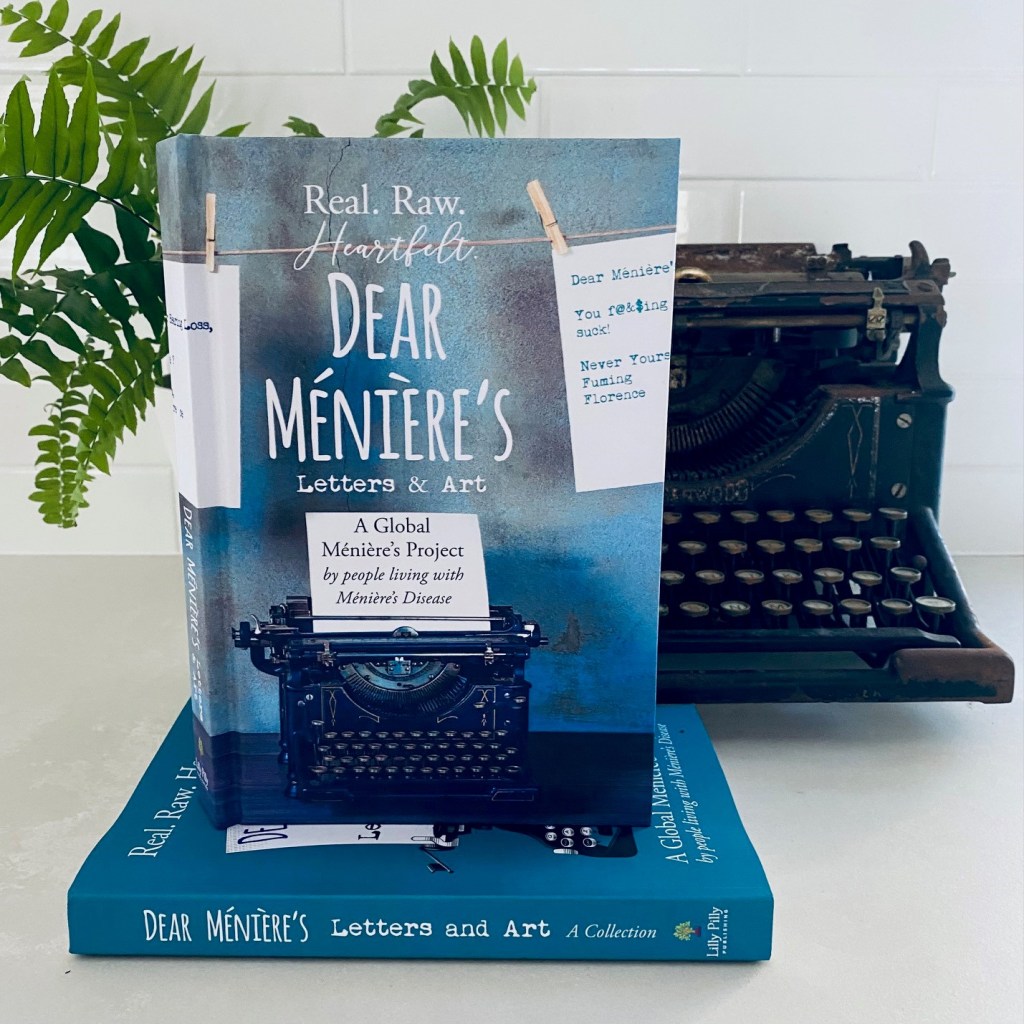
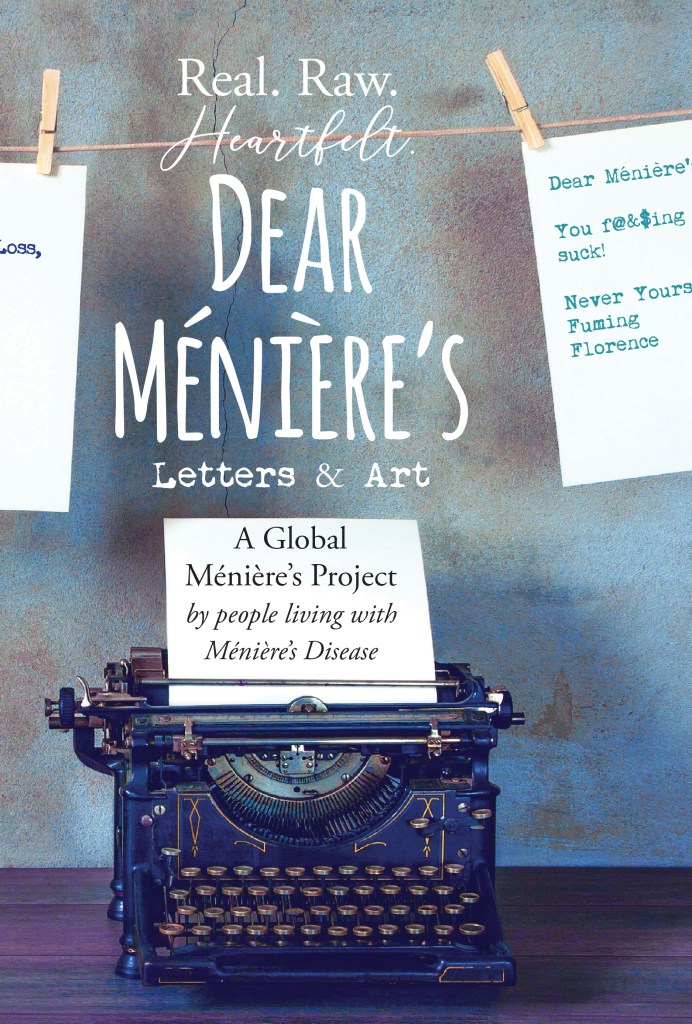
Dear MONSTER, written by Colin (The Monster Meniere’s) does that. It’s from a book about to be released on June 1st 2023 Dear Meniere’s – letters and art – a collection.

Dear MONSTER,

You are …

AKIN TO SHIT on a shoe trodden through a carpeted home,

A 6 HOUR LONG podcast with a voice so monotone.

Like riding a bike with a constantly falling off chain,

A summer garden party that is RUINED BY THE RAIN.

The spilt glass of water that calculatedly covers one’s crotch,

Like paying for Netflix then discovering there’s barely anything good to watch.

The SOGGY WET SOCK and also the HOLE IN THE BOOT,

Like discovering HALF A WORM after biting into some fruit.

A SALT AND VINEGAR CHIP on a fresh paper cut thumb,

The APPROACHING BEAST IN THOSE NIGHTMARES where we are unable to run.

Truth is, you are SO MUCH WORSE than all these examples by a mile,

This is me keeping it light, and trying my damn hardest to CREATE A SMILE.

Colin (That Monster Ménière’s)

Diagnosed, 2019

Instagram: @that_monster_menieres

This is Meniere’s disease. Vertigo. Hearing loss. Tinnitus. Brain fog. Debilitating. Life changing.

Meniere’s disease is said to be about the same prevalence as Multiple Sclerosis in the community, and yet, there is no funding for research, nor fundraising days in the community to bring awareness. Our medications (if they work) are costly and are not subsidised. Many people with Meniere’s cannot work due to unpredictable, long, violent vertigo episodes that leave them exhausted, causing them to lose their livelihoods, their confidence, their sense of self-worth.

6 days from death. Let that sink in.

It has been said that Meniere’s disease is the most livable disease with the highest suicide rate. If you’ve ever been in Meniere’s FB groups, you will read posts about people wanting to end their suffering. You will see others reaching out to them to help. Just one more day ….

I’ve had MD for 28 years now. How can I sit back and hope for the best for my MD family without doing anything?  

It’s like wondering why nothing good ever happens to me.

It’s like waiting for others to act, and then nobody does, because they are all waiting for others to step up for them.

Here’s the thing. You have to go out and grab opportunities.

You have to make things happen.

It’s active. Not passive.

SO here’s my active for my Meniere’s brothers and sisters, uncles and aunts, kids, friends, and that person down the street.

It’s time to give hope. It’s time to support our Meniere’s researchers to help us. Thanks to Anne Elias (Sydney Meniere’s Support Group https://www.instagram.com/menieres_support_au/), Heather Davies (Meniere’s Muse https://www.instagram.com/menieresmuse/) and Steven Schwier (On the Vertigo https://www.instagram.com/onthevertigo/)for helping with the campaign.

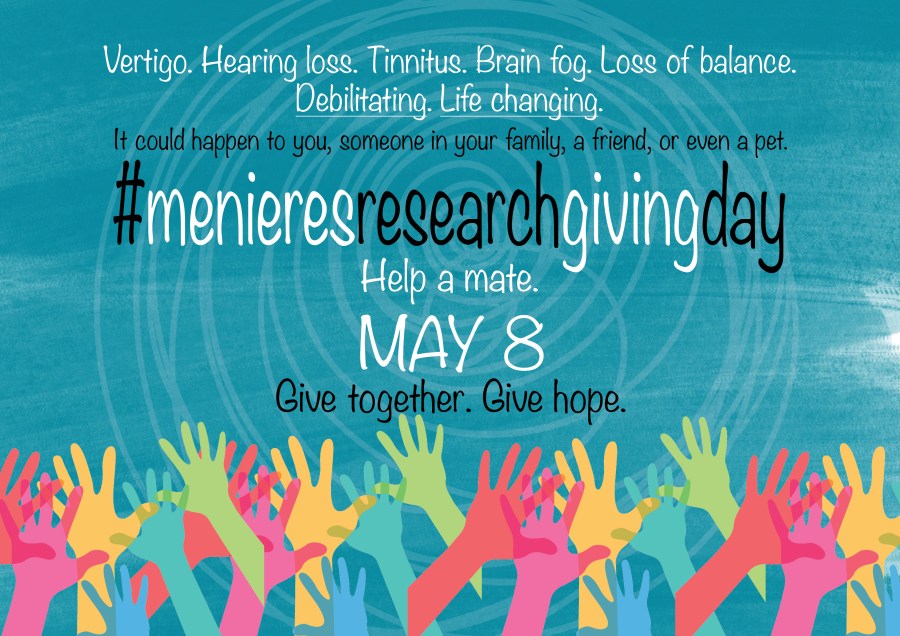
A global fundraiser – #menieresresearchgivingday  MAY 8

https://gofund.me/8a8b656b

It’s an I see you. I hear you. Let’s help.

Can you spare a dollar or two?

Give together. Give hope. Help a mate.

Julieann Wallace is a multi-published author and artist. When she is not disappearing into her imaginary worlds as Julieann Wallace – children’s author, or as Amelia Grace – fiction novelist, she is working as a secondary teacher. Julieann’s 7th novel with a main character with Meniere’s disease—‘The Colour of Broken’—written under her pen name of Amelia Grace, was #1 on Amazon in its category a number of times, and was longlisted in 2021 and 2022, to be made into a movie or TV series by Screen Queensland, Australia. She donates profits from her books to Meniere’s Research Australia, where they are researching Meniere’s disease to find a cure. Julieann is a self-confessed tea ninja and Cadbury chocoholic, has a passion for music and art, and tries not to scare her cat, Claude Monet, with her terrible cello playing.

Julieann Wallace ~ author (julieannwallaceauthor.com)

https://www.instagram.com/myshadow_menieres/

https://www.instagram.com/julieann_wallace_author/

Julieann is mindful of those who also have incurable diseases or are walking on the path of a diagnosis that is life changing. She never aims to undermine the severity of anyone else’s illness, disability or journey. We all deal with life with different tolerances, attitudes and thresholds.

Be kind. Always.

Dear Incurable Disease,

Dear Incurable Disease,

That’s you, Ménière’s. There’s a call out for submission for letters and art about you.

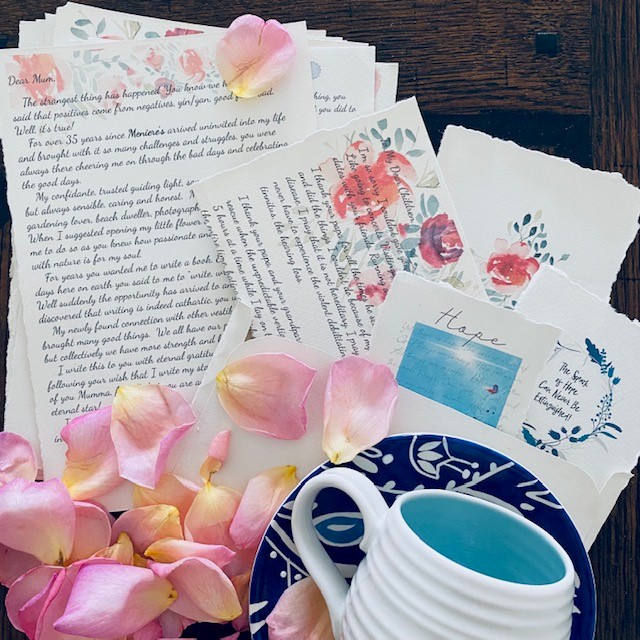
Apparently you’re the focus of a new book, a collection of writing and creativity.

Surely you don’t deserve such attention in this way?

What do you think they will say about you?

How kind you are?

How popular and well-liked you are?

Do you think you’ll be thanked?

We’ll see …

And the art?

What on earth would you look like on the canvas? In a photograph? Or other creative art mediums? Ha, a sculpture of you would be interesting!

Do you think you’ll be beautiful and lavished with love in each of those carefully placed paint strokes?

Will you be depicted up on a pedestal all high and mighty?

Will the capturing of your existence in visual form be so exceptional that an entire gallery will be dedicated to you?

Or will you look like the monster you are?

We’ll see …

Ménière’s, you’re finally being called out for the atrocious bully that you are.

Fingers are being pointed at you for torturing people with vile, violent vertigo, insanely loud tinnitus, nausea, hyperacusis, deafness and loss of balance. So debilitating are your attacks that some cannot find the strength to live with the symptoms anymore. How dare you?

Are you proud of  the quality of life rating of 6 days from death with your repulsive, incrediblly fast room spinning vertigo that lasts for hours, sometimes days?   

Fists are being shaken at you for your devious ways, hiding in the inner ear that is hard to get to.

Voices are being shouted, louder than our unremitting, loud tinnitus, to call you out from the cowardly darkness and into the light so you can be seen in all of your ugliness.

You thief. Stealing happiness, livelihoods, passions, friends, confidence, hearing, balance, joy, money, a normal quality of life, bringing us to our knees to search for the missing pieces of us.

Ménière’s disease. Debilitating. Life changing. Do you really think there is no cause, no cure?

We’ll see

Ménière’s, research is discovering your mischievous ways. Research is planning an attack to take you down. How joyous that day will be when the doctor will say, ‘You’ve got Ménière’s disease. We can fix that!’

Never yours,

Julieann Wallace

Your turn. Here’s your invitation to write a letter or create some art to be published in the Lilly Pilly Publishing Letters to Ménière’s Global Project to raise awareness, proceeds being donated to Meniere’s research.

Furious and fast writing feels amazing!

https://www.lillypillypublishing.com/letterstomenieresproject

https://www.julieannwallaceauthor.com/

https://www.instagram.com/julieann_wallace_author/

https://www.instagram.com/myshadow_menieres/

Julieann Wallace is a multi-published author and artist. When she is not disappearing into her imaginary worlds as Julieann Wallace – children’s author, or as Amelia Grace – fiction novelist, she is working as a secondary teacher. Julieann’s 7th novel with a main character with Meniere’s disease—‘The Colour of Broken’—written under her pen name of Amelia Grace, was #1 on Amazon in its category a number of times, and was longlisted in 2021 and 2022, to be made into a movie or TV series by Screen Queensland, Australia. She donates profits from her books to Meniere’s Research in Australia to find a cure. Julieann is a self-confessed tea ninja and Cadbury chocoholic, has a passion for music and art, and tries not to scare her cat, Claude Monet, with her terrible cello playing.

My Hearing Addiction

The rain is falling on our tin roof. I step off the veranda with my umbrella, and close my eyes. A tear slips down my cheek. I can hear droplets of water battering the umbrella with two ears. For the first time in 15 years. It’s a big deal. I never thought I would hear the world around me again in my left ear, except for the five torturing sounds of loud, relentless tinnitus – louder than any rock concert or loud party I had attended – a symptom of the abhorrent Meniere’s disease.

woman-3618866__340

The rain is in ‘surround sound’. It’s surreal. I twirl, slowly, without losing my balance. My own type of raindance, keeping my cochlear implant processor dry.

Bliss. Happiness. Beyond thankful.

My homeland has gone from heartbreaking drought to catastrophic fires to flooding rain. But nobody is complaining. Rain is water. And water is life.

dr bf fl

After a long moment of mindfulness, I return to my study. I have work to do. Learning to hear again. Not just sounds, but words and sentences to understand conversations to allow me to be confident with interactions with people, friends and family, and to restore my social life.

drinks-2578446__340

I can’t lie. I was more nervous about the ‘switch-on’ of my cochlear implant – where you finally discover if the electrodes work, how many work, and whether you can hear, or not – than the almost two-hour surgery.

I was never really certain about what I would actually hear with my cochlear implant. And there were no guarantees that I would hear well, or at all, after 15 years of deafness from Meniere’s disease. I wondered, if I could hear, would it sound like ‘normal’ hearing? Would I be able to understand speech? Would I be able to hear music? Or, would I be lost in a world of robotic hearing that is so terrible and irritating that I will regret having the procedure done? What if it is not successful?

futuristic-3862179__340

I’m taking an enormous leap of faith. I’m diving into an unknown world. How many times have I read the words, “I’m too scared to get a cochlear implant!”?

On the flip side, how many times have I read the words,

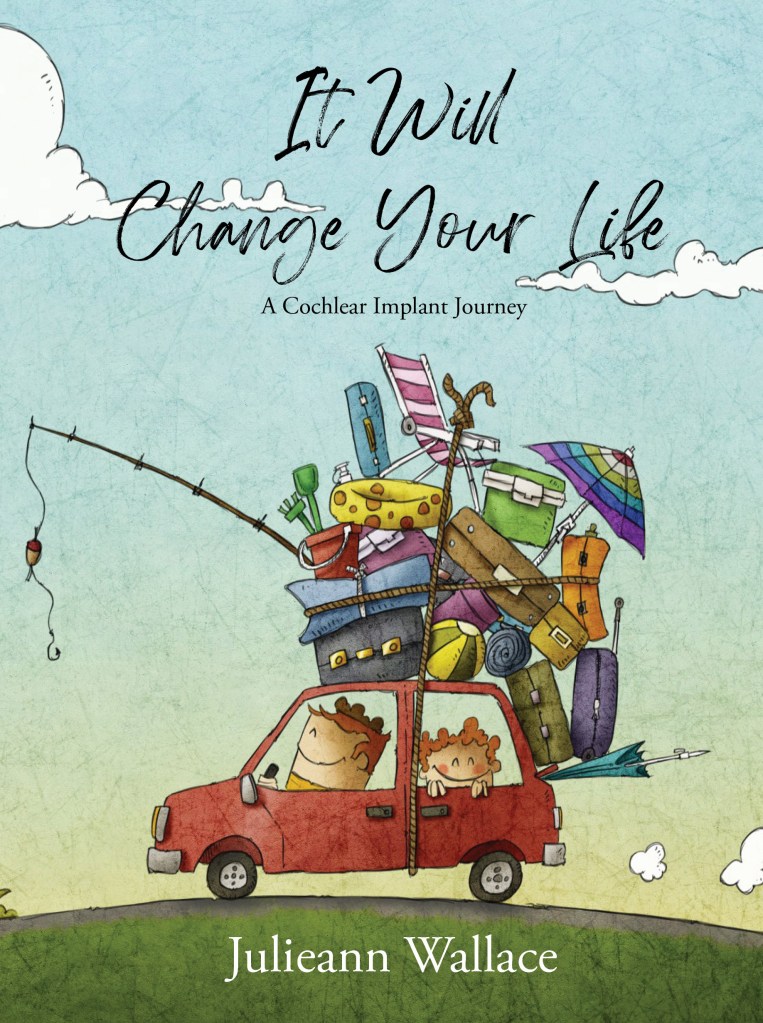
“It will change your life!”

Before being activated, I watched online cochlear implant simulators that claim to sound like what is heard with a cochlear implant, but many of them didn’t sound like my implant. And many were dated a very long time ago, when the technology was new. Hearing with a cochlear implant has come along way since then.

The video that I think is close to what hearing with cochlear implant technology is like, is this one – and that was in 2014. Since then, cochlear implant technology has been improved and refined.

Learning to hear. It’s a new territory for me. A new journey. But one I am excited about.

I did a silent dance of victory when my cochlear audiologist told me I had to listen to audiobooks for at least 30 minutes a day to learn to hear. I LOVE reading!

coffee-2446645__340

And then there were the apps for my iPhone (thanks to Apple for the direct connectivity to my CI – the Nucleus Smart). Apps filled with common environmental sounds; sight words; matching the sound to the visual word; matching the picture to the sound; word discrimination; sentences; and more (there’s a list of apps at the end of this blog).

The moment I started to listen to the audiobook, ‘The Lake House’, by Kate Morton, and followed the words in my print book, I startled.

Learning to hear is just like learning to read!

I should know. Over my teaching career, I’ve given thousands of students the gift of reading.

But with learning to hear, instead of learning what a word looks like in print, you are learning what a word sounds like. I’ve decided to call it a ‘SoundPrint‘. I don’t know whether that’s a real thing, but I like the concept of it. I like the thought of making a ‘SoundPrint‘ in my cochlear implant ear to make new hearing memories, and connecting stored memories of my once upon a time hearing to my new hearing. It’s like bringing beautiful colours of hearing back to the greyness of my deaf ear.

kate-morton

I’ve got to admit, I’m addicted to my cochlear implant hearing. When I don’t have my CI processor on, I feel like a piece of me is missing, and I recede to my former self, the other me, all my senses on high alert – I didn’t realise how exhausting my life was before my new bionic hearing.

The gift of hearing. Thank you can never be enough to Professor Graeme Clark AC, the inventor of the multi-channel cochlear implant. My heart smiles everyday, thanks to you.

P.S. Some of the apps I use for learning to hear:

• Join your local library so you can download audiobooks. I choose the audiobook for print books I already have at home so I can follow the printed text while listening.
• Hearoes  https://www.games4hearoes.com/  FREE https://www.facebook.com/hearoesapp/
• Angelsound http://angelsound.tigerspeech.com/ FREE
• Children’s picture books are highly recommended – use Storyline Online https://www.storylineonline.net/ You can turn on captions, or, if you want to challenge yourself, turn them off

  • I’ve started compiling my Spotify Cochlear Music Collection – Cochlear Implant Music by Jules – it’s a work in progress, and I’m still on a learning curve with music. But I have discovered, that if I already know the song, it is easier to ‘pair’ the music with my cochlear implant hearing and my music memories before hearing loss 😊

20181228_162531.jpgcr.jpg t.jpg cr

Julieann Wallace is a best-selling author, artist and teacher. She is continually inspired by the gift of imagination, the power of words and the creative arts. She is a self-confessed tea-ninja, Cadbury chocoholic, and has a passion for music and art. She raises money to help find a cure for Meniere’s disease, and tries not to scare her cat, Claude Monet, with her terrible cello playing.

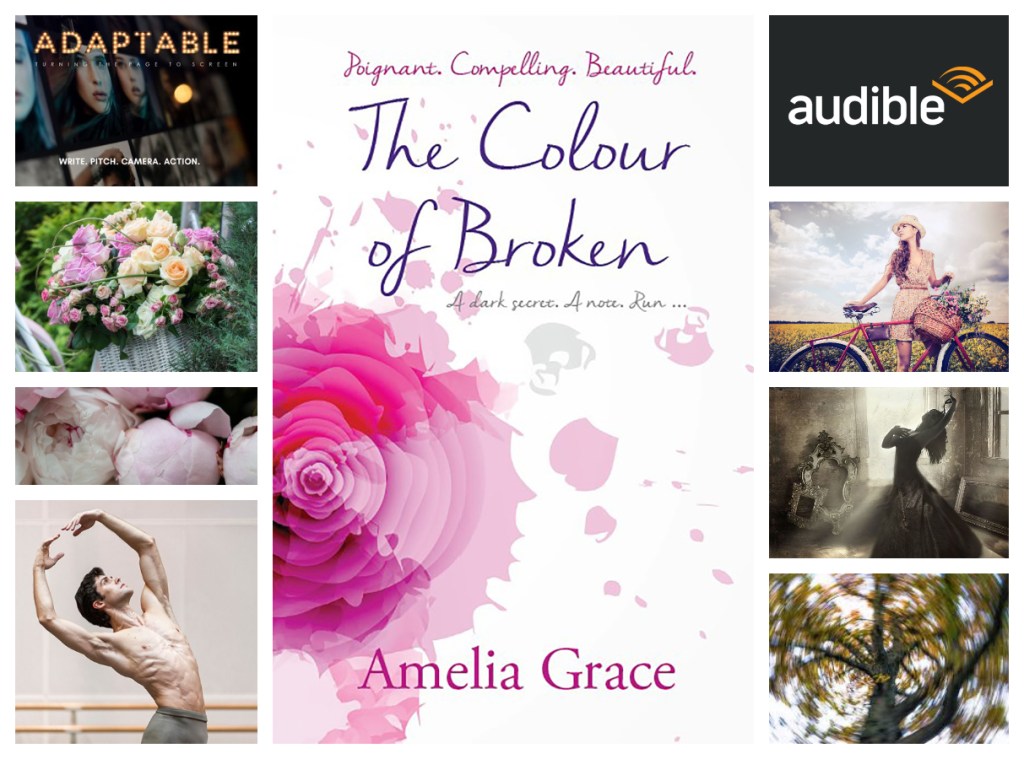
The Colour of Broken‘ – The #1 Amazon bestselling book with a main character with Meniere’s disease – raising awareness and understanding.

Buy ‘The Colour of Broken’

Buy ‘The Color of Broken’

Buy the ‘Daily Meniere’s Journal’

Buy the ‘Monthly Meniere’s Journal’

100% profits from the above books are donated to medical research for Meniere’s disease to help find a cure.

About this blog …

My Shadow, Meniere’s, is not just about the physical aspect of a Cochlear Implant – you can research about them online. I am sharing the human side of the journey towards a Cochlear Implant – feelings, appointments, the process, apprehensions, successes, highs and lows as I step into the next chapter of my Meniere’s journey.

I am mindful of those who also have incurable diseases or are walking the path of a diagnosis that is life changing. My blog never aims to undermine the severity of anyone else’s illness, disability or journey. We all deal with life with different tolerances, attitudes and thresholds. ‘My Shadow -Meniere’s’ is my journey. It is my hope that it can help others with Meniere’s disease, or hearing loss, or simply when life has a plot twist.

I also acknowledge those before me, who have already had a Cochlear Implant. Your experiences, advice and suggestions are welcome.

Learning to Hear

Fatigue
/fəˈtiːɡ/
noun
noun: fatigue; plural noun: fatigues
1.
extreme tiredness resulting from mental or physical exertion or illness.

bear-3663438__340

December 19, 2019, I had Cochlear Implant surgery. On the 9th of January, 2020, my Cochlear Implant was “activated”. My world of deafness, including the five roaring noises of tinnitus changed. I could hear again for the first time in 15 years!

My cochlear audiologist, Jane, warned me, ‘You will have mental fatigue from hearing again with your left cochlear.’

Yeah nah, I thought. I’ve had the repugnant, revolting, repulsive Meniere’s disease for 25 years now, three children and a teaching workload. I know exactly what mental and physical fatigue is like. The simple act of hearing again will leave me fatigued? I doubt it!

Yeah Nah. Australian slang for no.

Yeah nah

I enter the outside world. Reality. I’m no longer safe and comfortable in the confines of the quiet audiologist’s office, where Jane’s reassuring smiles, encouragement and support, wrap me like a warm blanket on a freezing winter’s night.

My eyes widen. It’s so NOISY! I hear EVERYTHING! But not the sounds of normal hearing, but of cochlear implant hearing, newly activated: chipmunk voices, robotic representations of every sound my 22 electrodes can feed into my auditory nerve. I am told that what I hear now, is not what I will hear as I continue to attend “mapping” sessions. Sounds will become more “normal-ish”, like what I hear with my right ear.

After 10 hours of wearing my processor, I am fatigued. Like a flat battery.
Nah Yeah. Yes. Jane was right. Again.

nah yeah
My cochlear audiologist, Jane, explained, ‘It’s like you’re a baby again. You hear absolutely everything. For your left hearing centre in your brain, every noise is new, and it’s working hard to work out whether to file the sound as an important sound, or background sound, that it doesn’t have to pay attention to. And the two hemispheres of your brain are not working together, yet. But they will.’

Creative background, the human brain on a blue background, the hemisphere is responsible for logic, and responsible for creativity. different hemispheres of the brain, 3D illustration, 3D render
source 123rf

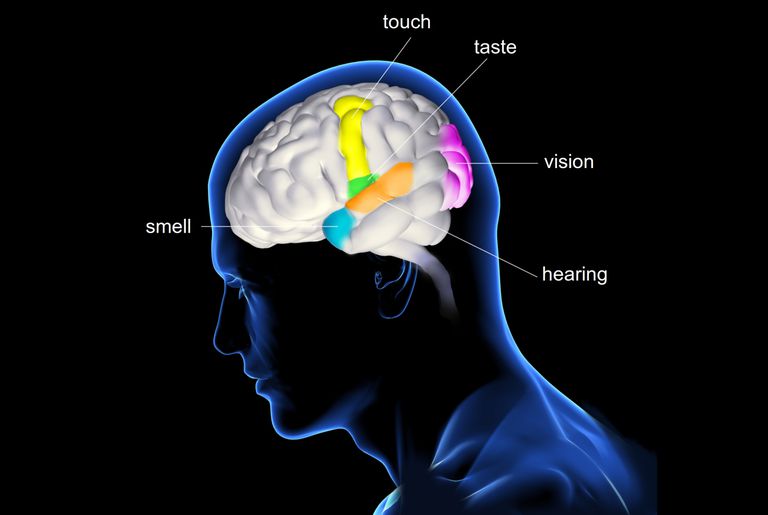
She continued. ‘When you lost your hearing 15 years ago, your brain re-used that area for something else, and now that it is stimulated again with hearing, your brain is madly reorganising what parts of your brain are used for what. It is also accessing your auditory memories to match up to what you are hearing now.’

brain_senses-56ccf48f5f9b5879cc5ba0e6

WOW! Mind blown. Not only by the fact that I can hear again, but by the knowledge that the brain has a design and intelligence that is beyond human understanding.

My cochlear implant journey has been a road filled with new learnings, revelations and knowledge. My erudite self is soaking up anything and everything about hearing, the cochlear and the brain. The more I learn, the more I realise what an amazing piece of architecture our brain is, one that cannot be replicated. It’s complexity and control of our bodies are both extraordinary and intriguing.

When Jane was talking about my brain reorganising, she was talking about brain plasticity, or neuroplasticity, which I was already familiar with from having to relearn my balance after having my balance cells destroyed in my left ear to stop the horrendous, violent, vertigo of Meniere’s disease.

“Neuroplasticity or brain plasticity, is defined as the ability of the nervous system to change its activity in response to intrinsic or extrinsic stimuli by reorganizing its structure, functions, or connections. A fundamental property of neurons is their ability to modify the strength and efficacy of synaptic transmission through a diverse number of activity-dependent mechanisms, typically referred as synaptic plasticity”

https://www.physio-pedia.com/Neuroplasticity

Principles of neuroplasticity

The brain wastes nothing…

So, my left hearing centre is like a baby again. It’s got me thinking. If I was a baby again, would I choose the same path in life. For instance, if I didn’t excel in sport, and I didn’t receive a head trauma just in front of my left ear that I believe caused my Meniere’s,  would I still have Meniere’s disease in my lifetime? Would I still be me?

Next blog – Learning to Hear is like Learning to Read

Julieann Wallace 300 dpi

(Dip T., B Ed., Author, Artist, Teacher, Tea Ninja, Chocoholic, Papercut Survivor)

Julieann Wallace is a bestselling author, artist and teacher. She is continually inspired by the gift of imagination, the power of words and the creative arts. She is a self-confessed tea ninja, Cadbury chocoholic, and has a passion for music and art. She raises money to help find a cure for Meniere’s disease, and tries not to scare her cat, Claude Monet, with her terrible cello playing.

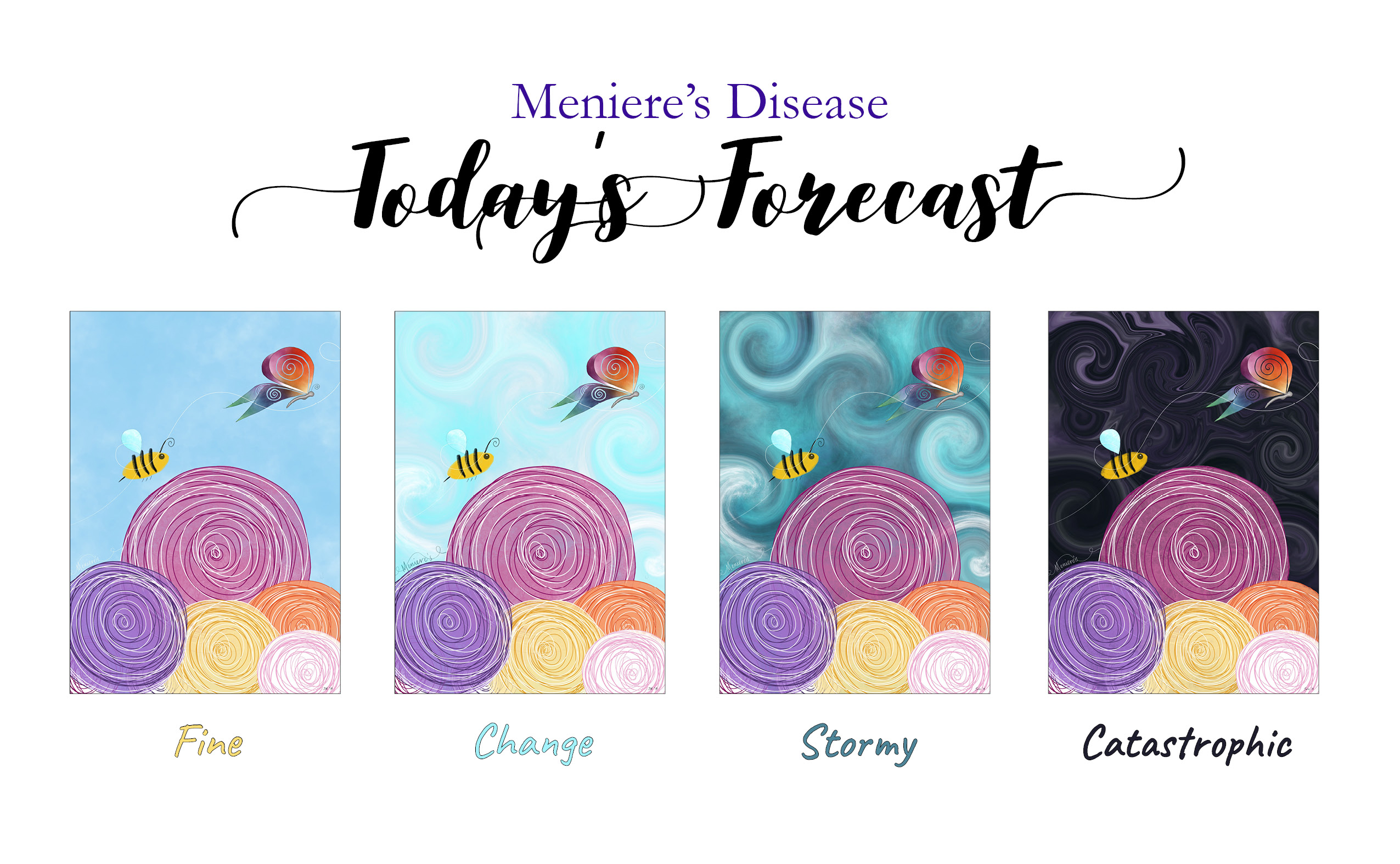
MD weather forecast

About this blog …

My Shadow, Meniere’s, is not just about the physical aspect of a Cochlear Implant – you can research about them online. I am sharing the human side of the journey towards a Cochlear Implant – feelings, appointments, the process, apprehensions, successes, highs and lows as I step into the next chapter of my Meniere’s journey.

I am mindful of those who also have incurable diseases or are walking the path of a diagnosis that is life changing. My blog never aims to undermine the severity of anyone else’s illness, disability or journey. We all deal with life with different tolerances, attitudes and thresholds. ‘My Shadow -Meniere’s’ is my journey. It is my hope that it can help others with Meniere’s disease, or hearing loss, or simply when life has a plot twist.

I also acknowledge those before me, who have already had a Cochlear Implant. Your experiences, advice and suggestions are welcome.


It Did Change My Life

Cochlear Implant Activation, 9th January


The alarm is sounding. It’s 6am. But it doesn’t wake me, my husband does. I am lying on my “good’ hearing ear, so I hear nothing. He touches me to wake me and I struggle to open my eyes. I’m tired. I’m so tired. I haven’t slept well because it’s hot and humid. The night-time low was 24 degrees Celsius.
 

clock-1426622__340


I roll over and vertigo hits me, followed by nausea.
op-art-2874994__340

Great, I think, as my world spins. I hold still and the room stops spinning and the nausea goes. BPPV. A misalignment of the crystals in the inner ear. I know I can do the Epley Manoeuvre to stop it. But I don’t want to do it until I check with my Cochlear Surgeon in 4 weeks’ time.

I breathe a messy breath through my lips and sit up. First, I focus on the wall to check that my world is not spinning again, then stand slowly, to ascertain whether my balance feels okay. I remember it’s Cochlear activation day. But I’m so tired. Activation can’t be on a day when I am exhausted before the day begins. It didn’t happen that way in my imagination when I looked forward to hearing again. I sigh. 

I push forward with my morning routine. Breakfast is low key. Toast with peanut butter and a cup of tea. Anxiety joins my shadow, Meniere’s, and me at the table. The three of us together again. I frown. Why do I feel anxious about activation, but not about the two-hour surgery where they drilled a hole in my skull three weeks ago?

I stop before the door before we leave to drive to the city. I feel safe here, behind the closed door. Comfortable. Once I open that door, my world is going to change. I take a deep breath, place my hand on the doorknob and turn it.

I step out into my future.

fantasy-4350993__340

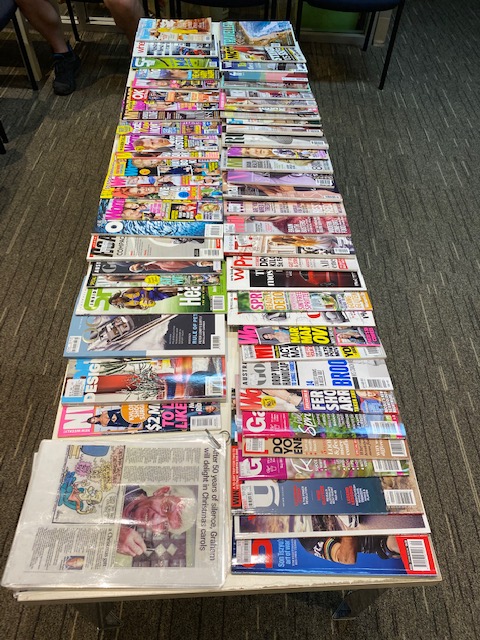
My husband and I arrive early for the appointment. We sit in the waiting room where the perfectly arranged magazines adorn the table, that have been painstakingly presented. When my husband takes a magazine, flips through it and plops it back on the table, I can’t help but to straighten it up so it is like the others.
IMG_1165

I look up when I think I hear my name called.

Jane, my cochlear audiologist greets me with a smile. The universal language that puts you at ease. Anxiety, Tinnitus, Deafness, My Shadow, Meniere’s, my husband, and I follow her to her office. We all sit down, except for my shadow, Meniere’s. He’s jumping up at the window overlooking the city, and sliding down with a giggle. I shake my head at him.

‘Welcome back,’ Jane says. ‘How did the surgery go?’

‘Good,’ I say. ‘I’ve had no pain, no major vertigo, just little spins when I roll over. BPPV. I can fix that with the Epley Manoeuvre, but I want to wait until I see my surgeon in a few weeks.’

Jane shakes her head. ‘The little spins may not be BPPV. Sometimes drilling the hole in your skull can upset your inner ear and cause that. It will get better.’

Oh. I am surprised by that information. I smile. ‘The surgeon managed to get the 22 electrodes all the way in. He was really happy with that.’

‘Wonderful. Plus you have two earth electrodes in there as well.’ Immediately my mind turns to the memory of me out in the storm the other day. I had rushed inside in case my implant attracted lightning.

thunderstorm-3625405__340

Then, on researching lightning and Cochlear Implants, I am no more likely to be struck by lightning than anyone else. Phew!

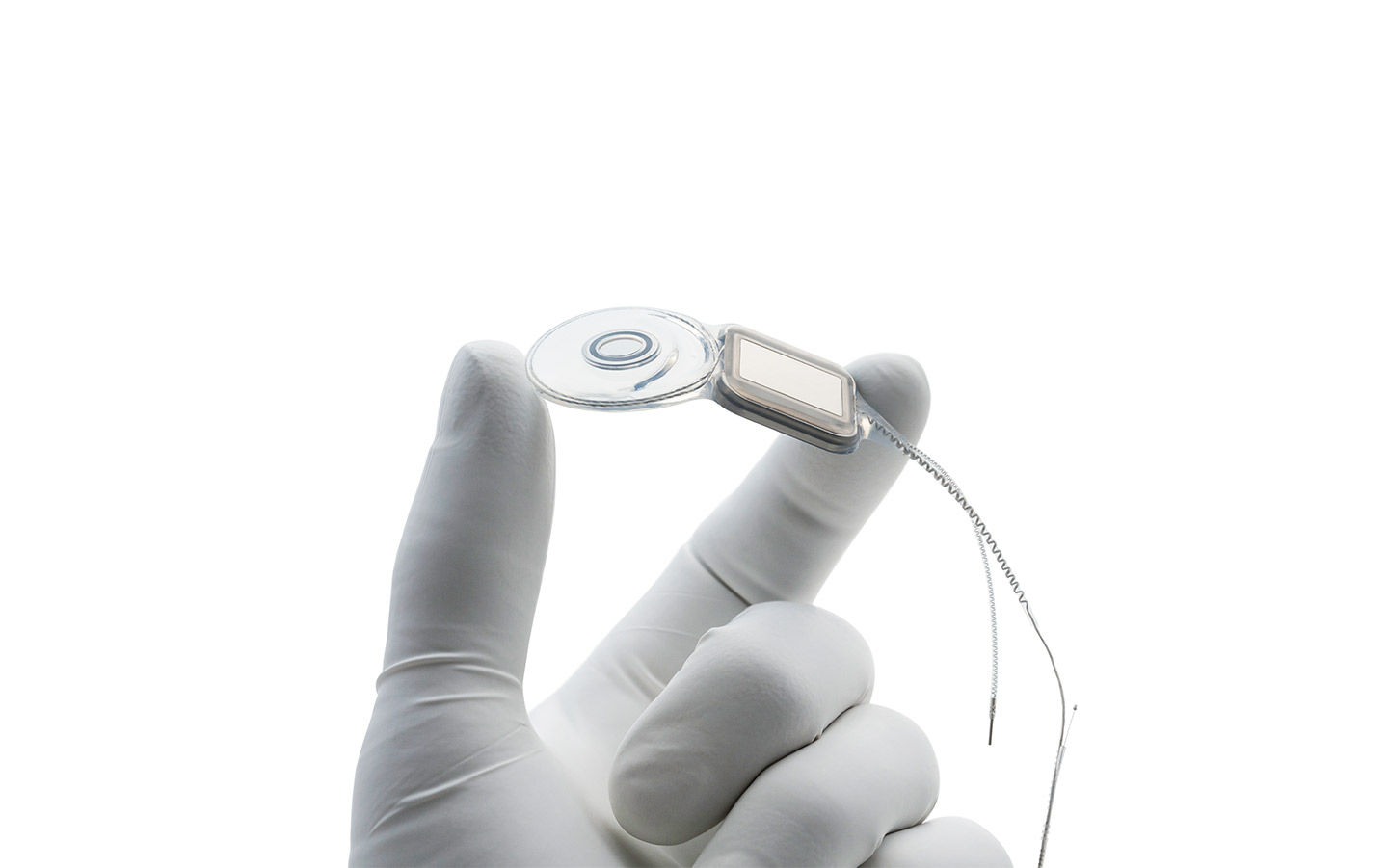
Jane turns to my husband and shows him what has been implanted into the cochlear of my inner ear. ‘The electrodes are 1/5 of the width of a hair strand, in size.’ My husband’s jaw drops to the floor. He shakes his head. It’s hard to comprehend.
worlds-thinnest-implant.jpg cochlear n7

‘Okay. Are you ready for today?’ she asks.

I nod, and see Anxiety double his size beside me. I want to grab a pen and stabbed him so he farts all the air out of him. My shadow, Meniere’s, sits in the corner and lowers his head. Tinnitus is doing pirouettes in a tutu. My life really is a circus!

Jane places the external hardware over my ear, attaches the transmitting coil to the magnet that sits under my skin on my scalp, all the while explaining how it works. The enthusiasm in her voice tells me how much she loves her job. She is super excited about switching on my Cochlear Implant.

Once the processor and transmitter are in place, Jane sits on her chair. I’m knotting my fingers together as my skin burns. I frown. I can’t hear a thing in my Meniere’s ear. Nothing has changed. My tinnitus is still screaming at me.

She attaches a wire to the speech processor around my ear and taps a few keys on the computer. She smiles and says all the electrodes are looking good. Then she taps another key and I still. My heart starts to race and my eyes widen. I can hear a few crackles and pops.

‘Can you hear this, Julieann?’ she asks in her English accented voice.

Three beeps sound in my deaf ear. Then another three at a different pitch, and another three.

‘Yes,’ I say, my voice cracking. I cover my eyes as tears fall. I can’t stop from crying.

woman-641528__340

‘I can hear that,’ I add.

‘Good,’ she says and smiles. ‘Are you okay? There’s tissues behind you.’

‘Yes,’ I squeak. I grab a tissue and look over at my husband. His eyes are red-rimmed and wet. He has been a part of my journey. Twenty-five years of being a spectator to my incurable Meniere’s disease, where he could do absolutely nothing to help me, except clean out the vomit bucket time after time after time after I had vomited violently whilst spinning, or attending the emergency room when I was so dehydrated from vomiting that it was dangerous to my health, or when we thought the violent spinning wouldn’t end. We’ve been married for 31 years. He knows exactly what physical, emotional and psychological toll it has taken on me. He has seen me during my darkest days.

Yet, I spared him from witnessing the darkest of dark days when I no longer wanted to be here, when I wasn’t the colour of grey with an “e”, nor the colour of gray with an “a”, but the colour of black.

From my novel – ‘The Colour of Broken’ – Yolande, the main character is sitting in the chair, talking to her psychologist …

‘What colour are you?’

I took a deep breath and twisted my fingers together. My stomach tightened. I cleared my throat. ‘The colour of broken …’

Dr Jones was silent.

I stopped breathing when anxiety rose inside me like a wall of lava, about to incinerate me. It was freaking me out that she now knew this about me, and that she had not reacted to the description of my colour.

‘And what colour would that be?’ she finally asked.

I breathed out through my lips, slowly, steadily, counting to five in my head. ‘Gray with an “a”.’

‘There’s a difference?’

‘Oh, yes. Grey with an “e” is very different to gray with an “a”.’

‘How?’

‘Grey with an “e” is like the rain clouds. It’s melancholy, but an enjoyable melancholy that builds up until it releases, and then it’s like petrichor, the smell of the rain after warm, dry weather. Satisfying. Grey with an “e” is also when deep thought, philosophy and ponderings happen. Everyone should experience grey with an “e”, it helps to discover parts of you that you never knew existed, and it can vanish without leaving a bitter aftertaste.’

‘Tell me about gray with an “a”.’

I looked down at my knotted hands. ‘Gray with an “a” is … never enjoyable—it’s a very dark gray. It’s self-judgement, doom and gloom, forever hanging around and within. It wants to drag you into the dark abyss of the colour black, that absorbs all colours … the colour of self-condemnation, the colour of depression, the colour of death of the physical body.’

‘But not the spiritual body?’

‘No.’ I didn’t want to add any more to this conversation. It was painful to talk about.
‘So, me being a supposedly normal person, could I see your gray with an “a”?’
‘No. Because I mask it. And my gray with an “a” is not a plain gray with an “a”. It’s a crackled dark gray, with other colours that seep out … sometimes.’

‘What colours would they be?’

‘Drips of red for anger … specks of black—’ for self-hate, ‘—for my secret, blushes of pink for my love for Mia and my family, and explosions of turquoise that screams at me to love myself …’

‘That’s very insightful, Yolande. It’s highly intuitive. I’m curious … when you look at me, what colour am I?’

I hesitated before I spoke. I never told anyone the colour I had appointed to them for fear of them running from me. But Dr Jones, she was different, she would understand …

‘You are … magenta,’ I finally said. ‘It’s the colour of a person who helps to construct harmony and balance in life, hope and aspiration for a better world—mentally and emotionally,’ I said, and held my breath, waiting for her reaction.

She raised her eyebrows at me. ‘That’s an amazing gift to have in your mind toolbox, Yolande. Does it ever lie to you?’

Jane says, ‘I’m going to switch on each of the electrodes, one by one. Tap on the table when you hear the beeps.’

And so it begins. As I hear beeps, and tap on the table, hope rises in me like a flower blooming, facing its sun. I hear 21 out of 22 electrodes. Jane is ecstatic.

I am in shock and a tears trickles down my face. I can hear!

She looks at me and smiles. ‘Do you need a break?’

‘No,’ I say. I am beyond fascinated. In awe. What an age to live in with medical science, discoveries and inventions.

‘Let’s try some speech,’ she says. She taps a few more keys, and suddenly there are words in my Cochlear Implanted ear.

I start crying, wiping a thousand tears from my cheeks. ‘I can hear what you are saying,’ I sob. ‘But you sound like you have been inhaling helium!’ 

balloons-1012541__340

Jane’s face lights up with a smile. ‘You can! That is so wonderful!’ She is looking at me with a contagious joy.

She continues talking. I hear her chipmunk voice, but I can’t understand her. She keeps talking, and with my good ear, I understand that, as she keeps talking for another 10 minutes, my brain will start understanding better. She says the hearing part of the left side of my brain has been used for some other processes since I lost my hearing. And now it is shuffling, trying to find my speech and sound memories, to make sense of what it is hearing. It is using auditory pathways and memories, and must work at a higher level to pull together the information to have bi-normal hearing. The brain must code all the information coming in.

And then suddenly, like a light has been turned on, I can understand much of what she is saying, as words. Not all of them, but quite a few. For the words I don’t get, my mind fills in the blanks with words to match the meaning of what she is saying.

I am speechless.

She turns to my husband. ‘Say something to Julieann.’

I look at him and smile. 

He smiles back. I see his lips move. I wait for the sound of his chipmunk voice. I swallow and my skin burns. His voice doesn’t even register as a chipmunk. I can’t hear his voice at all!

His eyes widen in panic.

Jane jumps in quickly in a calm and encouraging voice. ‘That’s okay. It will happen.’ 

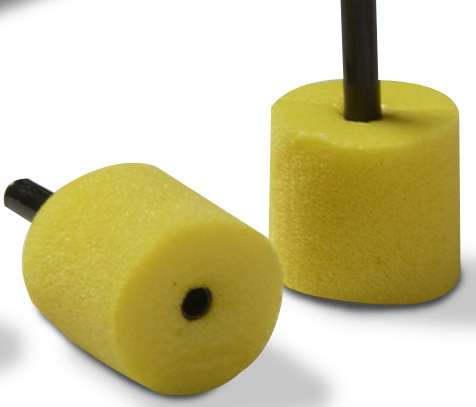
Jane reaches over and pulls out a foam ear plug and puts it firmly into my good ear.
c807010-1k

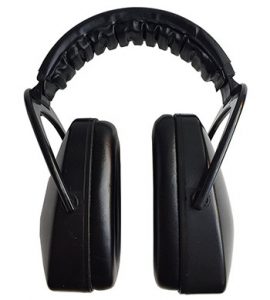
Then she places a hearing muff over my good ear.
TenTen-TI-All-Purpose-Earmuffs-in-Black-270x300

I have lost all hearing that I have been relying on to hear and understand conversation.

Jane continues talking like we are in a normal everyday conversation. I stare at her, trying to get what she is saying. It is so hard. Her voice is sound, but not words.

82766906_2666631973458317_2310843338988716032_n

I focus harder, and slowly some of the sounds become words.

She stops and asks me a question. I stare at her blankly. I am trying to figure out what she has asked. I am trying to piece together what words I understood of the question, and with the missing words, I am working on using any visual cues from what she is doing, plus I am trying to read her lips.

Finally, I answer with a smile. ‘Yes. I can hear you. And your speech is starting to sound like words.’ 

‘Well done!’ she says. And I understand her chipmunk voice perfectly. She then explains about the delay happening in my brain with the speech and understanding. She knows how hard I am working to try and understand the new input into my brain.

‘Can you hear this?’ she rattles a piece of paper in front of her.

‘Yes,’ I say, although it doesn’t sound like paper, but an unrecognisable noise.

She stands and goes behind me and I hear another noise. I nod my head. I can hear it. She shows me a tissue that she rubbed in her palms. I am absolutely gobsmacked. She asks me to repeat words. I get most of them right, guessing some of them. Then Jane covers her mouth so I can’t read her lips. I hear her, but not clearly enough and get some of the words wrong.

She turns to my husband and asks him to speak to me again, and he does.

I still can’t understand him, at all.

She tells him to slow down and breaks his sentences into chunks, and not to run the words together.

He tries again.

I smile at him and say, ‘No. You don’t sound like Darth Vader.’ He smiles. He’s happy now.

10fc09f37a7ade12eb1e7763a06465af

Jane grins. She goes through the Cochlear Australia backpack that is mine to keep. It is filled with bits and pieces for care of my Cochlear Implant external hardware, plus other bits and pieces and chargers and batteries and paraphernalia. She shows me how to use everything, and then asks me to do the same. It fits in perfectly with my teaching philosophy.
31093-Confucius-Quote-I-hear-and-I-forget-I-see-and-I-remember-I-do-and

After two hours of intense concentration, she asks in her chipmunk voice, ‘Is there anything you want to ask me before you leave today?’

I think for a moment. I’ve had way too much information overload. My brain is working double time and I am tired. ‘Is it okay to wear my new hearing to the Big Bash Cricket tonight?’

Jane laughs. ‘Yes. If you like. It will be very noisy though.’

images.jpg bbl

My husband and I leave her office, take the elevator and walk out into the real world. I stop for a moment, wondering if I can hold my emotions together. The impact of activation has been overwhelming. Two hours ago I had walked into Jane’s office deaf in one ear. Now I walk out, hearing with two ears.

The thought is profound.

My husband looks at me. ‘Are you okay?’ His eyebrows are pulled together. For a moment, I wonder how hard this has been on him? 

‘Yes.’ I blink away tears, then start to walk again. 

The world is noisy. Terribly noisy. I hear everything in a tinny, echoing, chipmunk way. My brain is detecting two lots of hearing with everything – my deaf, now hearing Meniere’s ear, hearing conversations of chipmunk voices, and chipmunk city noises of its own while I listen with my good ear to the same thing with normal hearing. The two sides of my brain haven’t synced yet. They are acting independently of each other. 

I laugh to myself. How privileged am I to be able to experience this oddity? My heart overflows with gratitude.

I take confident steps into my new normal. Into my future. Bilateral hearing. Something I haven’t had for 15 years. Something I thought would be impossible.   

Creative background, the human brain on a blue background, the hemisphere is responsible for logic, and responsible for creativity. different hemispheres of the brain, 3D illustration, 3D render 

Before I go to bed, I remove the external hardware. Immediately my ear feels full and profoundly deaf. My tinnitus returns. But that’s okay. That’s my other normal. Two of me.

I reflect on my most extraordinary day –  five times I have stilled at big moments:

  1. When the Cochlear Implant was activated and I could hear! My mind was blown!
  2. When I heard music. I cried so hard my husband wanted to pull over the car to make sure I was okay.
  3. I located the direction of a sound. I haven’t been able to find where a sound is coming from for 15 years. This ramifications of this for me in the classroom will change my stress level as I teach. 
  4.  I heard a man’s lower chipmunk voice while waiting to catch the bus after the cricket …

The cricket … I think back to the Big Bash Cricket and smile. On entry, I was pulled aside for a security check, the metal detector waved over and around me – it always happens to me at airports too. It’s become a running joke with my family. I held my breath, wondering whether my Cochlear Implant would set the detector off, but it didn’t. 

And Jane was right. The Big Bash was very noisy. But it was so worth it. And I’m taking marshmallows to toast in the flame next time!

And number 5 … I entered our walk-in wardrobe. As I stood there trying to decide what to wear to the  cricket, I froze. Something was wrong. Very wrong. My heart raced and I started to panic. I couldn’t hear anything. Not even from my “good” ear. I felt for the Cochlear Implant external hardware. It was still there. I ran my hands over my arms to make sure I was still me, and I wasn’t dying – seriously!

Something wasn’t right.

I could hear absolutely nothing. Nothing! I spoke to check that the Cochlear Implant was still working. Maybe the power pack had gone flat? I heard my own voice as well as my chipmunk voice. Two of me. I stopped and listened again in the stillness of my walk-in wardrobe.

There was silence. Utter. Beautiful. Silence. No tinnitus. After a quarter of a century. I closed my eyes and let my tears fall, covered my mouth and ugly cried. 

night-4489561__340

The gift of hearing. I am so beyond thankful. I have no words to explain what it feels like to have the Cochlear Implant activated and to hear again. My faith. Health professionals. Family. Support of friends and Facebook groups. It takes a tribe.

The Cochlear Implant has changed my life. On activation. It has made the impossible, possible. Meniere’s disease may not be curable, yet, but we can take back from Meniere’s what is has taken from us. 

woman-591576__340

Next blog – learning to hear again …

Julieann Wallace 300 dpi

Julieann Wallace is a best-selling author, artist and teacher. She is continually inspired by the gift of imagination, the power of words and the creative arts. She is a self-confessed tea ninja, Cadbury chocoholic, and has a passion for music and art. She raises money to help find a cure for Meniere’s disease, and tries not to scare her cat, Claude Monet, with her terrible cello playing. 

https://www.facebook.com/julieannwallace.author/

https://www.julieannwallaceauthor.com/

Meniere’s Journals are available for pre-order at Lilly Pilly Publishing  & Amazon (30 Jan. 2020). Profits are donated from ‘The Colour of Broken’ and the Journals to Meniere’s research to help find a cure.
About this blog …

My Shadow, Meniere’s, is not just about the physical aspect of a Cochlear Implant – you can research about them online. I am sharing the human side of the journey towards a Cochlear Implant – feelings, appointments, the process, apprehensions, successes, highs and lows as I step into the next chapter of my Meniere’s journey.
I am mindful of those who also have incurable diseases or are walking the path of a diagnosis that is life changing. My blog never aims to undermine the severity of anyone else’s illness, disability or journey. We all deal with life with different tolerances, attitudes and thresholds. ‘My Shadow -Meniere’s’ is my journey. It is my hope that it can help others with Meniere’s disease, or hearing loss, or simply when life has a plot twist.

I also acknowledge those before me, who have already had a Cochlear Implant. Your experiences, advice and suggestions are welcome.