It Will Change Your Life #12

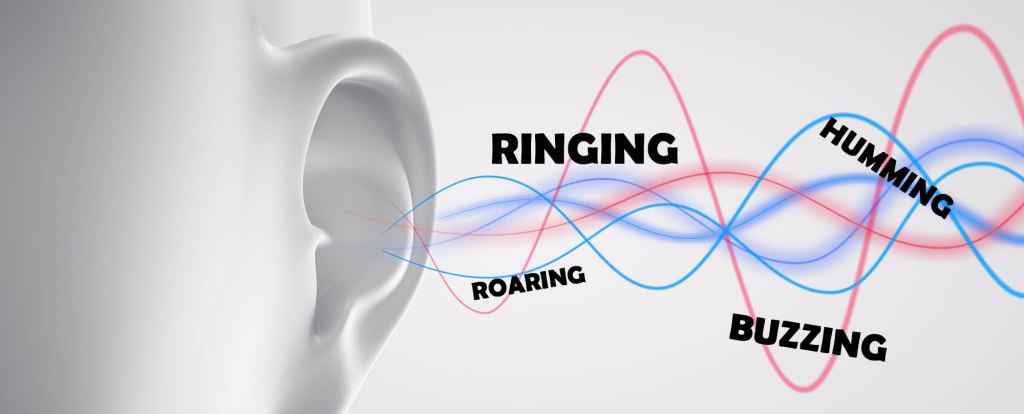
It’s two days before my Cochlear Implant activation and I’m sitting at my desk, writing my new novel. An overwhelming emotion hits. I want to cry. I want to ugly cry. I catch my sob and swallow the lump in my throat and refocus on my writing, listening to cello music with my right ear, trying in vain to hear over the incessant extra loud tinnitus in my deaf left ear – five different noises. It always wins, even at music concerts. I haven’t heard silence for 23 years. Nothing I can listen to masks the sound of tinnitus.

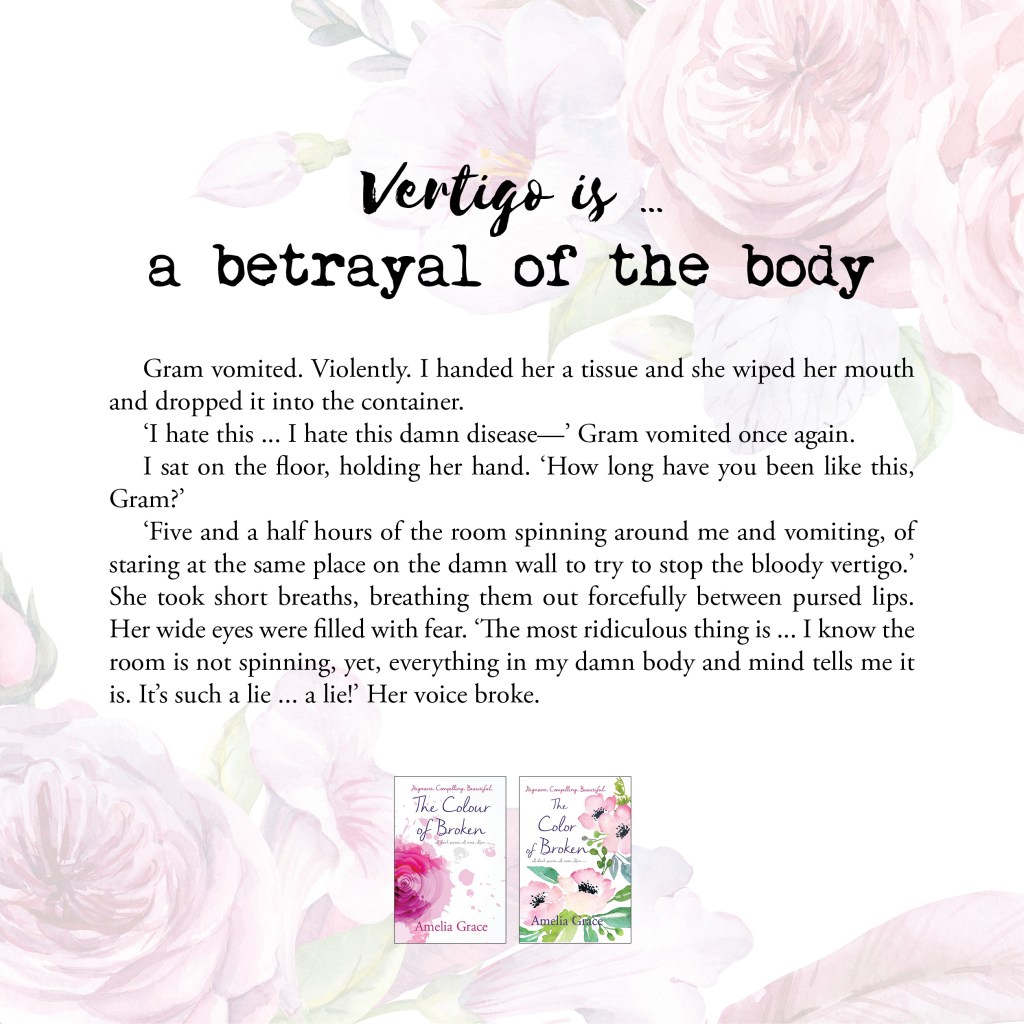
Three years ago, I received a cello as a birthday gift. I wanted to learn to play it so I could hear the music in my memory when all my hearing was gone. I wanted to play it and feel the vibration of the music inside me, so I could burn into my mind how music would make me feel when I could no longer hear. The emotion of music. That is why we all love it so much. It makes us feel. Emotion. It’s what makes us human.

I’ve been playing the piano since I was eight, and can see the written notes inside my head when music is played. I can look at a sheet of music with no sound, and hear the sound of the inky notes on the paper. But it’s the cello I love the most.

You never realise how important something is until it is gone. Anyone who has something wrong with their body can vouch for that. Look after yourself. Not that I did anything wrong to lose my hearing. It is Meniere’s disease that has done that. I hate it with a passion – not just for me, but what it does to people. I know several people with Meniere’s who have taken their lives because of it.

No more. No. More. Enough is enough.  

Sometimes, when I am playing music on my computer whilst writing or working, I stop and put my hands on the two speakers on my desk, and place my foot on the sub-woofer on the floor. I close my eyes and concentrate on the feel of the vibration. The vibration of the high and low sounds and everything in between. The light vibration. The strong vibration. The combination of vibrations.

I would love it. And hate it.

I would love it because I could still hear it with my “good” ear.

I would hate it because I am losing hearing in my “good” ear as well. It would kill me each time, knowing that one day I would never hear music again while walking the Earth. Did I do something to cause this? It tortures my mind if I let it. Then I am reminded that my life is all the more richer because of what I have been through.

It’s the day before activation.

I’m almost going into a panic. Breathe. I feel like a bird that has been trapped inside a cage for too long for it to remember freedom, and when the door is opened for it to fly from its prison, it stays there, because it feels safe.

This is me. A prisoner in my own body. I’ve had Meniere’s disease for 25 years this year. Nearly half of my lifetime. To be honest, there are many days that have been hell. Friends and family never saw that. They only saw the happy me. The one wearing the mask, fooling the world that I was okay. I faked being well. I’m a pro at it. I can’t remember what it’s like to feel “normal”. My life with Meniere’s disease is lived within strict limits as to what I can do. What I can eat. Choosing to isolate myself from social activities because I can’t hear, or I am scared of having a vertigo attack, or the worst one – rejection – because of my hearing loss and I can’t participate, or because I have answered a question wrongly because I couldn’t hear them, and I didn’t want to ask them what they had said for the fifth time.  

To have no vertigo. No tinnitus. And have hearing in my left ear again …  what is that? Is it even possible? What will I become? Will I still be me?

I admit. I am struggling big time. So I keep working on my new novel.

I’m 13,000 words in, and it keeps me from dwelling on the upcoming, perhaps, life changing event tomorrow. In every Cochlear implant group I have joined, the words keep being repeated, “it will change your life”.

But how? Is it that I will be able to hear from my left ear again? And that’s it. What exactly will it change in my life? Will I like it?

Activation Day…

Cochlear Implant activated. My mind blown.

My brain is scattered as I write this blog.

A thousand tears of feelings and thoughts, marvelling at technology – invented in Australia. Eternal thanks to you, Professor Graeme Clark.

I have warned my family – “Danger. I may break into unpredictable sobbing at any time. Good tears. Very good tears.”

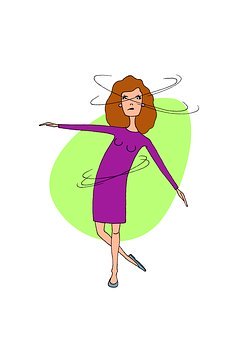
I am overwhelmed by feelings of intense happiness. Feelings of release from the Meniere’s prison. A billion memories of my life with Meniere’s and what I have been through. The vertigo. The abhorrent vertigo of hell that takes your hearing. The darkness of depression that wants to take your last breath.

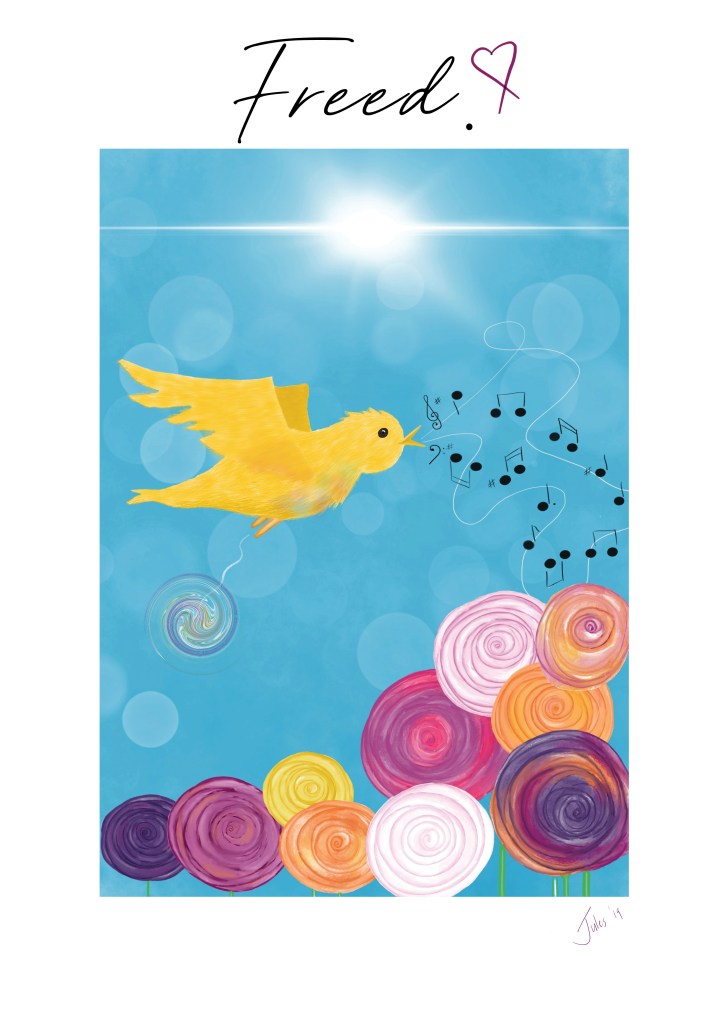
I feel like I have been freed.

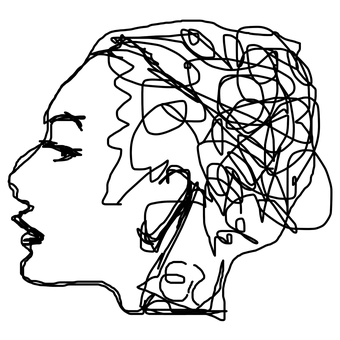
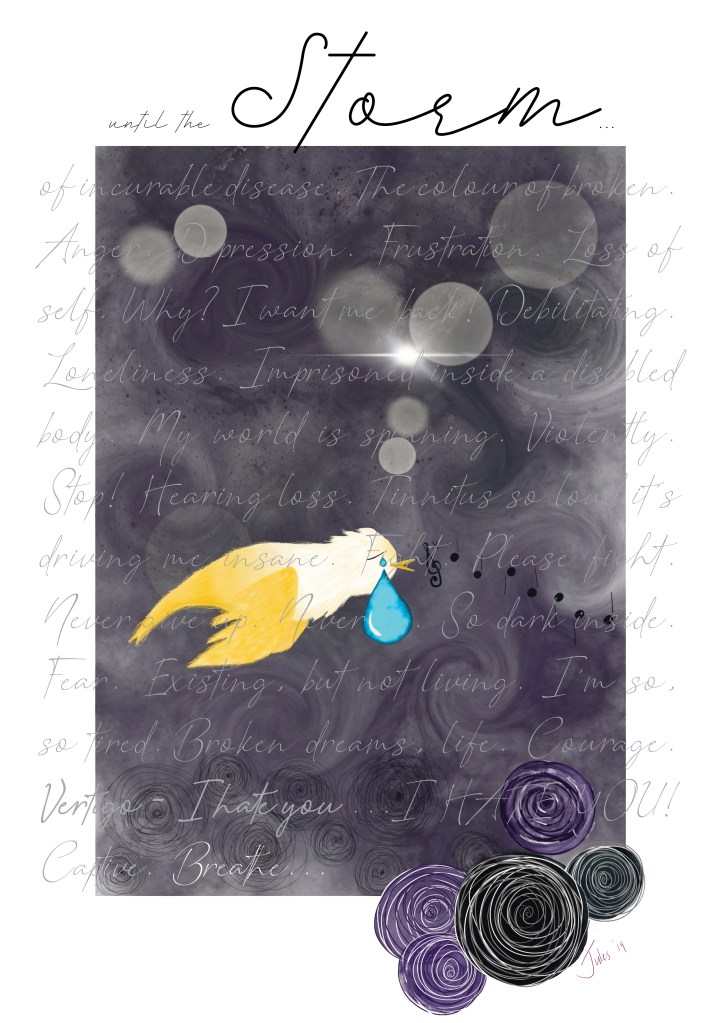
Art work by Julieann Wallace

I can’t write anymore today … I am too overwhelmed with emotion, and noise, and information. The world is so unbelievably noisy with a Cochlear Implant.

When the impossible becomes possible. I am so beyond thankful …

Next post … during activation xx

About this blog …

My Shadow, Meniere’s, is not just about the physical aspect of a Cochlear Implant – you can research about them online. I am sharing the human side of the journey towards a Cochlear Implant – feelings, appointments, the process, apprehensions, successes, highs and lows as I step into the next chapter of my Meniere’s journey.

I am mindful of those who also have incurable diseases or are walking the path of a diagnosis that is life changing. My blog never aims to undermine the severity of anyone else’s illness, disability or journey. We all deal with life with different tolerances, attitudes and thresholds.  ‘My Shadow -Meniere’s’ is my journey. It is my hope that it can help others with Meniere’s disease, or hearing loss, or simply when life has a plot twist.

I also acknowledge those before me, who have already had a Cochlear Implant. Your experiences, advice and suggestions are welcome.

Meniere’s Journal – coming to Amazon soon.
Available for pre-order at https://www.lillypillypublishing.com/product-page/meniere-s-journey-pre-order

It Will Change Your Life #10

December 16th. Three days before the Cochlear Implant surgery…

I am engulfed by the feeling of peace. It is flowing through me, around me.

I should be happy. But this sense, three days away from my Cochlear Implant surgery worries me. It confuses me. Where has my friend, Anxiety, gone? My shadow, Meniere’s, looks at me and shrugs.

Some people say anxiety is an illness. A mental health condition. A disorder. A disability. But I have never seen it that way. Anxiety, for me, is a super ability. It allows me to look at a situation, and see every possible scenario where something could go wrong, and allows me to have a plan in place in my head to react if something does go wrong. Even when it is paralysing and jumps out of nowhere while you try to work out what triggered it, going through the motions of a panic attack. It can be so irrational.  

In fact, I feel so peaceful, that the reality that I am having surgery to insert bionics into my head does not phase me at all. It’s surreal, like a dream that will not happen. It’s no threat to my being. However, it is so disturbing, that again I am questioning whether I should be getting a Cochlear Implant. I’m okay with hearing with one ear, aren’t I? I don’t in fact need a Cochlear Implant. My life is floating along on calm waters …

What has changed?

In the middle of the year I was hit with the truth that I was losing hearing in my good ear. I had been living in denial of the results of a hearing test two years prior. I was struggling to hear students at school, and constantly on high alert using my vision to pick up on any nuances, facial expressions, non-verbal behaviours that would tell me that I had misheard and misunderstood. This combination sent me into a downward spiral with a decision made in an instant to get a cochlear implant, so that I have some sort of hearing in my future.

But now, I am on school holidays. I happily disappear into my imagination all the time where I never have to rely on my hearing. I am having one-on-one conversations with my family, facing them, and their voices are not competing with background noise.

Life is good.

December 18th. One day before the Cochlear Implant surgery…

I leave the house with a bounce in my step, my shadow, Meniere’s, follows close behind. I am meeting two dear friends for lunch.

The moment we see each other we smile. The universal language that puts you at ease. I sit at a rectangular table, a friend on either side with me. My shadow, Meniere’s, sits opposite me with a smirk on his face, knowing that I have sat in the wrong place, and I won’t be able to hear my friend on the left. I glare at my shadow, Meniere’s. He is not always right!

After 5 minutes, I ask my friend on my left to change seats with me so I can hear better. As I stand, I scowl at my shadow, Meniere’s. He is always right. And I am always stubborn.

Halfway through our lunch, I sit back. I have mental fatigue from trying to hear our conversations, from reading facial cues, lips, and gestures, but not well enough the hear the conversation with 100% confidence. My friend’s voices are in competition with loud background noise, and my even louder tinnitus. Two times, a waiter has appeared on my left, and I had no idea that he was standing there asking me a question. By the third time, my friend told me he was approaching so I was aware.

I feel like I am on the outside. A spectator. I withdraw inside myself a little and sigh, but stay actively engaged in what conversation I can hear, and join the conversation only when I am 100% confident I have understood what they are talking about. There is no doubt. I do need a cochlear implant. Without it, I will continue on the spiral to being a social recluse, watching life go by.

Thank goodness for the perfect timing of friends. Without that lunch with my two dear friends, I would have been left forever wondering whether getting a Cochlear Implant was the right thing to do.

Next … surgery day.

About this blog …

My Shadow, Meniere’s, is not just about the physical aspect of a Cochlear Implant – you can research about them online. I am sharing the human side of the journey towards a Cochlear Implant – feelings, appointments, the process, apprehensions, successes, highs and lows as I step into the next chapter of my Meniere’s journey.

I am mindful of those who also have incurable diseases or are walking the path of a diagnosis that is life changing. My blog never aims to undermine the severity of anyone else’s illness, disability or journey. We all deal with life with different tolerances, attitudes and thresholds.  ‘My Shadow -Meniere’s’ is my journey. It is my hope that it can help others with Meniere’s disease, or hearing loss, or simply when life has a plot twist.

I also acknowledge those before me, who have already had a Cochlear Implant. Your experiences, advice and suggestions are welcome.

Artwork by Julieann Wallace

It Will Change Your Life #9

Wednesday, 27th November – balance therapy

Balance

/ˈbal(ə)ns/

noun: balance; plural noun: balances

1. an even distribution of weight enabling someone or something to remain upright and steady.

In 2004 I made a conscious decision to have my balance cells destroyed. I couldn’t do the horrendous, unpredictable, debilitating, violent, torturous, four-five hours of insane vertiginous spinning and nausea and vomiting and staring at one focus spot for the entire four-five hours anymore. I was more than done. So when my ENT offered to inject gentamicin into my middle ear to kill off the balance cells, halting the vertigo, I didn’t think twice.

Was the gentamicin my first port of call? Absolutely not. I had already had Meniere’s disease for 9 years and  tried:

* Low salt diet

* Diet elimination

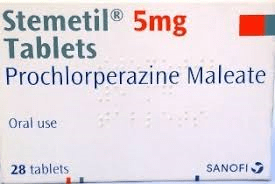
* Stemetil

* Diuretic

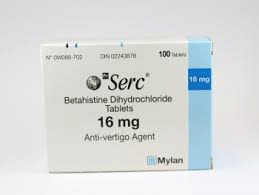
* Serc

* Sound therapy

* Acupuncture

* Prednisone

* Grommet

* Gentamicin. The gentamicin worked. One shot injected in through my grommet with some bicarbonate of soda and sterile water mixed with it to make it penetrate better.

The procedure took place at my ENT’s procedure room in the city. I lied on my right side while he injected the concoction in through my grommet.

‘Isn’t that hurting?’ he had asked me as he infused the mixture into my middle ear.

‘Yes,’ I had said, ‘but I am envisaging it destroying the Meniere’s in my middle ear. It’s a mind visualisation technique I taught myself when I was young, when I had growing pains.’

I remained on my right side, left ear facing the ceiling for 20 minutes after the procedure, then went home, where I went to bed and rolled onto my right side to keep my left ear up. I slept for 2 hours.

The next day I had bouncy vision when I walked. It has a term – oscillopsia. And was a side effect of having my balance cells destroyed. It was a good sign that the gentamicin was working, my ENT had said.

https://www.healthline.com/health/oscillopsia

Three weeks later I was back teaching full-time, learning to trust that I wouldn’t have anymore vertigo attacks. Fifteen years later, I am still vertigo free.

Choosing to destroy my balance cells to stop the vertigo was not a hard decision. Meniere’s disease had total control on my life, and I wanted it back. There was a risk of losing all of my hearing, but that was a preferred choice to suffering through the torturous vertigo anymore. The gentamicin stopped the vertigo.

I gained quality of life again – socialising, working, independence, driving, and slowly became more confident in my life.

I lost a little of my hearing, but not a lot.

If my vertigo returned, would I do it again?

Yes.

When I joined global Meniere’s groups, I discovered that others who had had this procedure done, were having balance therapy. I was shocked that there was even a thing called balance therapy. When I had my procedure done in 2004, balance therapy didn’t exist where I lived. I had to learn to walk again, finding my new balance, learning my limitations as I went. No help.

Today, I sit in the reception of the Vestibular Therapist’s office, with a referral from my Cochlear Implant surgeon.

Mandy greets me with a smile. The universal language that puts you at ease. Curiosity, and my shadow, Meniere’s, follow her to her office. I sit on a chair and she questions me about my Meniere’s history, writing notes.

‘I’m an concerned about your imbalance after 15 years. You should not have that deficit anymore. It may point to another problem you have. Do you have Meniere’s in your right ear,’ she asks.

‘No,’ I say. Anxiety joins us in the room.

She frowns at me. ‘Let’s do some tests and see what is going on.’

She asks me to balance with my eyes closed for 30 seconds. I pass this test. 😊

She asks me to walk across the room, heel to toe, heel to toe, heel to toe. I fail miserably. Two steps and I fall over. ☹

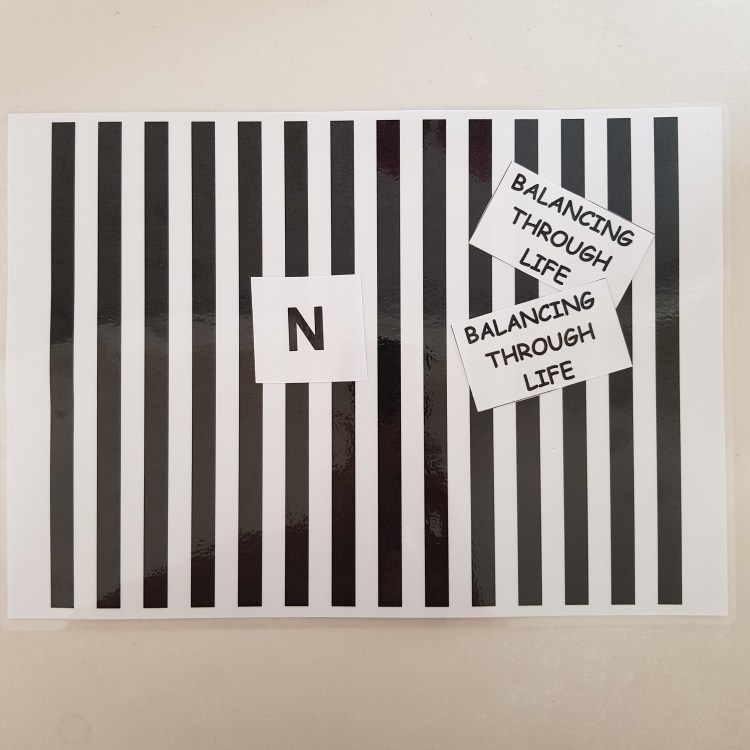
Then she asks me to look at the letter “N” on the wall, and moves my head left to right over and over and over, quickly, then asks me whether the letter moves. Yes. She repeats that test, but moves my head up and down over and over and over, quickly, asking whether the letter “N” moves. Yes.

Mandy sits close to me on my left. I have to sit at a 45-degree angle to her and focus on her nose. She then moves my head left to right over and over and over again, quickly. ‘That’s not too bad,’ she says.

She repeats the test, but this time she sits on my right side. I try to keep my focus on her nose as she moves my head left to right over and over and over again, quickly. I can not keep my focus on her nose at all. ‘Yes. That’s the gentamicin damage in your left ear,’ she says.

I sit on a massage table.

Mandy places some goggles over my eyes. She wants to see if I have Benign paroxysmal positional vertigo (BPPV). She does the Epley manoeuvre. No vertigo or eye movement evident.

Mandy stands and talks me through some vestibular exercises for neuro-plasticity – the brain relearning balance. I cannot express how happy I am to get these exercises. They will help me no end.

Except, each of the exercises make me feel insanely nauseous. I blow a controlled breath through my lips. I’m an expert at it.

‘Do you want to stop?’ she asks me during each exercise.

‘No,’ I say. ‘I can do this.’ And I get through to the end.

‘Can I take stemetil when I feel nauseous with the exercises?’ I ask.

‘No,’ she says. ‘It’s a vestibular suppressant, and your brain won’t learn the new balance pathways and desensitisation.’

‘What about Serc?’ I ask.

‘No. Don’t take Serc either,’ she says.

‘But it is only supposed to increase the blood floor in the inner ear,’ I say.

She shook her head. ‘No. That’s what they want you to believe. It a vestibular suppressant, like stemetil – it’s good for Meniere’s, but not other vestibular conditions.’

‘Some doctors say it does nothing for Meniere’s,’ I say, frowning, recalling how my own ENT and the Cochlear Implant ENT scoffed when I mentioned Serc. I wondered why the makers of Serc would say it increases blood flow, while the vestibular therapist, who specialises in vestibular retraining says it’s a suppressant. I know for a fact that many Meniere’s people say Serc keeps their vertigo at bay.

‘From the conferences I have attended, it does indeed work for many Meniere’s patients, not all though,’ she adds. Yeah, I was one who it didn’t work for, I think.

I leave her vestibular therapy room, which is in a really old house that is not level. I catch my balance as I walk through it. My shadow, Meniere’s, laughs at me. I am armed with vestibular exercises, and an appointment for next week.

I have now completed all of my necessary Cochlear Implant work-up appointments.

Next stop, the Cochlear Implant. December 19th.

It Will Change Your Life #6

Thursday, November 7 – MRI & CT Scan

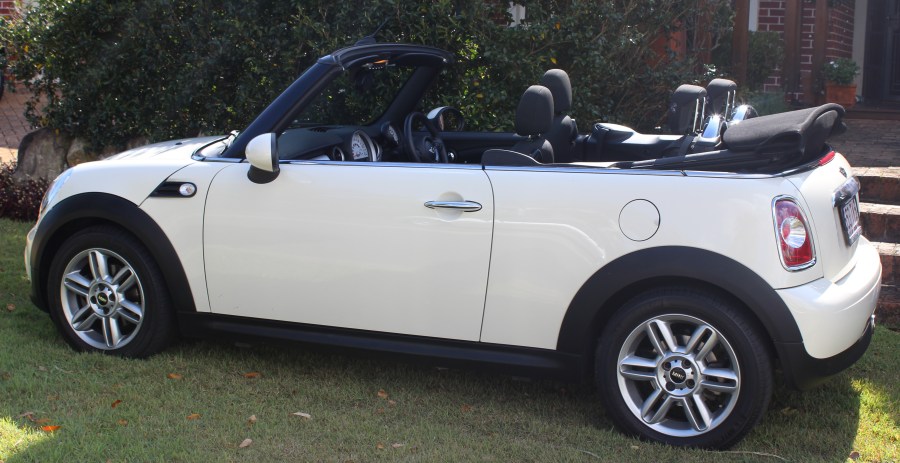
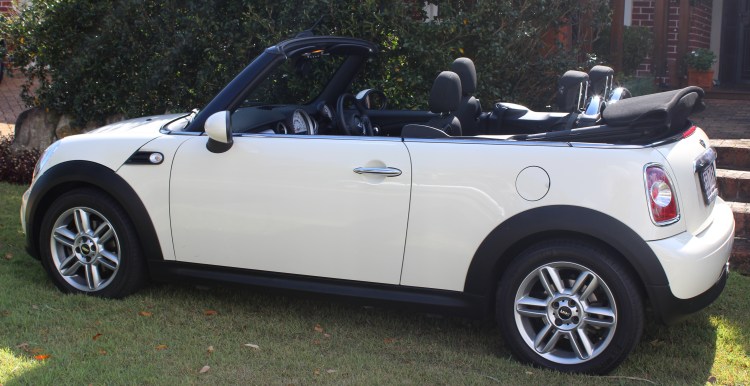
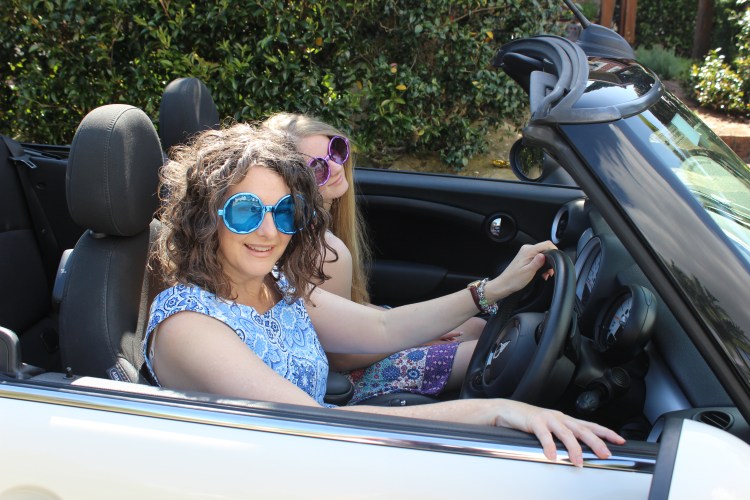
My beautiful daughter, Claire, is driving her beloved mini. I’m sitting beside her, groovy sunglasses on. My shadow, Meniere’s, is bouncing up and down on the seat behind me like a child high on sugar. Anxiety sits beside it, shaking its head at Meniere’s. I smirk at anxiety.

We are on the way to my MRI and CT Scan. Claire volunteered to drive me. She has always loved minis. Her love affair began a long time ago, way before she had her Year 12 formal, four years ago, when we hired a mini convertible for her and a friend to be driven to the formal venue.

Claire has a heart of gold. I often feel guilty that I couldn’t give her and her two brothers a childhood of excitement like I had always dreamed of – Wiggles concerts, other kids’ concerts, rides, play dates, adventures etc. Yet, she has grown into a remarkable young woman, as her two brothers are remarkable young men.

We turn the corner into the X-Ray building carpark.

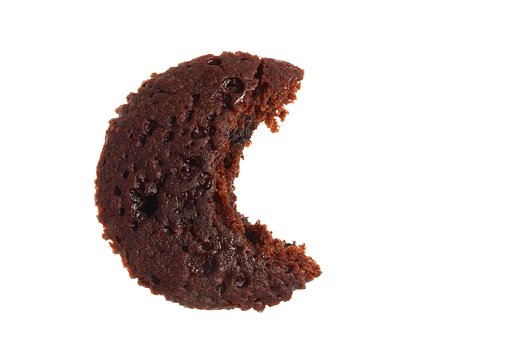
‘Do you think they’ll find the Meniere’s Monster inside my ear on the scans?’ I ask. My shadow, Meniere’s, stops bouncing up and down and listens.

‘Yes,’ replies Claire, ‘eating cookies!’

I laugh. That’s how we always deal with the cruel Meniere’s disease. With humour. ‘I don’t have Cookie Bite hearing loss anymore, remember, so it can’t be eating the cookies!’ My shadow, Meniere’s, pulls a sad face.

Claire smiles at me. She parks her mini and a mature-aged man smiles at us. He must love minis, too, I think.

Claire is armed with a book to read as she waits for the 40 minute MRI followed by the CT scan.

Today, I have a wandering headache and for once I am glad. I visualise the MRI and CT Scan zapping it to make it go away. I am happy for this next step before the Cochlear Implant, because if there is anything else nasty going on inside my head, it will show up on the tests.

I wait next to Claire. The waiting room is filled with 60, 70, 80 and 90-year-olds. I feel young for once.

‘If you hear my name called, and I don’t, can you tell me, please,’ I say to Claire. She has always been a source of extra ears for me. So thankful.

My name is called, and surprisingly, I hear it. But then, I have no idea where the voice is coming from. This is the problem with one sided hearing loss, you lose all sense of direction of hearing. It is most frustrating.

I stand and look around the room to match the voice to a woman in uniform. After scanning the entire area, I see her, smiling and waiting at double glass doors. I follow her through the doors, my shadow, Meniere’s, follows me with a sassy walk. Anxiety gives him a poke.

After the wardrobe change into the medical attire, I sit and wait. The most interesting thing in the room is the fish tank next to me.

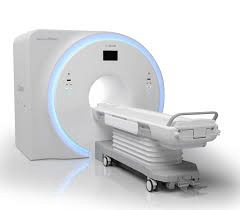
A person appears in front of me, giving me a fright. She approached me from my left side, that’s why I didn’t hear her. I follow her, with my entourage, into the room with the MRI machine. Amazing technology.

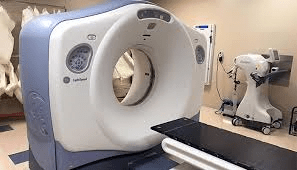
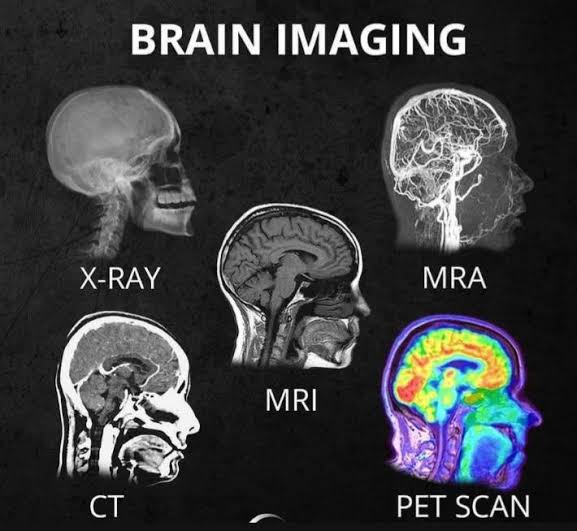
Before I came to the appointment, I wondered what the difference was between an MRI and a CT Scan, so I Googled it, and found this interesting image that explains it well.

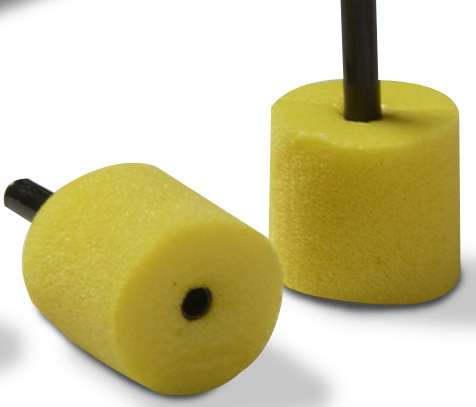
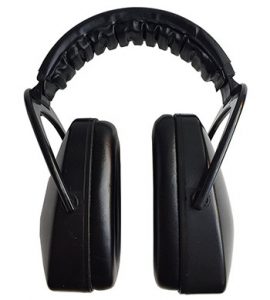
I lie down, put yellow ear plugs into my ears, and then have earmuffs placed over my ears, to protect my hearing, they say. I chuckle, thinking, I don’t need it for my left ear.

‘You can keep your eyes open or closed, but just don’t move your head,’ I’m told.

Too easy, I think, I’ve had lots of practise at not moving my head. Haven’t I vertigo? My shadow, Meniere’s, nods.

I’m transported inside the MRI machine.

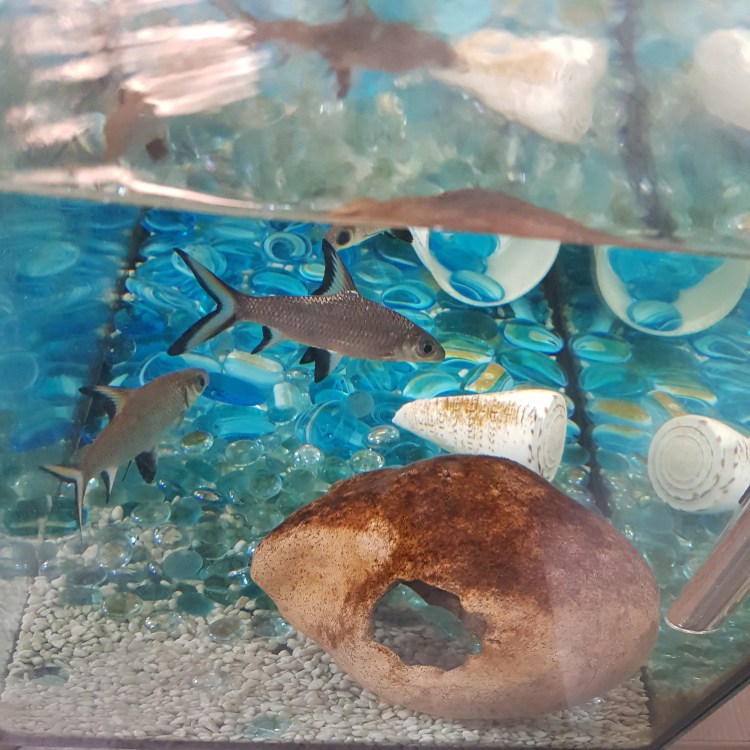
There is nothing but whiteness, except for a picture of fish in their blue water of paradise above me. Well played, I think, giving people something to look at while having an inside picture taken.

A similar image to what was on the ceiling of the MRI – the real image had many more fish.

I close my eyes and wait. My tinnitus is loud. The machine is loud, even through the protection of the ear plugs and earmuffs. But my tinnitus is much louder than both of those. It’s such a show-off, always being the loudest, even a rock concerts.

I can hear music. A little. I open my eyes to try and work out the song. “Welcome to the hotel California”. Apt lyrics, I think, especially the end of the song …  You can check out any time you like, But you can never leave!’ Meniere’s – you can never leave. I smile with my eyes. Music mirroring life. I look to the fish and decide to count them. 276.

I try to concentrate on hearing more of the music, but I can’t. My tinnitus is just too loud. Meniere’s, my shadow, is doing the victory dance.

My Meniere’s ear is throbbing, I notice. But not with pain. Is it the earmuff pressure? I shrug in my mind, then imagine the Meniere’s monster taking on different poses for selfies with the MRI. My shadow, Meniere’s, takes a bow. 

After 20 minutes, the MRI is finished. I go for my CT scan, which is much quicker.

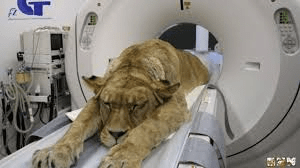
When I leave the building with Claire she asks, ‘Did you see any cats in the CT scan?’

We climb into Claire’s mini and start her up. My shadow, Meniere’s, is gazing out the window and anxiety has shrunk to the size of a peanut. Next destination, shopping. Claire is an artist and has her final art exhibition for university next week. She has a quest – to find something special to wear.

We stop for a hot drink. I choose a lavender latte. A celebration of my next step towards a Cochlear Implant completed.

The next appointment – the psychologist …

Claire and I – the morning after her Year 12 Formal.
Fun with the hired mini convertible!

About this blog …

My Shadow, Meniere’s, is not just about the physical aspect of a Cochlear Implant – you can research about them online. I am sharing the human side of the journey towards a Cochlear Implant – feelings, appointments, the process, apprehensions, successes, highs and lows as I step into the next chapter of my Meniere’s journey.

I am mindful of those who also have incurable diseases or are walking the path of a diagnosis that is life changing. My blog never aims to undermine the severity of anyone else’s illness, disability or journey. We all deal with life with different tolerances, attitudes and thresholds.  ‘My Shadow -Meniere’s’ is my journey. It is my hope that it can help others with Meniere’s disease, or hearing loss, or simply when life has a plot twist.

I also acknowledge those before me, who have already had a Cochlear Implant. Your experiences, advice and suggestions are welcome.

It Will Change Your Life # 5

November 5th 2019 – the Surgeon.

Life with an invisible illness is an interesting voyage. People cannot see what you are going through, what you suffer- physically, emotionally, psychologically, socially –  your invisible scars – so it’s hard for others to empathize.

People would often say to me, ‘Your life has been so easy. Everything just falls into place. Good things always happen to you. You’re always smiling.’ It used to frustrate me. They had no idea what I was going through. They had no idea I worked hard to be where I was in my career, my family, my three children. Nothing ever “fell into place”. It was earned.

During the hardest time of my Meniere’s disease, I was in very deep and dark depression that I couldn’t climb out of. Yet, I kept smiling. It was easier that way. I would patch up the cracks in my mask before I put it on and met with others. If I could meet others … if my shadow, Meniere’s, hadn’t imprisoned me for five hours of violent, debilitating spinning that would land me in hospital at times.

In hindsight, I’m glad my illness is invisible. It makes it easier to pretend that I am okay. I don’t have people avoiding me like I have a contagious condition. I don’t have people looking at me with well-meaning concern, or that “pity” look. I hate the pity look. I don’t have people devaluing the severity of my symptoms, like:

‘It’s okay, dear, we all get dizzy sometimes.’

‘Oh, I have tinnitus too. It’s so common. When it’s really quiet, I can hear a little “sssssssssss”. You’ll be fine!’

My friend had Meniere’s disease – he got a bit faint sometimes. He went to the doctor and is cured.’

Meniere’s disease. No cause. No cure. Yet.

Good things are coming. I know it. I follow the research.

My Cochlear Surgeon is younger than me, as my ENT had said.

I follow the surgeon into his office, my shadow, Meniere’s, behind me, then my husband, and anxiety far behind. The more I know about the Cochlear Implant the less anxious I feel. And I am so thankful to hundreds of people with Cochlear Implants who have reached out to me. The world is a wonderful place.

The surgeon tells me that my ENT believes my Meniere’s disease has “burnt out”.

“Burnt out”. There’s those two words that float around in Meniere’s groups.

According to menieres-disease.co.uk, “the term ‘burn out’ is frequently used to describe Meniere’s as though it is the end of the line, that it has finished. However, it really means that the vertigo attacks have disappeared as the vestibular function has now been destroyed. The disease continues to progress as hearing is completely lost, tinnitus and fullness will continue even after burn out.”

‘Hmmm … I’m not so sure that it has burned out. I still get little mini spins at times,’ I say. And it’s definitely not BPPV.

I am questioned about the history of my Meniere’s, then the surgeon asks me to sit on a stool so he can look inside my ears.     

‘Spin to your left,’ he says.

‘Spin?’ I say with a smirk, referring to the spinning of vertigo, then swivel the chair to the left, slowly.

Turn to your left,’ he says, smiling. Ah – he has a sense of humour. Good. He uses the auriscope to look inside my ear canal.

Turn … to your right,’ he says with a smile in his voice. I swivel the chair to the right, slowly, and he checks inside my ear canal.

The remainder of the appointment flows with quick succession:

Surgery date: 19 December. Overnight stay. $25, 000 Cochlear Implant cost covered by the health fund. Any questions?

I take a deep breath. ‘Will my vertigo return?’

He considers my question, then says, ‘I don’t expect it to, but there are no guarantees. For Meniere’s patients who still have some balance cells left, I usually wash out the inner ear with gentamicin while I am in there as an insurance that they will not have vertigo anymore, but since you have been so good for quite a while without vertigo, I won’t do that, in case it upsets anything.’

I nod, feeling a little numb. There is still no certainty that my vertigo will not return. How can it be burnt out if the vertigo returns? My shadow, Meniere’s, crosses its arms and grins.

Before I leave, the surgeon gives me a form for an MRI and CT Scan, and tells me I need balance rehabilitation before I have surgery, and to continue afterward. I raise my eyebrows and nod. I have never had balance rehabilitation; I just relearned my balance to walk by myself after the gentamicin was injected into my middle ear in 2004.  

I leave the surgeon’s office. Anxiety is waiting.

Next – MRI and CT SCAN

About this blog …

My Shadow, Meniere’s, is not just about the physical aspect of a Cochlear Implant – you can research about them online. I am sharing the human side of the journey towards a Cochlear Implant – feelings, appointments, the process, apprehensions, successes, highs and lows as I step into the next chapter of my Meniere’s journey.

I am mindful of those who also have incurable diseases or are walking the path of a diagnosis that is life changing. My blog never aims to undermine the severity of anyone else’s illness, disability or journey. We all deal with life with different tolerances, attitudes and thresholds.  ‘My Shadow -Meniere’s’ is my journey. It is my hope that it can help others with Meniere’s disease, or hearing loss, or simply when life has a plot twist.

I also acknowledge those before me, who have already had a Cochlear Implant. Your experiences, advice and suggestions are welcome.
It Will Change Your Life #4

October 31, 2019

I’m filled with so much doubt. I am choosing to get a Cochlear Implant. Am I allowed to choose? Or should I just accept my fate that I will remain without hearing for the length of my days, auditory colour disappearing from my life.   

I didn’t choose to have Meniere’s disease. I didn’t choose vertigo. I didn’t choose deafness. I didn’t choose tinnitus. Just like other people who didn’t choose their incurable diseases or illnesses.

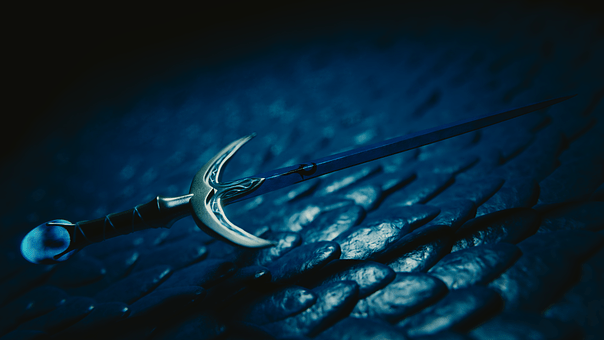
A Cochlear Implant feels like a second chance. A second chance at hearing. Of taking back something Meniere’s disease has taken from me. In my mind’s eye, I am facing the beast of Meniere’s, my sword drawn.

I want to be violent with Meniere’s. So violent. I hate it. I hate what it has done to me. What it has taken from me. I hate what it does to its victims. I want to slay it with an intensity that will obliterate it for eternity, with such force that it withdraws from bodily habitation of every person who suffers from it.

Cure come soon. Please.

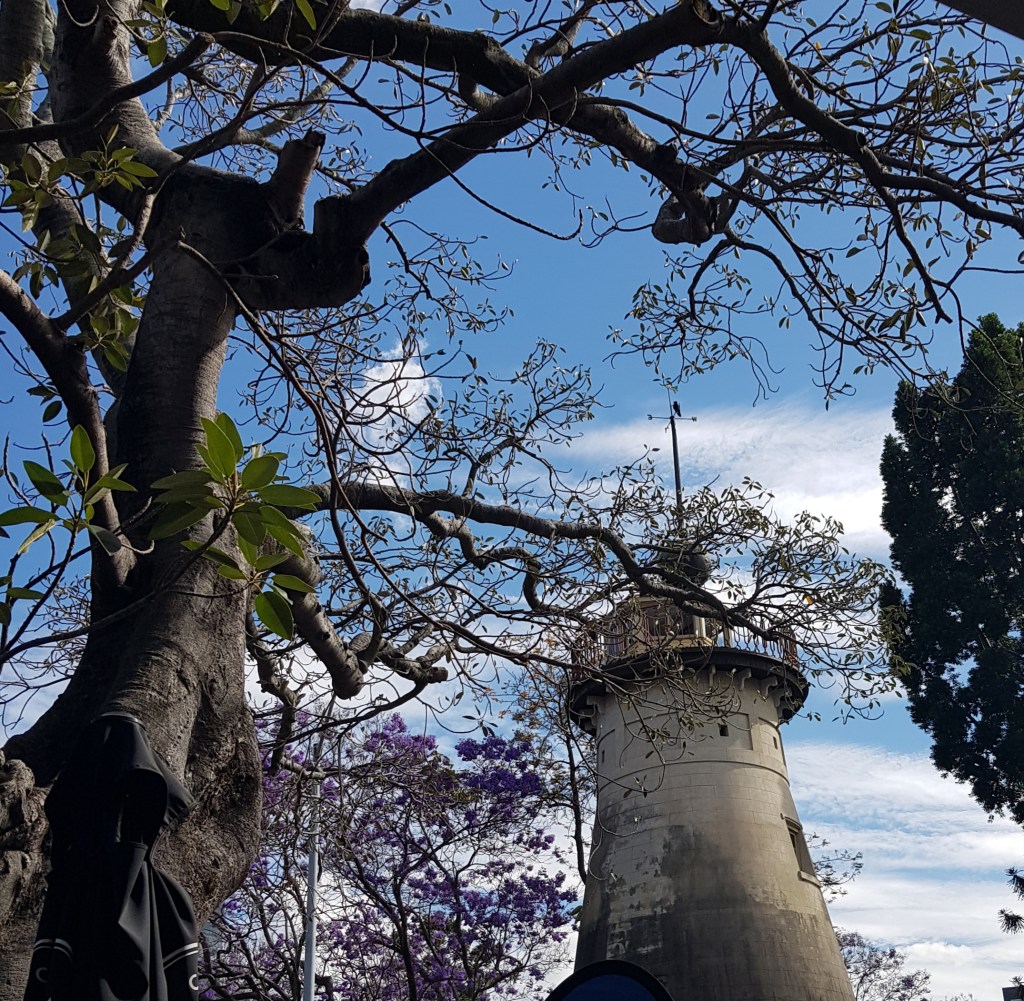
I arrive in the city. I look up briefly from the footpath that I walk on. A rarity. My normal walk is focussed on the ground in front of me, ensuring each step will keep my balance. I see an old windmill on top of the terrace. Unkept grey, striking against the beautiful lilacs of the Jacaranda tree. It was built by the convicts in the late 1820s and is the oldest windmill in existence in Australia. Due to its windless location, the windmill morphed into a symbol of “dread and torture” as penal Commandant Patrick Logan used convicts to work a treadmill he had constructed to keep the arms turning in lieu of wind.

Dread and torture. Fitting. A perfect symbol for Meniere’s disease.

A weathervane decorates the uppermost part of the windmill. And there sits a crow, blacker than night. It squawks. Welcome, I hear. Today, you will learn of your fate.

I inhale deeply. My eyesight returns to the uneven, battered, cracked path in front of me. Falling is never a good thing. Once you have your balance cells destroyed, when you fall, you have no idea where to place your hands to protect yourself.

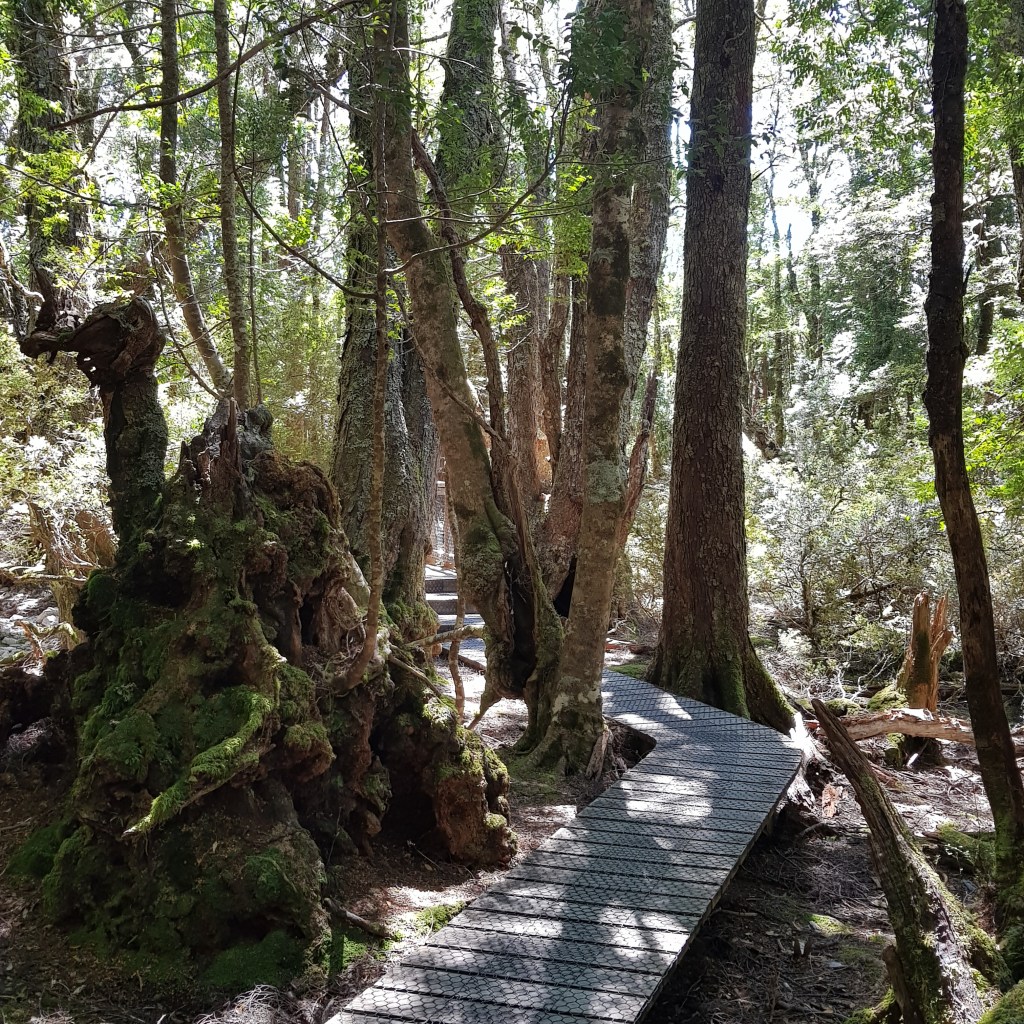
The first time I fell was Christmas 2018. We were on holiday in Tasmania, walking the Dove Lake trek at Cradle Mountain. 5.7 km. 3 hours.

After the walk we entered the cafeteria for a drink. Without warning, tears filled my eyes. In public.

My husband turned to me and the look on his face said it all. His eyes widened. ‘What’s wrong?’

‘I fell,’ I said. I wanted to sob. Loudly. Aftershock from the fall. I caught the sob in my throat. ‘I fell and I couldn’t stop it.’

His eyes filled with tears, but they didn’t leak down his cheek like mine. I always hate seeing his eyes that way. He was following me as we walked, to catch me if I fell. He always does that for me. My protector. And when it happened, there was no way he could stop it. I remember the panic in his voice as he leaned over me, asking if I was okay, looking over me, again and again. ‘Did you hurt yourself?’ he had asked.

All I could say was, ‘My phone is under the bush, over there.’ I had no idea how I saw it slide under the bush. When I fall I have no idea where to put my hands to stop me, or protect me – inside my head I see a body but no arms or legs. That’s what destroying your balance cells does. I just have to wait for impact and suffer the consequences.

‘I don’t care about your phone. Are you okay?’ he said.

‘Yes,’ I said. It was a lie. I was hurt. But I wanted to get up to save face. There were many people on the walking track. I HATE YOU MENIERE’S!

My husband pulled me up off the ground. My daughter picked up my phone. She was too quiet. How many times had she witnessed Meniere’s bring me to my knees with vertigo, deafness, depression? And now falling.

I blew out a long breath between my lips. Then set a rock in my sights to sit on for a moment to assess my injuries, then walked there, my husband holding onto my arm to support me. I wanted to yell at him, “LET GO OF ME. I’M NOT AN INVALID!” But I didn’t. He was trying to help.

I sat on the rock, looked over the lake and focussed on where I hurt – my wrist, my arm, my ankle and my back. Hold yourself together, I thought, people fall all the time. Put on your “I’m okay mask”.

‘Are you alright, Ma?’ my daughter asked.

Hold yourself together. The emotion of ‘I want to fall to pieces’ rolled through me. Hold it together. Breathe. ‘It could be worse,’ I said, ‘I could have broken something.’ I was hoping that I didn’t break anything. My wrist, arm and ankle were throbbing. Not to mention my back spasms.  ‘Thanks for picking up my phone,’ I added.

She nodded, looking at me with concern in my eyes. 

‘I’m sorry for falling,’ I say to her. I don’t want her to be embarrassed by me. I HATE YOU MENIERE’S.

And of course, she is not. She never is. She’s always one of the first to help. It is my own self-judgement that betrays me.

I stand. In pain. But I can walk to finish the last hour of the track.

My daughter is in front of me, glancing back at me once and a while, and my husband behind me. I’m glad. He can’t see me wriggling my fingers to check my wrist, and feeling where my right arm hurts, nor the wince on my face when my ankle hurts more than I want it to, or my back spasms. All I can think of is when my son would roll his ankle at elite triathlon training, and his coach would tell him to walk normally on it. So that is what I do, despite the pain.        

Back at the cafeteria …

‘I could have died if I fell in a different part of the walk.’ It was true. Parts of the track were on a boardwalk above the ground that fell steeply, scattered with rocks and trees. No rails to stop a tumble.

‘I know,’ he whispered. I watch his watery eyes and see him swallow harder than usual. ‘What do you want to drink? Do you want an ice-cream?’ He was using the distraction method. He knows me well.

Claire and I find a table away from most of the people. My wrist and arm throb. My back was spasming and my ankle twinging. Swelling was setting in. I ate my ice-cream, flicking tears from my eyes when they dropped. At least I don’t have vertigo, I thought. It was a good day, after all. Any day without vertigo is a good day. Suck it up, I tell myself, it could be worse.

We enter the ENT’s reception area. I laugh then shake my head in disbelief at the choice of carpet. The pattern on it makes me nauseous – thanks to my shadow, Meniere’s.

My ENT calls me in. ‘Good news,’ he says. ‘You are a candidate for a Cochlear Implant. I have signed you off on it if you wish to proceed.’

I swallow. There it is again. I get to choose.

I nod. But not with confidence. More like a ‘roll with the wave’ type of nod. I’m following a path but not certain of that is where I am meant to be. How will it change my life?

He refers me to a surgeon, and then as I leave, I thank him for his support throughout my Meniere’s journey.

‘You don’t know how difficult it has been for me, when there was nothing I could do to help you,’ he says.

‘But I am one of your success stories,’ I remind him. I wouldn’t be standing here today if it wasn’t for his help.

He shakes my hand. ‘Keep in touch. I want to know how you go.’ He gives me a smile.

I walk out of his office and numbness sets in. I’m a cochlear implant candidate. This just became real.

Next step. The Cochlear Implant Surgeon appointment.

It Will Change Your Life #3

Monday morning 28.10.19

Mum and Dad sit on the garden seat waiting for me.

I’m having my Cochlear Implant assessment today. This time I have to drive to the city. Except I can’t drive there by myself with 100% confidence. There’s too much visual movement. I don’t know which direction sound is coming from. Moving my head from side to side makes me nauseous … it’s a vestibular and visual nightmare.

I’m tired when we arrive. Being on high alert and concentrating intensely for an hour is exhausting. But I feel relieved, and sink down into the seat in the reception area at the audiologist.

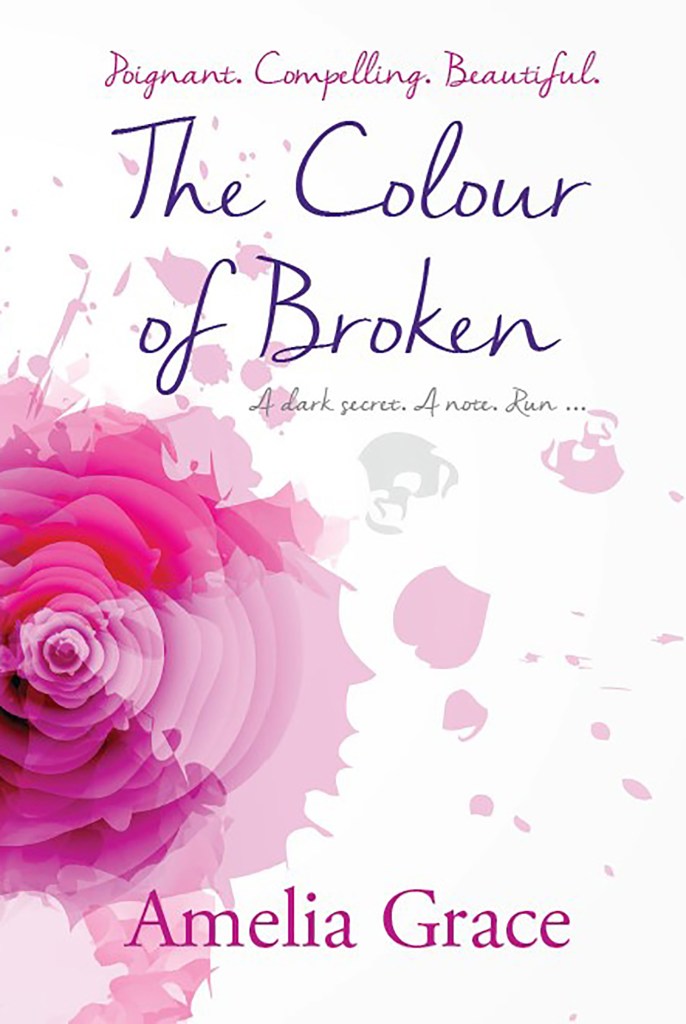
Soon after, Jane greets me with a smile. The universal language that puts you at ease. Anxiety, tinnitus, deafness, my shadow – Meniere’s, and I follow her to her office. I place my novel, ‘The Colour of Broken’, onto the desk beside me.

Jane tells me she is the Hearing Implant Manager, and a Senior Lecturer at the School of Health and Rehabilitation Science at the University of Queensland. I am in good hands. She is also the one who decides my fate, whether I am a candidate for a Cochlear Implant or not.

She reviews my file, my recent hearing test, and questions me about my history with Meniere’s disease, taking notes as I talk. Then she opens a power-point on the computer. It explains, page by page, the options for hearing devices for one sided hearing loss, like mine: cros hearing aids, and the bone conduction implants – BAHA and Bonebridge, commenting that they aren’t suitable due to the hearing loss in my ‘good’ ear.

She focuses on the Cochlear Implant slides: the what, why, how.

Afterward, words on the screen bounce out at me like they’re in 3D:

‘A cochlear implant can be the extraordinary alternative that CHANGES YOUR LIFE!’

There’s those words again. It will change your life. I keep reading it. I keep hearing those words from others.

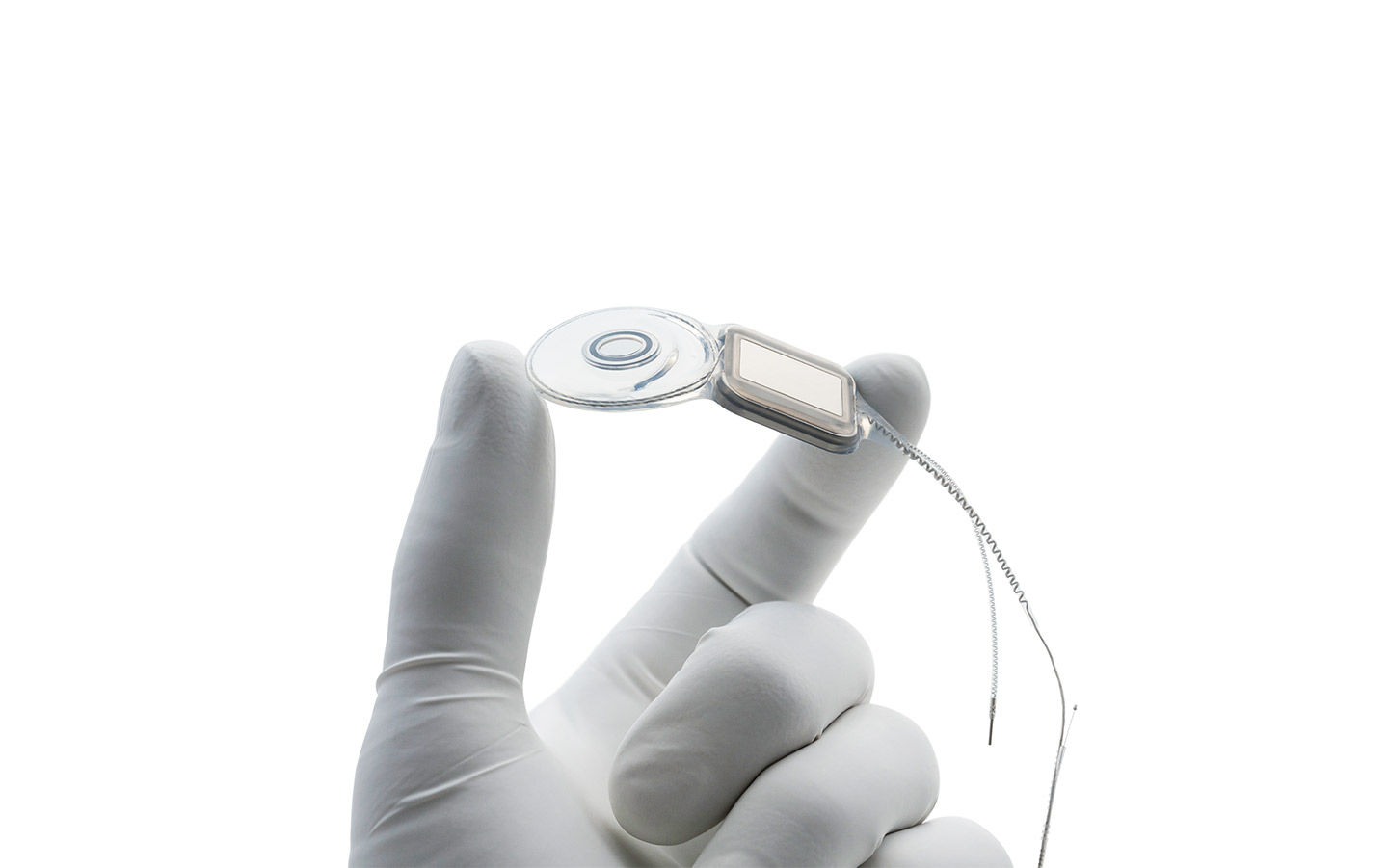
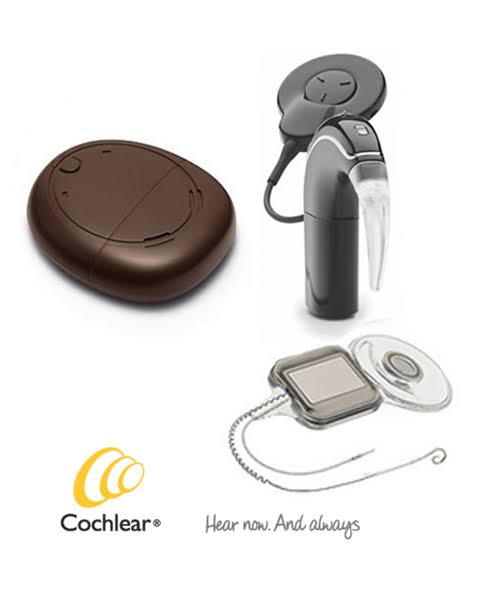
Jane hands me the cochlear implant to hold. This is really happening. I heft it. I am surprised by the light weight. She places the outer cochlear components on my head and holds it there so I can feel what it is like. Small steps, I think. This is a method of easing you into the implant, to help with acceptance. Psychology at work.

‘What do you think? Do you still want a cochlear implant?’ she asks.

‘Yes,’ anxiety and I answer. My shadow, Meniere’s, glares at me.

‘What would a cochlear do for you?’ she asks.

I frown. What a weird question. It will help me to hear from my left ear again, obviously, I think. Is this a trick question? After all, she is the person who will decide whether I am a candidate for a cochlear implant or not. My shadow, Meniere’s, laughs at me.

I take a deep breath. ‘It would give other Meniere’s people hope of hearing again. It’s such a horrid, depressing disease. They need to know that a cochlear can help us hear again when they think there is nothing that can be done for hearing … and … I have counselled some people out of suicide. This will give them hope.’

‘That’s a very heavy burden to carry,’ she says.

I frown at her. Burden? I have never considered it a burden.

Jane tilts her head to the side a little. ‘What … would a cochlear implant do for … Julieann?’

And there it is. The question I was avoiding. The question about me.

My eyes sting and tears threaten. Stop.

The question is digging deeper than I want it to. I thought I had boxed away all my emotion to do with MD. This is meant to be my brave, courageous face. My Sunday smile. The one I wear all the time, so people don’t know when I am suffering. I’m a pro at it. My shadow, Meniere’s, chuckles. It’s always there, lurking.

I look out the window at the skyscrapers. How do I answer? What would a cochlear implant do for Julieann – for me? The obvious answer is that I want to be able to hear in my left ear again. Am I being selfish? What does Jane want to hear? What are the magic words she wants me to say?  

‘For me?’ I shake my head, not wanting to continue to answer. This question is hurting. ‘I’m always putting myself last …’ I shake my head again. Do I even deserve to hear again with my Meniere’s ear? I think. A psychologist would have a field day with that comment!

Tears. Stop. STOP!

I cover my eyes with my fingers to prevent the waterfall of tears running down my face. I can’t ugly cry. My mum will notice when I finish the session. I don’t want her to know I have been crying…

I take a deep breath and sigh, trying to imagine life of hearing with a cochlear implant … it’s so hard to remember what having two hearing ears was like. I get a brief glimpse of me before Meniere’s disease. Before the shadow of darkness took full, vibrant colour away from my life. I can be re-coloured, right?

I swallow the lump of emotion rising from my chest. I can’t look back at my life. It’s too painful. I need to keep looking forward.

Courage. Breathe.

I look at Jane. Tears trickle.

‘A cochlear would give me a sense of direction of sound, especially with teaching in the classroom and yard duty. It would be a safety issue at school and my non-school life – my husband has saved me three times from being run over by a car … I would be able to go to social gatherings again. I don’t do social events anymore because I can’t hear what is being said, and people get tired of me asking them to repeat what they have said. I smile and nod when I shouldn’t be, and people frown at me. They choose to talk to someone else because I can’t hear them properly. The rejection hurts … really hurts. I now choose not to go out with friends and colleagues because I can’t hear properly.’ The words gush out of me.

‘Good,’ she says. ‘Do you still want a cochlear implant?’

‘Yes,’ I whisper.

‘Let’s do some hearing tests,’ she says.

I’m baffled. I did a thorough hearing test less than a week ago.

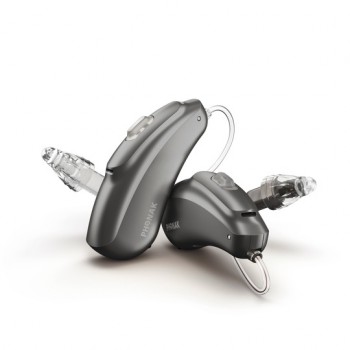
Wearing my Phonak cros hearing aids, I sit between two speakers, one near my left ear, the other one on my right. Jane tells me to keep looking forward and not to move me head. Sentences flow out of the speakers that I have to repeat. First with no background noise, and then will background noise on my left and then on my right.

Even with my cros aids on, I don’t have any speech discrimination when background noise is played on my good ear side. I do however get one sentence right – ‘Are you baking chocolate cake for the visitors tonight?’ I feel pleased with myself. My chocoholicism is shining through.

‘You’re very good a keeping your head still,’ she says.

‘I’ve had lots of practice.’ The memory of spinning violently with vertigo comes crashing forward. How many days have a I walked around and not moved my head to stop the nausea, or try to put off a vertigo attack? How many hundreds/thousands of hours have I keep my head perfectly still while spinning?

‘You’re very good at focussing on the words with the background noise playing,’ she says.

‘I’ve had lots of practice,’ I answer, thinking – this is every moment of my awake life.

‘If you are given a cochlear, you have to work at learning to listen with it. It’s not a magical device that’s turned on and suddenly you can hear normally. You must have people around you who will support you.’ She looks at the empty chair in the room. I take the cue and babble on about my husband having to go back to work today after facial surgery, and that my mum and dad are waiting outside for me.

‘Thanks, Julieann. I’ll write up a report about my recommendation for you and send it to your ENT. He will tell you if you are a candidate for the cochlear implant.’

Relief washes over me. I am done. No more tests or questions that are too uncomfortable for me to answer.

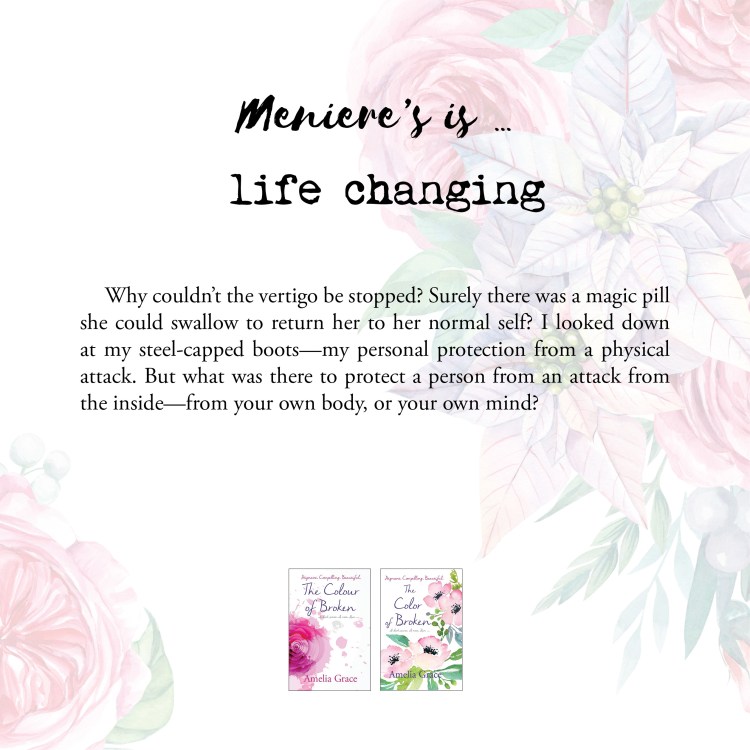
I gesture toward my novel. ‘I’d like to give this book to everyone here. It has a main character with Meniere’s disease. I wrote it to raise awareness and to help raise money to find a cure. I’ve donated around $3,200 to Meniere’s Research Fund Incorporated so far. Amelia Grace is my pen name.’

eBook & print book available at Amazon

Jane smiles and I sign it –

“The spark of hope can never be extinguished.”

‘I’ll leave it in a place for all patients to be able to read, but I’m going to be the first person to read it!’ She looks at me, her eyes twinkling.

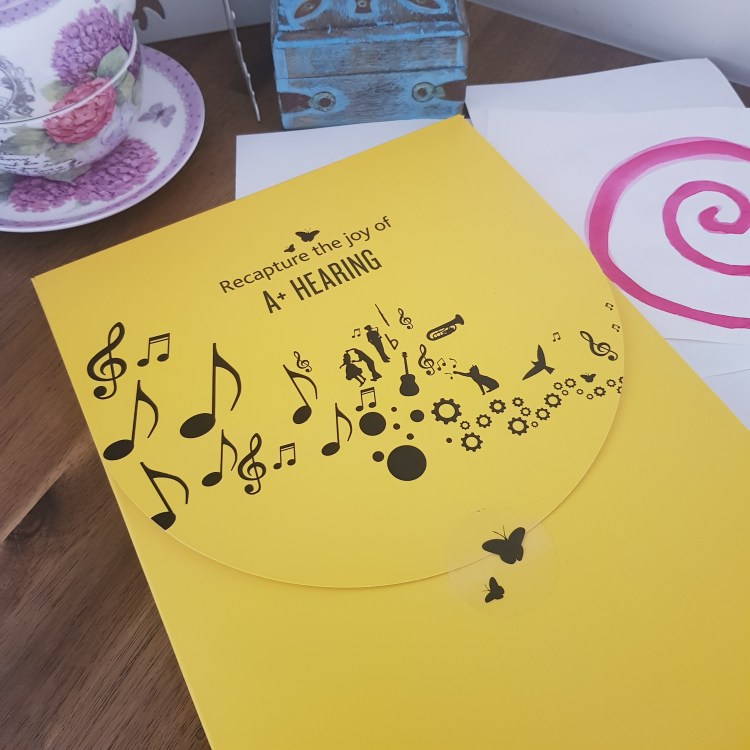
I walk out of the consultation – me and my shadow, Meniere’s. Anxiety is dawdling behind. Jane hands me a yellow folder.

The moment my mum and dad see me, they smile. The universal language that puts you at ease.

Next. Back to my ENT to learn my fate.

Art by Julieann Wallace

About this blog …

My Shadow, Meniere’s, is not just about the physical aspect of a Cochlear Implant – you can research about them online. I am sharing the human side of the journey towards a Cochlear Implant – feelings, appointments, the process, apprehensions, successes, highs and lows as I step into the next chapter of my Meniere’s journey.

I am mindful of those who also have incurable diseases or are walking the path of a diagnosis that is life changing. My blog never aims to undermine the severity of anyone else’s illness, disability or journey. We all deal with life with different tolerances, attitudes and thresholds.  ‘My Shadow -Meniere’s’ is my journey. It is my hope that it can help others with Meniere’s disease, or hearing loss, or simply when life has a plot twist.

I also acknowledge those before me, who have already had a Cochlear Implant. Your experiences, advice and suggestions are welcome.

It Will Change Your Life #2

Monday 21.10.19 continued …

My own silence is smothering me. The journey to the Cochlear audiologist in the city is forty minutes long. Forty minutes of staring out the window. Looking but not seeing. Forty minutes of mixed feelings and questions ruminating inside me, alongside anxiety, and the five impossibly loud noises of tinnitus that never leave me. I can never have inner silence. Ever.
psdesign1

I turn my head towards my husband. My ENT shakes his hand each time we visit him, and he fills him with kind words about sticking by me through my Meniere’s journey. ‘Most men would have left their wives by now,’ he says.

I focus on his facial scars from a recent surgery to remove two skin cancers from the bridge of his nose (a Basal cell carcinoma and Squamous cell carcinoma). Sixty-eight stitches. ‘There goes my modelling career,’ he joked with the plastic surgeon. We all laughed. Our fabulous Australian sun loves us too much. At least the cancers are removed now. He’ll get on with this life after this slight hiccup like nothing even happened. It’s not as if he has a debilitating condition that stops him from enjoying life, I think. My stomach drops. I berate myself for not being sympathetic to what he has been through, and guilt hits me like a freight train.

Disappointed with myself, I look back to the road before us, the movement of cars making me nauseous. I hate Meniere’s disease. When will it end? Meniere’s for life. Like a prison sentence. Wherever I go, Meniere’s goes. My shadow, always present. Lurking.   

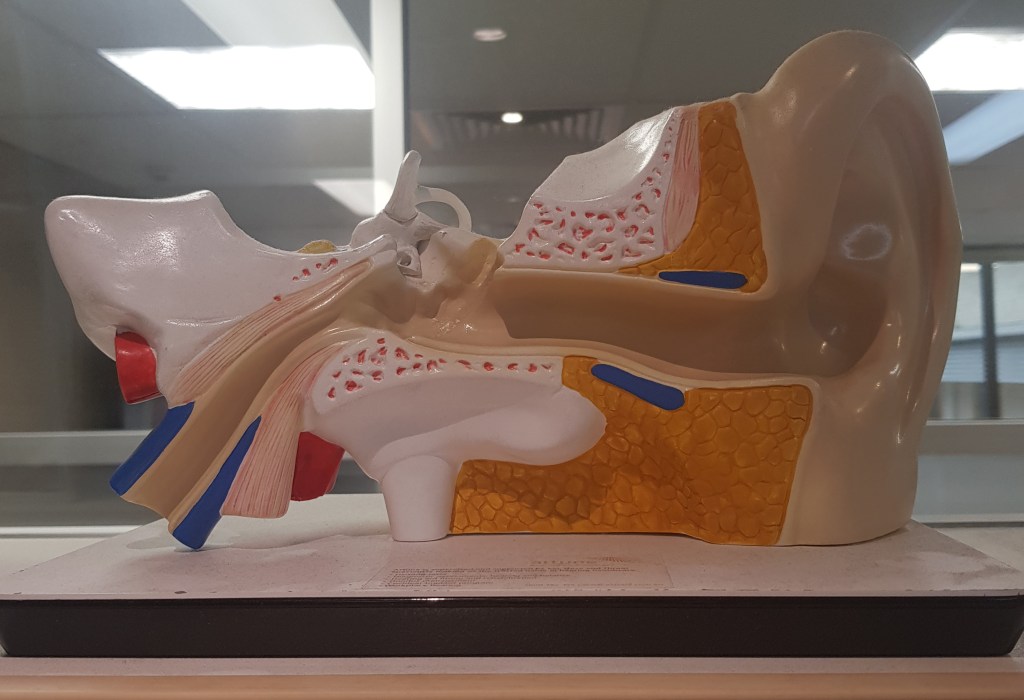
The first thing I see at the hearing centre is a ginormous ear. Yep. I’m at the right place! 

An audiologist enters the reception area and calls me to follow him. We go into a soundproof room and he introduces himself and then asks me, ‘Your Meniere’s started in which year?’

‘My left ear,’ I answer.

‘Uh – huh. Which … year … did it start?’ He repeats.

I burst out laughing at my mishearing. Welcome to my life. He doesn’t laugh like me. I’m guessing he has heard it all before. I am having my hearing tested for hear loss after all. Mis-hearing is nothing new to him. ‘It started in 1995,’ I answer in a serious voice.  

He asks more general questions, and at the end of his questioning, I say – just for general information, ‘I know that research shows no cause and no cure for Meniere’s, but I believe my Meniere’s is caused by being hit on the side of my head, close to my left ear, by a softball when I was sixteen.’

The audiologist leans back in his chair and folds his arms.

Uh-oh…  

He takes a deep breath. ‘Meniere’s disease is an inflammation of the endolymphatic sac and—’

‘I know, in detail, what happens in the inner ear with Meniere’s. I have been researching about it for 24 long years and was invited to the Meniere’s Symposium in Sydney last year (https://healthyhearing.com.au/menieres-disease-research-symposium/) and have heard about and seen images of the physiology of what happens during a vertigo attack.’ I had cut him off. I feel bad. He assumed I had no idea I knew anything about my disease, as one would. He should have asked first. All of us Menierians search for the exact moment that might have changed our lives, and research the disease itself. We talk to each other. We know A LOT of stuff about our disease.

He gives me a nod and says no more on the subject.

I add, ‘I had a hearing test a couple of years ago and it showed that I have cookie bite hearing loss (https://www.hearingdirect.com/au/blog/what-is-cookie-bite-hearing-loss.html ). It’s genetic on my father’s side. That’s why I would like to get a cochlear implant, so at least I have some hearing in the future.’

He gives me a nod again. ‘Okay. Let’s start the hearing test.’

He sets me up with the earphones, beeper, gives me the usual hearing test instructions then sits at his desk of hearing test gear. He gives a negative sigh and I wonder if he likes his job. We begin on my ‘good’ ear first, and I push the button each time I hear a beep, trying to ignore the terribly loud tinnitus in my left ear. Some tones I guess because I don’t know if it is the tinnitus sound or the beep, so I just push the button anyway.

My Meniere’s ear is next. I cannot hear the beginning of the beep at any time, but towards the finish of the testing, at times I hear the end of the beep, I think, so I press the button. I get excited when I can hear some high tones. I can hear! My heart smiles.

The testing continues. By the end, I have sat through these hearing tests:

1. pure tone audiometry, which tests how loud different sounds need to be for you to hear them

2. air conduction, which measures whether you can hear different tones played through headphones

3. bone conduction, which measures how well your cochlea picks up vibrations

4. tympanometry, which isn’t a hearing test, but a check of your eardrum

When the audiologist is finished, I sit in silence and wait on his results, still buzzing from the fact that I could hear some high tones in my Meniere’s ear. It’s a good day 😊

He looks up from the audiometric graph and pulls a face. I interpret it as a good result. I can hear in my Meniere’s ear, when I thought I was profoundly deaf. That’s what he is about to tell me…

‘You don’t have cookie bite hearing loss,’ he says. ‘Your right ear is fine, except you can’t hear the high sounds above our normal hearing range, which people with normal hearing can on our tests. Your Meniere’s ear is what we call, “dead”.’

I am surprised and happy. I don’t have cookie bite hearing loss? How did the testing show cookie bite hearing loss two years ago, but not now? I’ll take it as a win for my good ear.

Then my heart sinks. Weirdly I feel sorry for my left ear. The audiologist called it ‘dead’.

I touch my ear without thinking. Like consoling it. It’s like he has hurt its feelings. I blink.

The audiologist continues, ‘We do cochlear implants for one-sided hearing loss like yours. You have zero speech discrimination, so a cochlear implant will help you. Are you seeing Jane, the cochlear implant assessor, after this test?’

‘No. That’s Monday.’ I nod. Anxiety raises its head.

He gives me a smile. ‘Right. Let’s optimize your cros hearing aids.’

I follow him to another room overlooking the city. He cleans my Phonak Cros hearing aids that I love. I wear two – the left one sends the sound to the right hearing aid, so I can hear sound on my left side. The audiologist tells me the best place for prices to get replacement filters and batteries. Then he places them into my ears, puts an analysing device on my shoulders, and connects it all to the computer. He adds my latest hearing results to the program, and just like that, the computer system optimizes my Cros hearing technology. Brilliant.

I walk out of the audiologist’s rooms happier than I entered. I don’t have the genetic cookie bite hearing loss that affects only the girls on my dad’s side of the family, like my aunty and her three daughters. I’d add a happy skip, but I’d lose my balance and fall over. My shadow, Meniere’s, chuckles at me.

The next appointment – assessment for a cochlear…

Artwork and words by Julieann Wallace

About this blog …

It’s not just about the physical aspect of a Cochlear Implant – you can research them online. I am sharing the other side of the journey towards a Cochlear Implant –  my feelings, my appointments, the process, apprehensions, successes and failures as I step into the next chapter of my Meniere’s journey.

I am mindful of those who also have incurable diseases or are walking of the path of a diagnosis that is life changing. My blog never aims to undermine the severity of anyone else’s illness, disability or journey. We all deal with life with different tolerances, attitudes and thresholds.  ‘My Shadow -Meniere’s’ is my journey. It is my hope that it can help others with Meniere’s disease, or hearing loss.