I love Christmas. I love the childlike, contagious joy. I love the happy, and sometimes emotive music. I love the delicious baking aromas dancing through the house. I love the colourful decorations, the shiny baubles a grand temptation for our family cat and mini dachshund.
But, I don’t like the work gatherings. Three in five days this year.
I dislike not being able to strategically choose where to sit where I know I will have a better chance to hear to participate in conversations. I struggle with the unknown event planner sitting me at a table where conversations are bouncing around me, left and right, behind, in front, and back and forth, sometimes words heard, sometimes not.
I loathe the loud noise surrounding me, as I try to tune into the drowned-out conversations, the excess noise competing with the limited hearing in my good ear and it’s hyperacusis, and my cochlear implant in my Meniere’s ear.
I grapple with the embarrassment of asking someone to repeat themselves. Once. Twice. Sometimes three times.
And I deplore feeling like a fake, pretending to be a normal person who is perfectly happy, like everyone else seems to be as they enjoy every moment, while I sit there as a wobbling pool of anxiety that makes me want to flee from the room.
I hate being an observer, looking for who is talking … the unremitting, tiresome watching … watching how other people are reacting to what is being said that I cannot hear properly. Should I fake smile now? Should I pretend to laugh now? Should I look crestfallen now? Should I shake my head from side to side like others now? Should I nod, now?
I despise being the copycat, and the battle of trying to fit in.
I hate … how utterly exhausting it is.
And I resent how it makes me feel. Like I’m not good enough. Like I’m an add on. Like the others are just being polite to me.
I hate what Meniere’s has done to me. I feel like I am living in a world where I don’t belong. A misfit.
I feel like I am a spectator to a life that is full of colour, while my shadow, Meniere’s, drains the colour from my life.
And then I feel disappointed in myself.
I should be thankful that my vertigo was destroyed by gentamicin, also destroying my balance and having to relearn to walk using my eyesight. I should be thankful that I have a cochlear implant. I should be leaping with joy that I can still teach in classrooms of teenagers, guiding them, helping them to grow their wings so they can be whatever they want to be in life.
But, my work friends and colleagues (whom I love and adore) don’t know how exhausting it is trying to fit in with their photobooths, their conversations in a loud background environment, their misbelief that perhaps my life is as normal as theirs, when in fact my struggle is exhausting, riddled with the poison of life destroying anxiety.
They don’t know how, when I go home, I have to pick up the pieces of me that are breaking off to the reality that I feel like I don’t fit in. That I will never be normal. Like them.
They don’t see me as I melt into a pool of self-pity.
How do I ask my generous employer for an exemption from the compulsory celebratory gatherings? How do I explain I don’t want to go to the extravagant, lavish, work celebrations to stop the physical, emotional, and psychological fallout? How do I explain these social gatherings make me want to run from the room, or sink into a corner where I can be invisible? How do I explain that I don’t want to go so I don’t have to suffer my own personal after-celebration post-mortem of overthinking, and tears? How do I explain that I don’t want to go, to stop me waking at 3am, hating being me, and hating my shadow, Meniere’s.
And then I think … the person who others think I am, the version of me they see at work, is entirely my fault. I’m exceptional at covering up my disability and my invisible illness. 26 years of Meniere’s. I’ve had a lot of practice. They can’t see me working hard to keep my balance. They can’t see me working hard to have a conversation with them. They don’t see my cochlear implant, hiding beneath my hair.
And then I remember…
I am a survivor. A fighter. What I have been through with Meniere’s disease is heartbreaking. Devastating. Life changing.
I suck in a breath and hold back my tears …
But still. I so hate this. I so hate what Meniere’s has done to me, and what is has done, and is doing, to others.
I think back to the advice I generously give to others, reminding myself to use it –
Change your mindset from negative to positive.
Look for the small triumphs.
Celebrate the small wins.
I’ve done it a thousand times before. And I must continue doing it …
Well, I did do it! I survived three social celebrations in five days, as physically exhausting as it was. I’m thankful to be invited. It would be worse to be left out. I connected with another work colleague who is deaf in one ear. I asked her how she was going with all the noise, thinking how blessed I am to have a cochlear implant. I watched as normal hearing people struggled to hear conversations, me sometimes hearing the conversation better than them with my Cochlear Implant! And I had very patient friends and colleagues who did repeat words for me, and understood. And I thank and honour them for their kindness.
If you’re reading this, finding yourself nodding your head with perfect understanding, and even perhaps, tears falling, remember, if you are going to a social event, you can do it! I totally get what you are going through. Look for the helpers. Look for the good things that happen. And … forgive yourself. Forgive others, for they do not understand. Be kind to yourself – intentionally, extravagantly, unconditionally.
Good things are coming … I know it.
Julieann Wallace is a multi-published author and artist. When she is not disappearing into her imaginary worlds as Julieann Wallace – children’s author, or as Amelia Grace – fiction novelist, she is working as a secondary teacher. Julieann’s 7th novel with a main character with Meniere’s disease—‘The Colour of Broken’—written under her pen name of Amelia Grace, was #1 on Amazon in its category a number of times, and was longlisted to be made into a movie or TV series by Screen Queensland, Australia. She donates profits from her books to Macquarie University, where they are researching Meniere’s disease to find a cure. Julieann is a self-confessed tea ninja and Cadbury chocoholic, has a passion for music and art, and tries not to scare her cat, Claude Monet, with her terrible cello playing.
I die a little inside each time I hear someone with Meniere’s disease pleading for help, saying they can’t do it anymore, and when I hear the callout for prayer for someone who is suicidal from the insidious incurable disease … I’ve been there. I know exactly how it feels. I wish I had a magic wand to heal every one of us. Right now.
I get angry when I read Meniere’s patients being told by their doctors, ‘I’m sorry. There is nothing more we can do.’
Don’t accept it. There is more that can be done.
But … it also depends on what you are willing to do.
Let me tell you the short story of my journey.
1995 …
‘I’m sorry. There is no cure.’
‘No cure?’
‘No … no cure; no cause. But you’re not going to die from it.’ My ear specialist eyed me with caution. The bitterness of my diagnosis after five hours of testing was painful to acknowledge.
‘Let’s wait and see how your symptoms go,’ he said.
I stepped out of the ENT’s office, trailed by a very dark shadow: Meniere’s disease. It was so large it cast a darkness over me like a heavy, storm cloud, ready to erupt into the strong spiralling wind of a hurricane or cyclone at any moment. I knew the symptoms of my diagnosis well. I lived them with every breath that I took, mixed with fear and anxiety: aural fullness, hearing loss, tinnitus, and vertigo – the abhorrent violent vertigo – a life changer.
I felt like I was given a prison sentence.
Where was the key to escape from Meniere’s disease?
Wait and see how my symptoms go? Why? It could be a mild form that had little impact on my life, or it could go into remission.
But mine didn’t.
Thank you to the creator of this list.
After return visits to my ENT I was given a diuretic and Stemetil. That was it. And that was all they had in 1996. End of story.
But was it?
As my Meniere’s disease kicked into overdrive, destroying every bit of happiness I had in my life, the worst my ENT had seen, I got up to fight. Life was brutally unfair. Why was Meniere’s disease even a thing? It’s so cruel.
I was angry. I wasn’t going to accept “there’s no more we can do”. So I took control.
1. I started journaling my lifestyle vertigo attacks – what I did, ate, or drank beforehand an episode, trying to find a trigger or a pattern – and I discovered one – every two months I would have four hours of violent vertigo for nine days in a fortnight. Sometimes ending up in hospital.
2. I started my own research online when we finally had a home computer.
3. I researched and tried natural therapies.
4. I tried acupuncture.
5. I had my jaw alignment checked for TMJ (temporomandibular joint).
6. I listened to sound therapy for months on end – the Tomatis effect.
7. I took my research to my ENT, every visit. I’m sure he let out a sigh every time he saw my name on his patient list for the day. And when I found a Japanese doctor who claimed that the anti-viral Acyclovir cured people of their Meniere’s disease, my ENT was doubtful, but told me to give it a go. It cost me around $375 for each script from my GP – and that’s another story. It didn’t work.
8. I tried Serc.
But still, the debilitating vertigo rendered me defenceless. Incapacitated. And mentally, I found myself at the bottom of the darkest abyss with no hope, wearing a mask with a smile, covering up my very, very deep and dark depression.
2004 …
9. I tried prednisone. For one day I felt like a normal person. And then my vertigo returned.
10. I had a grommet inserted into my eardrum. It did nothing.
The doctor’s words were full of apology. And frustration. ‘I’m sorry. There is nothing more we can do.’
‘Nothing more?’ My heart sunk. There was no horizon of hope, like the sun’s rays projecting onto the twilight canvas. It had disappeared into the darkness. Like me.
Just me and the beast: Meniere’s.
My ENT looked gutted. ‘Well … we could try gentamicin injected into your middle ear, and if that doesn’t work, I can do a vestibular nerve section.’
‘I’ll take the gentamicin.’
‘It will destroy your balance cells. You will also lose some hearing.’
‘Does it stop the vertigo?’
‘It can. Yes.’
‘Then I’ll take the gentamicin.’ I didn’t care about losing more hearing. I couldn’t live with the vertigo. I was done …
2020 …
I’ve been vertigo free since 2004. But the gentamicin injected into my middle ear was not the low dose gentamicin offered now, it was the full strength, and I remember my ENT saying that he added bi-carbonate of soda and sterile water to the mix to make the toxic antibiotic penetrate better. I now have my life back. And my shadow, Meniere’s, is a small thing that follows me around, a reminder that I am a survivor and a fighter.
I have to admit, I’m a little jealous of newly diagnosed Meniere’s people now. You have so much more HOPE than I did when I started my Meniere’s journey 25 years ago. There are far more medications and treatment options and success stories, and support groups and people who have started blogs and websites for MD people.
You have so much more.
And remember, you can choose. Like I did. Make sure you have a supportive ENT. I’m eternally thankful to my ENT and his care and compassion. And now my new ENT for his skill with my Cochlear Implant that has allowed me to hear again after 15 years.
Meniere’s Warriors:
This is your weapon—Research—scour the internet for everything about Meniere’s disease and treatment options. Present them to your ENT. You are your best advocate. It’s your life. You take control.
This is your plan—Trial—approaches and treatments that people are having successes with (after researching – there’s a lot of scammers/snake oil salespeople/quacks out there trying to make money out of our suffering).
This is your mantra—Never give up and reach out. We’ve got this, together.
Doctors, this is our plea: please let us choose our steps to wellness, to a better life where we can find joy again, where we can take back what Meniere’s disease has taken from us. Please don’t say “there is nothing more you can do”. We have suffered more than enough.
I’m looking forward to the day when I hear: ‘Here’s the bad news. You have Meniere’s disease. Here’s the good news—we can fix it!’’
To help you out in your MD journey, I have a two freebies you can download:
The spark of hope can never be extinguished. A cure for Meniere’s disease is coming …
I write this blog with the knowledge of the great diversity of experiences of people with Meniere’s disease in mind. Some suffer greatly. Some little. Some people respond to medications. Some don’t. Some can still function with little disruption to their daily lives. Some don’t.
I also write acknowledge that there are many debilitating incurable illnesses, and I am in not in any way discrediting or minimalizing another person’s illness.
Julieann Wallace is a best-selling author, artist and teacher. She is continually inspired by the gift of imagination, the power of words and the creative arts. She is a self-confessed tea ninja, Cadbury chocoholic, and has a passion for music and art. She raises money to help find a cure for Meniere’s disease, and tries not to scare her cat, Claude Monet, with her terrible cello playing. playing.
The Colour of Broken is my best-selling novel (written under my pen name) that has a character with Meniere’s disease. It hit #1 on Amazon in it’s category a more than once. It can be bought at any online bookstore, including Amazon.
The Daily Meniere’s Journal is a 365 day print book to record your MD symptoms to find triggers and patterns. It can be bought on any online bookstore, including Amazon.
All profits from these books are donated to Meniere’s research to help find a cure.
I am mindful of those who also have incurable diseases or are walking the path of a diagnosis that is life changing. My blog never aims to undermine the severity of anyone else’s illness, disability or journey. We all deal with life with different tolerances, attitudes and thresholds. ‘My Shadow -Meniere’s’ is my journey. It is my hope that it can help others with Meniere’s disease, or hearing loss, or simply when life has a plot twist.
I also acknowledge those before me, who have Meniere’s Disease or a Cochlear Implant. Your experiences, advice and suggestions are welcome.
The rain is falling on our tin roof. I step off the veranda with my umbrella, and close my eyes. A tear slips down my cheek. I can hear droplets of water battering the umbrella with two ears. For the first time in 15 years. It’s a big deal. I never thought I would hear the world around me again in my left ear, except for the five torturing sounds of loud, relentless tinnitus – louder than any rock concert or loud party I had attended – a symptom of the abhorrent Meniere’s disease.
The rain is in ‘surround sound’. It’s surreal. I twirl, slowly, without losing my balance. My own type of raindance, keeping my cochlear implant processor dry.
Bliss. Happiness. Beyond thankful.
My homeland has gone from heartbreaking drought to catastrophic fires to flooding rain. But nobody is complaining. Rain is water. And water is life.
After a long moment of mindfulness, I return to my study. I have work to do. Learning to hear again. Not just sounds, but words and sentences to understand conversations to allow me to be confident with interactions with people, friends and family, and to restore my social life.
I can’t lie. I was more nervous about the ‘switch-on’ of my cochlear implant – where you finally discover if the electrodes work, how many work, and whether you can hear, or not – than the almost two-hour surgery.
I was never really certain about what I would actually hear with my cochlear implant. And there were no guarantees that I would hear well, or at all, after 15 years of deafness from Meniere’s disease. I wondered, if I could hear, would it sound like ‘normal’ hearing? Would I be able to understand speech? Would I be able to hear music? Or, would I be lost in a world of robotic hearing that is so terrible and irritating that I will regret having the procedure done? What if it is not successful?
I’m taking an enormous leap of faith. I’m diving into an unknown world. How many times have I read the words, “I’m too scared to get a cochlear implant!”?
On the flip side, how many times have I read the words,
“It will change your life!”
Before being activated, I watched online cochlear implant simulators that claim to sound like what is heard with a cochlear implant, but many of them didn’t sound like my implant. And many were dated a very long time ago, when the technology was new. Hearing with a cochlear implant has come along way since then.
The video that I think is close to what hearing with cochlear implant technology is like, is this one – and that was in 2014. Since then, cochlear implant technology has been improved and refined.
Learning to hear. It’s a new territory for me. A new journey. But one I am excited about.
I did a silent dance of victory when my cochlear audiologist told me I had to listen to audiobooks for at least 30 minutes a day to learn to hear. I LOVE reading!
And then there were the apps for my iPhone (thanks to Apple for the direct connectivity to my CI – the Nucleus Smart). Apps filled with common environmental sounds; sight words; matching the sound to the visual word; matching the picture to the sound; word discrimination; sentences; and more (there’s a list of apps at the end of this blog).
The moment I started to listen to the audiobook, ‘The Lake House’, by Kate Morton, and followed the words in my print book, I startled.
Learning to hear is just like learning to read!
I should know. Over my teaching career, I’ve given thousands of students the gift of reading.
But with learning to hear, instead of learning what a word looks like in print, you are learning what a word sounds like. I’ve decided to call it a ‘SoundPrint‘. I don’t know whether that’s a real thing, but I like the concept of it. I like the thought of making a ‘SoundPrint‘ in my cochlear implant ear to make new hearing memories, and connecting stored memories of my once upon a time hearing to my new hearing. It’s like bringing beautiful colours of hearing back to the greyness of my deaf ear.
I’ve got to admit, I’m addicted to my cochlear implant hearing. When I don’t have my CI processor on, I feel like a piece of me is missing, and I recede to my former self, the other me, all my senses on high alert – I didn’t realise how exhausting my life was before my new bionic hearing.
The gift of hearing. Thank you can never be enough to Professor Graeme Clark AC, the inventor of the multi-channel cochlear implant. My heart smiles everyday, thanks to you.
I’ve started compiling my Spotify Cochlear Music Collection – Cochlear Implant Music by Jules – it’s a work in progress, and I’m still on a learning curve with music. But I have discovered, that if I already know the song, it is easier to ‘pair’ the music with my cochlear implant hearing and my music memories before hearing loss 😊
Julieann Wallace is a best-selling author, artist and teacher. She is continually inspired by the gift of imagination, the power of words and the creative arts. She is a self-confessed tea-ninja, Cadbury chocoholic, and has a passion for music and art. She raises money to help find a cure for Meniere’s disease, and tries not to scare her cat, Claude Monet, with her terrible cello playing.
‘The Colour of Broken‘ – The #1 Amazon bestselling book with a main character with Meniere’s disease – raising awareness and understanding.
100% profits from the above books are donated to medical research for Meniere’s disease to help find a cure.
About this blog …
My Shadow, Meniere’s, is not just about the physical aspect of a Cochlear Implant – you can research about them online. I am sharing the human side of the journey towards a Cochlear Implant – feelings, appointments, the process, apprehensions, successes, highs and lows as I step into the next chapter of my Meniere’s journey.
I am mindful of those who also have incurable diseases or are walking the path of a diagnosis that is life changing. My blog never aims to undermine the severity of anyone else’s illness, disability or journey. We all deal with life with different tolerances, attitudes and thresholds. ‘My Shadow -Meniere’s’ is my journey. It is my hope that it can help others with Meniere’s disease, or hearing loss, or simply when life has a plot twist.
I also acknowledge those before me, who have already had a Cochlear Implant. Your experiences, advice and suggestions are welcome.
It’s two days before my Cochlear Implant activation and I’m sitting at my desk, writing my new novel. An overwhelming emotion hits. I want to cry. I want to ugly cry. I catch my sob and swallow the lump in my throat and refocus on my writing, listening to cello music with my right ear, trying in vain to hear over the incessant extra loud tinnitus in my deaf left ear – five different noises. It always wins, even at music concerts. I haven’t heard silence for 23 years. Nothing I can listen to masks the sound of tinnitus.
Three years ago, I received a cello as a birthday gift. I wanted to learn to play it so I could hear the music in my memory when all my hearing was gone. I wanted to play it and feel the vibration of the music inside me, so I could burn into my mind how music would make me feel when I could no longer hear. The emotion of music. That is why we all love it so much. It makes us feel. Emotion. It’s what makes us human.
I’ve been playing the piano since I was eight, and can see the written notes inside my head when music is played. I can look at a sheet of music with no sound, and hear the sound of the inky notes on the paper. But it’s the cello I love the most.
You never realise how important something is until it is gone. Anyone who has something wrong with their body can vouch for that. Look after yourself. Not that I did anything wrong to lose my hearing. It is Meniere’s disease that has done that. I hate it with a passion – not just for me, but what it does to people. I know several people with Meniere’s who have taken their lives because of it.
No more. No. More. Enough is enough.
Sometimes, when I am playing music on my computer whilst writing or working, I stop and put my hands on the two speakers on my desk, and place my foot on the sub-woofer on the floor. I close my eyes and concentrate on the feel of the vibration. The vibration of the high and low sounds and everything in between. The light vibration. The strong vibration. The combination of vibrations.
I would love it. And hate it.
I would love it because I could still hear it with my “good” ear.
I would hate it because I am losing hearing in my “good” ear as well. It would kill me each time, knowing that one day I would never hear music again while walking the Earth. Did I do something to cause this? It tortures my mind if I let it. Then I am reminded that my life is all the more richer because of what I have been through.
It’s the day before activation.
I’m almost going into a panic. Breathe. I feel like a bird that has been trapped inside a cage for too long for it to remember freedom, and when the door is opened for it to fly from its prison, it stays there, because it feels safe.
This is me. A prisoner in my own body. I’ve had Meniere’s disease for 25 years this year. Nearly half of my lifetime. To be honest, there are many days that have been hell. Friends and family never saw that. They only saw the happy me. The one wearing the mask, fooling the world that I was okay. I faked being well. I’m a pro at it. I can’t remember what it’s like to feel “normal”. My life with Meniere’s disease is lived within strict limits as to what I can do. What I can eat. Choosing to isolate myself from social activities because I can’t hear, or I am scared of having a vertigo attack, or the worst one – rejection – because of my hearing loss and I can’t participate, or because I have answered a question wrongly because I couldn’t hear them, and I didn’t want to ask them what they had said for the fifth time.
To have no vertigo. No tinnitus. And have hearing in my left ear again … what is that? Is it even possible? What will I become? Will I still be me?
I admit. I am struggling big time. So I keep working on my new novel.
I’m 13,000 words in, and it keeps me from dwelling on the upcoming, perhaps, life changing event tomorrow. In every Cochlear implant group I have joined, the words keep being repeated, “it will change your life”.
But how? Is it that I will be able to hear from my left ear again? And that’s it. What exactly will it change in my life? Will I like it?
Activation Day…
Cochlear Implant activated. My mind blown.
My brain is scattered as I write this blog.
A thousand tears of feelings and thoughts, marvelling at technology – invented in Australia. Eternal thanks to you, Professor Graeme Clark.
I have warned my family – “Danger. I may break into unpredictable sobbing at any time. Good tears. Very good tears.”
I am overwhelmed by feelings of intense happiness. Feelings of release from the Meniere’s prison. A billion memories of my life with Meniere’s and what I have been through. The vertigo. The abhorrent vertigo of hell that takes your hearing. The darkness of depression that wants to take your last breath.
I feel like I have been freed.
Art work by Julieann Wallace
I can’t write anymore today … I am too overwhelmed with emotion, and noise, and information. The world is so unbelievably noisy with a Cochlear Implant.
When the impossible becomes possible. I am so beyond thankful …
Next post … during activation xx
About this blog …
My Shadow, Meniere’s, is not just about the physical aspect of a Cochlear Implant – you can research about them online. I am sharing the human side of the journey towards a Cochlear Implant – feelings, appointments, the process, apprehensions, successes, highs and lows as I step into the next chapter of my Meniere’s journey.
I am mindful of those who also have incurable diseases or are walking the path of a diagnosis that is life changing. My blog never aims to undermine the severity of anyone else’s illness, disability or journey. We all deal with life with different tolerances, attitudes and thresholds. ‘My Shadow -Meniere’s’ is my journey. It is my hope that it can help others with Meniere’s disease, or hearing loss, or simply when life has a plot twist.
I also acknowledge those before me, who have already had a Cochlear Implant. Your experiences, advice and suggestions are welcome.
The birdsong of the new day wakes me. If I had been sleeping on my good ear, I would never had heard it.
I’m thankful for that precious moment. It’s been my survival mantra since battling the ferocious Meniere’s disease. Look for the small things that make me happy, no matter how small or insignificant to others. It’s been 24 years of Meniere’s disease now. And it’s been a helluva journey that had me on my knees pleading for mercy many times as I battled the violent, abhorrent vertigo that left me a shadow of myself, lost in the darkness of depression, trying to find me, my old happy, carefree, confident, successful self. Menierians know exactly what I am talking about.
I blink away my past. Today’s the day. The surgical step in regaining my hearing, I think to myself. There’s no turning back.Yesterday was proof, more than enough, that I need the Cochlear Implant.
I climb out of bed and walk to the window and look out. There is still smoke haze hanging about from the 100s of fires that have been burning, many of them lit by people who think lighting fires is a fun thing to do. How dare they? I shake my head. We desperately need rain.
I change my focus. I need to finish breakfast by 7:30am and then fast for surgery. Mentally, I tick off what I have already done for today:
* Organised my daughter to spend the day with her father (my husband), to make sure he is okay while I am having surgery. He gets a terrible look of worry on his face, filled with sorrow, when we talk about the possibility of me having vertigo again. It breaks my heart. It’s a stark reminder that Meniere’s has a powerful impact on those who are spectators to what we go through with this horrid disease.
* Organised for my mum to catch a lift with us to the hospital.
* Organised for my two sons to pick up my dad to come and visit me after the surgery.
* Laughed at the absurdity of all the organisation I must do to ensure that the wheels turn smoothly.
Time for me.
* Breakfast before 7:30, then fasting. Toast and tea and chocolate 😊
* Pack the overnight-stay bag for hospital.
* Race to Target to buy some slippers for hospital. I have never owned any. I choose the bunny slippers because I have always wanted to have a rabbit as a pet. In Queensland, Australia, where I live, it’s a $63,000 fine if you are caught with a rabbit. This is the closest I can get.
* Double check paperwork.
I still for a moment. Vertigo. I have a terrifying fear that it would be awakened by the procedure. My shadow, Meniere’s, is dancing around me smiling. I raise an eyebrow at it and it stops.
The clock ticks over to 10am. It’s time to go. It’s time to start a new chapter in my Meniere’s journey.
I hug each of my sons and tell them that I love them. My eldest son tells me he loves me, and I hear it easily. My youngest son says something after I tell him I love him. In true Meniere’s deaf ear fashion, and one sided hearing, I can’t hear what he said and say my usual, ‘I didn’t hear you, can you say it again?’ and he says with more volume and clarity, ‘I love you, too.’ My heart melts.
I do a final swoop of the house. It is clean and tidy. Then walk to the front door.
My husband has my hospital backpack slung over his shoulder, and my daughter, her heart more beautiful than sunshine, stands beside him. They watch me, worry etched on their faces. I suck in a deep breath, controlling the deep emotion that tries to surface, not for me, but them. I don’t want them to worry.
‘I have an amazing feeling of peace. No anxiety at all,’ I tell them. And it’s the truth.
The front door closes with a feint click. It’s symbolic in a way. One door closes, another opens…
I walk to the car thinking, Anxiety, where are you? My shadow, Meniere’s, and me, are going in for surgery. Where have you gone? I can’t get over the feeling of peace that envelopes me. I decide to accept it and receive this gift from my faith, with a full and thankful heart.
Our car pulls into my parent’s house. Mum and Dad greet me with a smile. The universal language that puts you at ease.
‘Feeling nervous?’ my dad asks, making his hand shake for effect.
‘No. Not at all,’ I answer. Dad raises his eyebrows at me in disbelief.
‘I’m nervous for you,’ my mum chips in.
‘Good on you, Mum,’ I say, offering her a smile.
I hug Dad. Mum sits in the car, then me, and we are off. I’d love to listen to some music with my good ear in the car, but Mum chatters on. I’m guessing it’s her nervousness.
We arrive at the hospital and check in, then proceed to the surgery waiting lounge. Me and my family take a seat together, while my shadow, Meniere’s, bounces on the empty seats. I shake my head at it. I look for my friend, Anxiety, but he’s still not here.
It’s 11:30am. There’s quite a few adults and three children awaiting surgery, and a few of their partners and family members. I watch a man entertain his daughter with a Christmas Elf plush toy. I decide that he is more amused by what he is doing than his child. My shadow, Meniere’s, is sitting on the floor in front of him, watching.
At 12 pm, I’m called to a room by a nurse. She does the pre-op check – temperature, blood pressure, a million questions relating to my health. She tells me that my surgery is scheduled for 2pm, and I return to the waiting room.
At 1:15pm, my anaesthetist appears. I know what he looks like because I Googled his name a couple of weeks ago. My husband and I follow him to a room where we sit and wait for him to speak.
He greets me, talking loudly, over-pronouncing every word like I am totally deaf in both ears. I think of that annoyance profoundly deaf people have where normal hearing people think the person will hear better if they talk loudly.
I tell him I have one good ear and can hear him well. He smiles, and immediately his volume of voice returns to normal.
He asks me medical questions revolving around how I have reacted to anaesthetic with previous operations and takes notes, then I tell him that I have no anxiety about the surgery, and watch for his reaction, both facially and non-verbally with body movement. It still worries me that I’m so peaceful. I am an overthinker after all. I ask him if it is that a thing, like a phenomenon? Or, is there a psychological explanation for it?
He shakes his head and replies, ‘It’s good not to have anxiety.’
His last words before we exit the room are, ‘Don’t worry. I’ll look after you, I promise.’
We return to the waiting room. I keep looking at my watch, wondering when I will be called in for surgery preparation. It’s getting closer to the 2pm surgery time.
At 1:45pm, I am greeted by another nurse. It’s time to go. I hand out hugs and kisses to my husband, daughter and mother, then disappear, following the nurse to yet another room, where she asks me what my name is and my date of birth. She gives me a medical bracelet and cross checks the ID number on it with my paperwork. She shows me the change room, where I am to change into the hospital gown, including covered bare feet and a hospital robe. Once I am dressed, she places tight stockings on my lower legs to prevent blood clots during and after surgery. Then I’m led to a very comfortable recliner chair in another waiting room with a television, where she places a warm blanket over me.
And I wait. But it’s a good time for reflection. I think back to the posts from the Cochlear Implant Experiences Facebook group I joined four weeks prior. The discussions and support of other members on there and what I have learned from them has been invaluable.
It is 2:10pm, and I watch other patients come and go. I watch the television, which has closed captioning, then decide to close my eyes for a bit. I hear my name, and I follow another nurse to have a heart trace done (ECG) before returning to the waiting room. Finally, a theatre nurse calls my name, and I follow her to a hospital gurney that will take me to surgery. I don my surgery cap, hair tucked in. I listen to the nurses chatter about holidays they are taking, then my gurney is wheeled to a holding bay. The theatre nurse tells me they need to change around the operating theatre because they will be working on my left ear. She disappears.
My surgeon enters my holding bay with a smile. He approaches me on my left side, then quickly moves to my right side. ‘You will hear me better on this side,’ he says. I love him already.
‘I need to draw on you to make sure I implant the correct ear. Tell me what surgery you are having done?’ he says. It’s a question I have answered many times already, as well as my full name and date of birth. Surgery protocol.
‘I’m having a cochlear implant in my left ear,’ I answer.
He nods and smiles, then leans over and draws on the left side of my neck, just below my left ear. ‘See you soon,’ he says, and bounces out of the room with too much energy.
Five minutes later, my theatre nurse is back, and we are travelling the halls of the operating theatres. We enter the surgery room, and I gaze around, taking it all in. I see my surgeon studying my MRI, arms folded. He turns and smiles at me. The nurse lines up the gurney to the operating table, and I shuffle over to it, then lie down, ensuring that I am in the middle of the narrow table.
I am surrounded by the anaesthetist, a theatre nurse and my surgeon.
The nurse asks, ‘What is the name of your surgeon, and what is your full name and date of birth?’
As I say my surgeon’s name I look at him. He nods his head and his brown eyes show that he is smiling. I answer the rest of the question and the nurse checks my bracelet ID number to my name.
‘What procedure are you having done today?’ she asks.
‘I am having a cochlear implant in my left ear,’ I say. They all nod.
And then the movement begins. The anaesthetist straightens my right arm on positions it on a support board that juts out from the operating table, then places a tourniquet around my upper arm. He taps my lower arm a couple of times and inserts a cannular. Within 30 seconds I feel myself getting sleepy. The last words I hear are, ‘Take a deep breath,’ as the anaesthetist places the mask over my face…
I wake in recovery to the sound of my name being called. I open my eyes and become troubled by what I see. My biggest fear was waking to vertigo, and then having vertigo for days or weeks after surgery.
‘I have double vision,’ I say to the nurse, then close my eyes. This isn’t right, I think. Nowhere in my copious amounts of study and research was double vision mentioned.
I open my eyes again, and the double vision corrects itself. I feel my body relax after a small moment of panic.
The nurse checks my temperature, blood pressure, oxygen level and heart rate. I keep my eyes open, focussing on any sign of vertigo. None. I then become aware of a tight bandage around my head, over my ear. I have no pain, which, I assume is due to any pain medication given while I was unconscious.
In the next moment, my hospital gurney is moving. I’m being taken to my room for the overnight stay.
As soon as the hospital bed is in position in the room, I look up to see my husband entering, worry painting his face like a fractured mirror. I smile at him, and instantly his worry vanishes, like it has evaporated into thin air.
The nurse fusses about, conducting her observations, recording everything she needs to, and asks if I have any pain, which I don’t. My heart rate is sitting at around 58 beats per minute, but that is normal for me.
Then my mum and daughter arrive. My mum smiles slowly, while Claire eyes me warily. She has seen me with too many tears in her lifetime. I smile at them to put them at ease, but I know they are worried, as their furrowed eyebrows plead for answers to unasked questions.
‘I did it,’ I say. ‘No pain at all. I woke up with double vision. But that’s all good now.’ I touch the bandage around my head.
‘Nice head band,’ my daughter says with a smirk. I grin back at her. She has a way with humour that we both understand. My husband and three children have learned to deal with my Meniere’s monster with humour to make me laugh. It’s the only way for us all to cope as they watch me fall apart in front of their eyes. They are brave. And observant. And beautiful. This humour from my incurable disease is a bond that holds us together as they gather around me to hold me up from falling in a heap.
I look up as my two sons and my father enter the room. Well done, boys, I think, Grampy would have loved spending time with you in the car.
Amongst the chatter and explanations and assuring them that I am fine, I discover a tray full of food – chicken soup, a meat dish, vegetables and mashed potato, cake, tea, milk and two bottles of water. Yay! I’m starving! I eat happily, my family tasting this and that as well. The nurse walks in for observations and tells me the surgeon was very happy with the operation. He x-rayed the position of the placement of electrodes while I will still under the general anaesthetic, and that he will be in tomorrow morning to remove the bandages.
After my family leave, I settle in for some much-needed sleep amongst the hospital alarms and beeps.
Still no pain at the surgery site.
Friday 7am…
My surgeon enters the room with a calming presence.
‘How are you?’ he asks. His gaze is focussed on my face, waiting for my answer.
‘Great,’ I say. ‘No pain. Did you give me any pain medication during surgery or after?’
He shakes his head.
‘I’ve had no vertigo. Just double vision when I woke in recovery. Are you happy with the surgery?’
‘Very,’ he says. ‘I managed to get the electrodes all the way into your cochlear.’
My eyes widen. I remember the Cochlear Audiologist telling me that sometimes the surgeon can only get the electrodes partially into the cochlear. ‘Wow,’ I say. I can’t believe it.
He walks to the basin and washes his hands, and takes some scissors from a tray, then walks around to the right side of my bed. ‘Let’s take the bandage off and see how it looks. I’ll have to ruin your great hair style,’ he jokes. He uses the surgical scissors and cuts through the bandage and studies the incision site. ‘Looks good. Sleep sitting up for a few days and don’t wash your hair. No heavy lifting or sneezing. I’ll see you on Monday at 10:45am. Any questions?’
‘Aaah – no. Just … thank you for looking after me.’
He gives me a nod and a smile. ‘Take is easy, and I’ll see you Monday.’
10am
My husband arrives. He hands me a copy of my own novel that has a main character with Meniere’s disease. It’s a gift to the nursing staff. And a gift for those with Meniere’s disease. It will help the nursing staff understand what Meniere’s is really like – physically, socially, emotionally, psychologically. We need to find a cure! I sign it for them.
After final observations and cannula removal, I am discharged from the hospital. I am in disbelief at how good I feel. And I am soooo thankful, with a heart overflowing with gratitude – my faith, my medical specialists, the nurses, my family – it takes a village.
Life is good. The light shines more brightly when you have struggled through the darkest of dark storms.
Art work by Julieann Wallace 2019
There is always hope.
Art work by Julieann Wallace 2019
Next blog. Happy New Ear! Cochlear Implant activation …
About this blog …
My Shadow, Meniere’s, is not just about the physical aspect of a Cochlear Implant – you can research about them online. I am sharing the human side of the journey towards a Cochlear Implant – feelings, appointments, the process, apprehensions, successes, highs and lows as I step into the next chapter of my Meniere’s journey.
I am mindful of those who also have incurable diseases or are walking the path of a diagnosis that is life changing. My blog never aims to undermine the severity of anyone else’s illness, disability or journey. We all deal with life with different tolerances, attitudes and thresholds. ‘My Shadow -Meniere’s’ is my journey. It is my hope that it can help others with Meniere’s disease, or hearing loss, or simply when life has a plot twist.
I also acknowledge those before me, who have already had a Cochlear Implant. Your experiences, advice and suggestions are welcome.
1. an even distribution of weight enabling someone or something to remain upright and steady.
In 2004 I made a conscious decision to have my balance cells destroyed. I couldn’t do the horrendous, unpredictable, debilitating, violent, torturous, four-five hours of insane vertiginous spinning and nausea and vomiting and staring at one focus spot for the entire four-five hours anymore. I was more than done. So when my ENT offered to inject gentamicin into my middle ear to kill off the balance cells, halting the vertigo, I didn’t think twice.
Was the gentamicin my first port of call? Absolutely not. I
had already had Meniere’s disease for 9 years and tried:
* Low salt diet
* Diet elimination
* Stemetil
* Diuretic
* Serc
* Sound therapy
* Acupuncture
* Prednisone
* Grommet
* Gentamicin. The gentamicin worked. One shot injected in through my grommet with some bicarbonate of soda and sterile water mixed with it to make it penetrate better.
The procedure took place at my ENT’s procedure room in the city. I lied on my right side while he injected the concoction in through my grommet.
‘Isn’t that hurting?’ he had asked me as he infused the mixture
into my middle ear.
‘Yes,’ I had said, ‘but I am envisaging it destroying the Meniere’s
in my middle ear. It’s a mind visualisation technique I taught myself when I
was young, when I had growing pains.’
I remained on my right side, left ear facing the ceiling for
20 minutes after the procedure, then went home, where I went to bed and rolled
onto my right side to keep my left ear up. I slept for 2 hours.
The next day I had bouncy vision when I walked. It has a
term – oscillopsia. And was a side effect of having my balance cells
destroyed. It was a good sign that the gentamicin was working, my ENT had said.
Three weeks later I was back teaching full-time, learning to trust that I wouldn’t have anymore vertigo attacks. Fifteen years later, I am still vertigo free.
Choosing to destroy my balance cells to stop the vertigo was not a hard decision. Meniere’s disease had total control on my life, and I wanted it back. There was a risk of losing all of my hearing, but that was a preferred choice to suffering through the torturous vertigo anymore. The gentamicin stopped the vertigo.
I gained quality of life again – socialising, working, independence,
driving, and slowly became more confident in my life.
I lost a little of my hearing, but not a lot.
If my vertigo returned, would I do it again?
Yes.
When I joined global Meniere’s groups, I discovered that others who had had this procedure done, were having balance therapy. I was shocked that there was even a thing called balance therapy. When I had my procedure done in 2004, balance therapy didn’t exist where I lived. I had to learn to walk again, finding my new balance, learning my limitations as I went. No help.
Today, I sit in the reception of the Vestibular Therapist’s office, with a referral from my Cochlear Implant surgeon.
Mandy greets me with a smile. The universal language that puts you at ease. Curiosity, and my shadow, Meniere’s, follow her to her office. I sit on a chair and she questions me about my Meniere’s history, writing notes.
‘I’m an concerned about your imbalance after 15 years. You should not have that deficit anymore. It may point to another problem you have. Do you have Meniere’s in your right ear,’ she asks.
‘No,’ I say. Anxiety joins us in the room.
She frowns at me. ‘Let’s do some tests and see what is going
on.’
She asks me to balance with my eyes closed for 30 seconds. I pass this test. 😊
She asks me to walk across the room, heel to toe, heel to toe, heel to toe. I fail miserably. Two steps and I fall over. ☹
Then she asks me to look at the letter “N” on the wall, and moves my head left to right over and over and over, quickly, then asks me whether the letter moves. Yes. She repeats that test, but moves my head up and down over and over and over, quickly, asking whether the letter “N” moves. Yes.
Mandy sits close to me on my left. I have to sit at a 45-degree angle to her and focus on her nose. She then moves my head left to right over and over and over again, quickly. ‘That’s not too bad,’ she says.
She repeats the test, but this time she sits on my right side. I try to keep my focus on her nose as she moves my head left to right over and over and over again, quickly. I can not keep my focus on her nose at all. ‘Yes. That’s the gentamicin damage in your left ear,’ she says.
I sit on a massage table.
Mandy places some goggles over my eyes. She wants to see if I have Benign paroxysmal positional vertigo (BPPV). She does the Epley manoeuvre. No vertigo or eye movement evident.
Mandy stands and talks me through some vestibular exercises for neuro-plasticity – the brain relearning balance. I cannot express how happy I am to get these exercises. They will help me no end.
Except, each of the exercises make me feel insanely nauseous. I blow a controlled breath through my lips. I’m an expert at it.
‘Do you want to stop?’ she asks me during each exercise.
‘No,’ I say. ‘I can do this.’ And I get through to the end.
‘Can I take stemetil when I feel nauseous with the exercises?’
I ask.
‘No,’ she says. ‘It’s a vestibular suppressant, and your
brain won’t learn the new balance pathways and desensitisation.’
‘What about Serc?’ I ask.
‘No. Don’t take Serc either,’ she says.
‘But it is only supposed to increase the blood floor in the
inner ear,’ I say.
She shook her head. ‘No. That’s what they want you to believe.
It a vestibular suppressant, like stemetil – it’s good for Meniere’s, but not
other vestibular conditions.’
‘Some doctors say it does nothing for Meniere’s,’ I say, frowning, recalling how my own ENT and the Cochlear Implant ENT scoffed when I mentioned Serc. I wondered why the makers of Serc would say it increases blood flow, while the vestibular therapist, who specialises in vestibular retraining says it’s a suppressant. I know for a fact that many Meniere’s people say Serc keeps their vertigo at bay.
‘From the conferences I have attended, it does indeed work
for many Meniere’s patients, not all though,’ she adds. Yeah, I was one who
it didn’t work for, I think.
I leave her vestibular therapy room, which is in a really old house that is not level. I catch my balance as I walk through it. My shadow, Meniere’s, laughs at me. I am armed with vestibular exercises, and an appointment for next week.
I have now completed all of my necessary Cochlear Implant work-up appointments.
My beautiful daughter, Claire, is driving her beloved mini. I’m sitting beside her, groovy sunglasses on. My shadow, Meniere’s, is bouncing up and down on the seat behind me like a child high on sugar. Anxiety sits beside it, shaking its head at Meniere’s. I smirk at anxiety.
We are on the way to my MRI and CT Scan. Claire volunteered to drive me. She has always loved minis. Her love affair began a long time ago, way before she had her Year 12 formal, four years ago, when we hired a mini convertible for her and a friend to be driven to the formal venue.
Claire has a heart of gold. I often feel guilty that I
couldn’t give her and her two brothers a childhood of excitement like I had
always dreamed of – Wiggles concerts, other kids’ concerts, rides, play dates,
adventures etc. Yet, she has grown into a remarkable young woman, as her two
brothers are remarkable young men.
We turn the corner into the X-Ray building carpark.
‘Do you think they’ll find the Meniere’s Monster inside my
ear on the scans?’ I ask. My shadow, Meniere’s, stops bouncing up and down and
listens.
‘Yes,’ replies Claire, ‘eating cookies!’
I laugh. That’s how we always deal with the cruel Meniere’s disease. With humour. ‘I don’t have Cookie Bite hearing loss anymore, remember, so it can’t be eating the cookies!’ My shadow, Meniere’s, pulls a sad face.
Claire smiles at me. She parks her mini and a mature-aged
man smiles at us. He must love minis, too, I think.
Claire is armed with a book to read as she waits for the 40
minute MRI followed by the CT scan.
Today, I have a wandering headache and for once I am glad. I
visualise the MRI and CT Scan zapping it to make it go away. I am happy for
this next step before the Cochlear Implant, because if there is anything else
nasty going on inside my head, it will show up on the tests.
I wait next to Claire. The waiting room is filled with 60, 70,
80 and 90-year-olds. I feel young for once.
‘If you hear my name called, and I don’t, can you tell me,
please,’ I say to Claire. She has always been a source of extra ears for me. So
thankful.
My name is called, and surprisingly, I hear it. But then, I
have no idea where the voice is coming from. This is the problem with one sided
hearing loss, you lose all sense of direction of hearing. It is most
frustrating.
I stand and look around the room to match the voice to a woman in uniform. After scanning the entire area, I see her, smiling and waiting at double glass doors. I follow her through the doors, my shadow, Meniere’s, follows me with a sassy walk. Anxiety gives him a poke.
After the wardrobe change into the medical attire, I sit and
wait. The most interesting thing in the room is the fish tank next to me.
A person appears in front of me, giving me a fright. She
approached me from my left side, that’s why I didn’t hear her. I follow her,
with my entourage, into the room with the MRI machine. Amazing technology.
Before I came to the appointment, I wondered what the
difference was between an MRI and a CT Scan, so I Googled it, and found this
interesting image that explains it well.
I lie down, put yellow ear plugs into my ears, and then have
earmuffs placed over my ears, to protect my hearing, they say. I chuckle,
thinking, I don’t need it for my left ear.
‘You can keep your eyes open or closed, but just don’t move
your head,’ I’m told.
Too easy, I think, I’ve had lots of practise at not moving my head. Haven’t I vertigo? My shadow, Meniere’s, nods.
I’m transported inside the MRI machine.
There is nothing but whiteness, except for a picture of fish in their blue water of paradise above me. Well played, I think, giving people something to look at while having an inside picture taken.
A similar image to what was on the ceiling of the MRI – the real image had many more fish.
I close my eyes and wait. My tinnitus is loud. The machine
is loud, even through the protection of the ear plugs and earmuffs. But my
tinnitus is much louder than both of those. It’s such a show-off, always being
the loudest, even a rock concerts.
I can hear music. A little. I open my eyes to try and work
out the song. “Welcome to the hotel California”. Apt lyrics, I think,
especially the end of the song … You
can check out any time you like, But you can never leave!’ Meniere’s – you
can never leave. I smile with my eyes. Music mirroring life. I look to the fish
and decide to count them. 276.
I try to concentrate on hearing more of the music, but I can’t. My tinnitus is just too loud. Meniere’s, my shadow, is doing the victory dance.
My Meniere’s ear is throbbing, I notice. But not with pain.
Is it the earmuff pressure? I shrug in my mind, then imagine the Meniere’s
monster taking on different poses for selfies with the MRI. My shadow,
Meniere’s, takes a bow.
After 20 minutes, the MRI is finished. I go for my CT scan,
which is much quicker.
When I leave the building with Claire she asks, ‘Did you see
any cats in the CT scan?’
We climb into Claire’s mini and start her up. My shadow, Meniere’s, is gazing out the window and anxiety has shrunk to the size of a peanut. Next destination, shopping. Claire is an artist and has her final art exhibition for university next week. She has a quest – to find something special to wear.
We stop for a hot drink. I choose a lavender latte. A
celebration of my next step towards a Cochlear Implant completed.
The next appointment – the psychologist …
Claire and I – the morning after her Year 12 Formal. Fun with the hired mini convertible!
About this blog …
My Shadow, Meniere’s, is not just about the physical aspect of a Cochlear Implant – you can research about them online. I am sharing the human side of the journey towards a Cochlear Implant – feelings, appointments, the process, apprehensions, successes, highs and lows as I step into the next chapter of my Meniere’s journey.
I am mindful of those who also have incurable diseases or are walking the path of a diagnosis that is life changing. My blog never aims to undermine the severity of anyone else’s illness, disability or journey. We all deal with life with different tolerances, attitudes and thresholds. ‘My Shadow -Meniere’s’ is my journey. It is my hope that it can help others with Meniere’s disease, or hearing loss, or simply when life has a plot twist.
I also acknowledge those before me, who have already had a Cochlear Implant. Your experiences, advice and suggestions are welcome.
Life with an invisible illness is an interesting voyage.
People cannot see what you are going through, what you suffer- physically,
emotionally, psychologically, socially – your invisible scars – so it’s hard for
others to empathize.
People would often say to me, ‘Your life has been so easy. Everything just falls into place. Good things always happen to you. You’re always smiling.’ It used to frustrate me. They had no idea what I was going through. They had no idea I worked hard to be where I was in my career, my family, my three children. Nothing ever “fell into place”. It was earned.
During the hardest time of my Meniere’s disease, I was in
very deep and dark depression that I couldn’t climb out of. Yet, I kept
smiling. It was easier that way. I would patch up the cracks in my mask before
I put it on and met with others. If I could meet others … if my
shadow, Meniere’s, hadn’t imprisoned me for five hours of violent, debilitating
spinning that would land me in hospital at times.
In hindsight, I’m glad my illness is invisible. It makes it
easier to pretend that I am okay. I don’t have people avoiding me like I have a
contagious condition. I don’t have people looking at me with well-meaning
concern, or that “pity” look. I hate the pity look. I don’t have people
devaluing the severity of my symptoms, like:
‘It’s okay, dear, we all get dizzy sometimes.’
‘Oh, I have tinnitus too. It’s so common. When it’s really quiet, I can hear a little “sssssssssss”. You’ll be fine!’
‘My friend had Meniere’s disease – he got a bit faint sometimes. He went to the doctor and is cured.’
Meniere’s disease. No cause. No cure. Yet.
Good things are coming. I know it. I follow the research.
My Cochlear Surgeon is younger than me, as my ENT had said.
I follow the surgeon into his office, my shadow, Meniere’s,
behind me, then my husband, and anxiety far behind. The more I know about the
Cochlear Implant the less anxious I feel. And I am so thankful to hundreds of
people with Cochlear Implants who have reached out to me. The world is a
wonderful place.
The surgeon tells me that my ENT believes my Meniere’s
disease has “burnt out”.
“Burnt out”. There’s those two words that float around in Meniere’s groups.
According to menieres-disease.co.uk, “the term ‘burn out’ is
frequently used to describe Meniere’s as though it is the end of the line, that
it has finished. However, it really means that the vertigo attacks have
disappeared as the vestibular function has now been destroyed. The disease
continues to progress as hearing is completely lost, tinnitus and fullness will
continue even after burn out.”
‘Hmmm … I’m not so sure that it has burned out. I still get little mini spins at times,’ I say. And it’s definitely not BPPV.
I am questioned about the history of my Meniere’s, then the surgeon asks me to sit on a stool so he can look inside my ears.
‘Spin to your left,’ he says.
‘Spin?’ I say with a smirk, referring to the spinning of
vertigo, then swivel the chair to the left, slowly.
‘Turn to your left,’ he says, smiling. Ah – he has
a sense of humour. Good. He uses the auriscope to look inside my ear canal.
‘Turn … to your right,’ he says with a smile in his
voice. I swivel the chair to the right, slowly, and he checks inside my ear
canal.
The remainder of the appointment flows with quick
succession:
Surgery date: 19 December. Overnight stay. $25, 000 Cochlear
Implant cost covered by the health fund. Any questions?
I take a deep breath. ‘Will my vertigo return?’
He considers my question, then says, ‘I don’t expect it to,
but there are no guarantees. For Meniere’s patients who still have some balance
cells left, I usually wash out the inner ear with gentamicin while I am in
there as an insurance that they will not have vertigo anymore, but since you
have been so good for quite a while without vertigo, I won’t do that, in case
it upsets anything.’
I nod, feeling a little numb. There is still no certainty that my vertigo will not return. How can it be burnt out if the vertigo returns? My shadow, Meniere’s, crosses its arms and grins.
Before I leave, the surgeon gives me a form for an MRI and CT Scan, and tells me I need balance rehabilitation before I have surgery, and to continue afterward. I raise my eyebrows and nod. I have never had balance rehabilitation; I just relearned my balance to walk by myself after the gentamicin was injected into my middle ear in 2004.
I leave the surgeon’s office. Anxiety is waiting.
Next – MRI and CT SCAN
About this blog …
My Shadow, Meniere’s, is not just about the physical aspect of a Cochlear Implant – you can research about them online. I am sharing the human side of the journey towards a Cochlear Implant – feelings, appointments, the process, apprehensions, successes, highs and lows as I step into the next chapter of my Meniere’s journey.
I am mindful of those who also have incurable diseases or are walking the path of a diagnosis that is life changing. My blog never aims to undermine the severity of anyone else’s illness, disability or journey. We all deal with life with different tolerances, attitudes and thresholds. ‘My Shadow -Meniere’s’ is my journey. It is my hope that it can help others with Meniere’s disease, or hearing loss, or simply when life has a plot twist.
I also acknowledge those before me, who have already had a Cochlear Implant. Your experiences, advice and suggestions are welcome.
I’m filled with so much doubt. I am choosing to get a Cochlear Implant. Am I allowed to choose? Or should I just accept my fate that I will remain without hearing for the length of my days, auditory colour disappearing from my life.
I didn’t choose to have Meniere’s disease. I didn’t choose vertigo. I didn’t choose deafness. I didn’t choose tinnitus. Just like other people who didn’t choose their incurable diseases or illnesses.
A Cochlear Implant feels like a second chance. A second chance at hearing. Of taking back something Meniere’s disease has taken from me. In my mind’s eye, I am facing the beast of Meniere’s, my sword drawn.
I want to be violent with Meniere’s. So violent. I hate it. I hate what it has done to me. What it has taken from me. I hate what it does to its victims. I want to slay it with an intensity that will obliterate it for eternity, with such force that it withdraws from bodily habitation of every person who suffers from it.
Cure come soon. Please.
I arrive in the city. I look up briefly from the footpath
that I walk on. A rarity. My normal walk is focussed on the ground in front of
me, ensuring each step will keep my balance. I see an old windmill on top of the
terrace. Unkept grey, striking against the beautiful lilacs of the Jacaranda
tree. It was built by the convicts in the late 1820s and is the oldest windmill
in existence in Australia. Due to its windless location, the windmill morphed
into a symbol of “dread and torture” as penal Commandant Patrick Logan used
convicts to work a treadmill he had constructed to keep the arms turning in
lieu of wind.
Dread and torture. Fitting. A perfect symbol for
Meniere’s disease.
A weathervane decorates the uppermost part of the windmill.
And there sits a crow, blacker than night. It squawks. Welcome, I hear. Today,
you will learn of your fate.
I inhale deeply. My eyesight returns to the uneven,
battered, cracked path in front of me. Falling is never a good thing. Once you
have your balance cells destroyed, when you fall, you have no idea where to
place your hands to protect yourself.
The first time I fell was Christmas 2018. We were on holiday
in Tasmania, walking the Dove Lake trek at Cradle Mountain. 5.7 km. 3 hours.
After the walk we entered the cafeteria for a drink. Without
warning, tears filled my eyes. In public.
My husband turned to me and the look on his face said it
all. His eyes widened. ‘What’s wrong?’
‘I fell,’ I said. I wanted to sob. Loudly. Aftershock from
the fall. I caught the sob in my throat. ‘I fell and I couldn’t stop it.’
His eyes filled with tears, but they didn’t leak down his
cheek like mine. I always hate seeing his eyes that way. He was following me as
we walked, to catch me if I fell. He always does that for me. My protector. And
when it happened, there was no way he could stop it. I remember the panic in
his voice as he leaned over me, asking if I was okay, looking over me, again
and again. ‘Did you hurt yourself?’ he had asked.
All I could say was, ‘My phone is under the bush, over there.’ I had no idea how I saw it slide under the bush. When I fall I have no idea where to put my hands to stop me, or protect me – inside my head I see a body but no arms or legs. That’s what destroying your balance cells does. I just have to wait for impact and suffer the consequences.
‘I don’t care about your phone. Are you okay?’ he said.
‘Yes,’ I said. It was a lie. I was hurt. But I wanted to get up to save face. There were many people on the walking track. I HATE YOU MENIERE’S!
My husband pulled me up off the ground. My daughter picked
up my phone. She was too quiet. How many times had she witnessed Meniere’s
bring me to my knees with vertigo, deafness, depression? And now falling.
I blew out a long breath between my lips. Then set a rock in my sights to sit on for a moment to assess my injuries, then walked there, my husband holding onto my arm to support me. I wanted to yell at him, “LET GO OF ME. I’M NOT AN INVALID!” But I didn’t. He was trying to help.
I sat on the rock, looked over the lake and focussed on
where I hurt – my wrist, my arm, my ankle and my back. Hold yourself
together, I thought, people fall all the time. Put on your “I’m okay
mask”.
‘Are you alright, Ma?’ my daughter asked.
Hold yourself together. The emotion of ‘I want to
fall to pieces’ rolled through me. Hold it together.Breathe. ‘It
could be worse,’ I said, ‘I could have broken something.’ I was hoping that I
didn’t break anything. My wrist, arm and ankle were throbbing. Not to mention
my back spasms. ‘Thanks for picking up
my phone,’ I added.
She nodded, looking at me with concern in my eyes.
‘I’m sorry for falling,’ I say to her. I don’t want her to
be embarrassed by me. I HATE YOU MENIERE’S.
And of course, she is not. She never is. She’s always one of
the first to help. It is my own self-judgement that betrays me.
I stand. In pain. But I can walk to finish the last hour of the track.
My daughter is in front of me, glancing back at me once and a while, and my husband behind me. I’m glad. He can’t see me wriggling my fingers to check my wrist, and feeling where my right arm hurts, nor the wince on my face when my ankle hurts more than I want it to, or my back spasms. All I can think of is when my son would roll his ankle at elite triathlon training, and his coach would tell him to walk normally on it. So that is what I do, despite the pain.
Back at the cafeteria …
‘I could have died if I fell in a different part of the
walk.’ It was true. Parts of the track were on a boardwalk above the ground
that fell steeply, scattered with rocks and trees. No rails to stop a tumble.
‘I know,’ he whispered. I watch his watery eyes and see him
swallow harder than usual. ‘What do you want to drink? Do you want an
ice-cream?’ He was using the distraction method. He knows me well.
Claire and I find a table away from most of the people. My wrist and arm throb. My back was spasming and my ankle twinging. Swelling was setting in. I ate my ice-cream, flicking tears from my eyes when they dropped. At least I don’t have vertigo, I thought. It was a good day, after all. Any day without vertigo is a good day. Suck it up, I tell myself, it could be worse.
We enter the ENT’s reception area. I laugh then shake my
head in disbelief at the choice of carpet. The pattern on it makes me nauseous
– thanks to my shadow, Meniere’s.
My ENT calls me in. ‘Good news,’ he says. ‘You are a candidate for a Cochlear Implant. I have signed you off on it if you wish to proceed.’
I swallow. There it is again. I get to choose.
I nod. But not with confidence. More like a ‘roll with the wave’ type of nod. I’m following a path but not certain of that is where I am meant to be. How will it change my life?
He refers me to a surgeon, and then as I leave, I thank him for his support throughout my Meniere’s journey.
‘You don’t know how difficult it has been for me, when there was nothing I could do to help you,’ he says.
‘But I am one of your success stories,’ I remind him. I wouldn’t be standing here today if it wasn’t for his help.
He shakes my hand. ‘Keep in touch. I want to know how you
go.’ He gives me a smile.
I walk out of his office and numbness sets in. I’m a cochlear implant candidate. This just became real.
Next step. The Cochlear Implant Surgeon appointment.
Mum and Dad sit on the garden seat waiting for me.
I’m having my Cochlear Implant assessment today. This time I have to drive to the city. Except I can’t drive there by myself with 100% confidence. There’s too much visual movement. I don’t know which direction sound is coming from. Moving my head from side to side makes me nauseous … it’s a vestibular and visual nightmare.
I’m tired when we arrive. Being on high alert and concentrating intensely for an hour is exhausting. But I feel relieved, and sink down into the seat in the reception area at the audiologist.
Soon after, Jane greets me with a smile. The universal language that puts you at ease. Anxiety, tinnitus, deafness, my shadow – Meniere’s, and I follow her to her office. I place my novel, ‘The Colour of Broken’, onto the desk beside me.
Jane tells me she is the Hearing Implant Manager, and a Senior Lecturer at the School of Health and Rehabilitation Science at the University of Queensland. I am in good hands. She is also the one who decides my fate, whether I am a candidate for a Cochlear Implant or not.
She reviews my file, my recent hearing test, and questions me about my history with Meniere’s disease, taking notes as I talk. Then she opens a power-point on the computer. It explains, page by page, the options for hearing devices for one sided hearing loss, like mine: cros hearing aids, and the bone conduction implants – BAHA and Bonebridge, commenting that they aren’t suitable due to the hearing loss in my ‘good’ ear.
She focuses on the Cochlear Implant slides: the what, why, how.
Afterward, words on the screen bounce out at me like they’re in 3D:
‘A cochlear implant can be the extraordinary alternative that CHANGES YOUR LIFE!’
There’s those words again. It will change your life. I keep reading it. I keep hearing those words from others.
Jane hands me the cochlear implant to hold. This is really happening. I heft it. I am surprised by the light weight. She places the outer cochlear components on my head and holds it there so I can feel what it is like. Small steps, I think. This is a method of easing you into the implant, to help with acceptance. Psychology at work.
‘What do you think? Do you still want a cochlear implant?’ she asks.
‘Yes,’ anxiety and I answer. My shadow, Meniere’s, glares at
me.
‘What would a cochlear do for you?’ she asks.
I frown. What a weird question. It will help me to hear from my left ear again, obviously, I think. Is this a trick question? After all, she is the person who will decide whether I am a candidate for a cochlear implant or not. My shadow, Meniere’s, laughs at me.
I take a deep breath. ‘It would give other Meniere’s people hope of hearing again. It’s such a horrid, depressing disease. They need to know that a cochlear can help us hear again when they think there is nothing that can be done for hearing … and … I have counselled some people out of suicide. This will give them hope.’
‘That’s a very heavy burden to carry,’ she says.
I frown at her. Burden? I have never considered it a burden.
Jane tilts her head to the side a little. ‘What … would a cochlear implant do for … Julieann?’
And there it is. The question I was avoiding. The question
about me.
My eyes sting and tears threaten. Stop.
The question is digging deeper than I want it to. I thought I had boxed away all my emotion to do with MD. This is meant to be my brave, courageous face. My Sunday smile. The one I wear all the time, so people don’t know when I am suffering. I’m a pro at it. My shadow, Meniere’s, chuckles. It’s always there, lurking.
I look out the window at the skyscrapers. How do I answer? What would a cochlear implant do for Julieann – for me? The obvious answer is that I want to be able to hear in my left ear again. Am I being selfish? What does Jane want to hear? What are the magic words she wants me to say?
‘For me?’ I shake my head, not wanting to continue to answer. This question is hurting. ‘I’m always putting myself last …’ I shake my head again. Do I even deserve to hear again with my Meniere’s ear? I think. A psychologist would have a field day with that comment!
Tears. Stop. STOP!
I cover my eyes with my fingers to prevent the waterfall of tears running down my face. I can’t ugly cry. My mum will notice when I finish the session. I don’t want her to know I have been crying…
I take a deep breath and sigh, trying to imagine life of
hearing with a cochlear implant … it’s so hard to remember what having two
hearing ears was like. I get a brief glimpse of me before Meniere’s disease.
Before the shadow of darkness took full, vibrant colour away from my life. I
can be re-coloured, right?
I swallow the lump of emotion rising from my chest. I can’t look back at my life. It’s too painful. I need to keep looking forward.
Courage. Breathe.
I look at Jane. Tears trickle.
‘A cochlear would give me a sense of direction of sound, especially with teaching in the classroom and yard duty. It would be a safety issue at school and my non-school life – my husband has saved me three times from being run over by a car … I would be able to go to social gatherings again. I don’t do social events anymore because I can’t hear what is being said, and people get tired of me asking them to repeat what they have said. I smile and nod when I shouldn’t be, and people frown at me. They choose to talk to someone else because I can’t hear them properly. The rejection hurts … really hurts. I now choose not to go out with friends and colleagues because I can’t hear properly.’ The words gush out of me.
‘Good,’ she says. ‘Do you still want a cochlear implant?’
‘Yes,’ I whisper.
‘Let’s do some hearing tests,’ she says.
I’m baffled. I did a thorough hearing test less than a week ago.
Wearing my Phonak cros hearing aids, I sit between two speakers,
one near my left ear, the other one on my right. Jane tells me to keep looking
forward and not to move me head. Sentences flow out of the speakers that I have
to repeat. First with no background noise, and then will background noise on my
left and then on my right.
Even with my cros aids on, I don’t have any speech discrimination when background noise is played on my good ear side. I do however get one sentence right – ‘Are you baking chocolate cake for the visitors tonight?’ I feel pleased with myself. My chocoholicism is shining through.
‘You’re very good a keeping your head still,’ she says.
‘I’ve had lots of practice.’ The memory of spinning violently with vertigo comes crashing forward. How many days have a I walked around and not moved my head to stop the nausea, or try to put off a vertigo attack? How many hundreds/thousands of hours have I keep my head perfectly still while spinning?
‘You’re very good at focussing on the words with the
background noise playing,’ she says.
‘I’ve had lots of practice,’ I answer, thinking – this is
every moment of my awake life.
‘If you are given a cochlear, you have to work at learning to listen with it. It’s not a magical device that’s turned on and suddenly you can hear normally. You must have people around you who will support you.’ She looks at the empty chair in the room. I take the cue and babble on about my husband having to go back to work today after facial surgery, and that my mum and dad are waiting outside for me.
‘Thanks, Julieann. I’ll write up a report about my
recommendation for you and send it to your ENT. He will tell you if you are a
candidate for the cochlear implant.’
Relief washes over me. I am done. No more tests or questions
that are too uncomfortable for me to answer.
I gesture toward my novel. ‘I’d like to give this book to everyone here. It has a main character with Meniere’s disease. I wrote it to raise awareness and to help raise money to find a cure. I’ve donated around $3,200 to Meniere’s Research Fund Incorporated so far. Amelia Grace is my pen name.’
eBook & print book available at Amazon
Jane smiles and I sign it –
“The spark of hope can never be extinguished.”
‘I’ll leave it in a place for all patients to be able to
read, but I’m going to be the first person to read it!’ She looks at me, her
eyes twinkling.
I walk out of the consultation – me and my shadow, Meniere’s. Anxiety is dawdling behind. Jane hands me a yellow folder.
The moment my mum and dad see me, they smile. The universal language that puts you at ease.
Next. Back to my ENT to learn my fate.
Art by Julieann Wallace
About this blog …
My Shadow, Meniere’s, is not just about the physical aspect of a Cochlear Implant – you can research about them online. I am sharing the human side of the journey towards a Cochlear Implant – feelings, appointments, the process, apprehensions, successes, highs and lows as I step into the next chapter of my Meniere’s journey.
I am mindful of those who also have incurable diseases or are walking the path of a diagnosis that is life changing. My blog never aims to undermine the severity of anyone else’s illness, disability or journey. We all deal with life with different tolerances, attitudes and thresholds. ‘My Shadow -Meniere’s’ is my journey. It is my hope that it can help others with Meniere’s disease, or hearing loss, or simply when life has a plot twist.
I also acknowledge those before me, who have already had a Cochlear Implant. Your experiences, advice and suggestions are welcome.







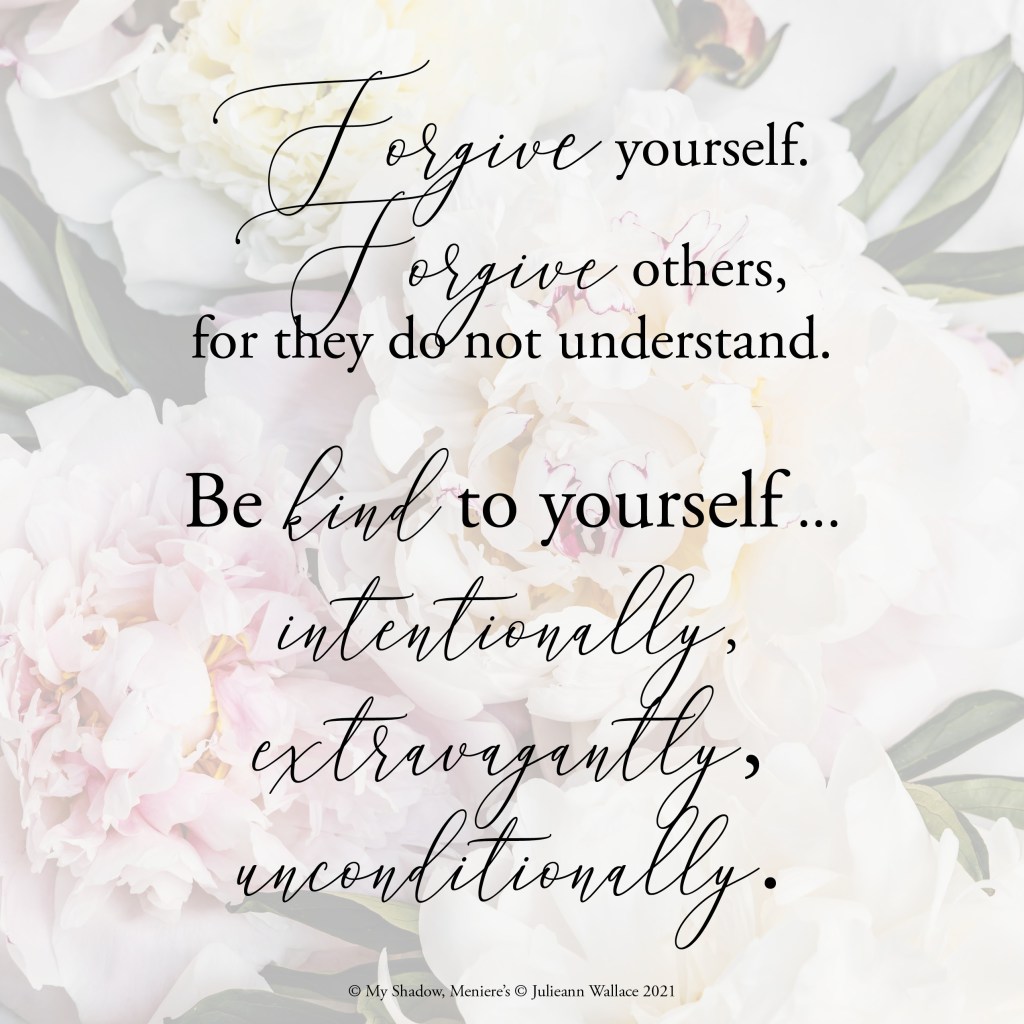
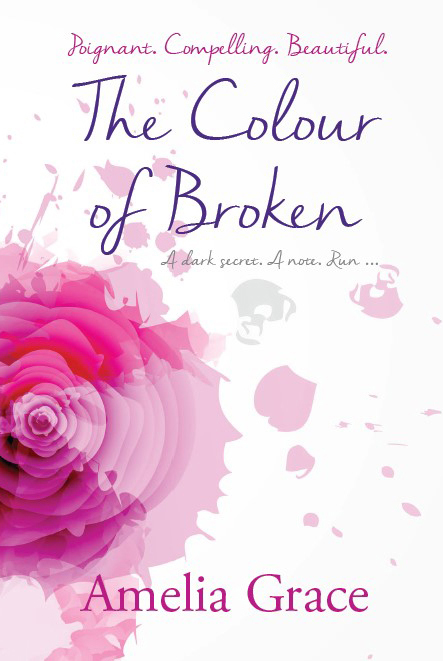



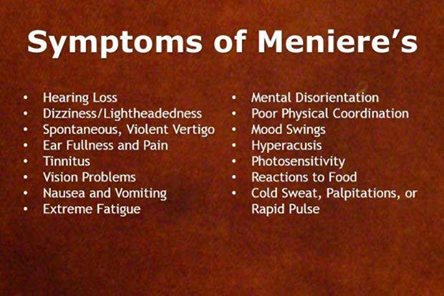


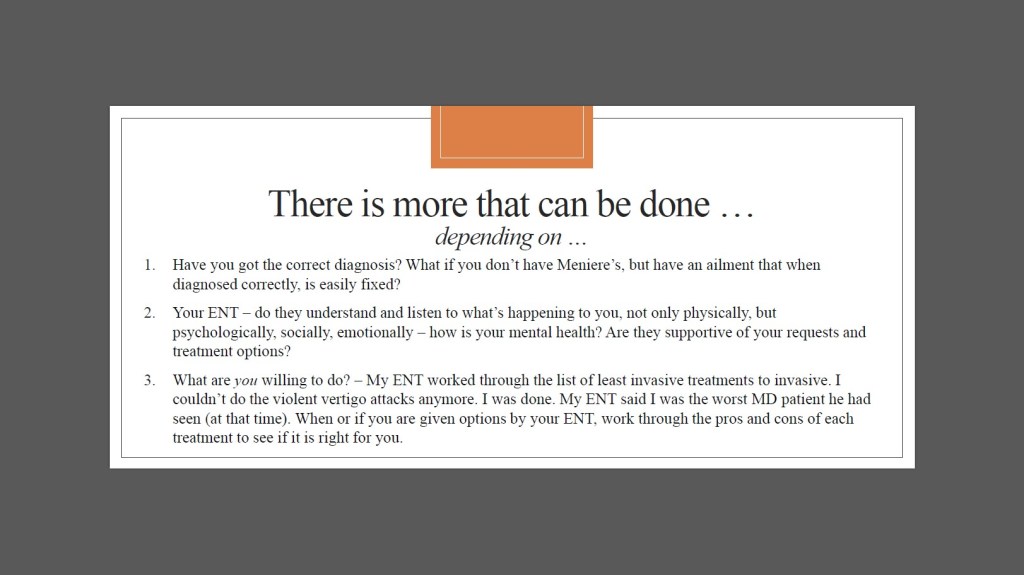
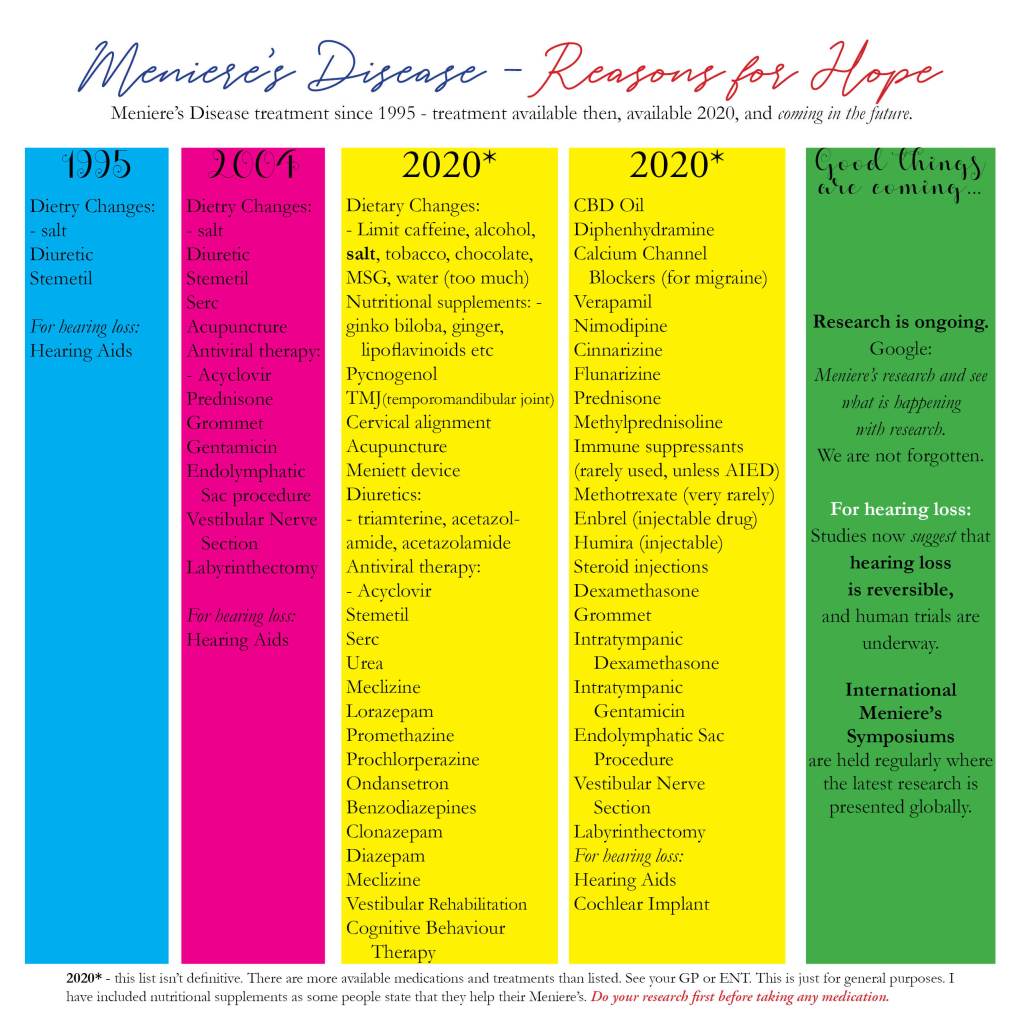
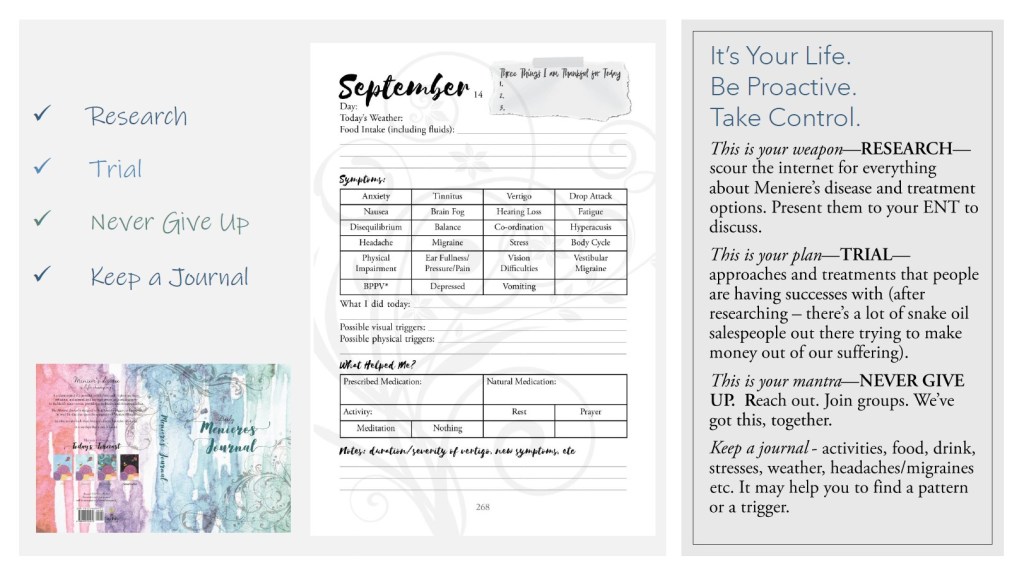
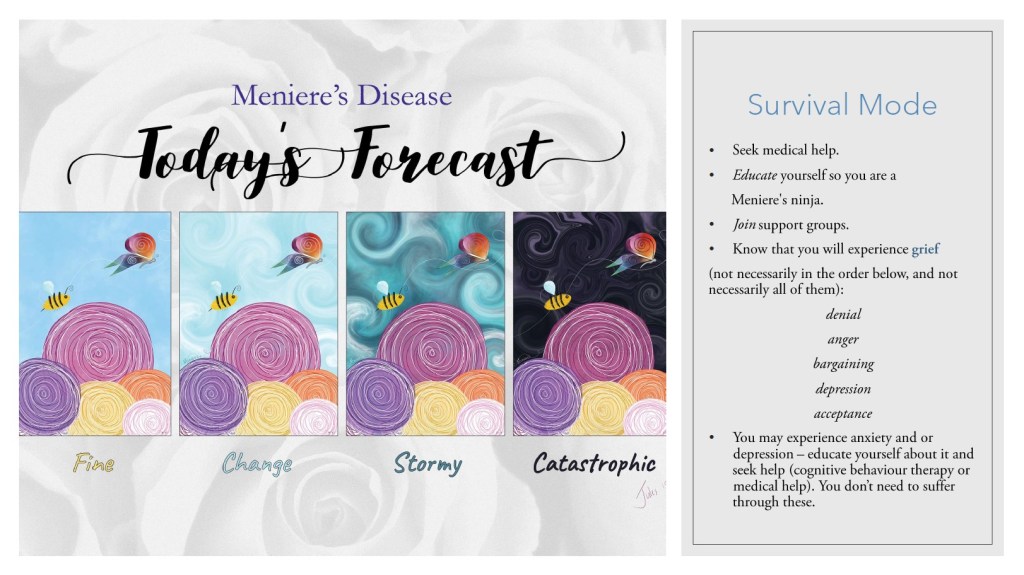

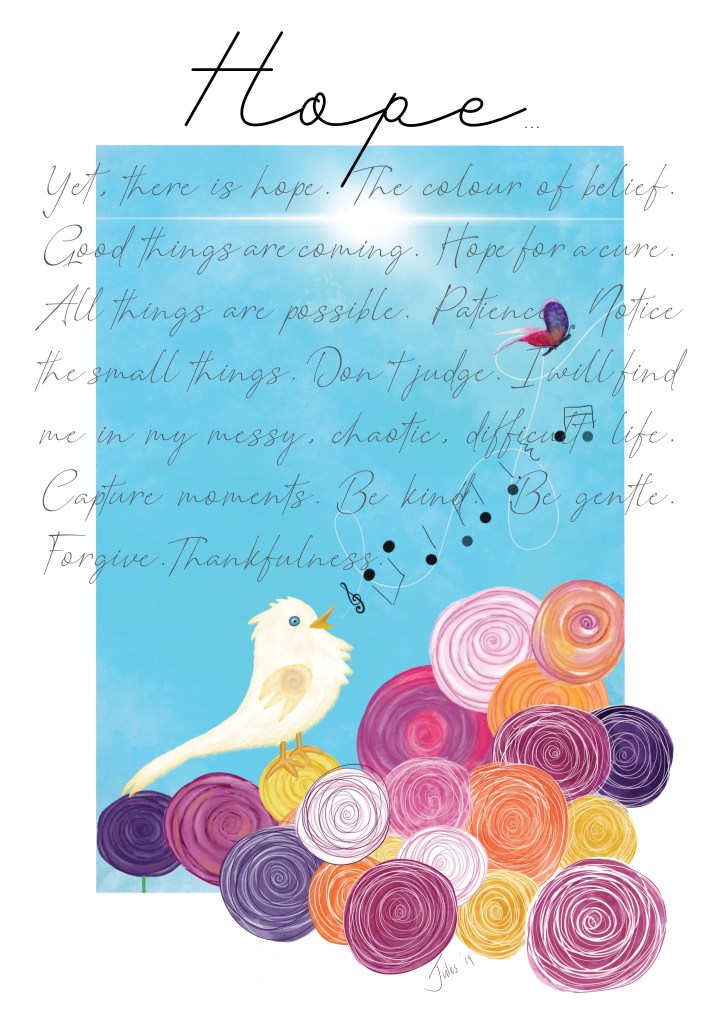
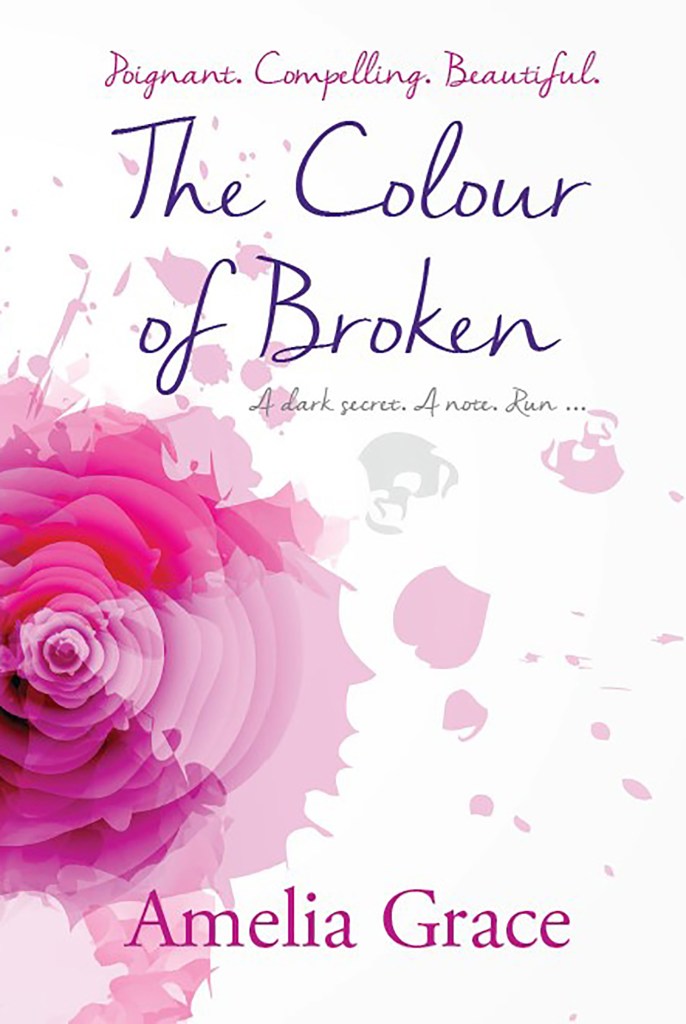
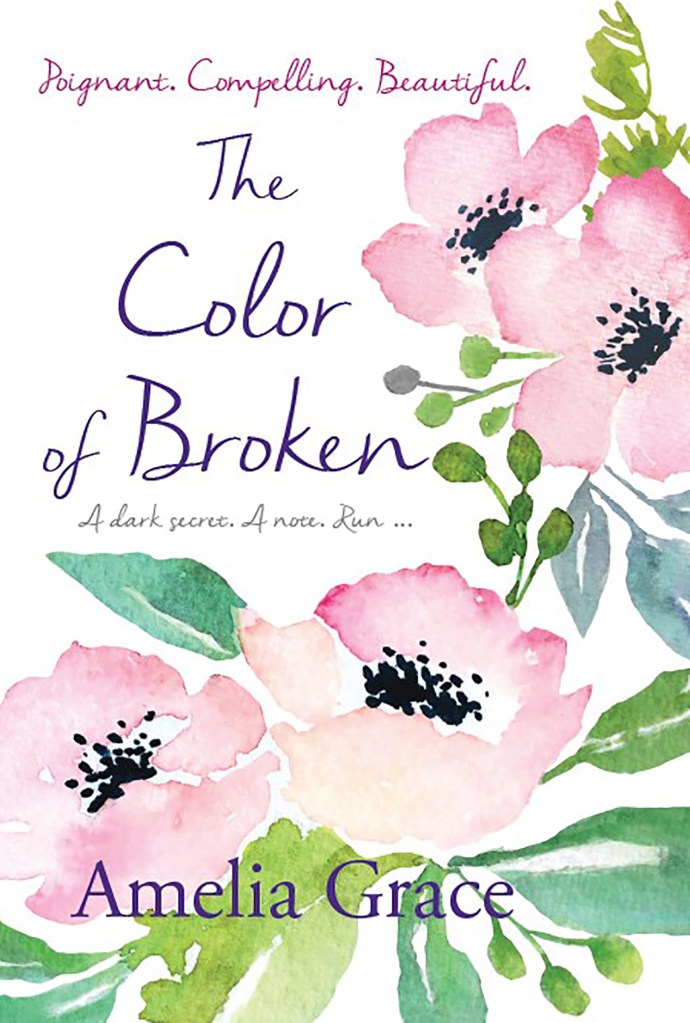
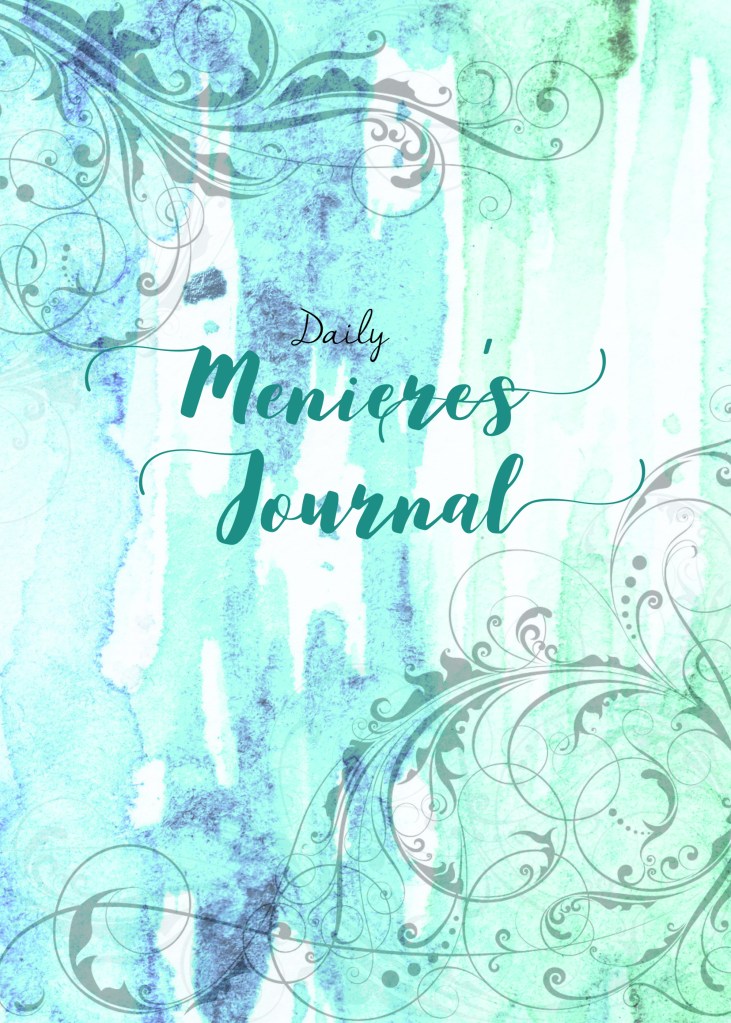







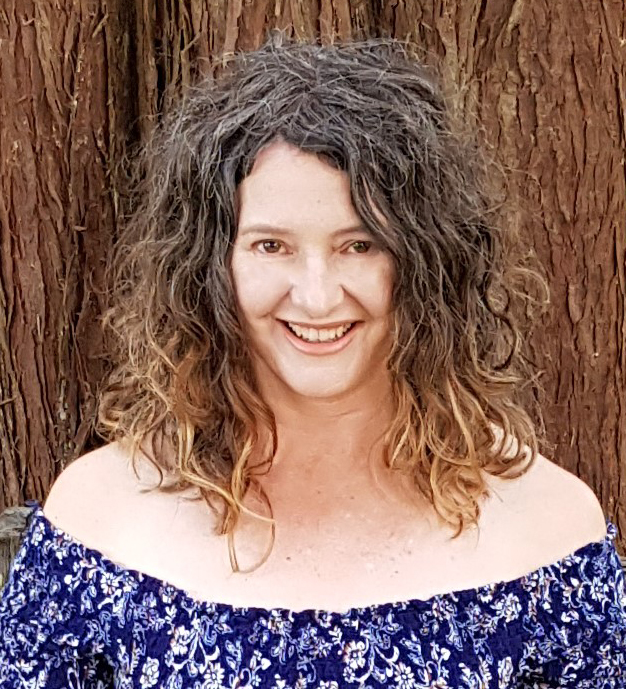







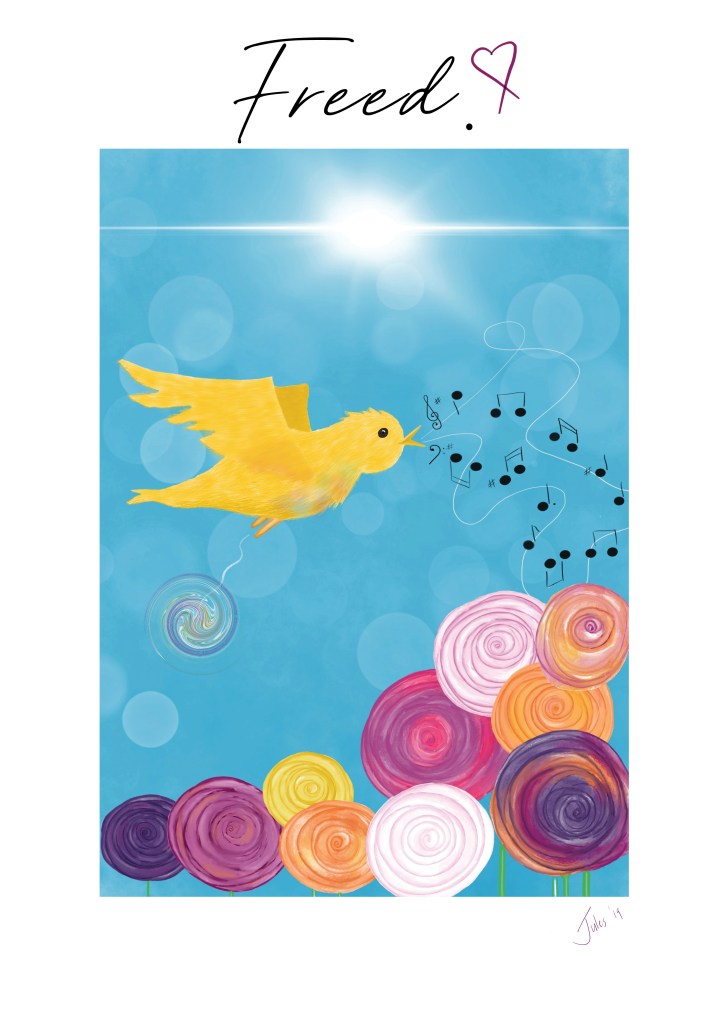
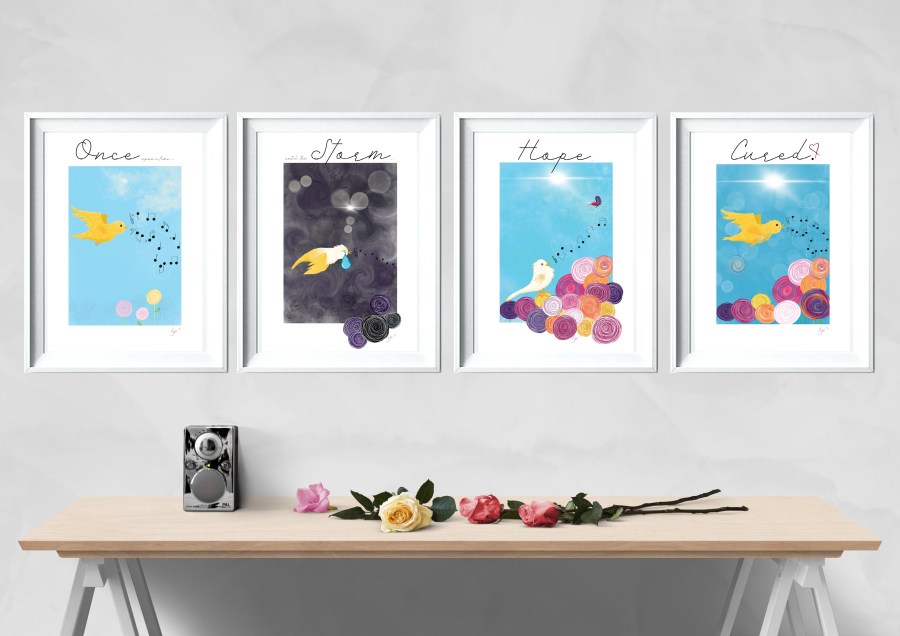


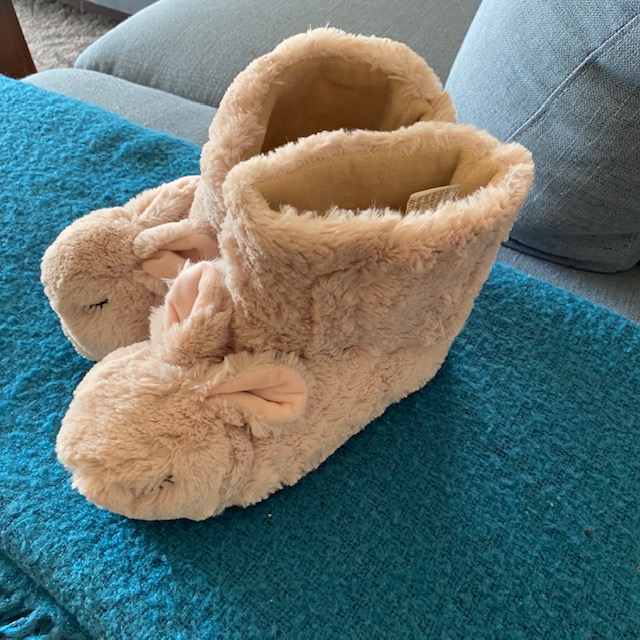


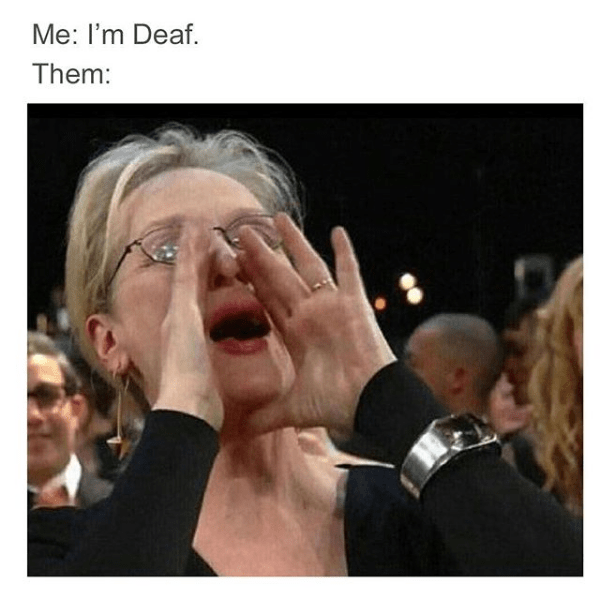

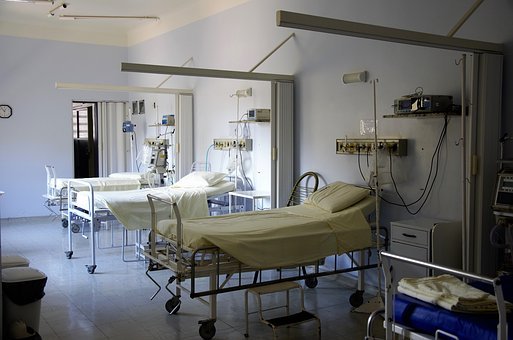

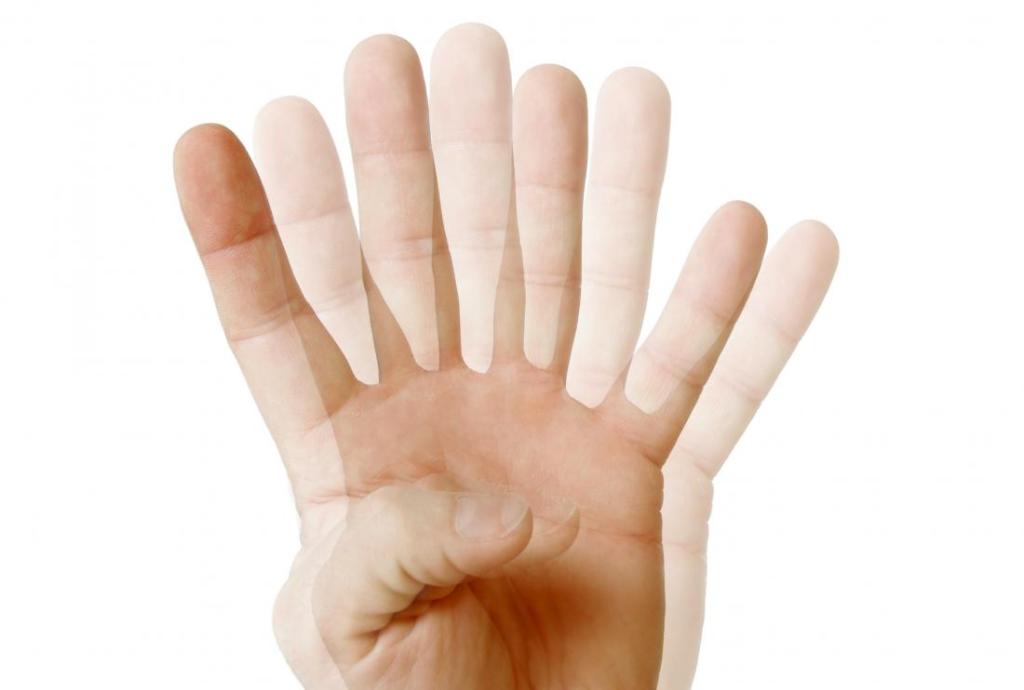
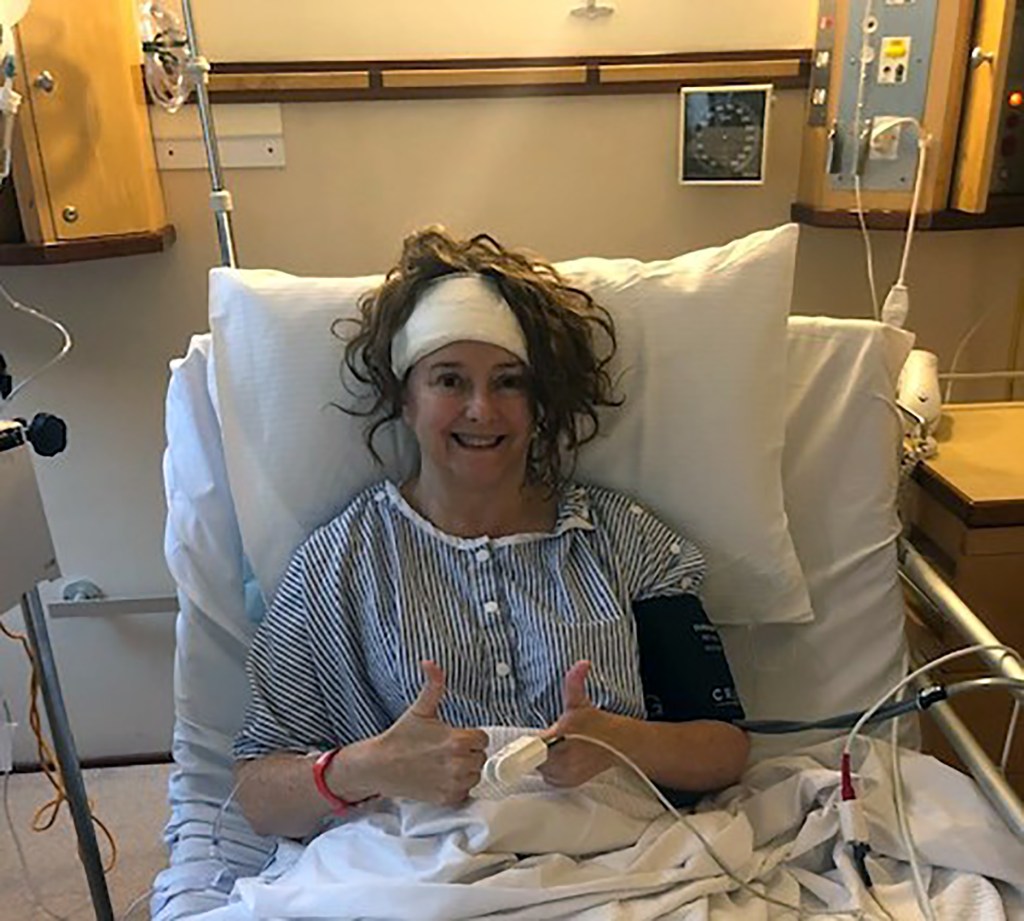

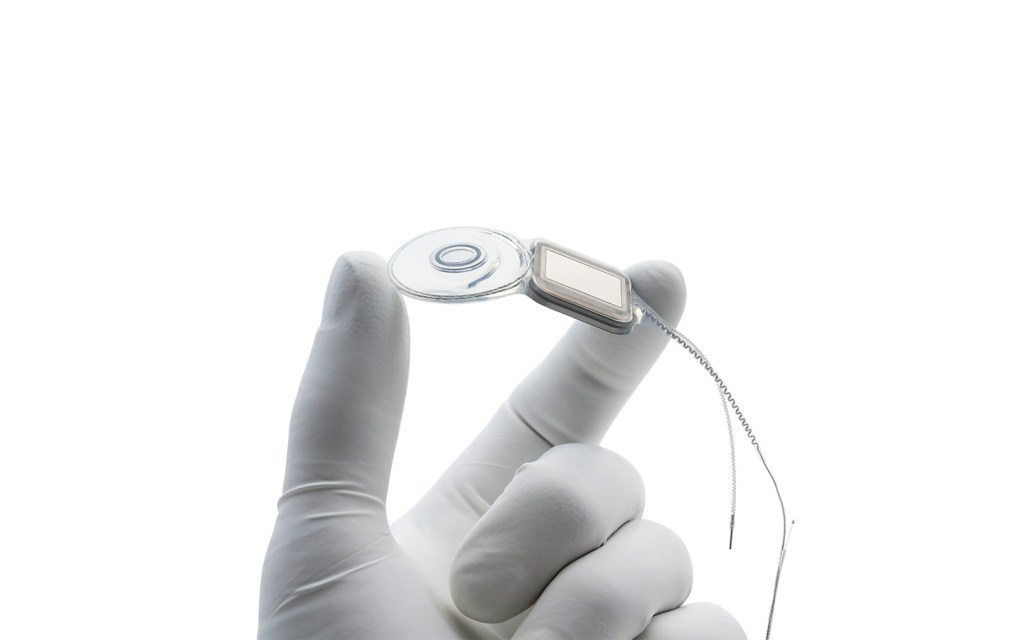
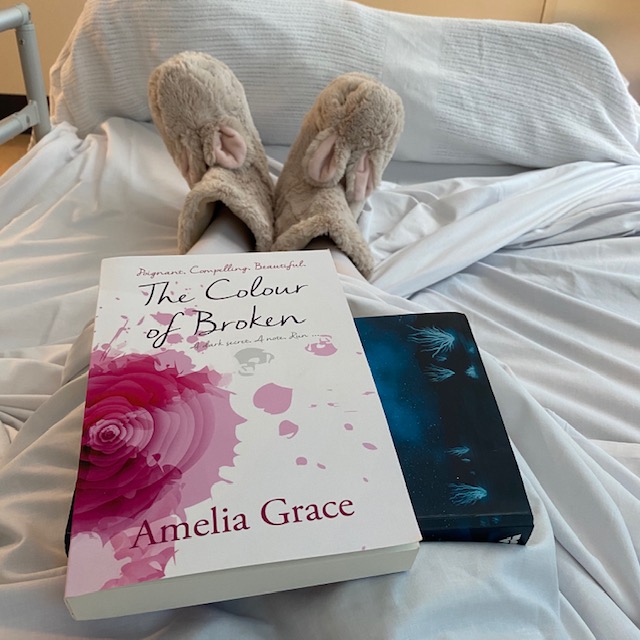

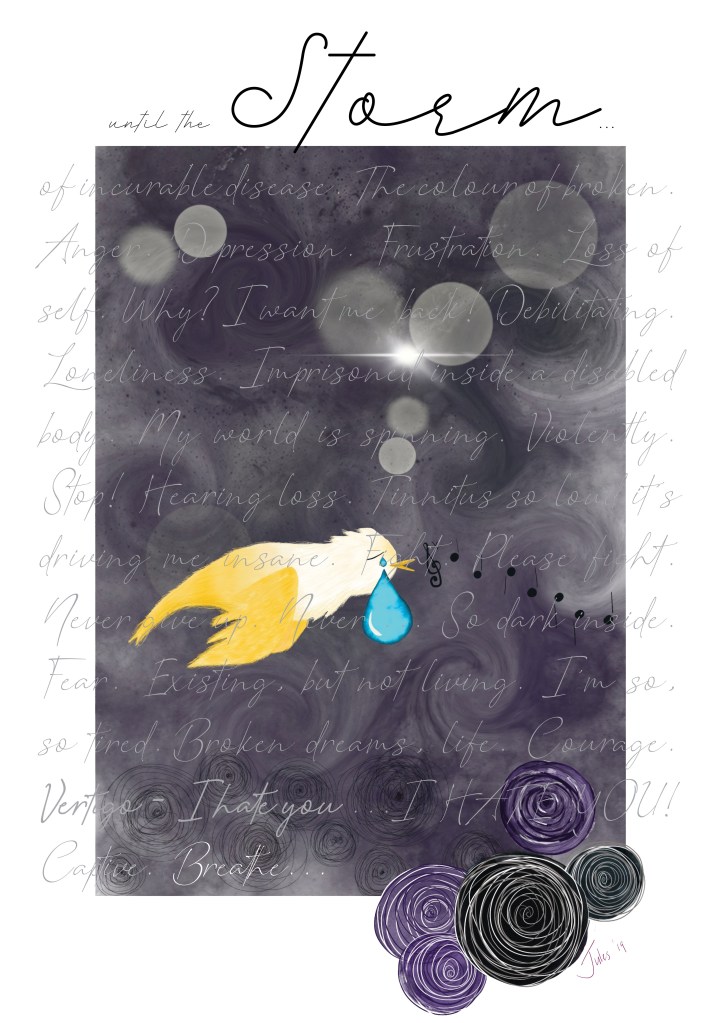





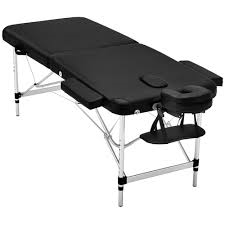
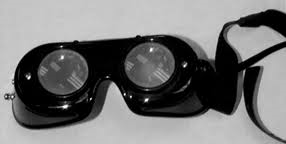
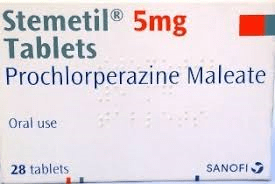
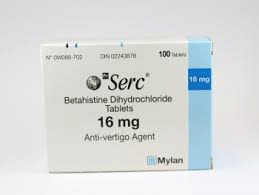
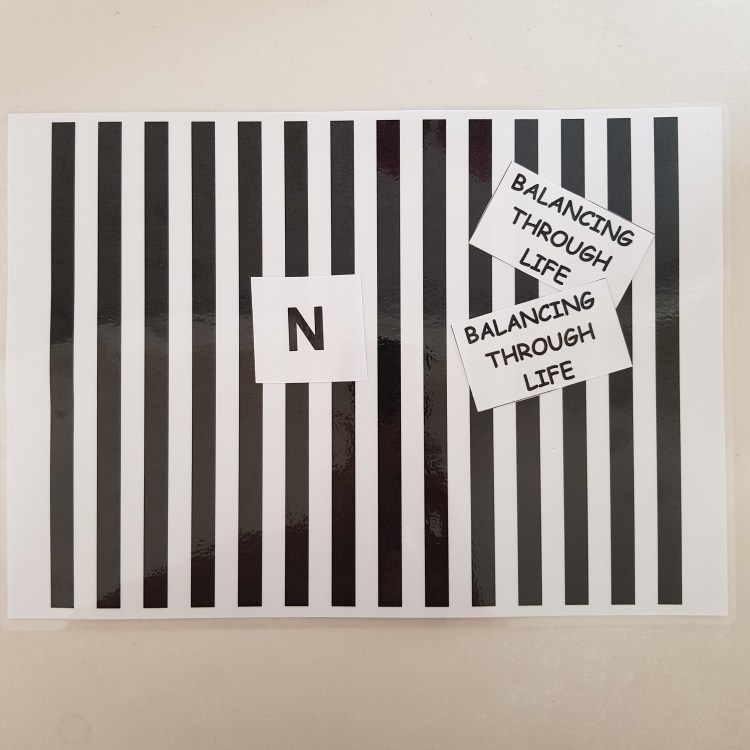

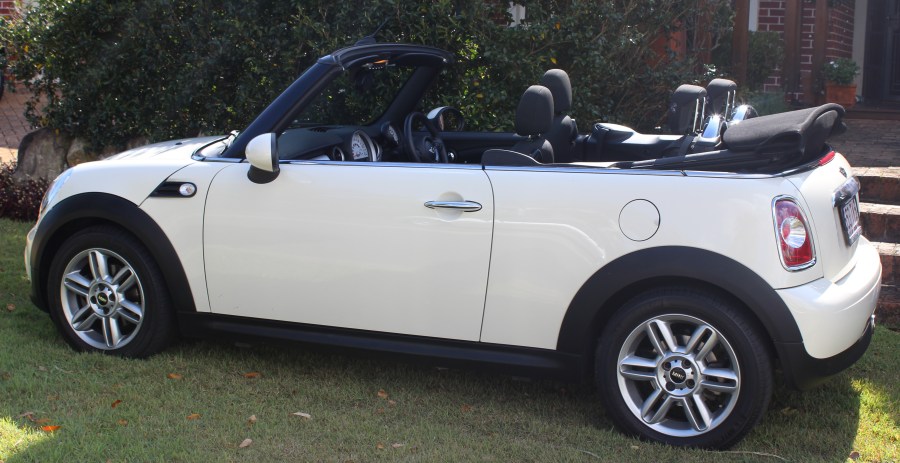

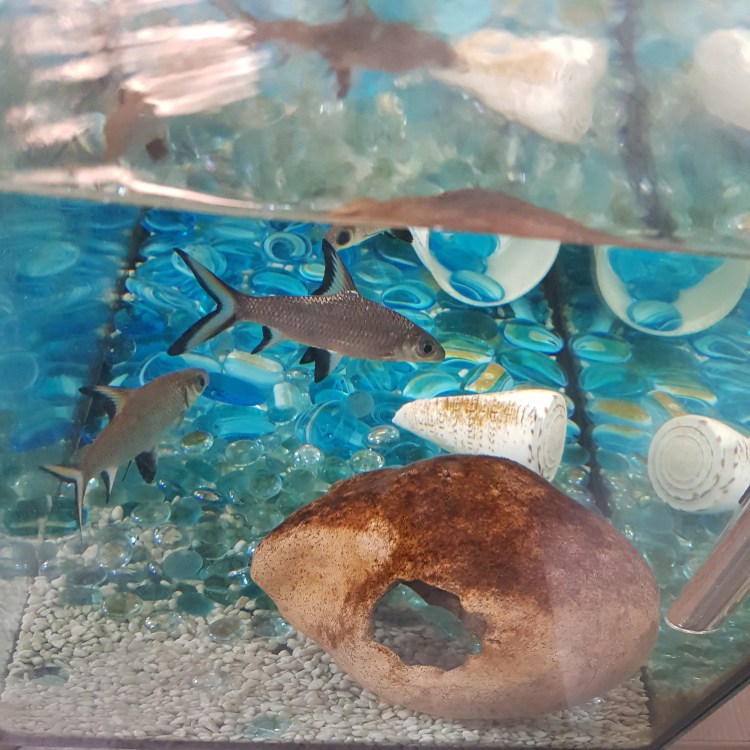
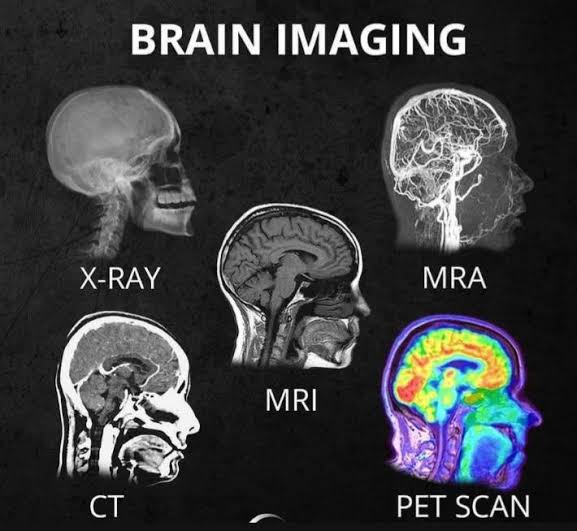
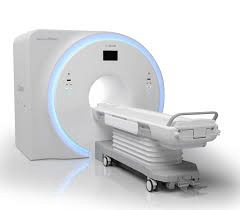

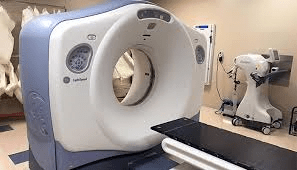
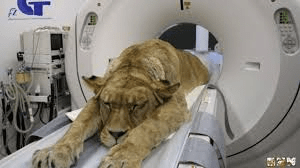

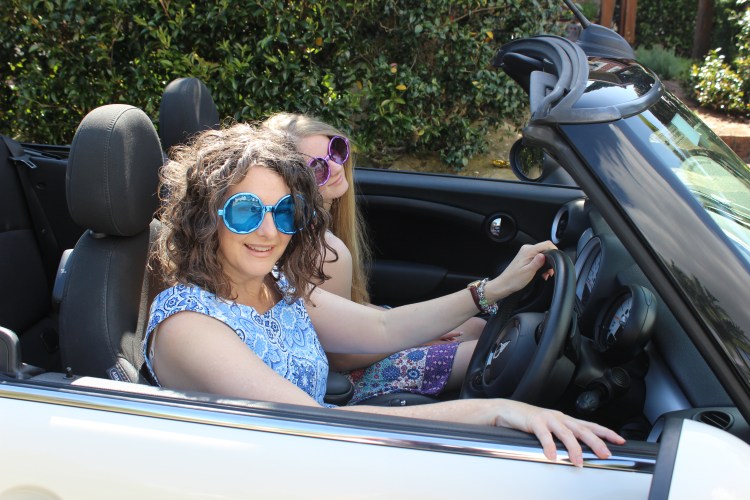



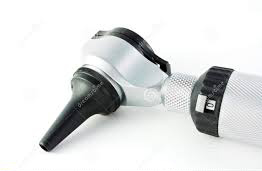

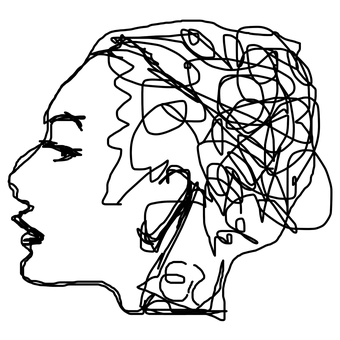
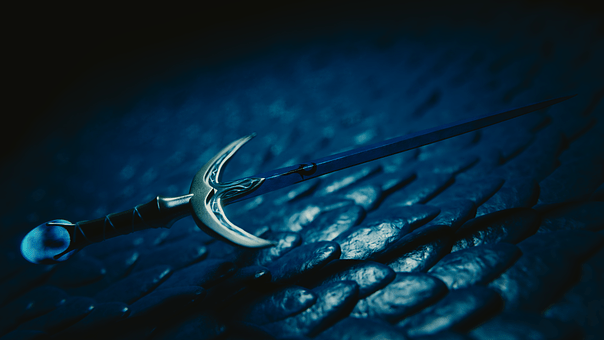

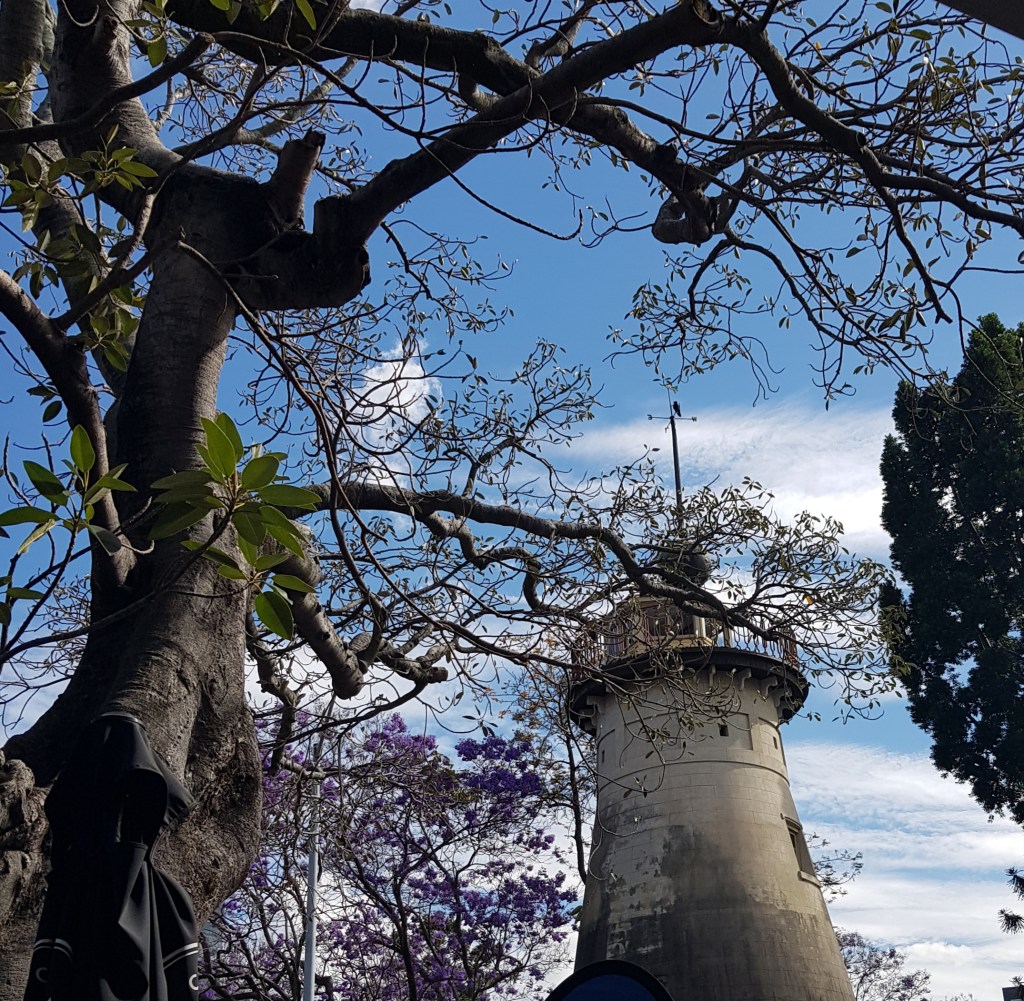


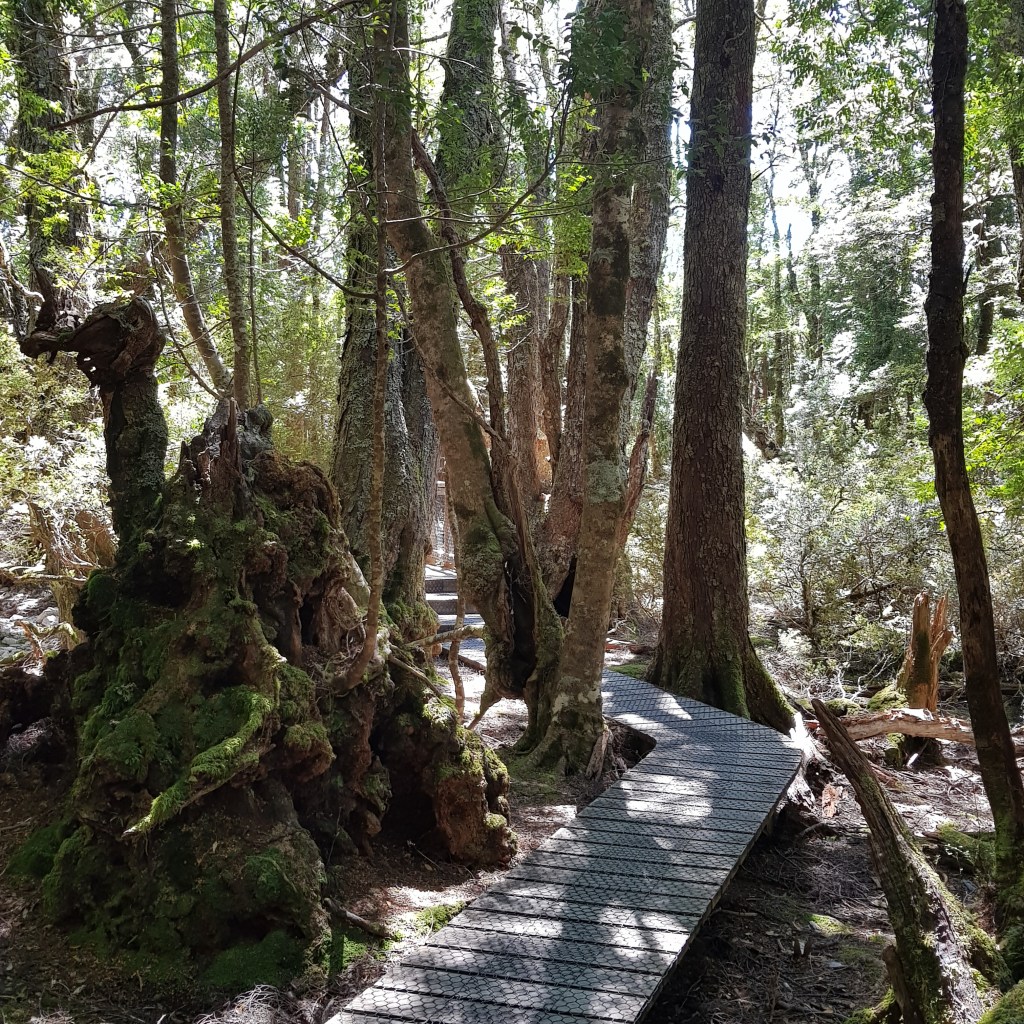

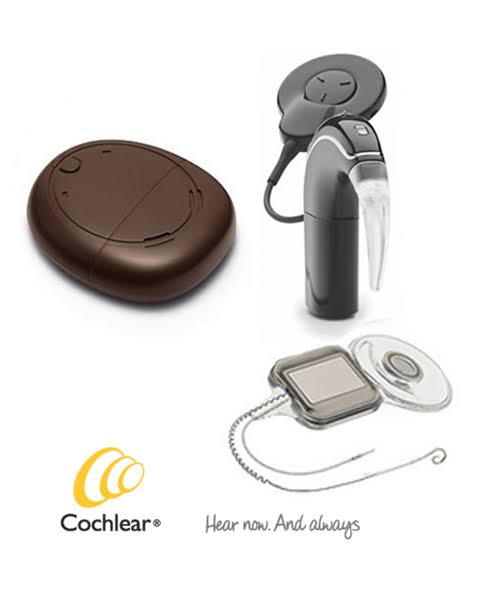


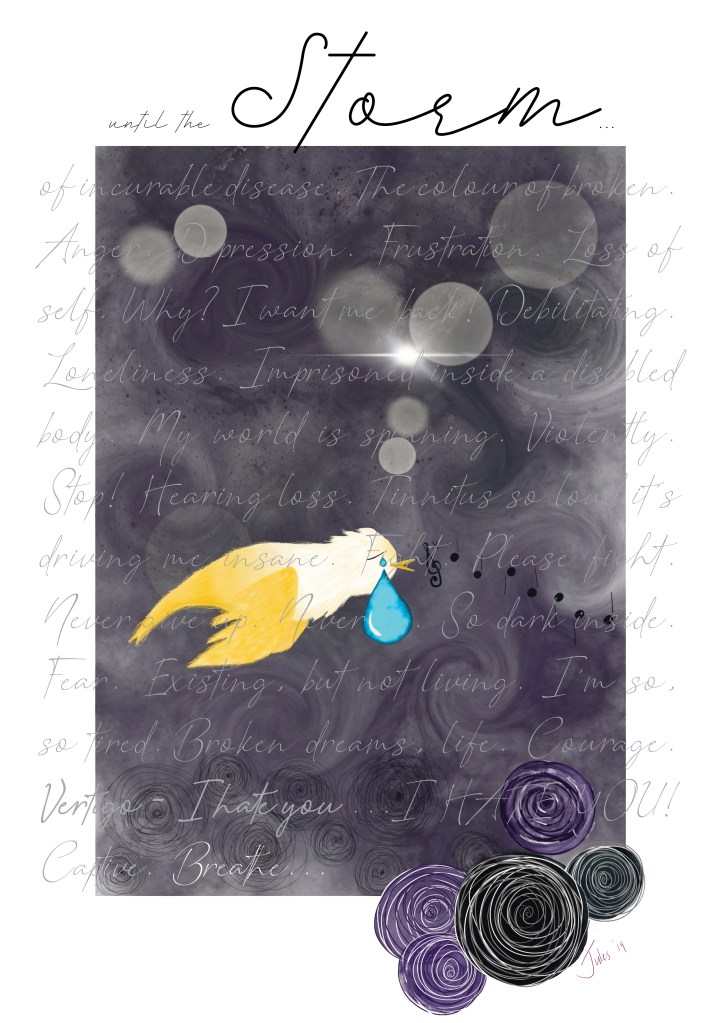

 My Shadow - Meniere's