I see you wince at sounds that you say are too loud.
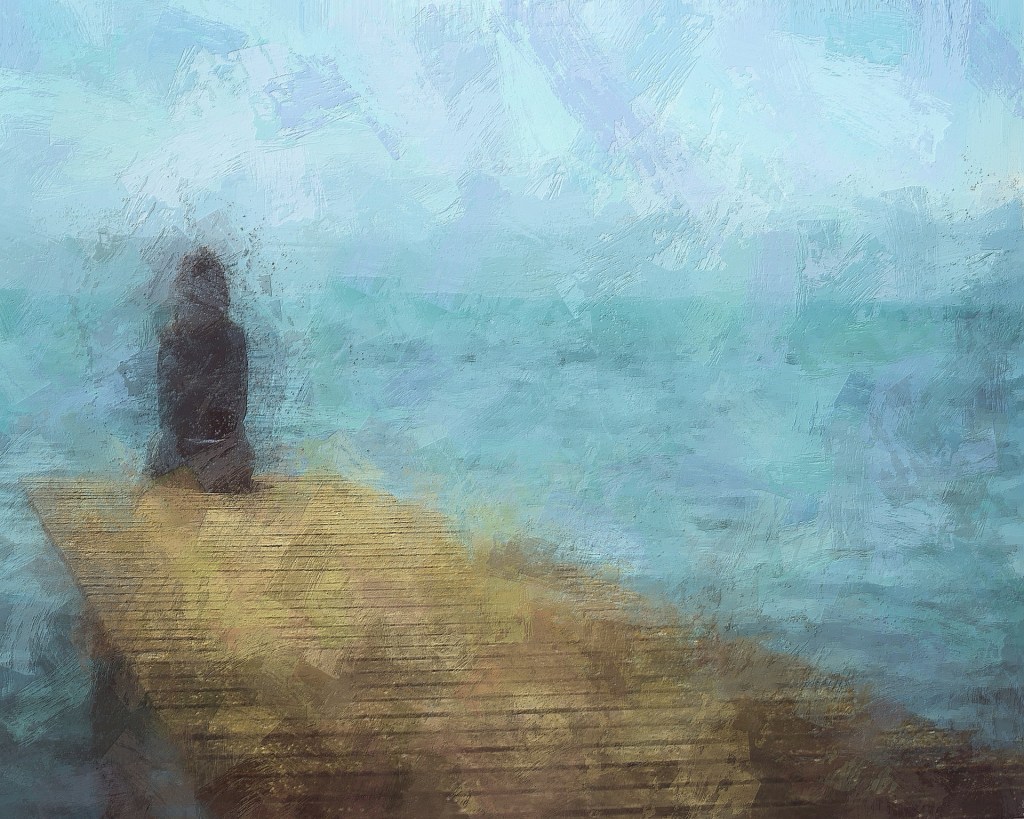
I see you, lying on your bed, staring at the wall, as still as a statue for a very long time. Why can’t you move?
And when you are as still as a statue, I hear you vomiting loudly. It scares me. When will you get better?
I see you walking and nearly falling over.
I hear you crying in the shower.
I hear daddy crying, too.
It makes me sad.
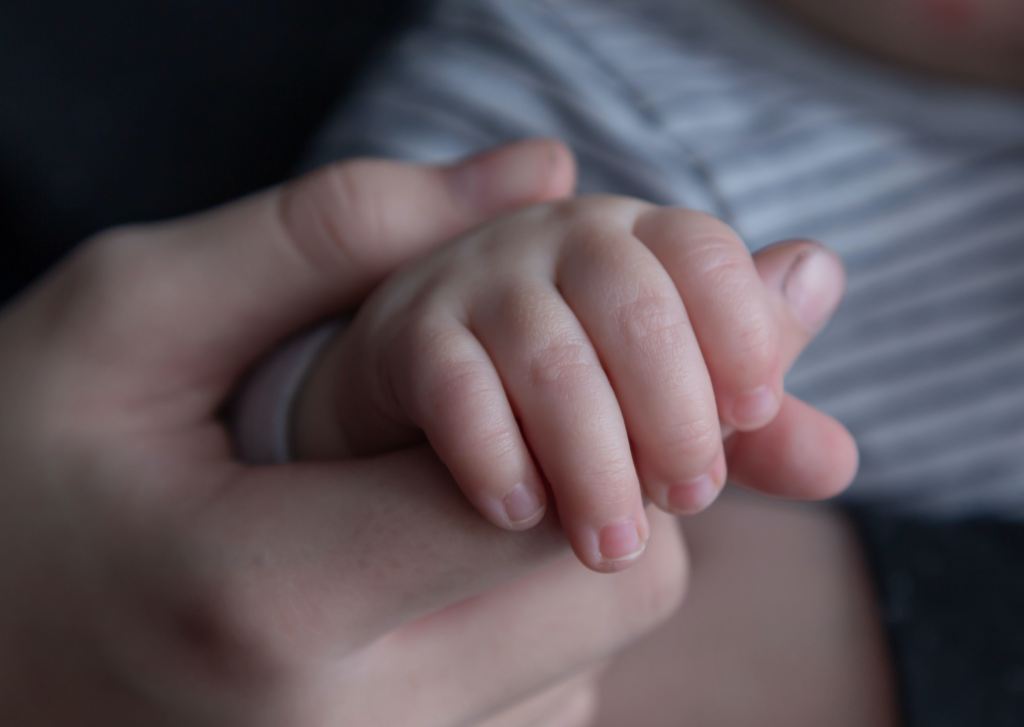
I want to hold your hand.
Here, Mama. Have my magic wand. It will cure you. And then we can play together like we use to … before you got sick with many ears.
From your favouritest-est daughter,
Lucy-Lou
P.S. I love you Mama, to the furtherest-est sparkliest star and back. P.P.S. Please get better.
Do you ever try to hide your tears from your child?
Your crying?
Your sounds of frustration or anger?
Do you think you have hidden those emotions well enough from your children, because you don’t want them to know how you truly feel?
What if your child caught a glimpse of you at your time of vulnerability?
How would your child react? How would you react?
I have to admit. I cried in the shower. I cried in the middle of the night.
I wiped my tears the moment I heard the footfall of my children as they came near.
And when I was bed-bound due to violent vertigo from my Ménière’s disease, my husband or my parents would take care of my kids, keeping them busy to reduce the impact of my incurable disease upon them.
And sometimes, just sometimes, one of my three kids would quietly stand beside my bed and hold my hand for a moment in time. A moment in time that meant the world to me.
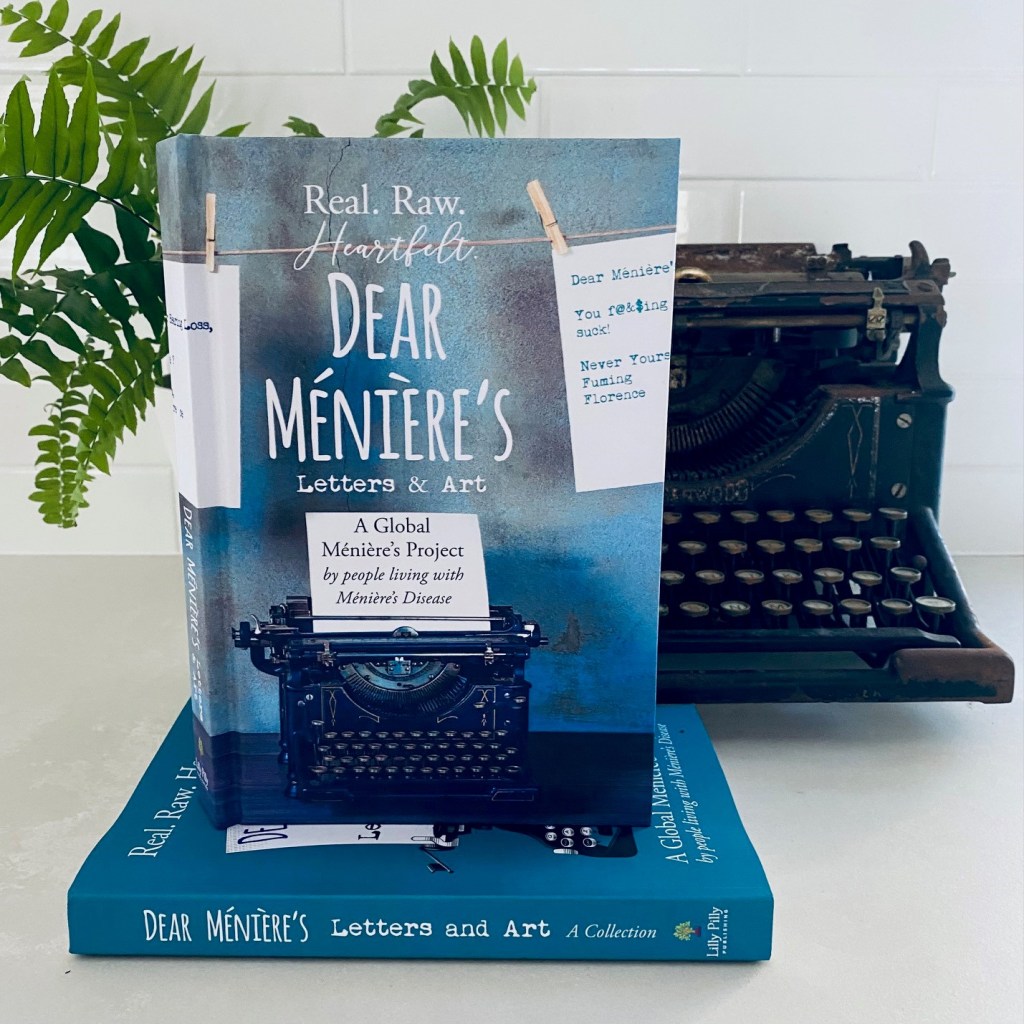
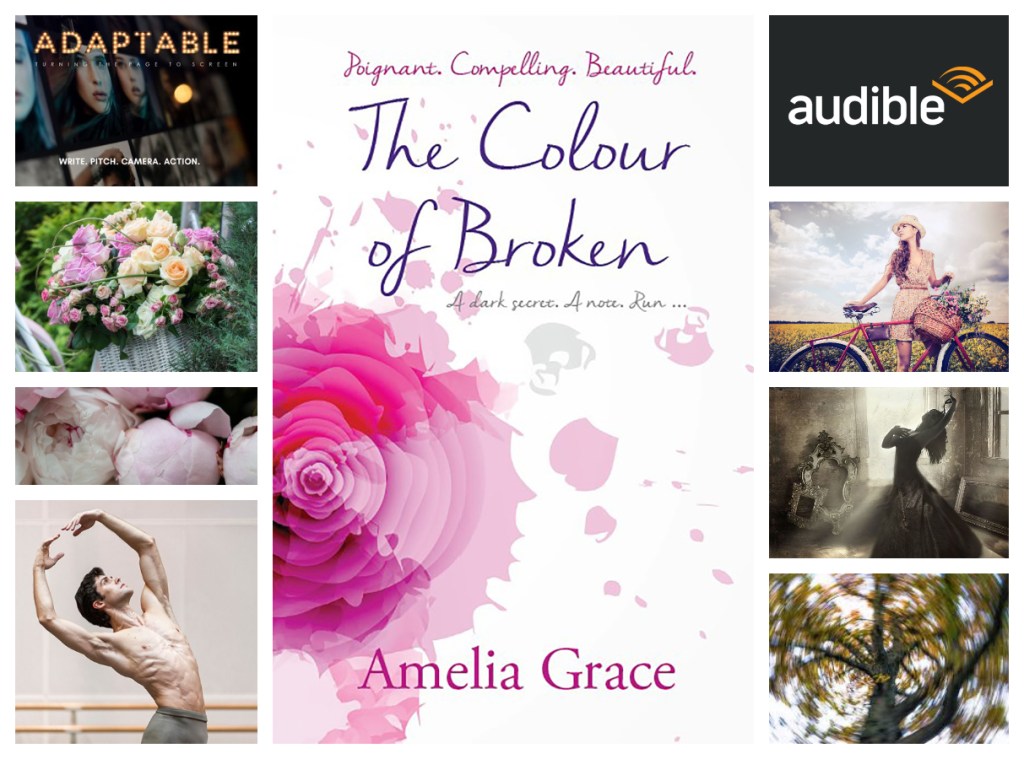
There’s a new book out. An important book. Not just for people who suffer from Ménière’s disease, but for anyone who has or has had vertigo, hearing loss or tinnitus.
The global Meniere’s community has a goal – to stop that vertigo, that tinnitus, that hearing loss, not just for people with Meniere’s, but for all people from all walks of life.
Money raised from book sales will be donated to research.
Imagine not having vertigo anymore.
Imagine not having tinnitus anymore.
Image hearing loss being a thing of the past.
Can you dare to imagine being you again …
Dear Ménière’s has been labelled as extraordinary, a life changer and a much needed book by early readers. It’s available at online bookstores as a print book and eBook
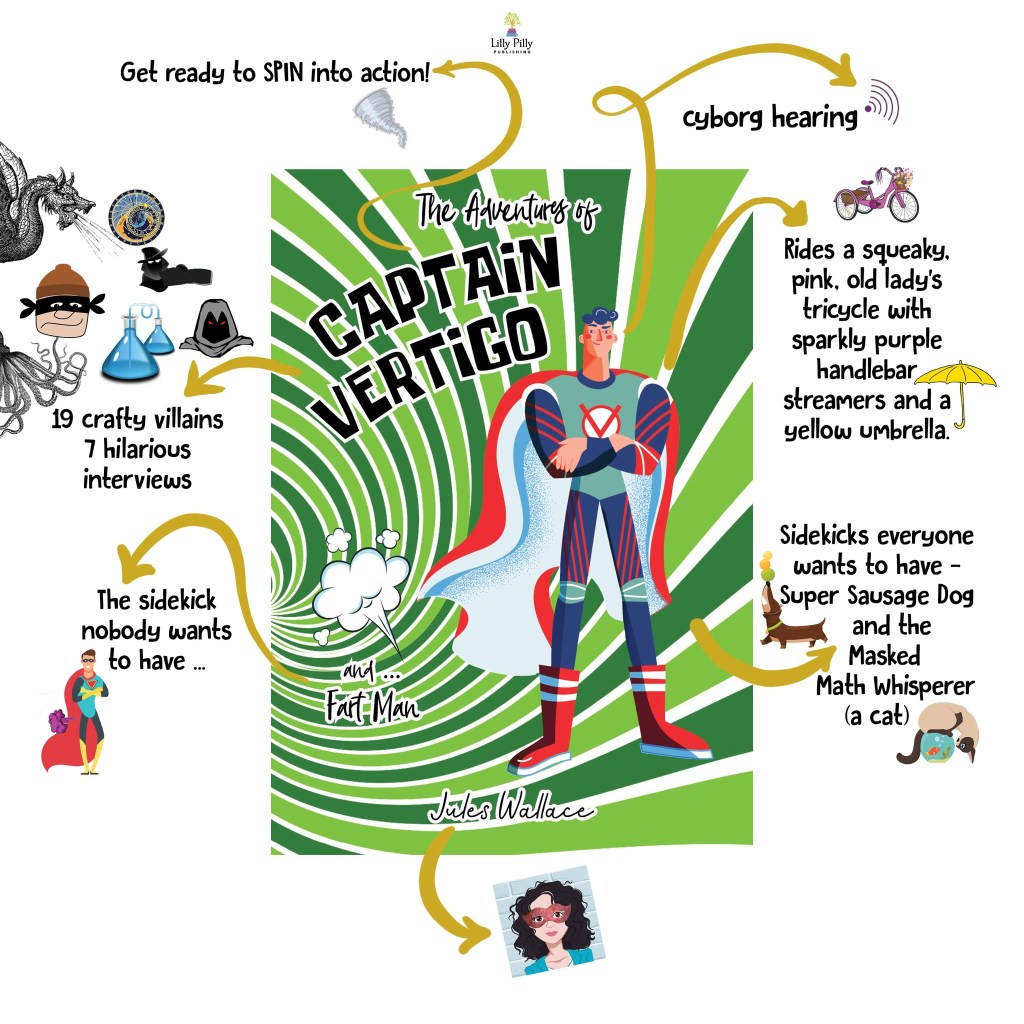
And now to inject some humour for our kids – Captain Vertigo.
Finally, enjoy some letters to Ménière’s …
Dear Ménière’s,
I wish I could stand at the ends of the earth, where the winds blow swiftest, and feel the gentle sway caused by the blowing, not by my lack of balance, and have the winds blow away the tinnitus and the brain fog.
To have, for just one moment again in time, the silence of sound.
The clarity of mind.
To feel energised by life and not drained by it.
I imagine standing on a windswept shore. The noise I hear is the rustle of seagrass, the blowing of the southerly wind, the heave and heft of the ocean. Sea salt and sand pepper my skin. The incessant ring in my ears is quiet, drowned out by the oceans song or swept away, I neither know nor care, I cannot hear it.
The salty air fills my lungs, its brusqueness blows away the ever present fog in my brain. Thoughts, swirling vaguely in my brain, come to the forefront. They take shape, as clear and sharp as the broken shells beneath my feet. I’m not moving through a miasma, I’m as clear as the sun shining through the water that rolls onto the sand and back out again.
Each deep breath clears more fog from my head and returns more of me to myself, as if the real me lives out there in the ocean, waiting to be breathed in on the winds.
I miss who I was.
Kelly
Ménière’s disease since 1998
Without Warning
Here it comes.
Deep breaths. Find your focus.
Radiating tremors. Vision blurred.
For a brief moment, numbness.
Knowing the dark wave is about to consume you.
Deep breaths. Screaming inside,
“NO! Please God, not again. Not here. Not now.”
White knuckles desperately trying to hold steady.
Sweat pours. Heart racing.
Every line bends. Every curve vibrates.
Close your eyes and it will find you.
Even in darkness you twist and turn.
Gut is writhing in distress.
So violent yet completely invisible for others to see.
Empathy is shared with whispers of doubt.
Solace too far to reach.
Independence lost.
Dignity robbed.
A bright future shadowed in fear.
In time, tremors dissipate and vision clears.
Th e agony is rewarded with short lived joy.
Without haste, the crippling fear of the next one looms.
Micaela Grady
Written 9/8/2021
Ménière’s disease since 2007, Vestibular Migraine: 2021
Dear monster,
You are …
AKIN TO SHIT on a shoe trodden through a carpeted home,
A 6 HOUR LONG podcast with a voice so monotone.
Like riding a bike with a constantly falling off chain,
A summer garden party that is RUINED BY THE RAIN.
The spilt glass of water that calculatedly covers one’s crotch,
Like paying for Netflix then discovering there’s barely anything good to watch.
The SOGGY WET SOCK and also the HOLE IN THE BOOT,
Like discovering HALF A WORM after biting into some fruit.
A SALT AND VINEGAR CHIP on a fresh paper cut thumb,
The APPROACHING BEAST IN THOSE NIGHTMARES where we are unable to run.
Truth is, you are SO MUCH WORSE than all these examples by a mile,
This is me keeping it light, and trying my damn hardest to CREATE A SMILE.
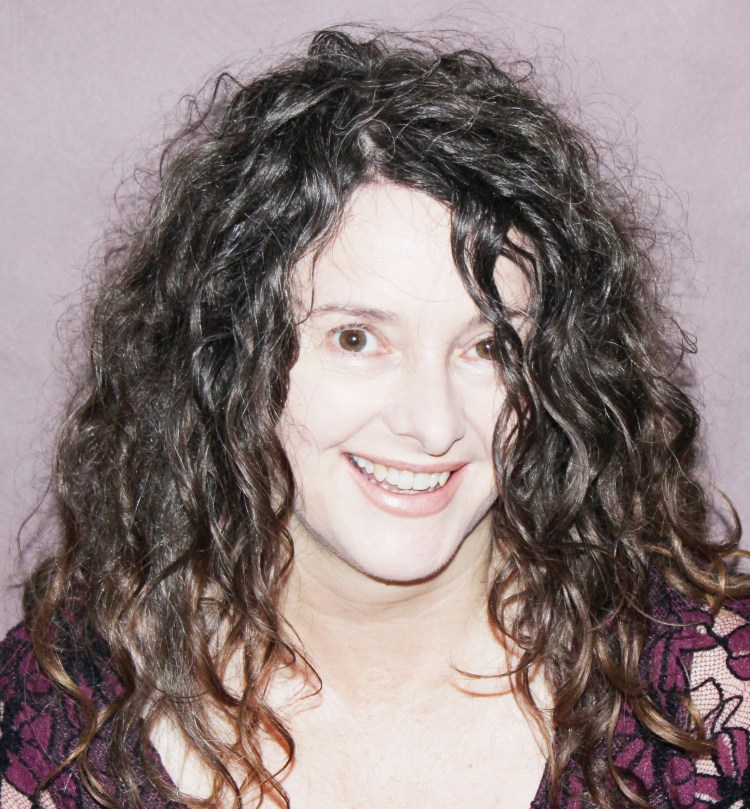
Julieann Wallace is a multi-published author and artist. When she is not disappearing into her imaginary worlds as Julieann Wallace – children’s author, or as Amelia Grace – fiction novelist, she is working as a secondary teacher. Julieann’s 7th novel with a main character with Meniere’s disease—‘The Colour of Broken’—written under her pen name of Amelia Grace, was #1 on Amazon in its category a number of times, and was longlisted in 2021 and 2022, to be made into a movie or TV series by Screen Queensland, Australia. She donates profits from her books to Meniere’s Research Australia, where they are researching Meniere’s disease to find a cure. Julieann is a self-confessed tea ninja and Cadbury chocoholic, has a passion for music and art, and tries not to scare her cat, Claude Monet, with her terrible cello playing.
As Christmas draws closer, I am reminded of all those years where I would start to worry about whether I would be unwell, and have a four hour vertigo attack on Christmas day, ruining everyone’s plans, or whether something I ate would set off a cluster of vertigo attacks, debilitating me for nine days out of fourteen.
Thankfully, gentamicin injected into my middle ear in 2004, destroying my balance cells, stopped my Meniere’s vertigo attacks – an answered prayer. But sometimes, in the back of my mind is always the thought, “What if the vertigo returns?”
I have to consciously choose not to focus on that thought, instead, focussing on the positives. So here’s something I’d like to gift to you.
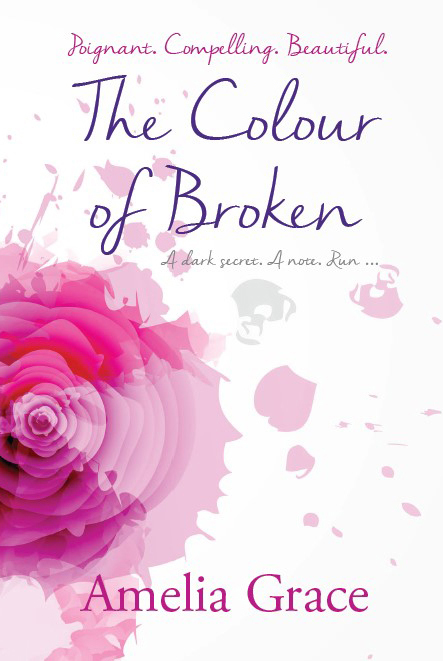
I’d like to gift you a FREE eBook copy of my bestselling novel that has been raising awareness about Meniere’s disease, which shares similar vestibular symptoms that COVID patients have experienced – vertigo, hearing loss, brain fog, tinnitus …
I pleased to say that ‘The Colour of Broken’ was longlisted earlier this year (2021) to be made into a movie or tv series.
And it has been an Amazon #1 in its category, three times.
Grab a copy and see what all the fuss is about. It’s FREE on the 23rd, 24th and 25th of December, 2021.
If you read the novel, I hope the story touches you where you need to be touched.
Wishing you a very merry Christmas filled with joy and thankfulness.
XX Julieann
Julieann Wallace is a multi-published author and artist. When she is not disappearing into her imaginary worlds as Julieann Wallace – children’s author, or as Amelia Grace – fiction novelist, she is working as a secondary teacher. Julieann’s 7th novel with a main character with Meniere’s disease—‘The Colour of Broken’—written under her pen name of Amelia Grace, was #1 on Amazon in its category a number of times, and was longlisted to be made into a movie or TV series by Screen Queensland, Australia. She donates profits from her books to Macquarie University, where they are researching Meniere’s disease to find a cure. Julieann is a self-confessed tea ninja and Cadbury chocoholic, has a passion for music and art, and tries not to scare her cat, Claude Monet, with her terrible cello playing.
Meniere’s disease – a manic, violent, debilitating, depressing, disgusting, deplorable, despicable, devastating, damaging, distressing, diabolical monster of a disease that makes you vulnerable and defenseless. It takes, and never gives back.
It’s now 26 years of living with my shadow, Meniere’s. But once, Meniere’s was not just a shadow, it was a monster, as it wreaked havoc in my life, sucking out every ounce of happiness I had, throwing me into the deepest, darkest pit, searching on my knees for the missing pieces of me.
In 2002, after a particularly violent and long vertigo attack, I cried under the running water of the shower. There, my gut wrenching sobs would be muffled, and my tears would become invisible as I tried to hide my deep sorrow, and absolute exhaustion of faking being well. I didn’t want my three children to hear me falling apart. I didn’t want my husband to know how broken I was. And it was then and there that I made a vow. I wanted to help find a cure for Meniere’s disease in whatever way I could.
In 2004, I had one shot of gentamicin (the full dosage, not the low dose given now to preserve hearing). It stopped my vertigo, and I was able to reclaim my life.
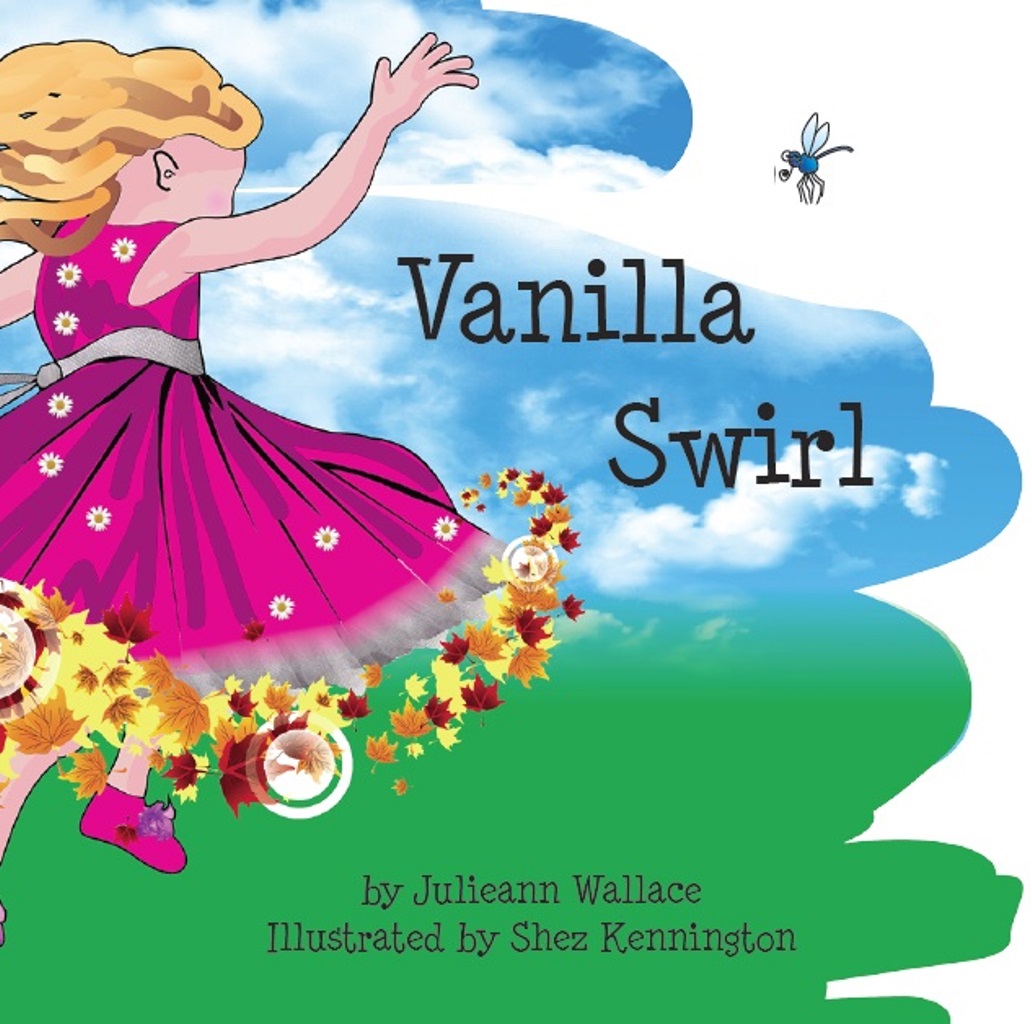
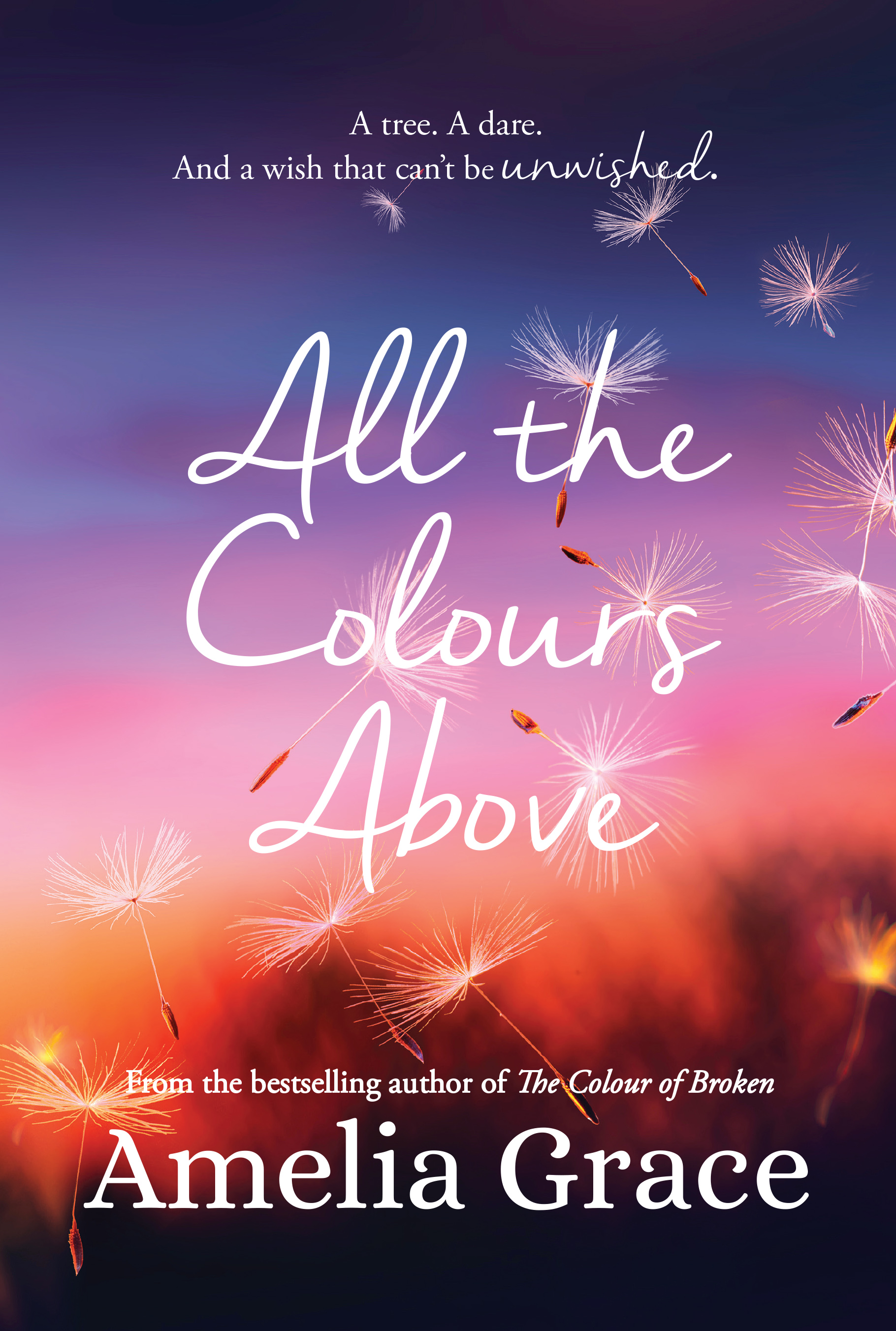
Since 2013, I have volunteered twice as a Meniere’s research subject at the University of Queensland (Australia) Brain and Mind Centre, released two Meniere’s picture books (Vanilla Swirl for mothers and Blueberry Swirl for Fathers, both gorgeously illustrated by the talented Shez Kennington), and 2 novels – The Colour of Broken with a main character with Meniere’s disease, and the sequel, All the Colours Above, with Meniere’s disease in it again, to raise awareness about Meniere’s disease. I donate 100% profits to research of the University of Sydney Brain and Mind Centre, where they have a dedicated Meniere’s disease research team.
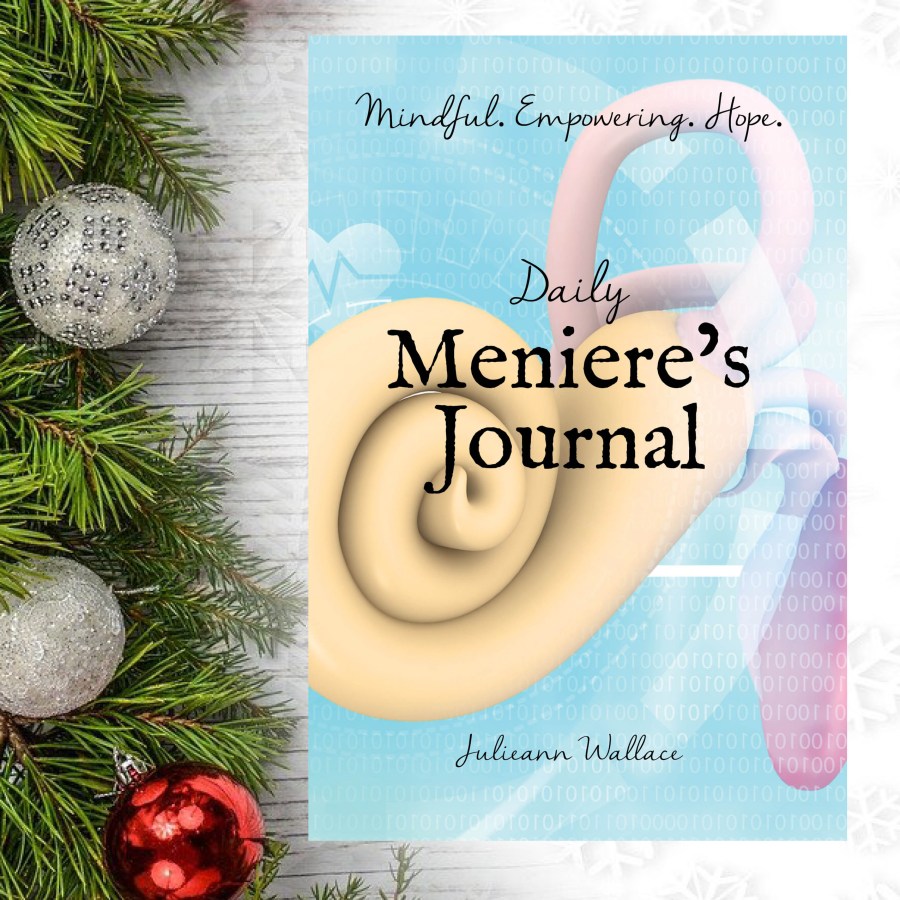
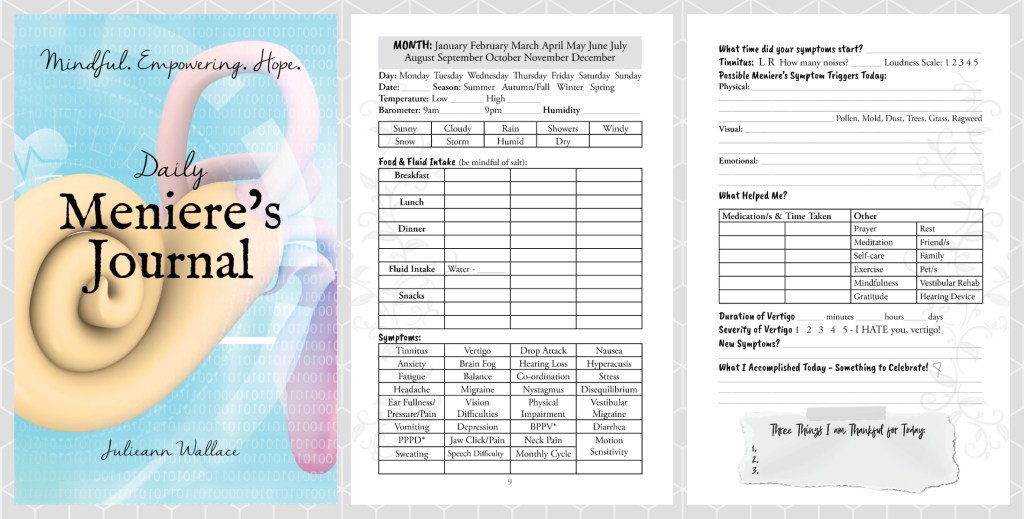
In January 2020, I released a Yearly Meniere’s Journal in response to the emotional pain I absorb, witnessing people struggle in the many Meniere’s support groups I am in. While I was reading comments, I thought back to before I had a gentamicin injection to stop the vertigo, and what I used to take with me to my ENT – it was a daily journal of my symptoms. And so I created one for Meniere’s Disease for people to use.
Roll-on to November 2021, and there seems to be more and more people being diagnosed with Meniere’s Disease, struggling to understand it and how they can take control of their lives. So I revisited my January 2020 Journal, added more details, and shortened the book to just 3 months so it would be more affordable. It’s a valuable tool, and perfect for looking for patterns and tracking triggers, and for taking to your doctor or ENT to show them exactly what you are suffering daily.
A gift for Christmas
The new journal is hot off the press, and I want to gift you the FREE PDF to download and print out.
Wishing you a very happy Christmas, and looking forward to us finding a cure in the very near future, or even something that will successfully control all of our symptoms, one that works for everyone, not just for some.
The spark of hope can never be extinguished!
Julieann Wallace is a multi-published author and artist. When she is not disappearing into her imaginary worlds as Julieann Wallace – children’s author, or as Amelia Grace – fiction novelist, she is working as a secondary teacher. Julieann’s 7th novel with a main character with Meniere’s disease—‘The Colour of Broken’—written under her pen name of Amelia Grace, was #1 on Amazon in its category twice, and was longlisted to be made into a movie or TV series by Screen Queensland, Australia. Julieann is a self-confessed tea ninja and Cadbury chocoholic, has a passion for music and art, and tries not to scare her cat, Claude Monet, with her terrible cello playing.
The birdsong of the new day wakes me. If I had been sleeping on my good ear, I would never had heard it.
I’m thankful for that precious moment. It’s been my survival mantra since battling the ferocious Meniere’s disease. Look for the small things that make me happy, no matter how small or insignificant to others. It’s been 24 years of Meniere’s disease now. And it’s been a helluva journey that had me on my knees pleading for mercy many times as I battled the violent, abhorrent vertigo that left me a shadow of myself, lost in the darkness of depression, trying to find me, my old happy, carefree, confident, successful self. Menierians know exactly what I am talking about.
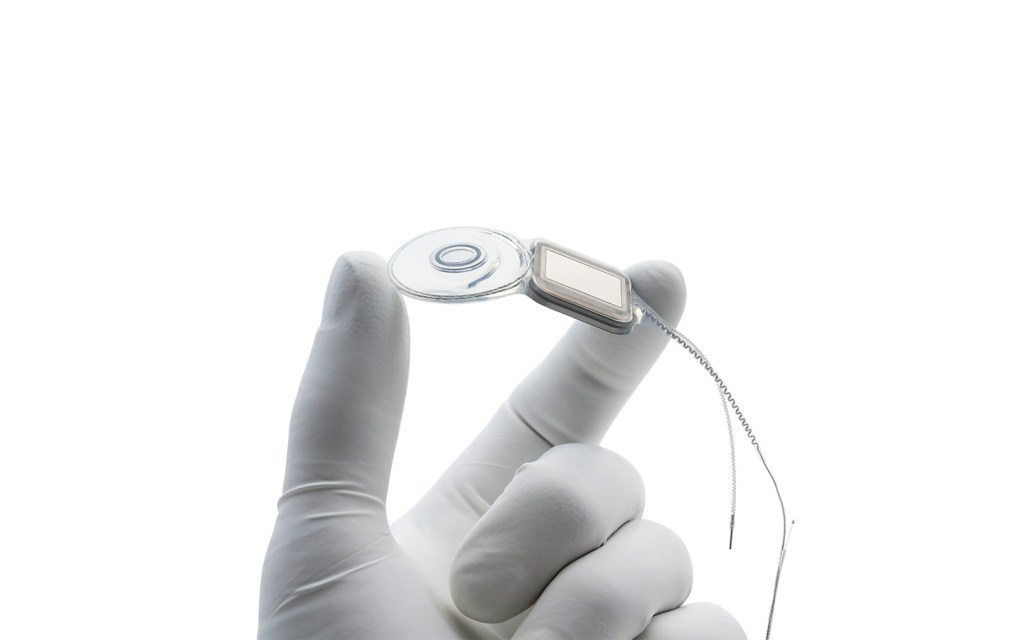
I blink away my past. Today’s the day. The surgical step in regaining my hearing, I think to myself. There’s no turning back.Yesterday was proof, more than enough, that I need the Cochlear Implant.
I climb out of bed and walk to the window and look out. There is still smoke haze hanging about from the 100s of fires that have been burning, many of them lit by people who think lighting fires is a fun thing to do. How dare they? I shake my head. We desperately need rain.
I change my focus. I need to finish breakfast by 7:30am and then fast for surgery. Mentally, I tick off what I have already done for today:
* Organised my daughter to spend the day with her father (my husband), to make sure he is okay while I am having surgery. He gets a terrible look of worry on his face, filled with sorrow, when we talk about the possibility of me having vertigo again. It breaks my heart. It’s a stark reminder that Meniere’s has a powerful impact on those who are spectators to what we go through with this horrid disease.
* Organised for my mum to catch a lift with us to the hospital.
* Organised for my two sons to pick up my dad to come and visit me after the surgery.
* Laughed at the absurdity of all the organisation I must do to ensure that the wheels turn smoothly.
Time for me.
* Breakfast before 7:30, then fasting. Toast and tea and chocolate 😊
* Pack the overnight-stay bag for hospital.
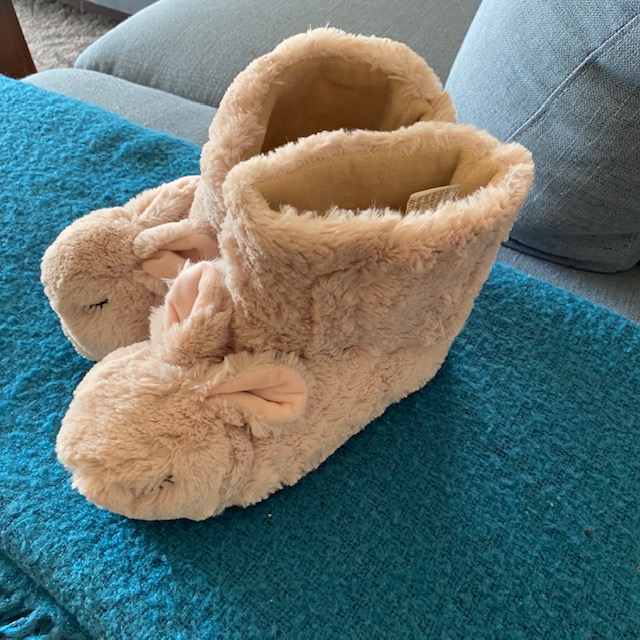
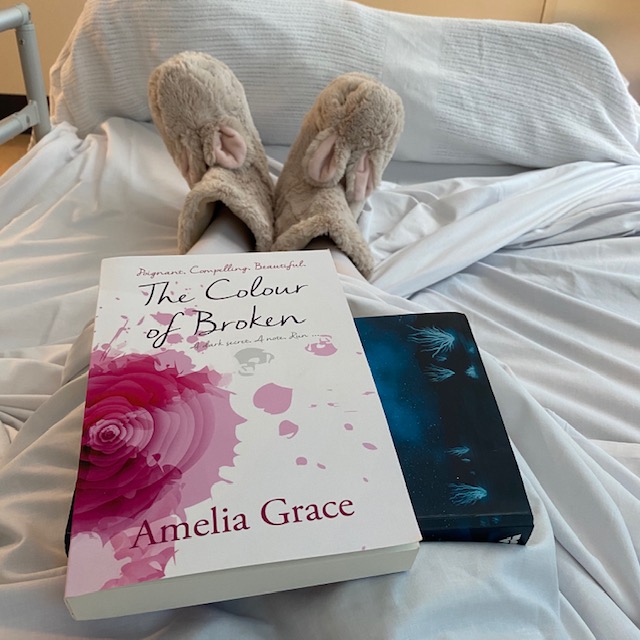
* Race to Target to buy some slippers for hospital. I have never owned any. I choose the bunny slippers because I have always wanted to have a rabbit as a pet. In Queensland, Australia, where I live, it’s a $63,000 fine if you are caught with a rabbit. This is the closest I can get.
* Double check paperwork.
I still for a moment. Vertigo. I have a terrifying fear that it would be awakened by the procedure. My shadow, Meniere’s, is dancing around me smiling. I raise an eyebrow at it and it stops.
The clock ticks over to 10am. It’s time to go. It’s time to start a new chapter in my Meniere’s journey.
I hug each of my sons and tell them that I love them. My eldest son tells me he loves me, and I hear it easily. My youngest son says something after I tell him I love him. In true Meniere’s deaf ear fashion, and one sided hearing, I can’t hear what he said and say my usual, ‘I didn’t hear you, can you say it again?’ and he says with more volume and clarity, ‘I love you, too.’ My heart melts.
I do a final swoop of the house. It is clean and tidy. Then walk to the front door.
My husband has my hospital backpack slung over his shoulder, and my daughter, her heart more beautiful than sunshine, stands beside him. They watch me, worry etched on their faces. I suck in a deep breath, controlling the deep emotion that tries to surface, not for me, but them. I don’t want them to worry.
‘I have an amazing feeling of peace. No anxiety at all,’ I tell them. And it’s the truth.
The front door closes with a feint click. It’s symbolic in a way. One door closes, another opens…
I walk to the car thinking, Anxiety, where are you? My shadow, Meniere’s, and me, are going in for surgery. Where have you gone? I can’t get over the feeling of peace that envelopes me. I decide to accept it and receive this gift from my faith, with a full and thankful heart.
Our car pulls into my parent’s house. Mum and Dad greet me with a smile. The universal language that puts you at ease.
‘Feeling nervous?’ my dad asks, making his hand shake for effect.
‘No. Not at all,’ I answer. Dad raises his eyebrows at me in disbelief.
‘I’m nervous for you,’ my mum chips in.
‘Good on you, Mum,’ I say, offering her a smile.
I hug Dad. Mum sits in the car, then me, and we are off. I’d love to listen to some music with my good ear in the car, but Mum chatters on. I’m guessing it’s her nervousness.
We arrive at the hospital and check in, then proceed to the surgery waiting lounge. Me and my family take a seat together, while my shadow, Meniere’s, bounces on the empty seats. I shake my head at it. I look for my friend, Anxiety, but he’s still not here.
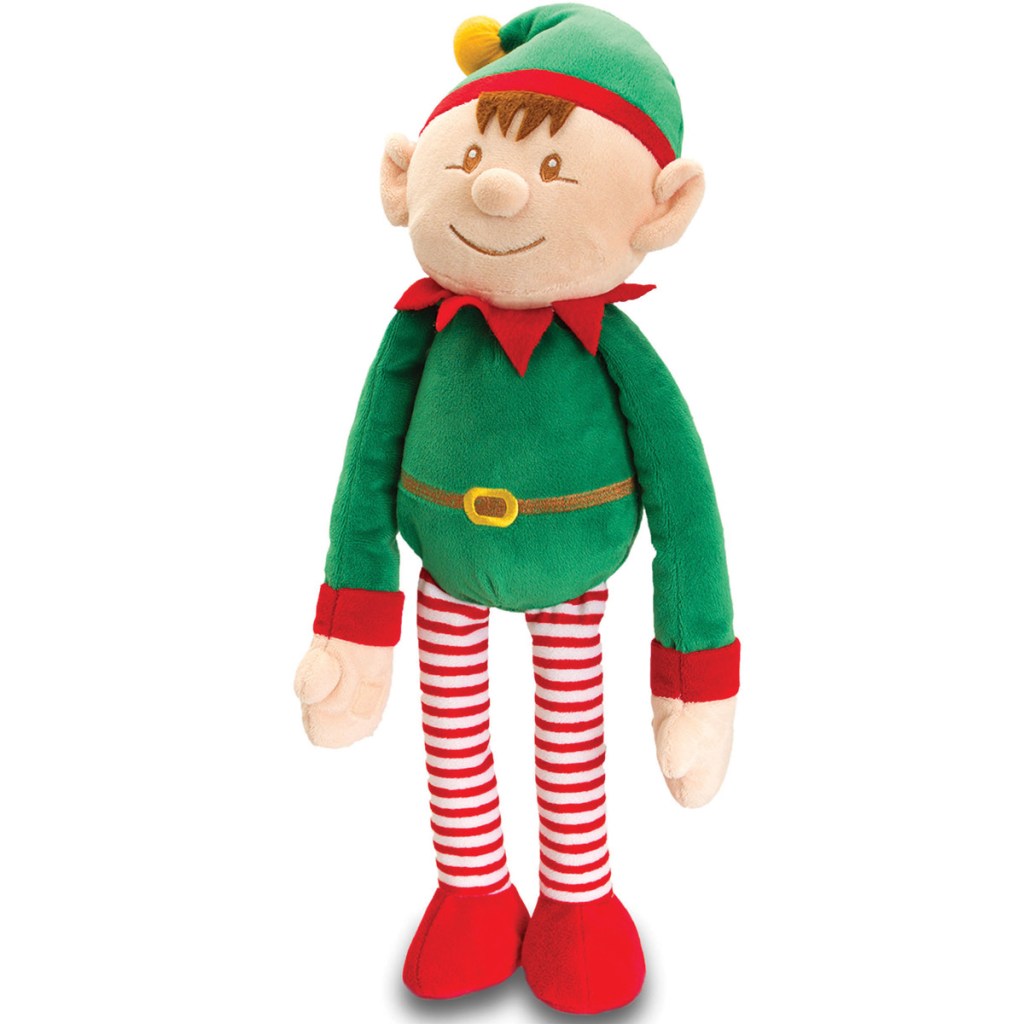
It’s 11:30am. There’s quite a few adults and three children awaiting surgery, and a few of their partners and family members. I watch a man entertain his daughter with a Christmas Elf plush toy. I decide that he is more amused by what he is doing than his child. My shadow, Meniere’s, is sitting on the floor in front of him, watching.
At 12 pm, I’m called to a room by a nurse. She does the pre-op check – temperature, blood pressure, a million questions relating to my health. She tells me that my surgery is scheduled for 2pm, and I return to the waiting room.
At 1:15pm, my anaesthetist appears. I know what he looks like because I Googled his name a couple of weeks ago. My husband and I follow him to a room where we sit and wait for him to speak.
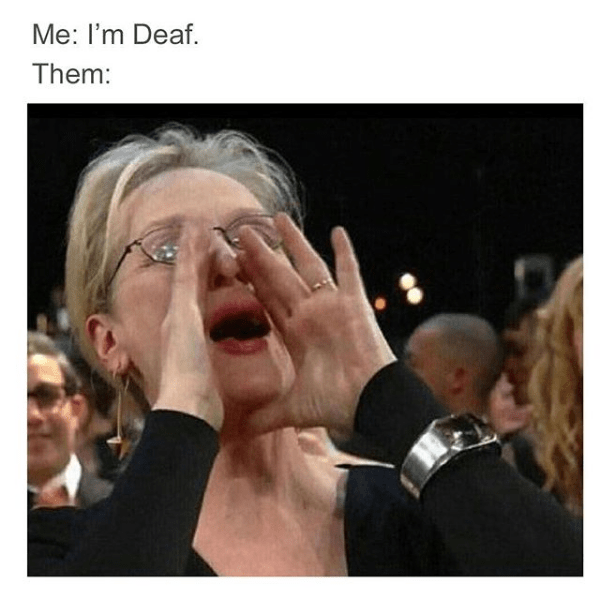
He greets me, talking loudly, over-pronouncing every word like I am totally deaf in both ears. I think of that annoyance profoundly deaf people have where normal hearing people think the person will hear better if they talk loudly.
I tell him I have one good ear and can hear him well. He smiles, and immediately his volume of voice returns to normal.
He asks me medical questions revolving around how I have reacted to anaesthetic with previous operations and takes notes, then I tell him that I have no anxiety about the surgery, and watch for his reaction, both facially and non-verbally with body movement. It still worries me that I’m so peaceful. I am an overthinker after all. I ask him if it is that a thing, like a phenomenon? Or, is there a psychological explanation for it?
He shakes his head and replies, ‘It’s good not to have anxiety.’
His last words before we exit the room are, ‘Don’t worry. I’ll look after you, I promise.’
We return to the waiting room. I keep looking at my watch, wondering when I will be called in for surgery preparation. It’s getting closer to the 2pm surgery time.
At 1:45pm, I am greeted by another nurse. It’s time to go. I hand out hugs and kisses to my husband, daughter and mother, then disappear, following the nurse to yet another room, where she asks me what my name is and my date of birth. She gives me a medical bracelet and cross checks the ID number on it with my paperwork. She shows me the change room, where I am to change into the hospital gown, including covered bare feet and a hospital robe. Once I am dressed, she places tight stockings on my lower legs to prevent blood clots during and after surgery. Then I’m led to a very comfortable recliner chair in another waiting room with a television, where she places a warm blanket over me.
And I wait. But it’s a good time for reflection. I think back to the posts from the Cochlear Implant Experiences Facebook group I joined four weeks prior. The discussions and support of other members on there and what I have learned from them has been invaluable.
It is 2:10pm, and I watch other patients come and go. I watch the television, which has closed captioning, then decide to close my eyes for a bit. I hear my name, and I follow another nurse to have a heart trace done (ECG) before returning to the waiting room. Finally, a theatre nurse calls my name, and I follow her to a hospital gurney that will take me to surgery. I don my surgery cap, hair tucked in. I listen to the nurses chatter about holidays they are taking, then my gurney is wheeled to a holding bay. The theatre nurse tells me they need to change around the operating theatre because they will be working on my left ear. She disappears.
My surgeon enters my holding bay with a smile. He approaches me on my left side, then quickly moves to my right side. ‘You will hear me better on this side,’ he says. I love him already.
‘I need to draw on you to make sure I implant the correct ear. Tell me what surgery you are having done?’ he says. It’s a question I have answered many times already, as well as my full name and date of birth. Surgery protocol.
‘I’m having a cochlear implant in my left ear,’ I answer.
He nods and smiles, then leans over and draws on the left side of my neck, just below my left ear. ‘See you soon,’ he says, and bounces out of the room with too much energy.
Five minutes later, my theatre nurse is back, and we are travelling the halls of the operating theatres. We enter the surgery room, and I gaze around, taking it all in. I see my surgeon studying my MRI, arms folded. He turns and smiles at me. The nurse lines up the gurney to the operating table, and I shuffle over to it, then lie down, ensuring that I am in the middle of the narrow table.
I am surrounded by the anaesthetist, a theatre nurse and my surgeon.
The nurse asks, ‘What is the name of your surgeon, and what is your full name and date of birth?’
As I say my surgeon’s name I look at him. He nods his head and his brown eyes show that he is smiling. I answer the rest of the question and the nurse checks my bracelet ID number to my name.
‘What procedure are you having done today?’ she asks.
‘I am having a cochlear implant in my left ear,’ I say. They all nod.
And then the movement begins. The anaesthetist straightens my right arm on positions it on a support board that juts out from the operating table, then places a tourniquet around my upper arm. He taps my lower arm a couple of times and inserts a cannular. Within 30 seconds I feel myself getting sleepy. The last words I hear are, ‘Take a deep breath,’ as the anaesthetist places the mask over my face…
I wake in recovery to the sound of my name being called. I open my eyes and become troubled by what I see. My biggest fear was waking to vertigo, and then having vertigo for days or weeks after surgery.
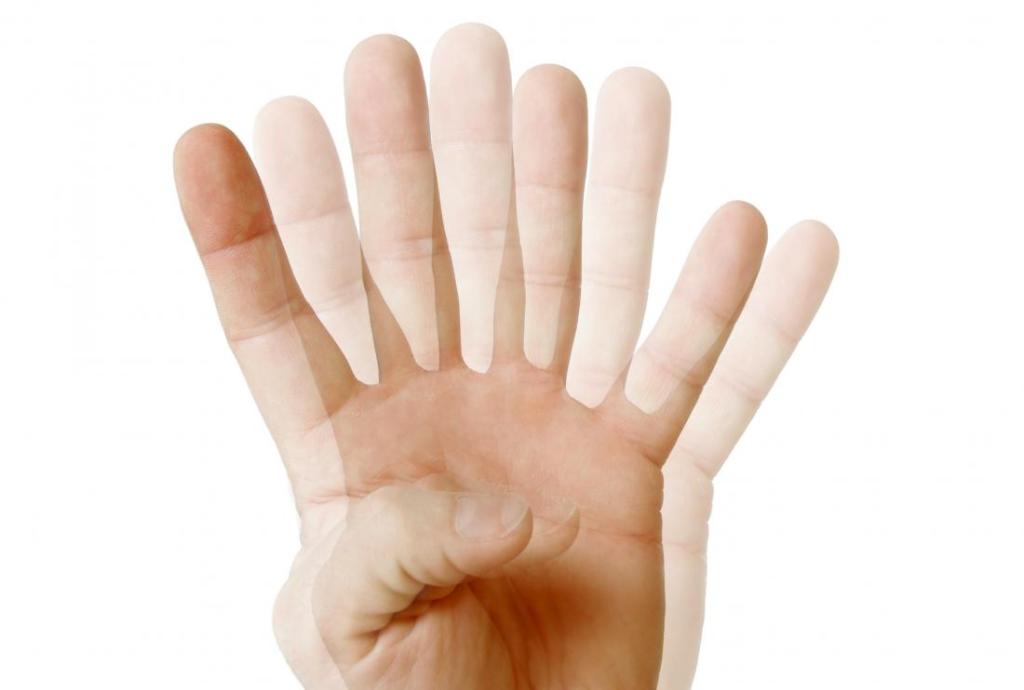
‘I have double vision,’ I say to the nurse, then close my eyes. This isn’t right, I think. Nowhere in my copious amounts of study and research was double vision mentioned.
I open my eyes again, and the double vision corrects itself. I feel my body relax after a small moment of panic.
The nurse checks my temperature, blood pressure, oxygen level and heart rate. I keep my eyes open, focussing on any sign of vertigo. None. I then become aware of a tight bandage around my head, over my ear. I have no pain, which, I assume is due to any pain medication given while I was unconscious.
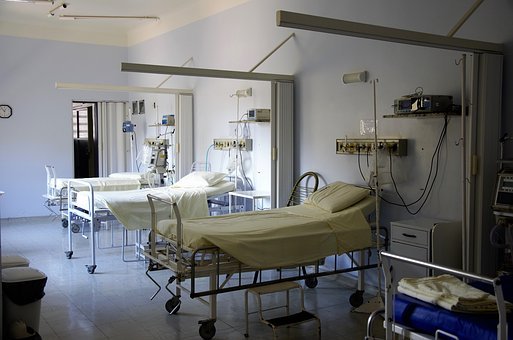
In the next moment, my hospital gurney is moving. I’m being taken to my room for the overnight stay.
As soon as the hospital bed is in position in the room, I look up to see my husband entering, worry painting his face like a fractured mirror. I smile at him, and instantly his worry vanishes, like it has evaporated into thin air.
The nurse fusses about, conducting her observations, recording everything she needs to, and asks if I have any pain, which I don’t. My heart rate is sitting at around 58 beats per minute, but that is normal for me.
Then my mum and daughter arrive. My mum smiles slowly, while Claire eyes me warily. She has seen me with too many tears in her lifetime. I smile at them to put them at ease, but I know they are worried, as their furrowed eyebrows plead for answers to unasked questions.
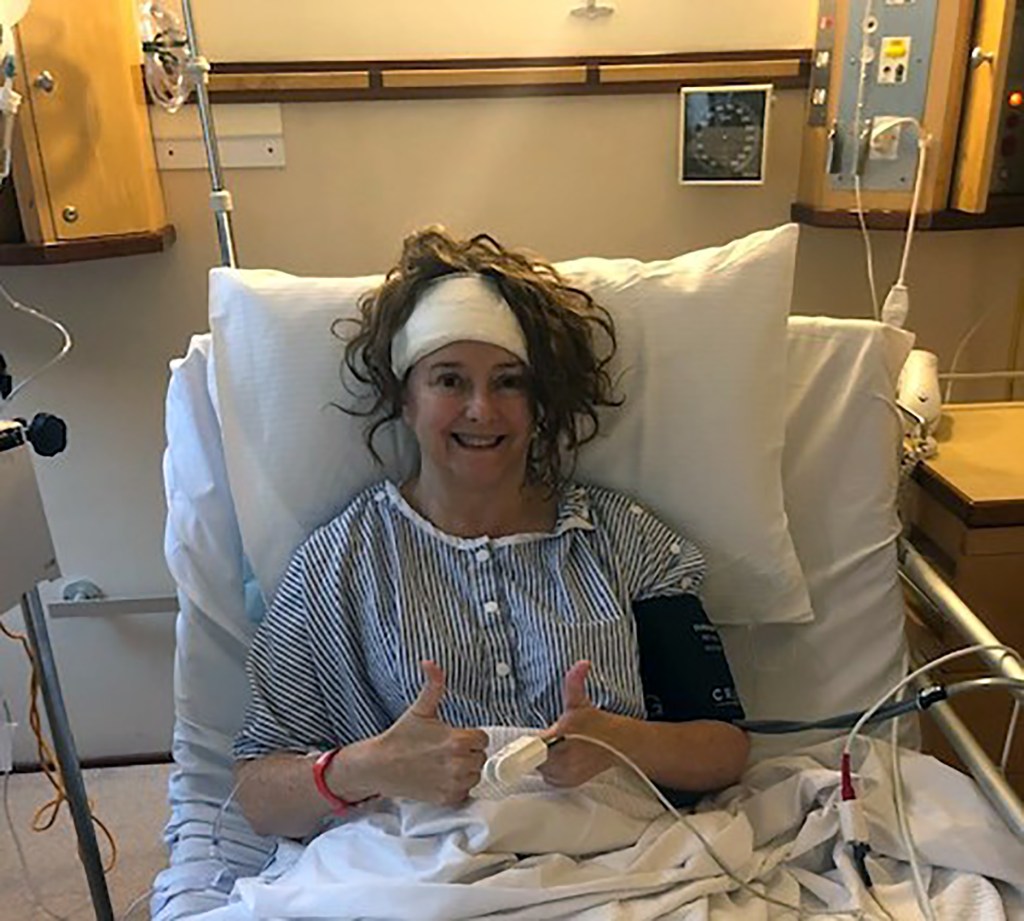
‘I did it,’ I say. ‘No pain at all. I woke up with double vision. But that’s all good now.’ I touch the bandage around my head.
‘Nice head band,’ my daughter says with a smirk. I grin back at her. She has a way with humour that we both understand. My husband and three children have learned to deal with my Meniere’s monster with humour to make me laugh. It’s the only way for us all to cope as they watch me fall apart in front of their eyes. They are brave. And observant. And beautiful. This humour from my incurable disease is a bond that holds us together as they gather around me to hold me up from falling in a heap.
I look up as my two sons and my father enter the room. Well done, boys, I think, Grampy would have loved spending time with you in the car.
Amongst the chatter and explanations and assuring them that I am fine, I discover a tray full of food – chicken soup, a meat dish, vegetables and mashed potato, cake, tea, milk and two bottles of water. Yay! I’m starving! I eat happily, my family tasting this and that as well. The nurse walks in for observations and tells me the surgeon was very happy with the operation. He x-rayed the position of the placement of electrodes while I will still under the general anaesthetic, and that he will be in tomorrow morning to remove the bandages.
After my family leave, I settle in for some much-needed sleep amongst the hospital alarms and beeps.
Still no pain at the surgery site.
Friday 7am…
My surgeon enters the room with a calming presence.
‘How are you?’ he asks. His gaze is focussed on my face, waiting for my answer.
‘Great,’ I say. ‘No pain. Did you give me any pain medication during surgery or after?’
He shakes his head.
‘I’ve had no vertigo. Just double vision when I woke in recovery. Are you happy with the surgery?’
‘Very,’ he says. ‘I managed to get the electrodes all the way into your cochlear.’
My eyes widen. I remember the Cochlear Audiologist telling me that sometimes the surgeon can only get the electrodes partially into the cochlear. ‘Wow,’ I say. I can’t believe it.
He walks to the basin and washes his hands, and takes some scissors from a tray, then walks around to the right side of my bed. ‘Let’s take the bandage off and see how it looks. I’ll have to ruin your great hair style,’ he jokes. He uses the surgical scissors and cuts through the bandage and studies the incision site. ‘Looks good. Sleep sitting up for a few days and don’t wash your hair. No heavy lifting or sneezing. I’ll see you on Monday at 10:45am. Any questions?’
‘Aaah – no. Just … thank you for looking after me.’
He gives me a nod and a smile. ‘Take is easy, and I’ll see you Monday.’
10am
My husband arrives. He hands me a copy of my own novel that has a main character with Meniere’s disease. It’s a gift to the nursing staff. And a gift for those with Meniere’s disease. It will help the nursing staff understand what Meniere’s is really like – physically, socially, emotionally, psychologically. We need to find a cure! I sign it for them.
After final observations and cannula removal, I am discharged from the hospital. I am in disbelief at how good I feel. And I am soooo thankful, with a heart overflowing with gratitude – my faith, my medical specialists, the nurses, my family – it takes a village.
Life is good. The light shines more brightly when you have struggled through the darkest of dark storms.
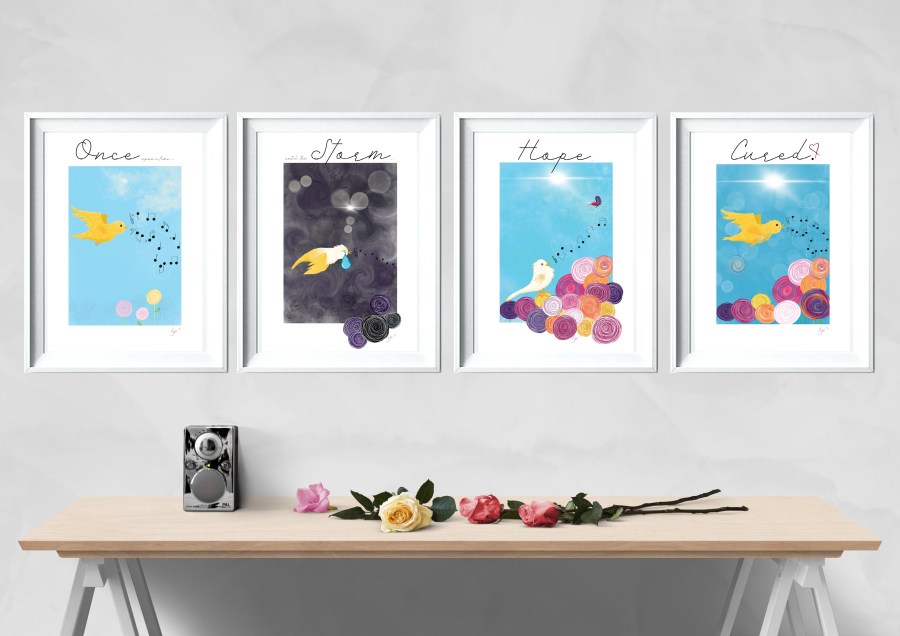
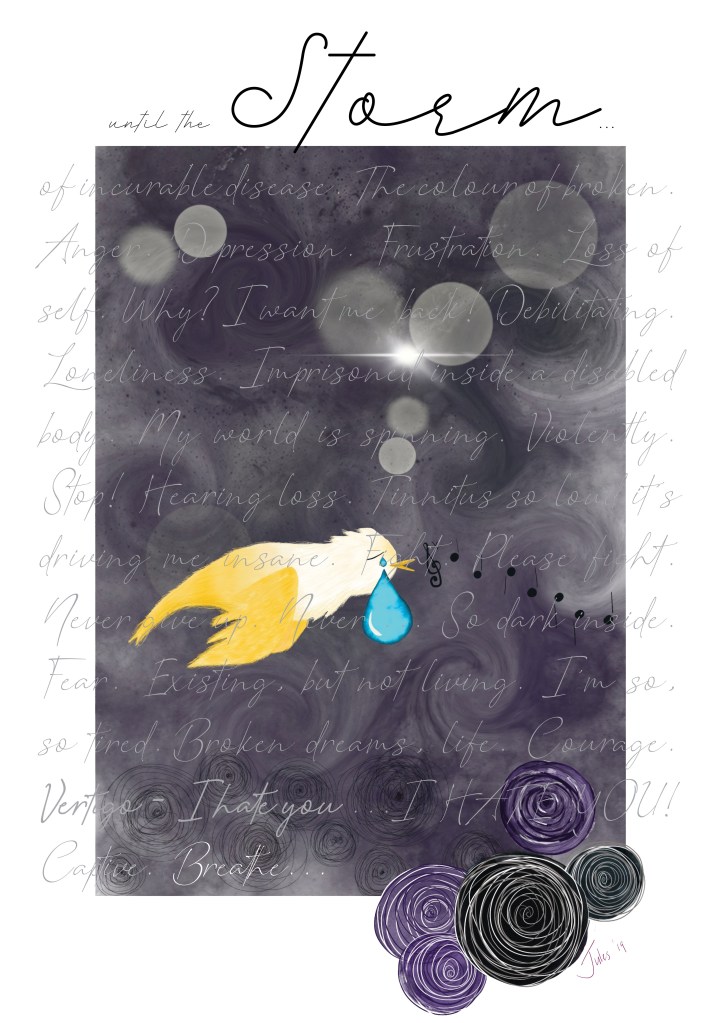
Art work by Julieann Wallace 2019
There is always hope.
Art work by Julieann Wallace 2019
Next blog. Happy New Ear! Cochlear Implant activation …
About this blog …
My Shadow, Meniere’s, is not just about the physical aspect of a Cochlear Implant – you can research about them online. I am sharing the human side of the journey towards a Cochlear Implant – feelings, appointments, the process, apprehensions, successes, highs and lows as I step into the next chapter of my Meniere’s journey.
I am mindful of those who also have incurable diseases or are walking the path of a diagnosis that is life changing. My blog never aims to undermine the severity of anyone else’s illness, disability or journey. We all deal with life with different tolerances, attitudes and thresholds. ‘My Shadow -Meniere’s’ is my journey. It is my hope that it can help others with Meniere’s disease, or hearing loss, or simply when life has a plot twist.
I also acknowledge those before me, who have already had a Cochlear Implant. Your experiences, advice and suggestions are welcome.
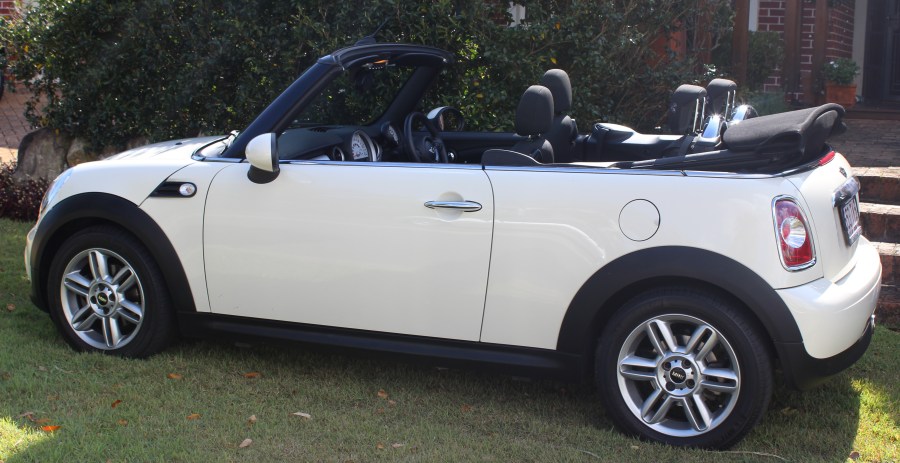
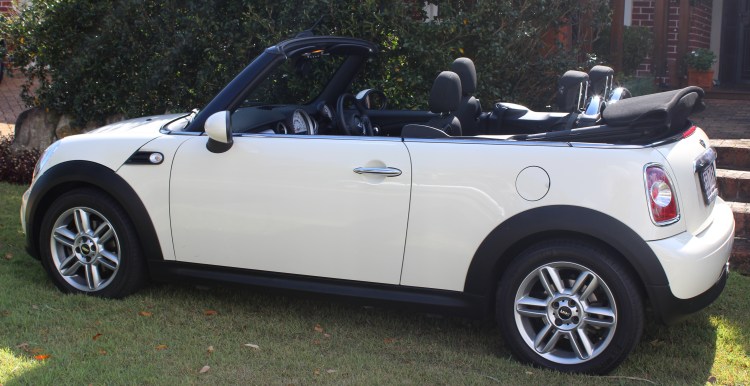
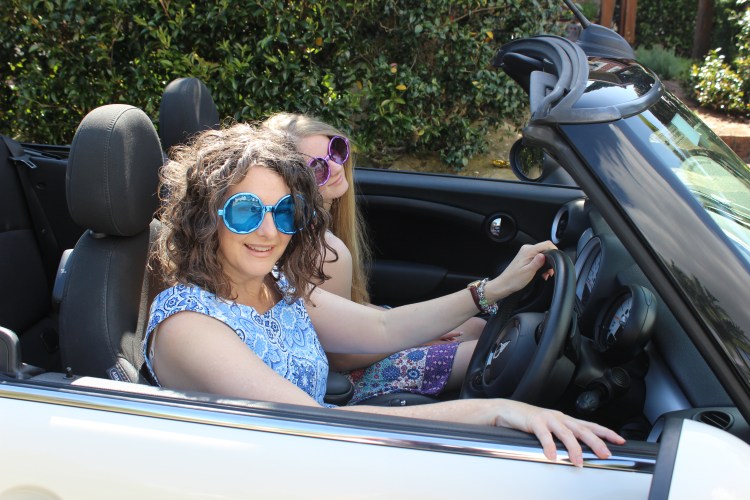
My beautiful daughter, Claire, is driving her beloved mini. I’m sitting beside her, groovy sunglasses on. My shadow, Meniere’s, is bouncing up and down on the seat behind me like a child high on sugar. Anxiety sits beside it, shaking its head at Meniere’s. I smirk at anxiety.
We are on the way to my MRI and CT Scan. Claire volunteered to drive me. She has always loved minis. Her love affair began a long time ago, way before she had her Year 12 formal, four years ago, when we hired a mini convertible for her and a friend to be driven to the formal venue.
Claire has a heart of gold. I often feel guilty that I
couldn’t give her and her two brothers a childhood of excitement like I had
always dreamed of – Wiggles concerts, other kids’ concerts, rides, play dates,
adventures etc. Yet, she has grown into a remarkable young woman, as her two
brothers are remarkable young men.
We turn the corner into the X-Ray building carpark.
‘Do you think they’ll find the Meniere’s Monster inside my
ear on the scans?’ I ask. My shadow, Meniere’s, stops bouncing up and down and
listens.
‘Yes,’ replies Claire, ‘eating cookies!’
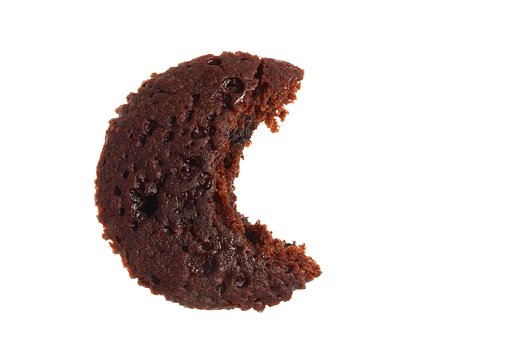
I laugh. That’s how we always deal with the cruel Meniere’s disease. With humour. ‘I don’t have Cookie Bite hearing loss anymore, remember, so it can’t be eating the cookies!’ My shadow, Meniere’s, pulls a sad face.
Claire smiles at me. She parks her mini and a mature-aged
man smiles at us. He must love minis, too, I think.
Claire is armed with a book to read as she waits for the 40
minute MRI followed by the CT scan.
Today, I have a wandering headache and for once I am glad. I
visualise the MRI and CT Scan zapping it to make it go away. I am happy for
this next step before the Cochlear Implant, because if there is anything else
nasty going on inside my head, it will show up on the tests.
I wait next to Claire. The waiting room is filled with 60, 70,
80 and 90-year-olds. I feel young for once.
‘If you hear my name called, and I don’t, can you tell me,
please,’ I say to Claire. She has always been a source of extra ears for me. So
thankful.
My name is called, and surprisingly, I hear it. But then, I
have no idea where the voice is coming from. This is the problem with one sided
hearing loss, you lose all sense of direction of hearing. It is most
frustrating.
I stand and look around the room to match the voice to a woman in uniform. After scanning the entire area, I see her, smiling and waiting at double glass doors. I follow her through the doors, my shadow, Meniere’s, follows me with a sassy walk. Anxiety gives him a poke.
After the wardrobe change into the medical attire, I sit and
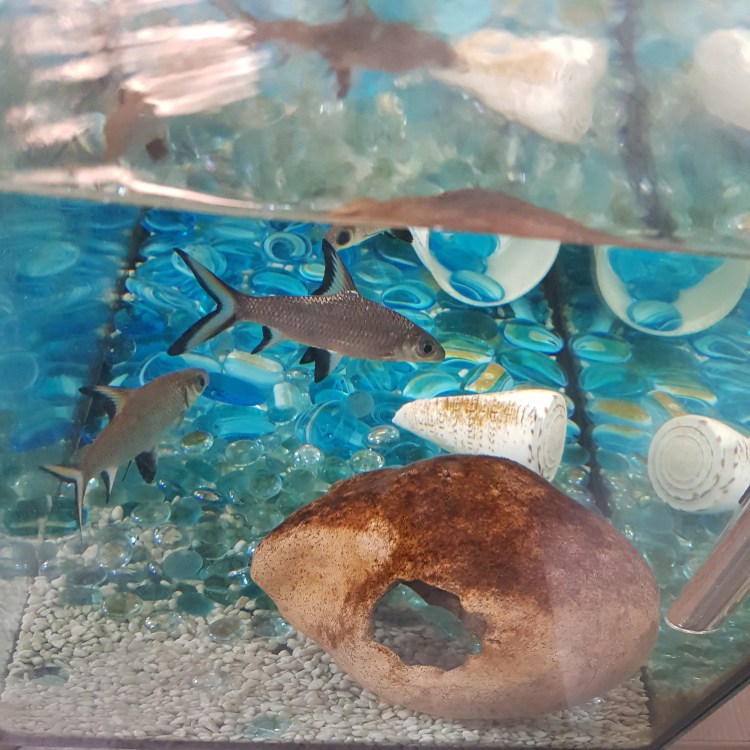
wait. The most interesting thing in the room is the fish tank next to me.
A person appears in front of me, giving me a fright. She
approached me from my left side, that’s why I didn’t hear her. I follow her,
with my entourage, into the room with the MRI machine. Amazing technology.
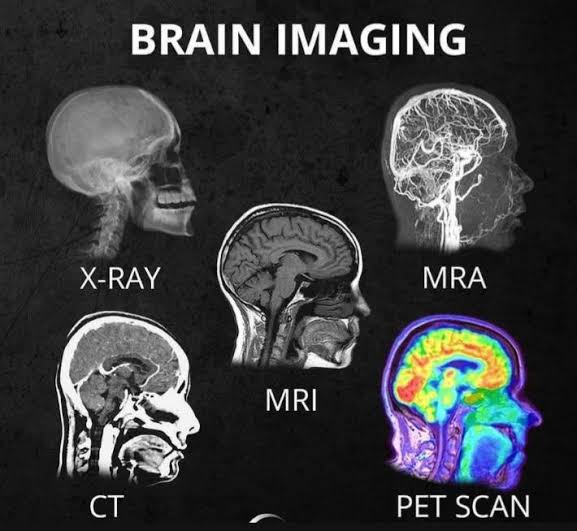
Before I came to the appointment, I wondered what the
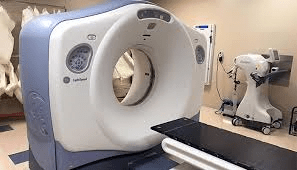
difference was between an MRI and a CT Scan, so I Googled it, and found this
interesting image that explains it well.
I lie down, put yellow ear plugs into my ears, and then have
earmuffs placed over my ears, to protect my hearing, they say. I chuckle,
thinking, I don’t need it for my left ear.
‘You can keep your eyes open or closed, but just don’t move
your head,’ I’m told.
Too easy, I think, I’ve had lots of practise at not moving my head. Haven’t I vertigo? My shadow, Meniere’s, nods.
I’m transported inside the MRI machine.
There is nothing but whiteness, except for a picture of fish in their blue water of paradise above me. Well played, I think, giving people something to look at while having an inside picture taken.
A similar image to what was on the ceiling of the MRI – the real image had many more fish.
I close my eyes and wait. My tinnitus is loud. The machine
is loud, even through the protection of the ear plugs and earmuffs. But my
tinnitus is much louder than both of those. It’s such a show-off, always being
the loudest, even a rock concerts.
I can hear music. A little. I open my eyes to try and work
out the song. “Welcome to the hotel California”. Apt lyrics, I think,
especially the end of the song … You
can check out any time you like, But you can never leave!’ Meniere’s – you
can never leave. I smile with my eyes. Music mirroring life. I look to the fish
and decide to count them. 276.
I try to concentrate on hearing more of the music, but I can’t. My tinnitus is just too loud. Meniere’s, my shadow, is doing the victory dance.
My Meniere’s ear is throbbing, I notice. But not with pain.
Is it the earmuff pressure? I shrug in my mind, then imagine the Meniere’s
monster taking on different poses for selfies with the MRI. My shadow,
Meniere’s, takes a bow.
After 20 minutes, the MRI is finished. I go for my CT scan,
which is much quicker.
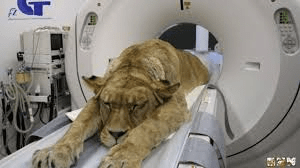
When I leave the building with Claire she asks, ‘Did you see
any cats in the CT scan?’
We climb into Claire’s mini and start her up. My shadow, Meniere’s, is gazing out the window and anxiety has shrunk to the size of a peanut. Next destination, shopping. Claire is an artist and has her final art exhibition for university next week. She has a quest – to find something special to wear.
We stop for a hot drink. I choose a lavender latte. A
celebration of my next step towards a Cochlear Implant completed.
The next appointment – the psychologist …
Claire and I – the morning after her Year 12 Formal. Fun with the hired mini convertible!
About this blog …
My Shadow, Meniere’s, is not just about the physical aspect of a Cochlear Implant – you can research about them online. I am sharing the human side of the journey towards a Cochlear Implant – feelings, appointments, the process, apprehensions, successes, highs and lows as I step into the next chapter of my Meniere’s journey.
I am mindful of those who also have incurable diseases or are walking the path of a diagnosis that is life changing. My blog never aims to undermine the severity of anyone else’s illness, disability or journey. We all deal with life with different tolerances, attitudes and thresholds. ‘My Shadow -Meniere’s’ is my journey. It is my hope that it can help others with Meniere’s disease, or hearing loss, or simply when life has a plot twist.
I also acknowledge those before me, who have already had a Cochlear Implant. Your experiences, advice and suggestions are welcome.
My own silence is smothering me. The journey to the Cochlear audiologist in the city is forty minutes long. Forty minutes of staring out the window. Looking but not seeing. Forty minutes of mixed feelings and questions ruminating inside me, alongside anxiety, and the five impossibly loud noises of tinnitus that never leave me. I can never have inner silence. Ever.
psdesign1
I turn my head towards my husband. My ENT shakes his hand
each time we visit him, and he fills him with kind words about sticking by me
through my Meniere’s journey. ‘Most men would have left their wives by now,’ he
says.
I focus on his facial scars from a recent surgery to remove two
skin cancers from the bridge of his nose (a Basal cell carcinoma and Squamous
cell carcinoma). Sixty-eight stitches. ‘There goes my modelling career,’ he
joked with the plastic surgeon. We all laughed. Our fabulous Australian sun
loves us too much. At least the cancers are removed now. He’ll get on with this
life after this slight hiccup like nothing even happened. It’s not as if he
has a debilitating condition that stops him from enjoying life, I think. My
stomach drops. I berate myself for not being sympathetic to what he has been
through, and guilt hits me like a freight train.
Disappointed with myself, I look back to the road before us,
the movement of cars making me nauseous. I hate Meniere’s disease. When will it
end? Meniere’s for life. Like a prison sentence. Wherever I go, Meniere’s goes.
My shadow, always present. Lurking.
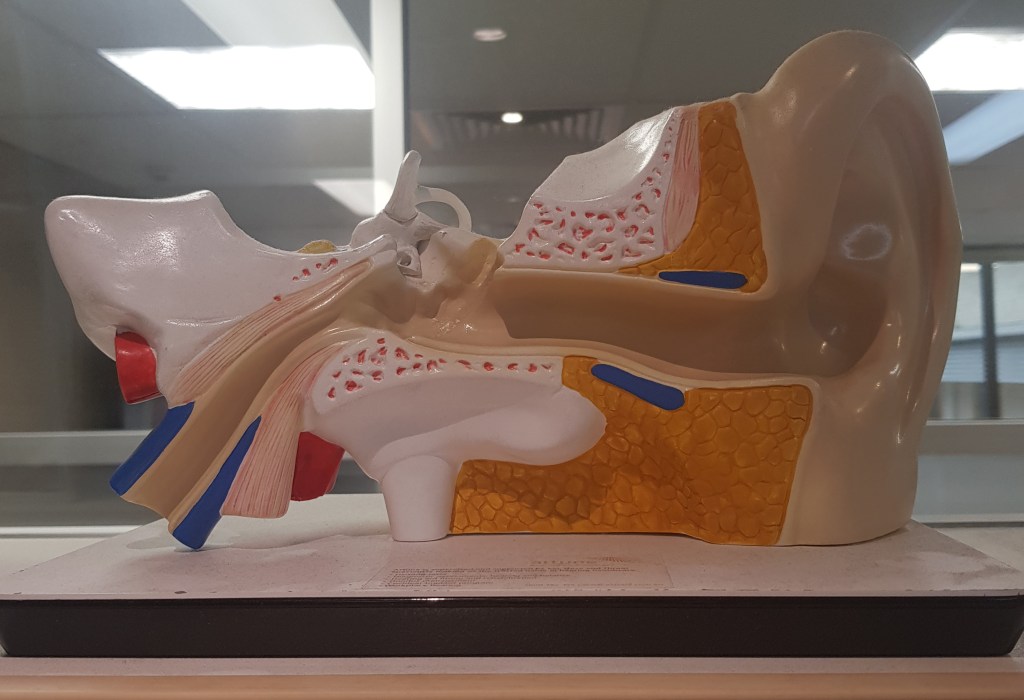
The first thing I see at the hearing centre is a ginormous ear. Yep. I’m at the right place!
An audiologist enters the reception area and calls me to follow him. We go into a soundproof room and he introduces himself and then asks me, ‘Your Meniere’s started in which year?’
‘My left ear,’ I answer.
‘Uh – huh. Which … year … did it start?’ He repeats.
I burst out laughing at my mishearing. Welcome to my life. He doesn’t laugh like me. I’m guessing he has heard it all before. I am having my hearing tested for hear loss after all. Mis-hearing is nothing new to him. ‘It started in 1995,’ I answer in a serious voice.
He asks more general questions, and at the end of his questioning, I say – just for general information, ‘I know that research shows no cause and no cure for Meniere’s, but I believe my Meniere’s is caused by being hit on the side of my head, close to my left ear, by a softball when I was sixteen.’
The audiologist leans back in his chair and folds his arms.
Uh-oh…
He takes a deep breath. ‘Meniere’s disease is an inflammation
of the endolymphatic sac and—’
‘I know, in detail, what happens in the inner ear with Meniere’s. I have been researching about it for 24 long years and was invited to the Meniere’s Symposium in Sydney last year (https://healthyhearing.com.au/menieres-disease-research-symposium/) and have heard about and seen images of the physiology of what happens during a vertigo attack.’ I had cut him off. I feel bad. He assumed I had no idea I knew anything about my disease, as one would. He should have asked first. All of us Menierians search for the exact moment that might have changed our lives, and research the disease itself. We talk to each other. We know A LOT of stuff about our disease.
He gives me a nod and says no more on the subject.
I add, ‘I had a hearing test a couple of years ago and it showed that I have cookie bite hearing loss (https://www.hearingdirect.com/au/blog/what-is-cookie-bite-hearing-loss.html ). It’s genetic on my father’s side. That’s why I would like to get a cochlear implant, so at least I have some hearing in the future.’
He gives me a nod again. ‘Okay. Let’s start the hearing test.’
He sets me up with the earphones, beeper, gives me the usual hearing test instructions then sits at his desk of hearing test gear. He gives a negative sigh and I wonder if he likes his job. We begin on my ‘good’ ear first, and I push the button each time I hear a beep, trying to ignore the terribly loud tinnitus in my left ear. Some tones I guess because I don’t know if it is the tinnitus sound or the beep, so I just push the button anyway.
My Meniere’s ear is next. I cannot hear the beginning of the
beep at any time, but towards the finish of the testing, at times I hear the
end of the beep, I think, so I press the button. I get excited when I
can hear some high tones. I can hear! My heart smiles.
The testing continues. By the end, I have sat through these
hearing tests:
1. pure tone audiometry, which tests how loud different sounds need to be for you to hear them
2. air conduction, which measures whether you can hear different tones played through headphones
3. bone conduction, which measures how well your cochlea picks up vibrations
4. tympanometry, which isn’t a hearing test, but a check of your eardrum
When the audiologist is finished, I sit in silence and wait
on his results, still buzzing from the fact that I could hear some high tones
in my Meniere’s ear. It’s a good day 😊
He looks up from the audiometric graph and pulls a face. I interpret it as a good result. I can hear in my Meniere’s ear, when I thought I was profoundly deaf. That’s what he is about to tell me…
‘You don’t have cookie bite hearing loss,’ he says. ‘Your right ear is fine, except you can’t hear the high sounds above our normal hearing range, which people with normal hearing can on our tests. Your Meniere’s ear is what we call, “dead”.’
I am surprised and happy. I don’t have cookie bite hearing loss? How did the testing show cookie bite hearing loss two years ago, but not now? I’ll take it as a win for my good ear.
Then my heart sinks. Weirdly I feel sorry for my left ear. The audiologist called it ‘dead’.
I touch my ear without thinking. Like consoling it. It’s
like he has hurt its feelings. I blink.
The audiologist continues, ‘We do cochlear implants for one-sided hearing loss like yours. You have zero speech discrimination, so a cochlear implant will help you. Are you seeing Jane, the cochlear implant assessor, after this test?’
‘No. That’s Monday.’ I nod. Anxiety raises its head.
He gives me a smile. ‘Right. Let’s optimize your cros hearing aids.’
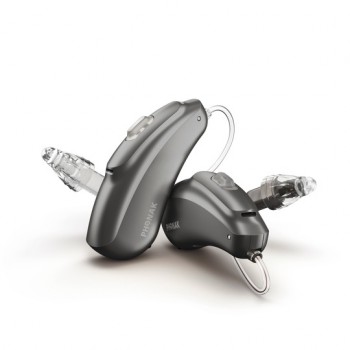
I follow him to another room overlooking the city. He cleans my Phonak Cros hearing aids that I love. I wear two – the left one sends the sound to the right hearing aid, so I can hear sound on my left side. The audiologist tells me the best place for prices to get replacement filters and batteries. Then he places them into my ears, puts an analysing device on my shoulders, and connects it all to the computer. He adds my latest hearing results to the program, and just like that, the computer system optimizes my Cros hearing technology. Brilliant.
I walk out of the audiologist’s rooms happier than I entered. I don’t have the genetic cookie bite hearing loss that affects only the girls on my dad’s side of the family, like my aunty and her three daughters. I’d add a happy skip, but I’d lose my balance and fall over. My shadow, Meniere’s, chuckles at me.
The next appointment – assessment for a cochlear…
Artwork and words by Julieann Wallace
About this blog …
It’s not just about the physical aspect of a Cochlear Implant – you can research them online. I am sharing the other side of the journey towards a Cochlear Implant – my feelings, my appointments, the process, apprehensions, successes and failures as I step into the next chapter of my Meniere’s journey.
I am mindful of those who also have incurable diseases or are walking of the path of a diagnosis that is life changing. My blog never aims to undermine the severity of anyone else’s illness, disability or journey. We all deal with life with different tolerances, attitudes and thresholds. ‘My Shadow -Meniere’s’ is my journey. It is my hope that it can help others with Meniere’s disease, or hearing loss.
The day is overcast, mirroring my mood. Today, I go for a Cochlear Implant “work-up” for my left ear. I’ve been considering a Cochlear Implant for a while, but have bathed in the delusion that somehow, my hearing will come back. But of course, it won’t – it’s just my eternal hope that floats around me as I journey through the incurable Meniere’s disease.
My symptoms started in 1995. Ear fullness, like I had been swimming and still had water stuck in my ear canal. Bouts of unpredictable, violent vertigo. Tinnitus. And then came the hearing loss. Gradually.
I was 28. ‘Meniere’s is more common in men over 50,’ my ENT
told me. Online information at the time backed up the statement.
Today, I sit looking out the window at the dark, heavy clouds, painting the state of my heavy heart and dark emotion. I’m 24 years into my Meniere’s journey, yet I’m filled with tingles of anxiety travelling over my skin like waves, with one big question bouncing around in my mind.
If I have a Cochlear Implant, will the disabling vertigo of Meniere’s disease return?
And I’m not just talking about being ‘dizzy’. The vertigo of Meniere’s disease for me was the most abhorrent, violent, room spinning. Totally debilitating. Hold on to the floor even though you are already on lying on the floor, stare at one spot on the wall for four or five hours until the spinning subsides. Beyond exhausting.
And let’s not forget the relentless, vicious puking that feels like you’re about to turn inside-out, dehydrating the body so much you need to be transported to emergency at the hospital.
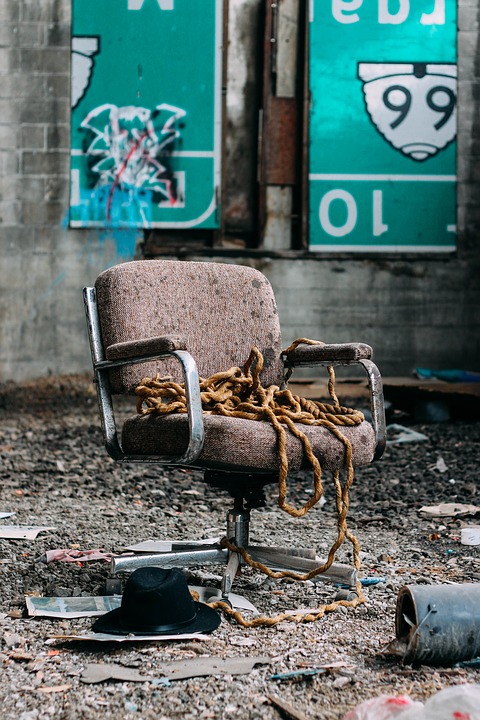
If you ever want to know how vertigo of Meniere’s feels, sit on an office swivel chair and get someone to spin you around as fast as they can, non-stop. Imagine not being able to stop it. For hours and hours and hours. Then imagine never being able to predict when vertigo will hit – because when it does, you are stuck wherever you are, and you absolutely can not move, as it will make the spinning impossibly worse. This is the vertigo of Meniere’s. Hell.
In 2004 I made the choice to destroy the balance cells in my left ear to stop the debilitating, violent vertigo. The bottle of gentamicin was now my hope. My ENT injected it into my middle ear.
Imagine for one moment, having to make the choice about destroying your balance cells. Balance. Yeah – that thing. Something you never even think about. Your body just does it for you.
I relearned my balance and retaught myself to walk with a new normal, using my eyesight as my guide for balance. But compared to the unpredictable vertigo, the destruction to my vestibular system was an answered prayer. It changed my life. It gave me my life back. With physical limitations. I was no longer spiralling down into the darkness of the Meniere’s prison where there is no escape.
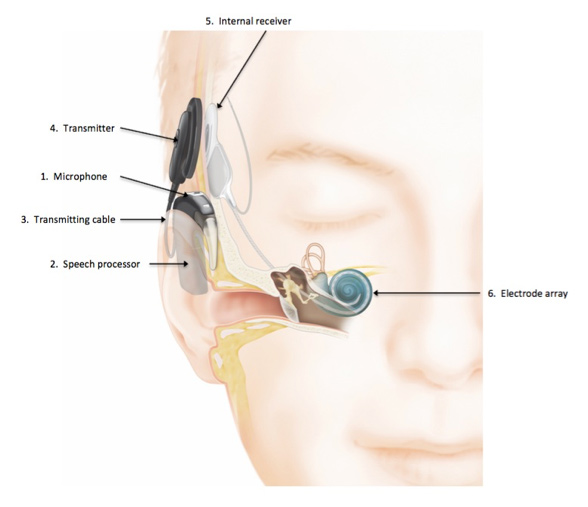
But back to my question – if I have a Cochlear Implant, will the disabling vertigo return? And if it does, what does it mean for my life after living vertigo free for 15 years?
eyeandear.org.au Adapted from images courtesy of Cochlear Ltd
I’m taking a risk. I know that. The thought of having vertigo again terrifies me. My vertigo years were a very, very dark emotional place to be. Once upon a time I had a life and lived it fully – working full-time in a job I loved, physically able to do what I pleased, and engaged in a social life. I was happy. Then Meniere’s hit, and took it all away. Every waking moment was lived in fear of a vertigo attack. Sleep was not even a safe place. I would wake in the night, spinning violently, unable to close my eyes for four or five hours until it stopped.
I need answers from my ENT and my Otologist whom I am yet to see. Can my Meniere’s vertigo return due to the Cochlear Implant?
I walk out the front door and lock it behind me, anxiety joining me for the Cochlear Implant work-up appointment. Anxiety. We have been friends for a long time. Introduced to each other by my dark, dark shadow, Meniere’s disease.
Friends already fitted with Cochlear Implants tell me it will change my life … I sigh and wonder which way it will change my life.
Just breathe, I tell myself …
To be continued.
Julieann is a multi-published author and artist who is continually inspired by the gift of imagination and the power of words. When she is not disappearing into her imaginary worlds as Julieann Wallace – children’s author, or as Amelia Grace – fiction novelist, she is working as a secondary art teacher, editor, book designer, and book magician for other authors. Julieann’s 7th novel ‘The Colour of Broken’ with a main character with Meniere’s disease hit #1 on Amazon in its category twice – all profits are donated to Meniere’s research. Julieann is a self-confessed tea ninja and Cadbury chocoholic, has a passion for music and art, and tries not to scare her cat, Claude Monet, with her terrible cello playing.






























 My Shadow - Meniere's