My Hearing Addiction

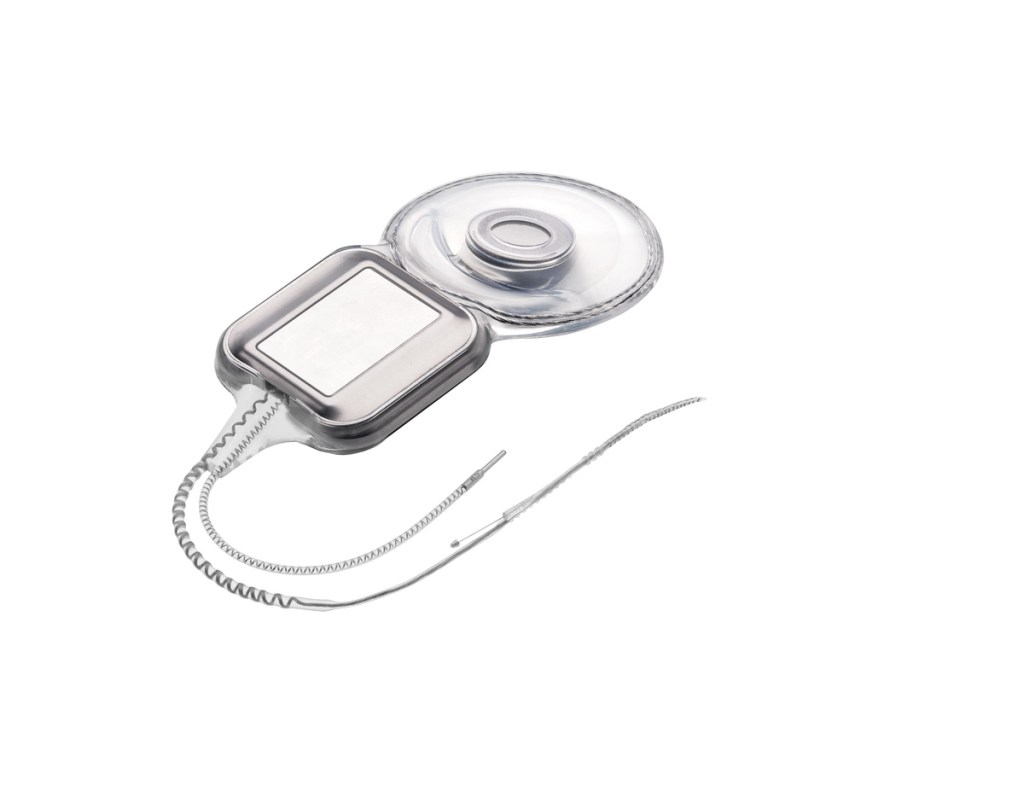
The rain is falling on our tin roof. I step off the veranda with my umbrella, and close my eyes. A tear slips down my cheek. I can hear droplets of water battering the umbrella with two ears. For the first time in 15 years. It’s a big deal. I never thought I would hear the world around me again in my left ear, except for the five torturing sounds of loud, relentless tinnitus – louder than any rock concert or loud party I had attended – a symptom of the abhorrent Meniere’s disease.

woman-3618866__340

The rain is in ‘surround sound’. It’s surreal. I twirl, slowly, without losing my balance. My own type of raindance, keeping my cochlear implant processor dry.

Bliss. Happiness. Beyond thankful.

My homeland has gone from heartbreaking drought to catastrophic fires to flooding rain. But nobody is complaining. Rain is water. And water is life.

dr bf fl

After a long moment of mindfulness, I return to my study. I have work to do. Learning to hear again. Not just sounds, but words and sentences to understand conversations to allow me to be confident with interactions with people, friends and family, and to restore my social life.

drinks-2578446__340

I can’t lie. I was more nervous about the ‘switch-on’ of my cochlear implant – where you finally discover if the electrodes work, how many work, and whether you can hear, or not – than the almost two-hour surgery.

I was never really certain about what I would actually hear with my cochlear implant. And there were no guarantees that I would hear well, or at all, after 15 years of deafness from Meniere’s disease. I wondered, if I could hear, would it sound like ‘normal’ hearing? Would I be able to understand speech? Would I be able to hear music? Or, would I be lost in a world of robotic hearing that is so terrible and irritating that I will regret having the procedure done? What if it is not successful?

futuristic-3862179__340

I’m taking an enormous leap of faith. I’m diving into an unknown world. How many times have I read the words, “I’m too scared to get a cochlear implant!”?

On the flip side, how many times have I read the words,

“It will change your life!”

Before being activated, I watched online cochlear implant simulators that claim to sound like what is heard with a cochlear implant, but many of them didn’t sound like my implant. And many were dated a very long time ago, when the technology was new. Hearing with a cochlear implant has come along way since then.

The video that I think is close to what hearing with cochlear implant technology is like, is this one – and that was in 2014. Since then, cochlear implant technology has been improved and refined.

Learning to hear. It’s a new territory for me. A new journey. But one I am excited about.

I did a silent dance of victory when my cochlear audiologist told me I had to listen to audiobooks for at least 30 minutes a day to learn to hear. I LOVE reading!

coffee-2446645__340

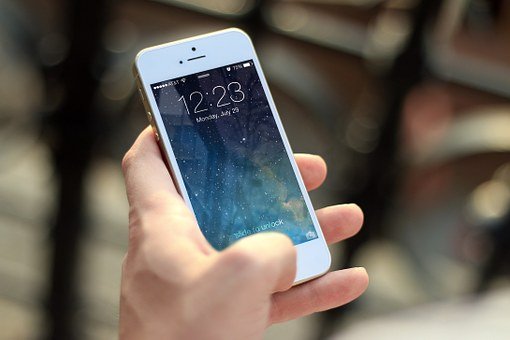
And then there were the apps for my iPhone (thanks to Apple for the direct connectivity to my CI – the Nucleus Smart). Apps filled with common environmental sounds; sight words; matching the sound to the visual word; matching the picture to the sound; word discrimination; sentences; and more (there’s a list of apps at the end of this blog).

The moment I started to listen to the audiobook, ‘The Lake House’, by Kate Morton, and followed the words in my print book, I startled.

Learning to hear is just like learning to read!

I should know. Over my teaching career, I’ve given thousands of students the gift of reading.

But with learning to hear, instead of learning what a word looks like in print, you are learning what a word sounds like. I’ve decided to call it a ‘SoundPrint‘. I don’t know whether that’s a real thing, but I like the concept of it. I like the thought of making a ‘SoundPrint‘ in my cochlear implant ear to make new hearing memories, and connecting stored memories of my once upon a time hearing to my new hearing. It’s like bringing beautiful colours of hearing back to the greyness of my deaf ear.

kate-morton

I’ve got to admit, I’m addicted to my cochlear implant hearing. When I don’t have my CI processor on, I feel like a piece of me is missing, and I recede to my former self, the other me, all my senses on high alert – I didn’t realise how exhausting my life was before my new bionic hearing.

The gift of hearing. Thank you can never be enough to Professor Graeme Clark AC, the inventor of the multi-channel cochlear implant. My heart smiles everyday, thanks to you.

P.S. Some of the apps I use for learning to hear:

• Join your local library so you can download audiobooks. I choose the audiobook for print books I already have at home so I can follow the printed text while listening.
• Hearoes  https://www.games4hearoes.com/  FREE https://www.facebook.com/hearoesapp/
• Angelsound http://angelsound.tigerspeech.com/ FREE
• Children’s picture books are highly recommended – use Storyline Online https://www.storylineonline.net/ You can turn on captions, or, if you want to challenge yourself, turn them off

  • I’ve started compiling my Spotify Cochlear Music Collection – Cochlear Implant Music by Jules – it’s a work in progress, and I’m still on a learning curve with music. But I have discovered, that if I already know the song, it is easier to ‘pair’ the music with my cochlear implant hearing and my music memories before hearing loss 😊
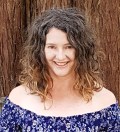
20181228_162531.jpgcr.jpg t.jpg cr

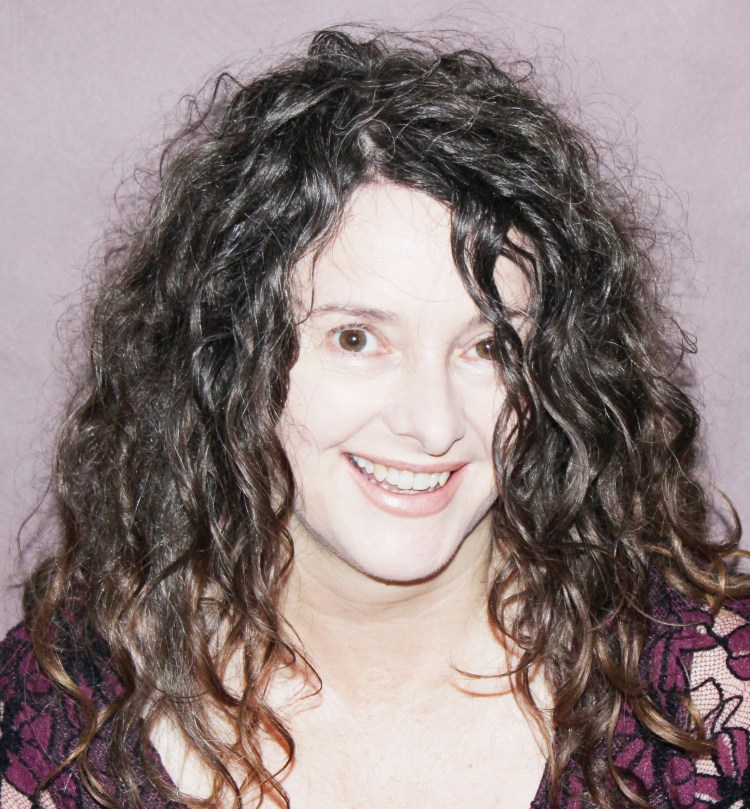
Julieann Wallace is a best-selling author, artist and teacher. She is continually inspired by the gift of imagination, the power of words and the creative arts. She is a self-confessed tea-ninja, Cadbury chocoholic, and has a passion for music and art. She raises money to help find a cure for Meniere’s disease, and tries not to scare her cat, Claude Monet, with her terrible cello playing.

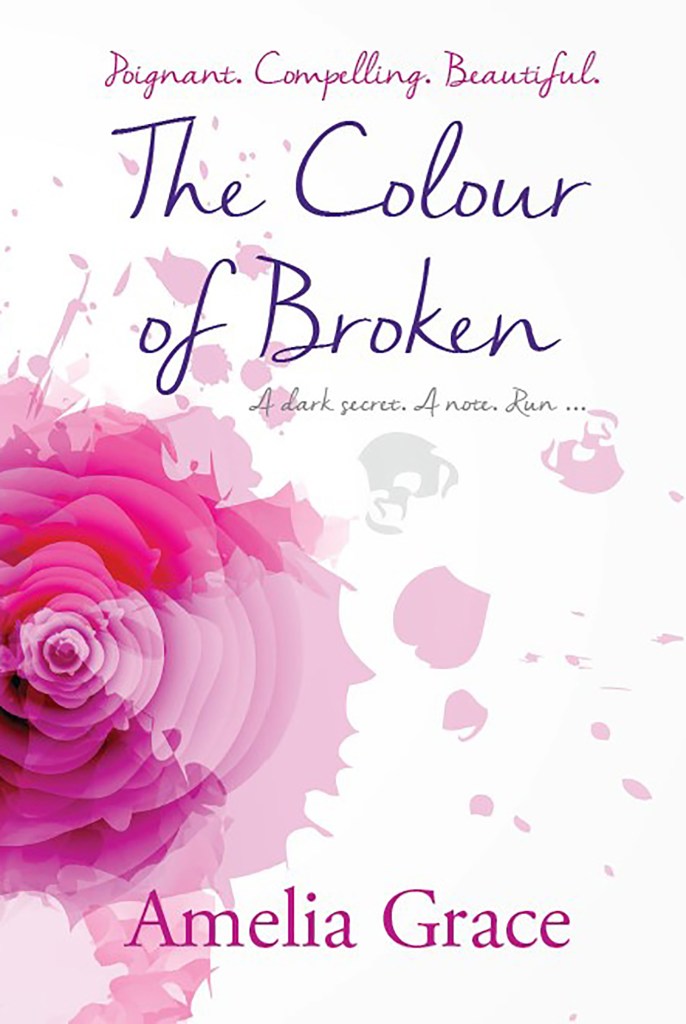
The Colour of Broken‘ – The #1 Amazon bestselling book with a main character with Meniere’s disease – raising awareness and understanding.

Buy ‘The Colour of Broken’

Buy ‘The Color of Broken’

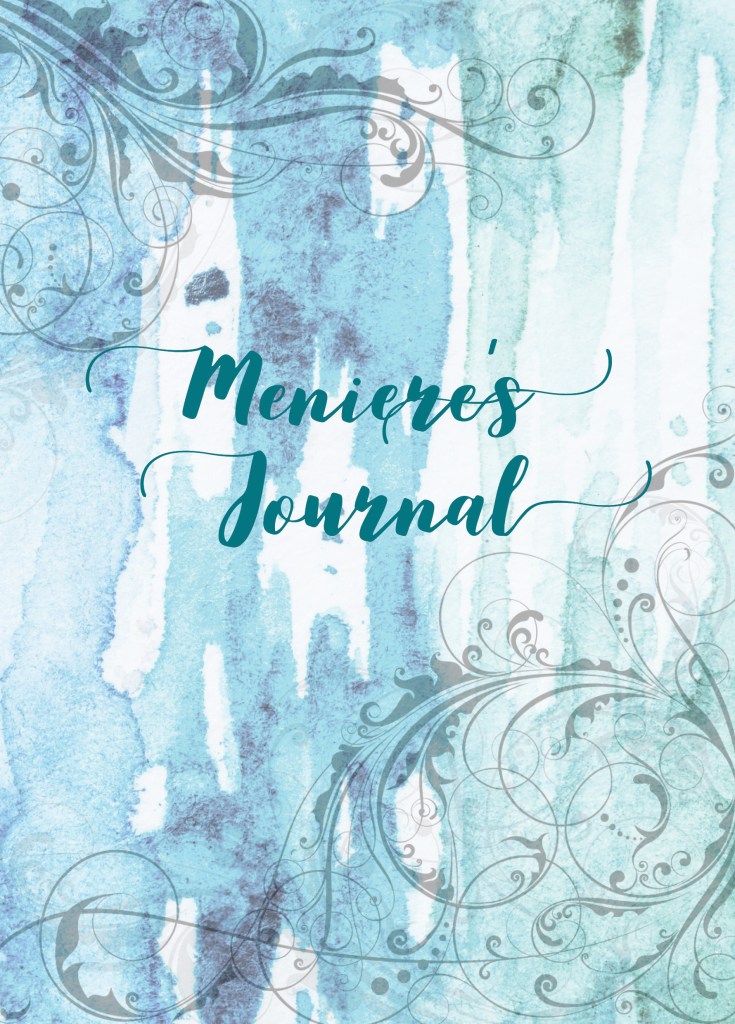
Buy the ‘Daily Meniere’s Journal’

Buy the ‘Monthly Meniere’s Journal’

100% profits from the above books are donated to medical research for Meniere’s disease to help find a cure.

About this blog …

My Shadow, Meniere’s, is not just about the physical aspect of a Cochlear Implant – you can research about them online. I am sharing the human side of the journey towards a Cochlear Implant – feelings, appointments, the process, apprehensions, successes, highs and lows as I step into the next chapter of my Meniere’s journey.

I am mindful of those who also have incurable diseases or are walking the path of a diagnosis that is life changing. My blog never aims to undermine the severity of anyone else’s illness, disability or journey. We all deal with life with different tolerances, attitudes and thresholds. ‘My Shadow -Meniere’s’ is my journey. It is my hope that it can help others with Meniere’s disease, or hearing loss, or simply when life has a plot twist.

I also acknowledge those before me, who have already had a Cochlear Implant. Your experiences, advice and suggestions are welcome.

It Will Change Your Life #12

It’s two days before my Cochlear Implant activation and I’m sitting at my desk, writing my new novel. An overwhelming emotion hits. I want to cry. I want to ugly cry. I catch my sob and swallow the lump in my throat and refocus on my writing, listening to cello music with my right ear, trying in vain to hear over the incessant extra loud tinnitus in my deaf left ear – five different noises. It always wins, even at music concerts. I haven’t heard silence for 23 years. Nothing I can listen to masks the sound of tinnitus.

Three years ago, I received a cello as a birthday gift. I wanted to learn to play it so I could hear the music in my memory when all my hearing was gone. I wanted to play it and feel the vibration of the music inside me, so I could burn into my mind how music would make me feel when I could no longer hear. The emotion of music. That is why we all love it so much. It makes us feel. Emotion. It’s what makes us human.

I’ve been playing the piano since I was eight, and can see the written notes inside my head when music is played. I can look at a sheet of music with no sound, and hear the sound of the inky notes on the paper. But it’s the cello I love the most.

You never realise how important something is until it is gone. Anyone who has something wrong with their body can vouch for that. Look after yourself. Not that I did anything wrong to lose my hearing. It is Meniere’s disease that has done that. I hate it with a passion – not just for me, but what it does to people. I know several people with Meniere’s who have taken their lives because of it.

No more. No. More. Enough is enough.  

Sometimes, when I am playing music on my computer whilst writing or working, I stop and put my hands on the two speakers on my desk, and place my foot on the sub-woofer on the floor. I close my eyes and concentrate on the feel of the vibration. The vibration of the high and low sounds and everything in between. The light vibration. The strong vibration. The combination of vibrations.

I would love it. And hate it.

I would love it because I could still hear it with my “good” ear.

I would hate it because I am losing hearing in my “good” ear as well. It would kill me each time, knowing that one day I would never hear music again while walking the Earth. Did I do something to cause this? It tortures my mind if I let it. Then I am reminded that my life is all the more richer because of what I have been through.

It’s the day before activation.

I’m almost going into a panic. Breathe. I feel like a bird that has been trapped inside a cage for too long for it to remember freedom, and when the door is opened for it to fly from its prison, it stays there, because it feels safe.

This is me. A prisoner in my own body. I’ve had Meniere’s disease for 25 years this year. Nearly half of my lifetime. To be honest, there are many days that have been hell. Friends and family never saw that. They only saw the happy me. The one wearing the mask, fooling the world that I was okay. I faked being well. I’m a pro at it. I can’t remember what it’s like to feel “normal”. My life with Meniere’s disease is lived within strict limits as to what I can do. What I can eat. Choosing to isolate myself from social activities because I can’t hear, or I am scared of having a vertigo attack, or the worst one – rejection – because of my hearing loss and I can’t participate, or because I have answered a question wrongly because I couldn’t hear them, and I didn’t want to ask them what they had said for the fifth time.  

To have no vertigo. No tinnitus. And have hearing in my left ear again …  what is that? Is it even possible? What will I become? Will I still be me?

I admit. I am struggling big time. So I keep working on my new novel.

I’m 13,000 words in, and it keeps me from dwelling on the upcoming, perhaps, life changing event tomorrow. In every Cochlear implant group I have joined, the words keep being repeated, “it will change your life”.

But how? Is it that I will be able to hear from my left ear again? And that’s it. What exactly will it change in my life? Will I like it?

Activation Day…

Cochlear Implant activated. My mind blown.

My brain is scattered as I write this blog.

A thousand tears of feelings and thoughts, marvelling at technology – invented in Australia. Eternal thanks to you, Professor Graeme Clark.

I have warned my family – “Danger. I may break into unpredictable sobbing at any time. Good tears. Very good tears.”

I am overwhelmed by feelings of intense happiness. Feelings of release from the Meniere’s prison. A billion memories of my life with Meniere’s and what I have been through. The vertigo. The abhorrent vertigo of hell that takes your hearing. The darkness of depression that wants to take your last breath.

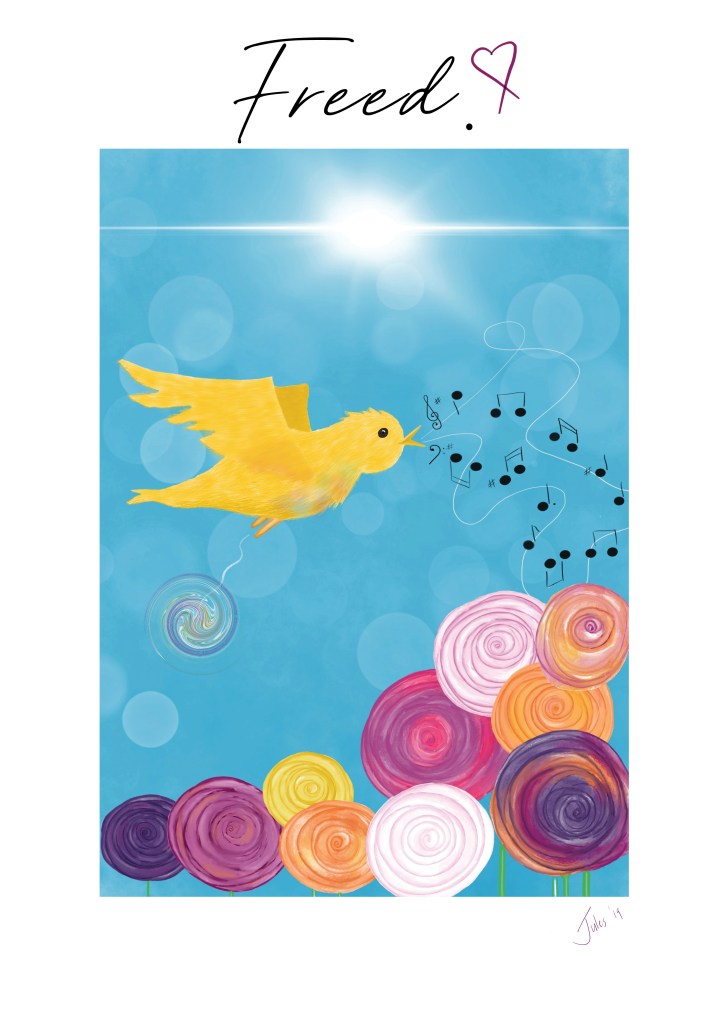
I feel like I have been freed.

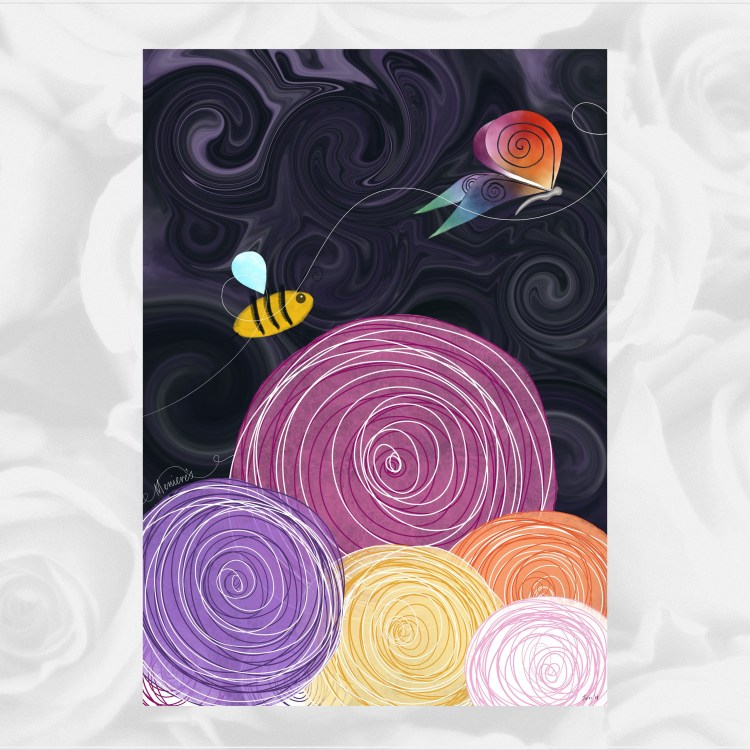
Art work by Julieann Wallace

I can’t write anymore today … I am too overwhelmed with emotion, and noise, and information. The world is so unbelievably noisy with a Cochlear Implant.

When the impossible becomes possible. I am so beyond thankful …

Next post … during activation xx

About this blog …

My Shadow, Meniere’s, is not just about the physical aspect of a Cochlear Implant – you can research about them online. I am sharing the human side of the journey towards a Cochlear Implant – feelings, appointments, the process, apprehensions, successes, highs and lows as I step into the next chapter of my Meniere’s journey.

I am mindful of those who also have incurable diseases or are walking the path of a diagnosis that is life changing. My blog never aims to undermine the severity of anyone else’s illness, disability or journey. We all deal with life with different tolerances, attitudes and thresholds.  ‘My Shadow -Meniere’s’ is my journey. It is my hope that it can help others with Meniere’s disease, or hearing loss, or simply when life has a plot twist.

I also acknowledge those before me, who have already had a Cochlear Implant. Your experiences, advice and suggestions are welcome.

Meniere’s Journal – coming to Amazon soon.
Available for pre-order at https://www.lillypillypublishing.com/product-page/meniere-s-journey-pre-order

It Will Change Your Life #8

Wednesday 20th November – final expectations with cochlear audiologist

I’m feeling super nervous today. Anxiety has grown bigger than me, and my shadow, Meniere’s, is using it as a punching bag while tinnitus whistles. I have an appointment with the Cochlear Implant audiologist to discuss “final expectations”. This is my do or die day. My “yes, let’s do it day”, or, “I’ve changed my mind, I’ve decided not to go ahead with the procedure day”.

Do I really want to take the step into the bionic hearing world? Am I brave enough? I just want to sit and cry.

I suck in a deep breath. Calm, I tell myself. It will be okay. Be still and know. Faith.

My daughter sits beside me in the waiting room. We’re thirty minutes early. I flip mindlessly through one of the 50 million magazines displayed with obsessive spacing. I almost don’t want to mess up their perfection. Anxiety sits beside me and taps me on the arm. I shake my head at it while tinnitus holds on for dear life. I’m okay. My shadow, Meniere’s, is jumping from seat to seat, trying to catch my attention. I ignore it.

Jane greets me with a smile. The universal language that puts you at ease. Anxiety, tinnitus, deafness, my shadow, Meniere’s, and I follow her to her office.

We sit with a sigh and Jane turns to me. ‘Today is our ‘final expectations’ discussion.’ It’s all about ensuring that I know what I am signing myself up for.

She picks up her blue pen, and starts checking items off her checklist, questioning me for my understanding of each point:

– Technical aspects

– The Cochlear Implant manufacture of my choice – Cochlear or MED-EL – I choose Cochlear – based on conversations with many CI recipients.

– Ear fitting

– Care of the outer device of the Cochlear Implant

She stops talking and looks at me. ‘All good so far?’

‘Yes,’ I answer.

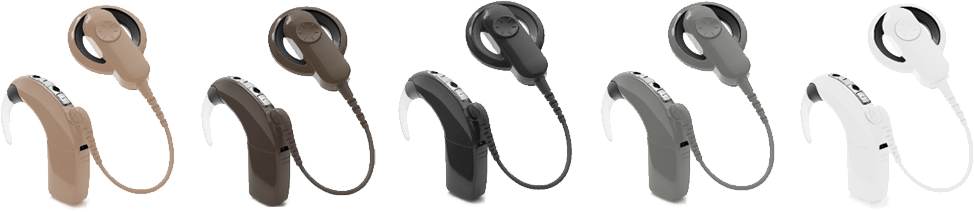
She nods, then pulls out colour samples, like choosing colours for a car.

I gaze down at them and narrow my eyes. Skin colour. Brown. Black. Grey. White.

‘Which colour would you like?’

I lift my chin a little as I visualise each of them on my head. ‘White, please.’

‘Really?’ Jane looks at my dark wavy hair.

‘Yes. Black is the colour of depression. I don’t like gray, skin colour or brown. White for me, is a symbol of a new start. New beginnings. Hope.’

‘Okay. Just email me if you change your mind,’ she says as she takes note of the colour I have chosen.

‘Sure,’ I say, knowing that I won’t be changing my mind.

I am certain the meeting is now over. I have survived yet another appointment. As taxing as they are, the appointments are important. I feel like they are preparing my mind for the change that is to come. If I think too much about the entire process, I wonder how much of a change to my life it will make.

Jane moves her chair backward and stands. ‘I’ll be back in a moment.’ She leaves the room.

I look at the desk at the CI implant that will be inserted under my scalp, a hole drilled in my skull, and the electrodes fed inside my cochear, and am struck with intense panic, my mind saying, ‘What are you doing? What. Are. You. Doing?’

I am filled with an incredible doubt that nearly cripples me. Do I really need a CI? My shadow, Meniere’s, is climbing the large glass windows like Spiderman and laughing. My tinnitus turns up the volume on a new noise, louder than the rest.

I close my eyes and focus on my good ear. Yes. It feels different. I am losing my hearing in my good ear. The Cochlear Implant is the right choice.

Jane returns with some paperwork. I quickly switch into a cool, calm, composed mode after my intense moment of panic.

‘I need to let you know that if you were going through the public health system, you wouldn’t be a candidate for a CI as your hearing in you right ear isn’t bad enough.’

My eyes widen for a moment. I feel like I am cheating the system with my private health insurance. What am I doing?

‘I need to talk to you about the bad things about the Cochlear Implant.

There’s bad things? I think.

‘Any residual hearing that is left in your left ear may no longer function.’

I frown. ‘But I can’t hear anything out of it. So, don’t the benefits outweigh that risk?’

Jane nods and smiles at me, then says, ‘For some recipients, their tinnitus gets worse.’

I nod. Can this really be true? My five noise of impossibly loud tinnitus, louder than anything in my life, no matter what my environment is, couldn’t get worse, could it? My tinnitus screams and shouts while doing the happy hoola dance. I flick it a backhand and it behaves.

Janes gives me a smile. ‘You are the person with the longest time of deafness to go through our clinic with activation.’ She seems kinda excited by that.

Great, I think. ‘I always like a challenge,’ I say. I change the subject. ‘The technology of the CI blows my mind. It’s such a great age to live in. A friend of mine lost his eye while surfboarding and told me that sight for the blind is being developed based on the cochlear technology.’

Jane smiles and nods her head. ‘There are companies working on a vestibular type of device for vertigo, based on the cochlear implant technology.’  

A vestibular pacemaker, I think. My skin prickles. Happiness for my fellow Menierian’s and other vertigo sufferers fills me until I overflow with joy. I can’t imagine a world without vertigo. But maybe it is getting closer.

Jane looks around her desk at her paperwork. ‘Okay – your surgery date is the 19th of December, and switch on of your Cochlear Implant is the 7th of January. I will organise for delivery of the Cochlear Implant to your surgeon and then everything is good to go. Any questions?’

I sit for a moment in silence. My shadow, Meniere’s, anxiety and tinnitus all fold their arms and look at me. ‘You have covered everything exceptionally well. I don’t have any questions.’

We both stand and leave the room. This is really happening.

Claire smiles at me when I enter the reception room. We walk to the car and she tells me a story about an old lady who kept staring at her. The old lady finally spoke up. ‘What are you doing on your phone?’

‘I’m reading the news,’ Claire had said.

The old lady nodded and said to Claire, ‘I was on a bus with my friend. We were the only ones without phones. The bus driver said over the speaker, “If you don’t put away your phones, I am going to pull the bus over and stop”.’

Claire said to me, ‘I find that hard to believe.’ We laughed.

Next appointment – Wednesday, 27th November – balance therapy

It Will Change Your Life #6

Thursday, November 7 – MRI & CT Scan

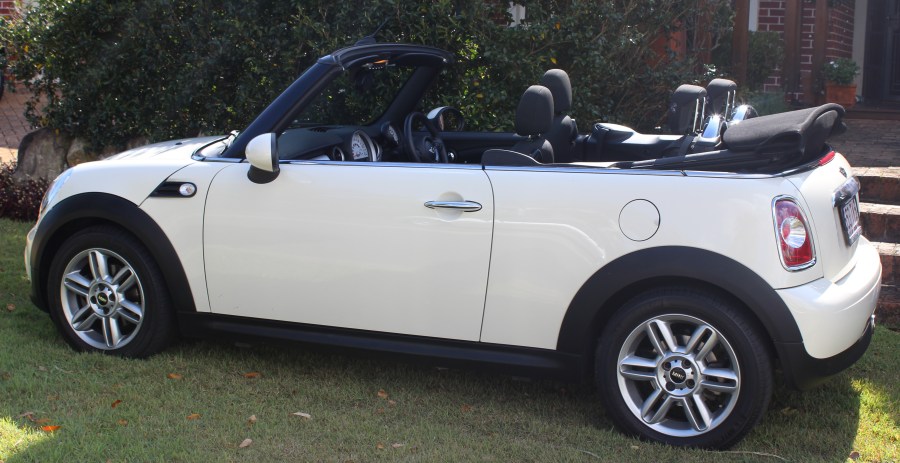
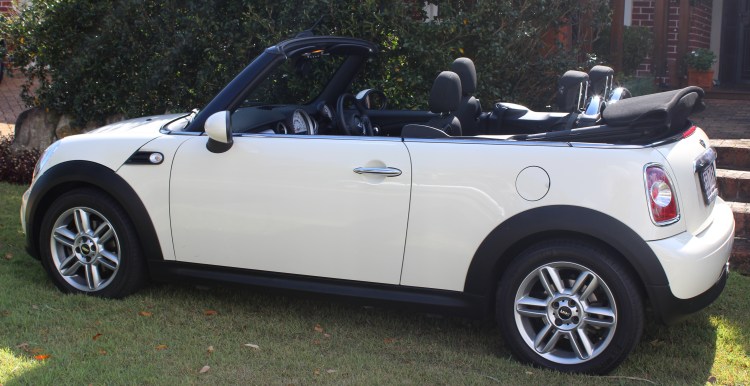
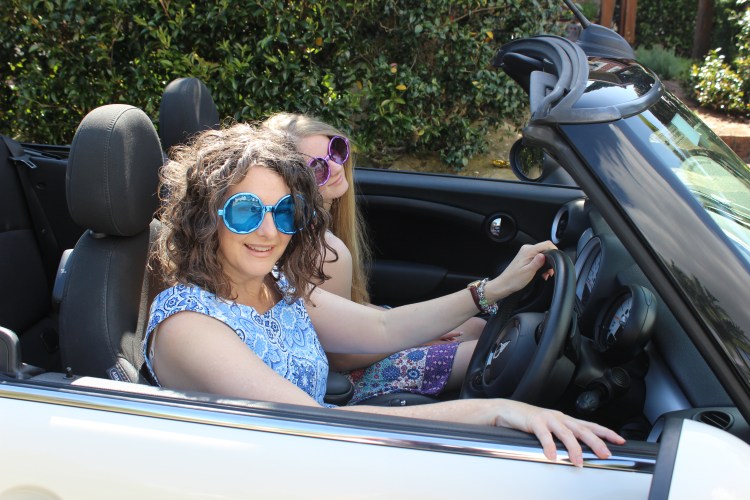
My beautiful daughter, Claire, is driving her beloved mini. I’m sitting beside her, groovy sunglasses on. My shadow, Meniere’s, is bouncing up and down on the seat behind me like a child high on sugar. Anxiety sits beside it, shaking its head at Meniere’s. I smirk at anxiety.

We are on the way to my MRI and CT Scan. Claire volunteered to drive me. She has always loved minis. Her love affair began a long time ago, way before she had her Year 12 formal, four years ago, when we hired a mini convertible for her and a friend to be driven to the formal venue.

Claire has a heart of gold. I often feel guilty that I couldn’t give her and her two brothers a childhood of excitement like I had always dreamed of – Wiggles concerts, other kids’ concerts, rides, play dates, adventures etc. Yet, she has grown into a remarkable young woman, as her two brothers are remarkable young men.

We turn the corner into the X-Ray building carpark.

‘Do you think they’ll find the Meniere’s Monster inside my ear on the scans?’ I ask. My shadow, Meniere’s, stops bouncing up and down and listens.

‘Yes,’ replies Claire, ‘eating cookies!’

I laugh. That’s how we always deal with the cruel Meniere’s disease. With humour. ‘I don’t have Cookie Bite hearing loss anymore, remember, so it can’t be eating the cookies!’ My shadow, Meniere’s, pulls a sad face.

Claire smiles at me. She parks her mini and a mature-aged man smiles at us. He must love minis, too, I think.

Claire is armed with a book to read as she waits for the 40 minute MRI followed by the CT scan.

Today, I have a wandering headache and for once I am glad. I visualise the MRI and CT Scan zapping it to make it go away. I am happy for this next step before the Cochlear Implant, because if there is anything else nasty going on inside my head, it will show up on the tests.

I wait next to Claire. The waiting room is filled with 60, 70, 80 and 90-year-olds. I feel young for once.

‘If you hear my name called, and I don’t, can you tell me, please,’ I say to Claire. She has always been a source of extra ears for me. So thankful.

My name is called, and surprisingly, I hear it. But then, I have no idea where the voice is coming from. This is the problem with one sided hearing loss, you lose all sense of direction of hearing. It is most frustrating.

I stand and look around the room to match the voice to a woman in uniform. After scanning the entire area, I see her, smiling and waiting at double glass doors. I follow her through the doors, my shadow, Meniere’s, follows me with a sassy walk. Anxiety gives him a poke.

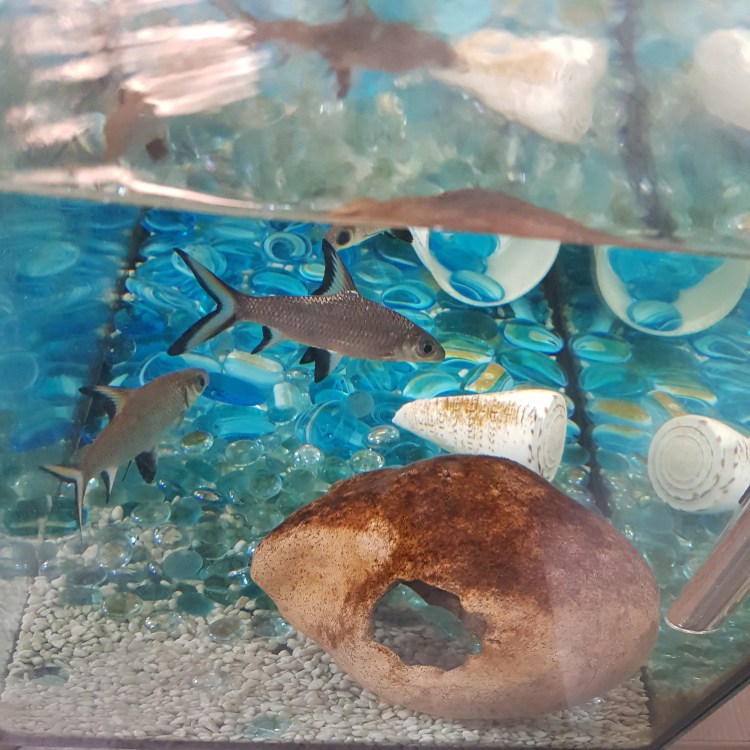
After the wardrobe change into the medical attire, I sit and wait. The most interesting thing in the room is the fish tank next to me.

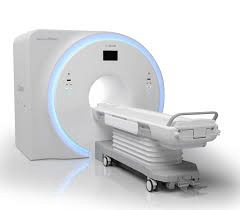
A person appears in front of me, giving me a fright. She approached me from my left side, that’s why I didn’t hear her. I follow her, with my entourage, into the room with the MRI machine. Amazing technology.

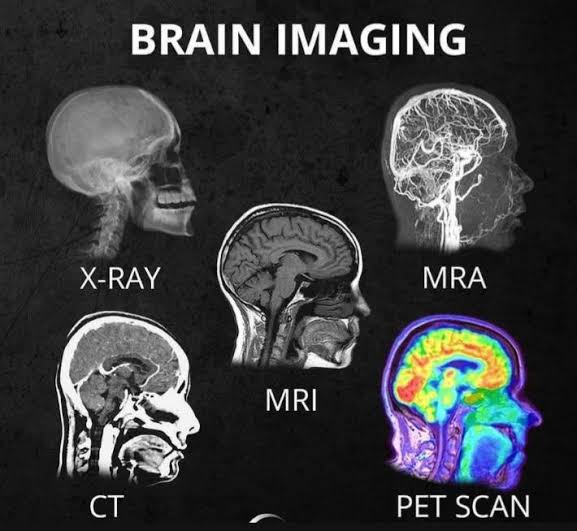
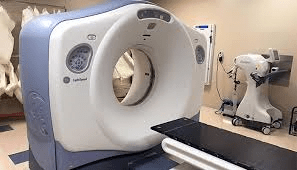
Before I came to the appointment, I wondered what the difference was between an MRI and a CT Scan, so I Googled it, and found this interesting image that explains it well.

I lie down, put yellow ear plugs into my ears, and then have earmuffs placed over my ears, to protect my hearing, they say. I chuckle, thinking, I don’t need it for my left ear.

‘You can keep your eyes open or closed, but just don’t move your head,’ I’m told.

Too easy, I think, I’ve had lots of practise at not moving my head. Haven’t I vertigo? My shadow, Meniere’s, nods.

I’m transported inside the MRI machine.

There is nothing but whiteness, except for a picture of fish in their blue water of paradise above me. Well played, I think, giving people something to look at while having an inside picture taken.

A similar image to what was on the ceiling of the MRI – the real image had many more fish.

I close my eyes and wait. My tinnitus is loud. The machine is loud, even through the protection of the ear plugs and earmuffs. But my tinnitus is much louder than both of those. It’s such a show-off, always being the loudest, even a rock concerts.

I can hear music. A little. I open my eyes to try and work out the song. “Welcome to the hotel California”. Apt lyrics, I think, especially the end of the song …  You can check out any time you like, But you can never leave!’ Meniere’s – you can never leave. I smile with my eyes. Music mirroring life. I look to the fish and decide to count them. 276.

I try to concentrate on hearing more of the music, but I can’t. My tinnitus is just too loud. Meniere’s, my shadow, is doing the victory dance.

My Meniere’s ear is throbbing, I notice. But not with pain. Is it the earmuff pressure? I shrug in my mind, then imagine the Meniere’s monster taking on different poses for selfies with the MRI. My shadow, Meniere’s, takes a bow. 

After 20 minutes, the MRI is finished. I go for my CT scan, which is much quicker.

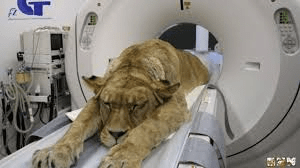
When I leave the building with Claire she asks, ‘Did you see any cats in the CT scan?’

We climb into Claire’s mini and start her up. My shadow, Meniere’s, is gazing out the window and anxiety has shrunk to the size of a peanut. Next destination, shopping. Claire is an artist and has her final art exhibition for university next week. She has a quest – to find something special to wear.

We stop for a hot drink. I choose a lavender latte. A celebration of my next step towards a Cochlear Implant completed.

The next appointment – the psychologist …

Claire and I – the morning after her Year 12 Formal.
Fun with the hired mini convertible!

About this blog …

My Shadow, Meniere’s, is not just about the physical aspect of a Cochlear Implant – you can research about them online. I am sharing the human side of the journey towards a Cochlear Implant – feelings, appointments, the process, apprehensions, successes, highs and lows as I step into the next chapter of my Meniere’s journey.

I am mindful of those who also have incurable diseases or are walking the path of a diagnosis that is life changing. My blog never aims to undermine the severity of anyone else’s illness, disability or journey. We all deal with life with different tolerances, attitudes and thresholds.  ‘My Shadow -Meniere’s’ is my journey. It is my hope that it can help others with Meniere’s disease, or hearing loss, or simply when life has a plot twist.

I also acknowledge those before me, who have already had a Cochlear Implant. Your experiences, advice and suggestions are welcome.

It Will Change Your Life #4

October 31, 2019

I’m filled with so much doubt. I am choosing to get a Cochlear Implant. Am I allowed to choose? Or should I just accept my fate that I will remain without hearing for the length of my days, auditory colour disappearing from my life.   

I didn’t choose to have Meniere’s disease. I didn’t choose vertigo. I didn’t choose deafness. I didn’t choose tinnitus. Just like other people who didn’t choose their incurable diseases or illnesses.

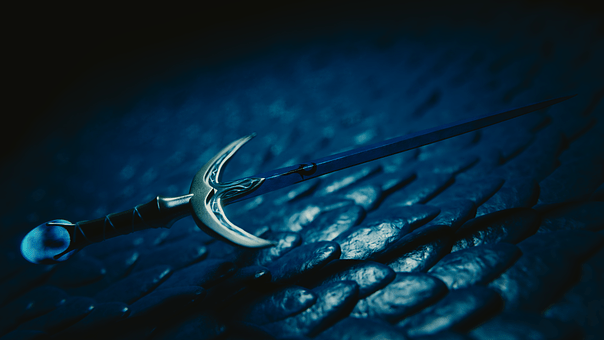
A Cochlear Implant feels like a second chance. A second chance at hearing. Of taking back something Meniere’s disease has taken from me. In my mind’s eye, I am facing the beast of Meniere’s, my sword drawn.

I want to be violent with Meniere’s. So violent. I hate it. I hate what it has done to me. What it has taken from me. I hate what it does to its victims. I want to slay it with an intensity that will obliterate it for eternity, with such force that it withdraws from bodily habitation of every person who suffers from it.

Cure come soon. Please.

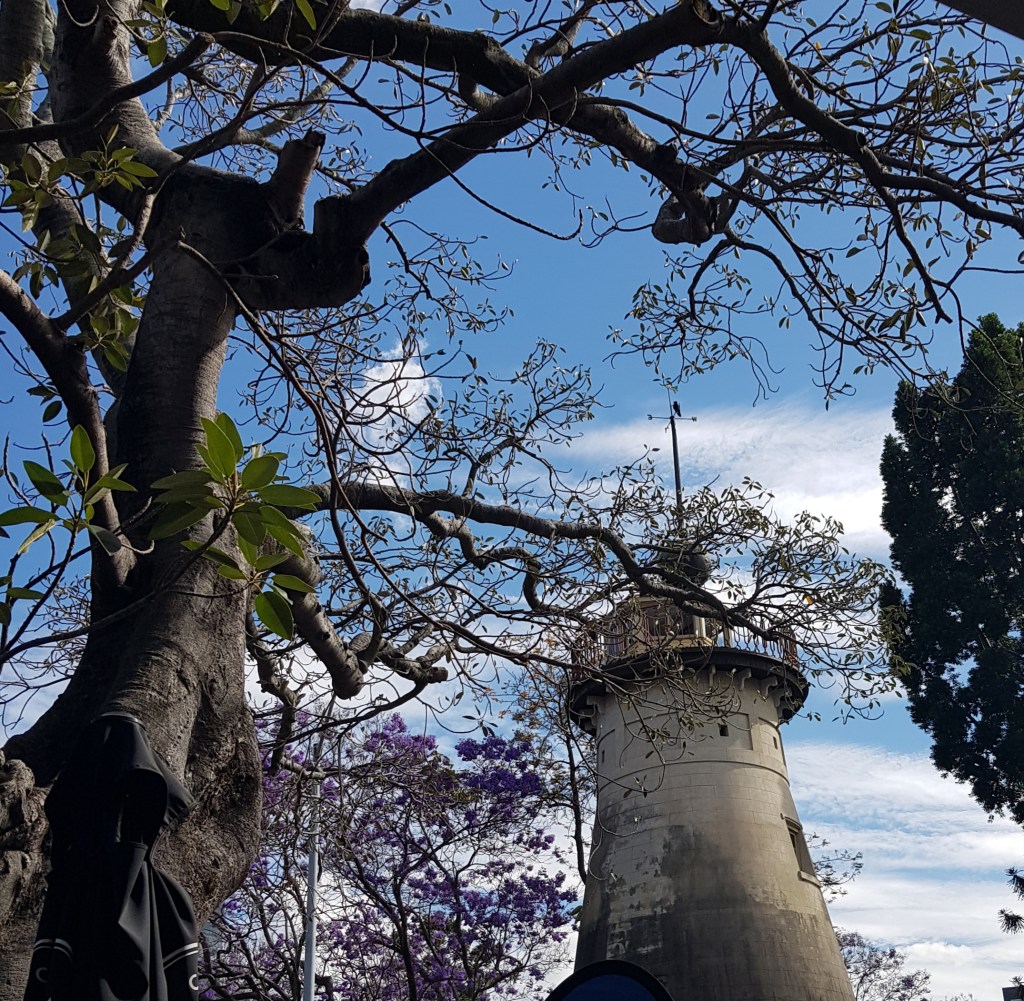
I arrive in the city. I look up briefly from the footpath that I walk on. A rarity. My normal walk is focussed on the ground in front of me, ensuring each step will keep my balance. I see an old windmill on top of the terrace. Unkept grey, striking against the beautiful lilacs of the Jacaranda tree. It was built by the convicts in the late 1820s and is the oldest windmill in existence in Australia. Due to its windless location, the windmill morphed into a symbol of “dread and torture” as penal Commandant Patrick Logan used convicts to work a treadmill he had constructed to keep the arms turning in lieu of wind.

Dread and torture. Fitting. A perfect symbol for Meniere’s disease.

A weathervane decorates the uppermost part of the windmill. And there sits a crow, blacker than night. It squawks. Welcome, I hear. Today, you will learn of your fate.

I inhale deeply. My eyesight returns to the uneven, battered, cracked path in front of me. Falling is never a good thing. Once you have your balance cells destroyed, when you fall, you have no idea where to place your hands to protect yourself.

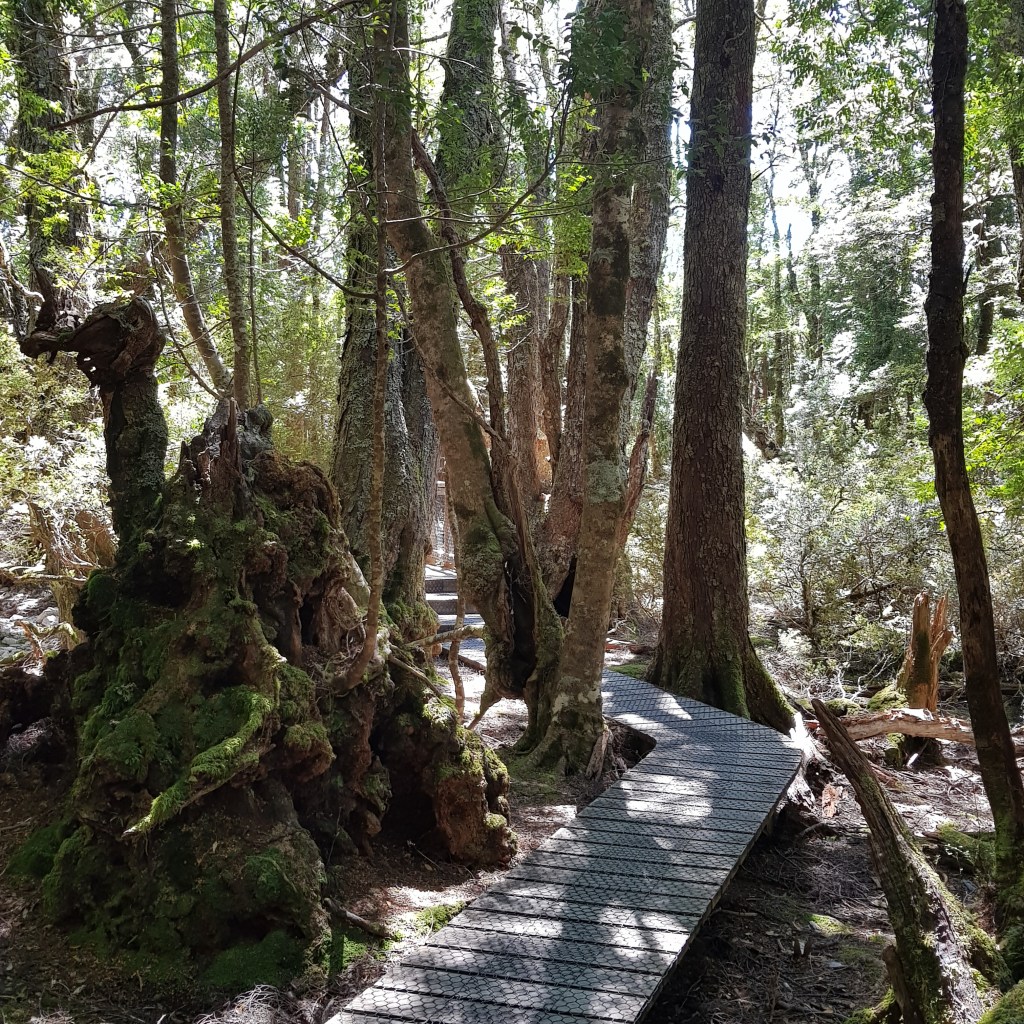
The first time I fell was Christmas 2018. We were on holiday in Tasmania, walking the Dove Lake trek at Cradle Mountain. 5.7 km. 3 hours.

After the walk we entered the cafeteria for a drink. Without warning, tears filled my eyes. In public.

My husband turned to me and the look on his face said it all. His eyes widened. ‘What’s wrong?’

‘I fell,’ I said. I wanted to sob. Loudly. Aftershock from the fall. I caught the sob in my throat. ‘I fell and I couldn’t stop it.’

His eyes filled with tears, but they didn’t leak down his cheek like mine. I always hate seeing his eyes that way. He was following me as we walked, to catch me if I fell. He always does that for me. My protector. And when it happened, there was no way he could stop it. I remember the panic in his voice as he leaned over me, asking if I was okay, looking over me, again and again. ‘Did you hurt yourself?’ he had asked.

All I could say was, ‘My phone is under the bush, over there.’ I had no idea how I saw it slide under the bush. When I fall I have no idea where to put my hands to stop me, or protect me – inside my head I see a body but no arms or legs. That’s what destroying your balance cells does. I just have to wait for impact and suffer the consequences.

‘I don’t care about your phone. Are you okay?’ he said.

‘Yes,’ I said. It was a lie. I was hurt. But I wanted to get up to save face. There were many people on the walking track. I HATE YOU MENIERE’S!

My husband pulled me up off the ground. My daughter picked up my phone. She was too quiet. How many times had she witnessed Meniere’s bring me to my knees with vertigo, deafness, depression? And now falling.

I blew out a long breath between my lips. Then set a rock in my sights to sit on for a moment to assess my injuries, then walked there, my husband holding onto my arm to support me. I wanted to yell at him, “LET GO OF ME. I’M NOT AN INVALID!” But I didn’t. He was trying to help.

I sat on the rock, looked over the lake and focussed on where I hurt – my wrist, my arm, my ankle and my back. Hold yourself together, I thought, people fall all the time. Put on your “I’m okay mask”.

‘Are you alright, Ma?’ my daughter asked.

Hold yourself together. The emotion of ‘I want to fall to pieces’ rolled through me. Hold it together. Breathe. ‘It could be worse,’ I said, ‘I could have broken something.’ I was hoping that I didn’t break anything. My wrist, arm and ankle were throbbing. Not to mention my back spasms.  ‘Thanks for picking up my phone,’ I added.

She nodded, looking at me with concern in my eyes. 

‘I’m sorry for falling,’ I say to her. I don’t want her to be embarrassed by me. I HATE YOU MENIERE’S.

And of course, she is not. She never is. She’s always one of the first to help. It is my own self-judgement that betrays me.

I stand. In pain. But I can walk to finish the last hour of the track.

My daughter is in front of me, glancing back at me once and a while, and my husband behind me. I’m glad. He can’t see me wriggling my fingers to check my wrist, and feeling where my right arm hurts, nor the wince on my face when my ankle hurts more than I want it to, or my back spasms. All I can think of is when my son would roll his ankle at elite triathlon training, and his coach would tell him to walk normally on it. So that is what I do, despite the pain.        

Back at the cafeteria …

‘I could have died if I fell in a different part of the walk.’ It was true. Parts of the track were on a boardwalk above the ground that fell steeply, scattered with rocks and trees. No rails to stop a tumble.

‘I know,’ he whispered. I watch his watery eyes and see him swallow harder than usual. ‘What do you want to drink? Do you want an ice-cream?’ He was using the distraction method. He knows me well.

Claire and I find a table away from most of the people. My wrist and arm throb. My back was spasming and my ankle twinging. Swelling was setting in. I ate my ice-cream, flicking tears from my eyes when they dropped. At least I don’t have vertigo, I thought. It was a good day, after all. Any day without vertigo is a good day. Suck it up, I tell myself, it could be worse.

We enter the ENT’s reception area. I laugh then shake my head in disbelief at the choice of carpet. The pattern on it makes me nauseous – thanks to my shadow, Meniere’s.

My ENT calls me in. ‘Good news,’ he says. ‘You are a candidate for a Cochlear Implant. I have signed you off on it if you wish to proceed.’

I swallow. There it is again. I get to choose.

I nod. But not with confidence. More like a ‘roll with the wave’ type of nod. I’m following a path but not certain of that is where I am meant to be. How will it change my life?

He refers me to a surgeon, and then as I leave, I thank him for his support throughout my Meniere’s journey.

‘You don’t know how difficult it has been for me, when there was nothing I could do to help you,’ he says.

‘But I am one of your success stories,’ I remind him. I wouldn’t be standing here today if it wasn’t for his help.

He shakes my hand. ‘Keep in touch. I want to know how you go.’ He gives me a smile.

I walk out of his office and numbness sets in. I’m a cochlear implant candidate. This just became real.

Next step. The Cochlear Implant Surgeon appointment.

Meniere's and me

It Will Change Your Life #1

Monday, 21.10.19

The day is overcast, mirroring my mood. Today, I go for a Cochlear Implant “work-up” for my left ear. I’ve been considering a Cochlear Implant for a while, but have bathed in the delusion that somehow, my hearing will come back. But of course, it won’t – it’s just my eternal hope that floats around me as I journey through the incurable Meniere’s disease.

My symptoms started in 1995. Ear fullness, like I had been swimming and still had water stuck in my ear canal. Bouts of unpredictable, violent vertigo. Tinnitus. And then came the hearing loss. Gradually.

I was 28. ‘Meniere’s is more common in men over 50,’ my ENT told me. Online information at the time backed up the statement.

Today, I sit looking out the window at the dark, heavy clouds, painting the state of my heavy heart and dark emotion. I’m 24 years into my Meniere’s journey, yet I’m filled with tingles of anxiety travelling over my skin like waves, with one big question bouncing around in my mind.

If I have a Cochlear Implant, will the disabling vertigo of Meniere’s disease return?

And I’m not just talking about being ‘dizzy’. The vertigo of Meniere’s disease for me was the most abhorrent, violent, room spinning. Totally debilitating. Hold on to the floor even though you are already on lying on the floor, stare at one spot on the wall for four or five hours until the spinning subsides. Beyond exhausting.   

And let’s not forget the relentless, vicious puking that feels like you’re about to turn inside-out, dehydrating the body so much you need to be transported to emergency at the hospital.

If you ever want to know how vertigo of Meniere’s feels, sit on an office swivel chair and get someone to spin you around as fast as they can, non-stop. Imagine not being able to stop it. For hours and hours and hours. Then imagine never being able to predict when vertigo will hit – because when it does, you are stuck wherever you are, and you absolutely can not move, as it will make the spinning impossibly worse. This is the vertigo of Meniere’s. Hell.

In 2004 I made the choice to destroy the balance cells in my left ear to stop the debilitating, violent vertigo. The bottle of gentamicin was now my hope. My ENT injected it into my middle ear.

Imagine for one moment, having to make the choice about destroying your balance cells. Balance. Yeah – that thing. Something you never even think about. Your body just does it for you.

I relearned my balance and retaught myself to walk with a new normal, using my eyesight as my guide for balance. But compared to the unpredictable vertigo, the destruction to my vestibular system was an answered prayer. It changed my life. It gave me my life back. With physical limitations. I was no longer spiralling down into the darkness of the Meniere’s prison where there is no escape.

But back to my question – if I have a Cochlear Implant, will the disabling vertigo return? And if it does, what does it mean for my life after living vertigo free for 15 years? 

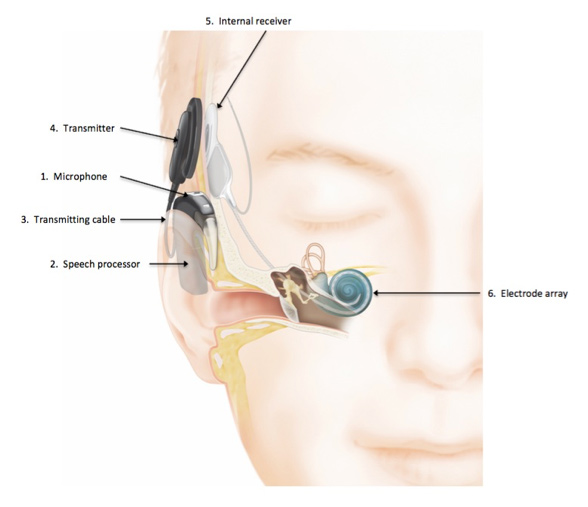
eyeandear.org.au Adapted from images courtesy of Cochlear Ltd

I’m taking a risk. I know that. The thought of having vertigo again terrifies me. My vertigo years were a very, very dark emotional place to be. Once upon a time I had a life and lived it fully – working full-time in a job I loved, physically able to do what I pleased, and engaged in a social life. I was happy. Then Meniere’s hit, and took it all away. Every waking moment was lived in fear of a vertigo attack. Sleep was not even a safe place. I would wake in the night, spinning violently, unable to close my eyes for four or five hours until it stopped.

I need answers from my ENT and my Otologist whom I am yet to see. Can my Meniere’s vertigo return due to the Cochlear Implant?

I walk out the front door and lock it behind me, anxiety joining me for the Cochlear Implant work-up appointment. Anxiety. We have been friends for a long time. Introduced to each other by my dark, dark shadow, Meniere’s disease.

Friends already fitted with Cochlear Implants tell me it will change my life … I sigh and wonder which way it will change my life.

Just breathe, I tell myself …

To be continued.

Julieann is a multi-published author and artist who is continually inspired by the gift of imagination and the power of words. When she is not disappearing into her imaginary worlds as Julieann Wallace – children’s author, or as Amelia Grace – fiction novelist, she is working as a secondary art teacher, editor, book designer, and book magician for other authors. Julieann’s 7th novel ‘The Colour of Broken’ with a main character with Meniere’s disease hit #1 on Amazon in its category twice – all profits are donated to Meniere’s research. Julieann is a self-confessed tea ninja and Cadbury chocoholic, has a passion for music and art, and tries not to scare her cat, Claude Monet, with her terrible cello playing.

The Color of Broken: Grace, Amelia: 9780648084662: Amazon.com: Books

The Colour of Broken: Grace, Amelia: 9780648084624: Amazon.com: Books

Amazon.com: Daily Meniere’s Journal (9780648424451): Wallace, Julieann: Books