A Time of Gifting – from me to you

As Christmas draws closer, I am reminded of all those years where I would start to worry about whether I would be unwell, and have a four hour vertigo attack on Christmas day, ruining everyone’s plans, or whether something I ate would set off a cluster of vertigo attacks, debilitating me for nine days out of fourteen.

Thankfully, gentamicin injected into my middle ear in 2004, destroying my balance cells, stopped my Meniere’s vertigo attacks – an answered prayer. But sometimes, in the back of my mind is always the thought, “What if the vertigo returns?”

I have to consciously choose not to focus on that thought, instead, focussing on the positives. So here’s something I’d like to gift to you.  

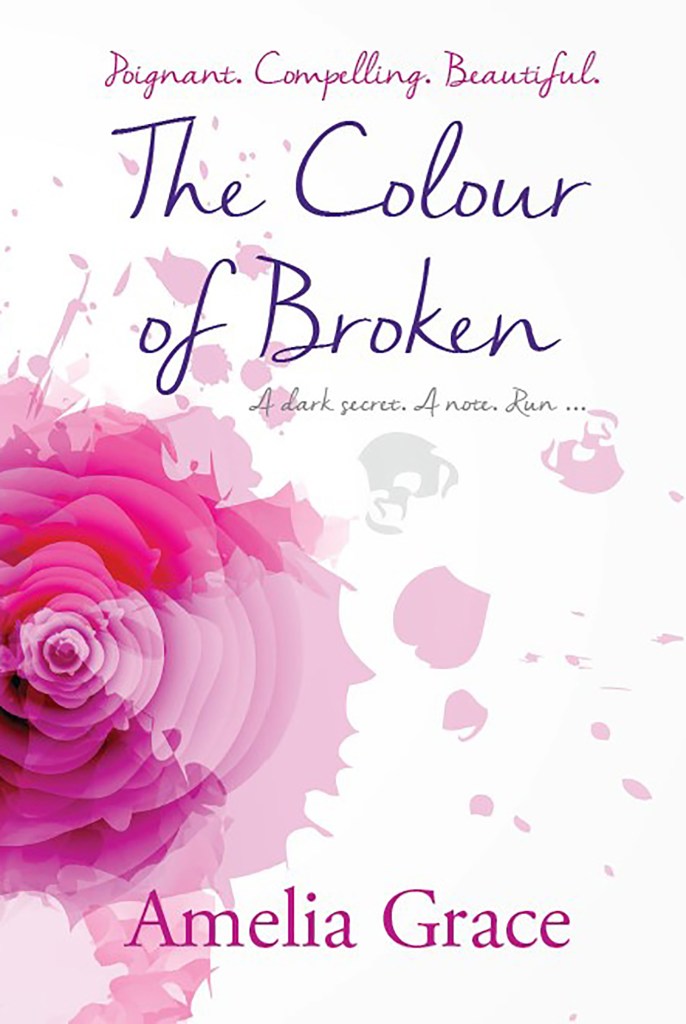
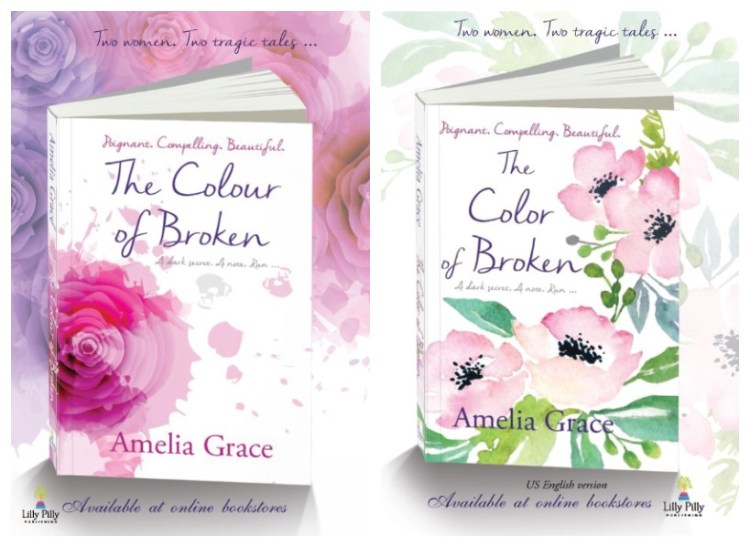
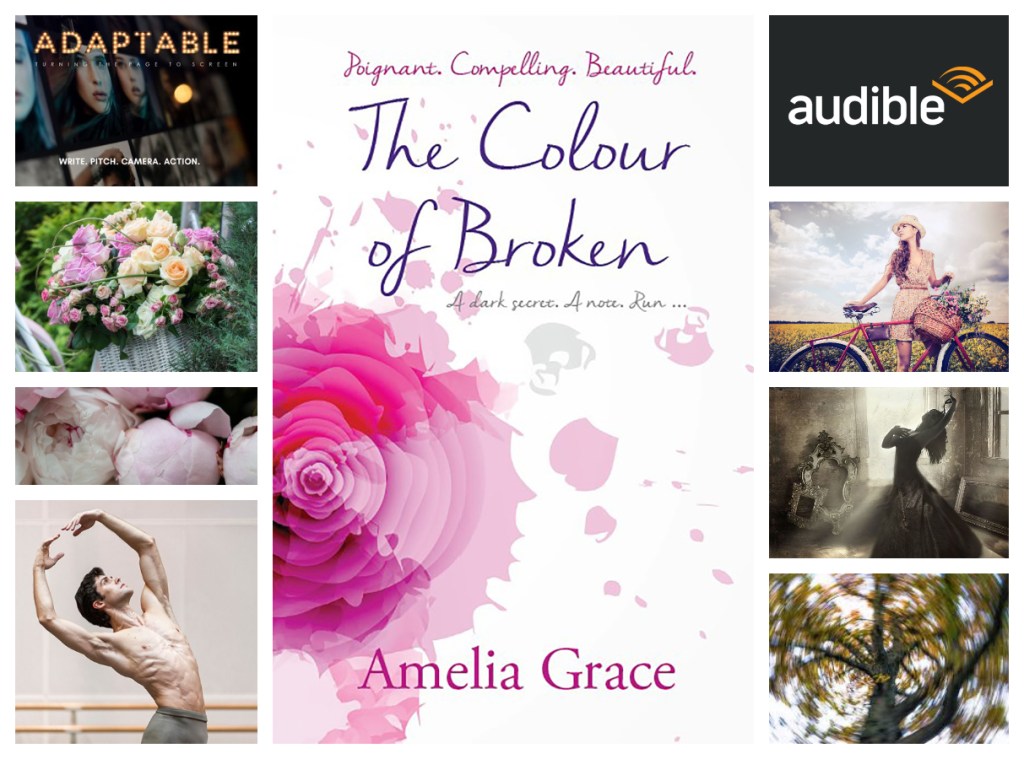
I’d like to gift you a FREE eBook copy of my bestselling novel that has been raising awareness about Meniere’s disease, which shares similar vestibular symptoms that COVID patients have experienced – vertigo, hearing loss, brain fog, tinnitus …

I pleased to say that ‘The Colour of Broken’ was longlisted earlier this year (2021) to be made into a movie or tv series.

And it has been an Amazon #1 in its category, three times.

Grab a copy and see what all the fuss is about. It’s FREE on the 23rd, 24th and 25th of December, 2021.

It’s downloadable on iPhone, iPad, android tablets, android phones, or on your computer. Here’s the App: https://www.amazon.com/b?ie=UTF8&node=16571048011

If you read the novel, I hope the story touches you where you need to be touched.

Wishing you a very merry Christmas filled with joy and thankfulness.

XX Julieann

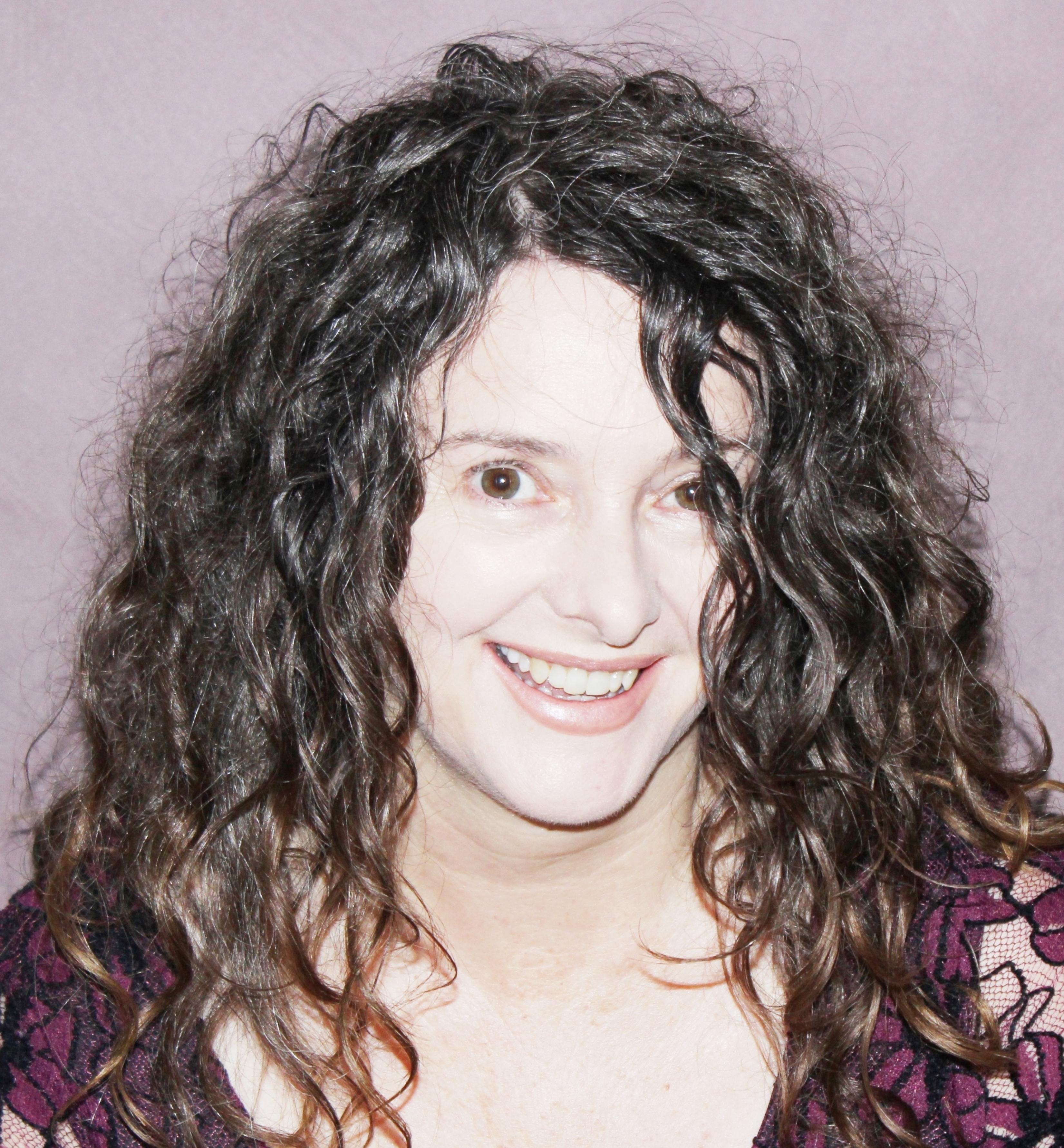
Julieann Wallace is a multi-published author and artist. When she is not disappearing into her imaginary worlds as Julieann Wallace – children’s author, or as Amelia Grace – fiction novelist, she is working as a secondary teacher. Julieann’s 7th novel with a main character with Meniere’s disease—‘The Colour of Broken’—written under her pen name of Amelia Grace, was #1 on Amazon in its category a number of times, and was longlisted to be made into a movie or TV series by Screen Queensland, Australia. She donates profits from her books to Macquarie University, where they are researching Meniere’s disease to find a cure. Julieann is a self-confessed tea ninja and Cadbury chocoholic, has a passion for music and art, and tries not to scare her cat, Claude Monet, with her terrible cello playing.

It Did Change My Life

Cochlear Implant Activation, 9th January


The alarm is sounding. It’s 6am. But it doesn’t wake me, my husband does. I am lying on my “good’ hearing ear, so I hear nothing. He touches me to wake me and I struggle to open my eyes. I’m tired. I’m so tired. I haven’t slept well because it’s hot and humid. The night-time low was 24 degrees Celsius.
 

clock-1426622__340


I roll over and vertigo hits me, followed by nausea.

op-art-2874994__340

Great, I think, as my world spins. I hold still and the room stops spinning and the nausea goes. BPPV. A misalignment of the crystals in the inner ear. I know I can do the Epley Manoeuvre to stop it. But I don’t want to do it until I check with my Cochlear Surgeon in 4 weeks’ time.

I breathe a messy breath through my lips and sit up. First, I focus on the wall to check that my world is not spinning again, then stand slowly, to ascertain whether my balance feels okay. I remember it’s Cochlear activation day. But I’m so tired. Activation can’t be on a day when I am exhausted before the day begins. It didn’t happen that way in my imagination when I looked forward to hearing again. I sigh. 

I push forward with my morning routine. Breakfast is low key. Toast with peanut butter and a cup of tea. Anxiety joins my shadow, Meniere’s, and me at the table. The three of us together again. I frown. Why do I feel anxious about activation, but not about the two-hour surgery where they drilled a hole in my skull three weeks ago?

I stop before the door before we leave to drive to the city. I feel safe here, behind the closed door. Comfortable. Once I open that door, my world is going to change. I take a deep breath, place my hand on the doorknob and turn it.

I step out into my future.

fantasy-4350993__340

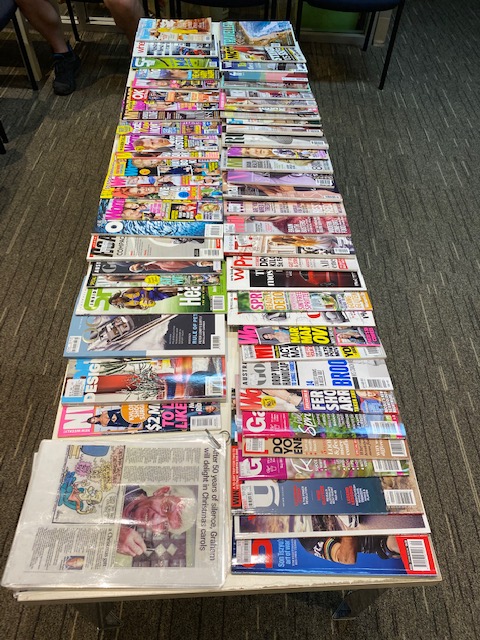
My husband and I arrive early for the appointment. We sit in the waiting room where the perfectly arranged magazines adorn the table, that have been painstakingly presented. When my husband takes a magazine, flips through it and plops it back on the table, I can’t help but to straighten it up so it is like the others.
IMG_1165

I look up when I think I hear my name called.

Jane, my cochlear audiologist greets me with a smile. The universal language that puts you at ease. Anxiety, Tinnitus, Deafness, My Shadow, Meniere’s, my husband, and I follow her to her office. We all sit down, except for my shadow, Meniere’s. He’s jumping up at the window overlooking the city, and sliding down with a giggle. I shake my head at him.

‘Welcome back,’ Jane says. ‘How did the surgery go?’

‘Good,’ I say. ‘I’ve had no pain, no major vertigo, just little spins when I roll over. BPPV. I can fix that with the Epley Manoeuvre, but I want to wait until I see my surgeon in a few weeks.’

Jane shakes her head. ‘The little spins may not be BPPV. Sometimes drilling the hole in your skull can upset your inner ear and cause that. It will get better.’

Oh. I am surprised by that information. I smile. ‘The surgeon managed to get the 22 electrodes all the way in. He was really happy with that.’

‘Wonderful. Plus you have two earth electrodes in there as well.’ Immediately my mind turns to the memory of me out in the storm the other day. I had rushed inside in case my implant attracted lightning.

thunderstorm-3625405__340

Then, on researching lightning and Cochlear Implants, I am no more likely to be struck by lightning than anyone else. Phew!

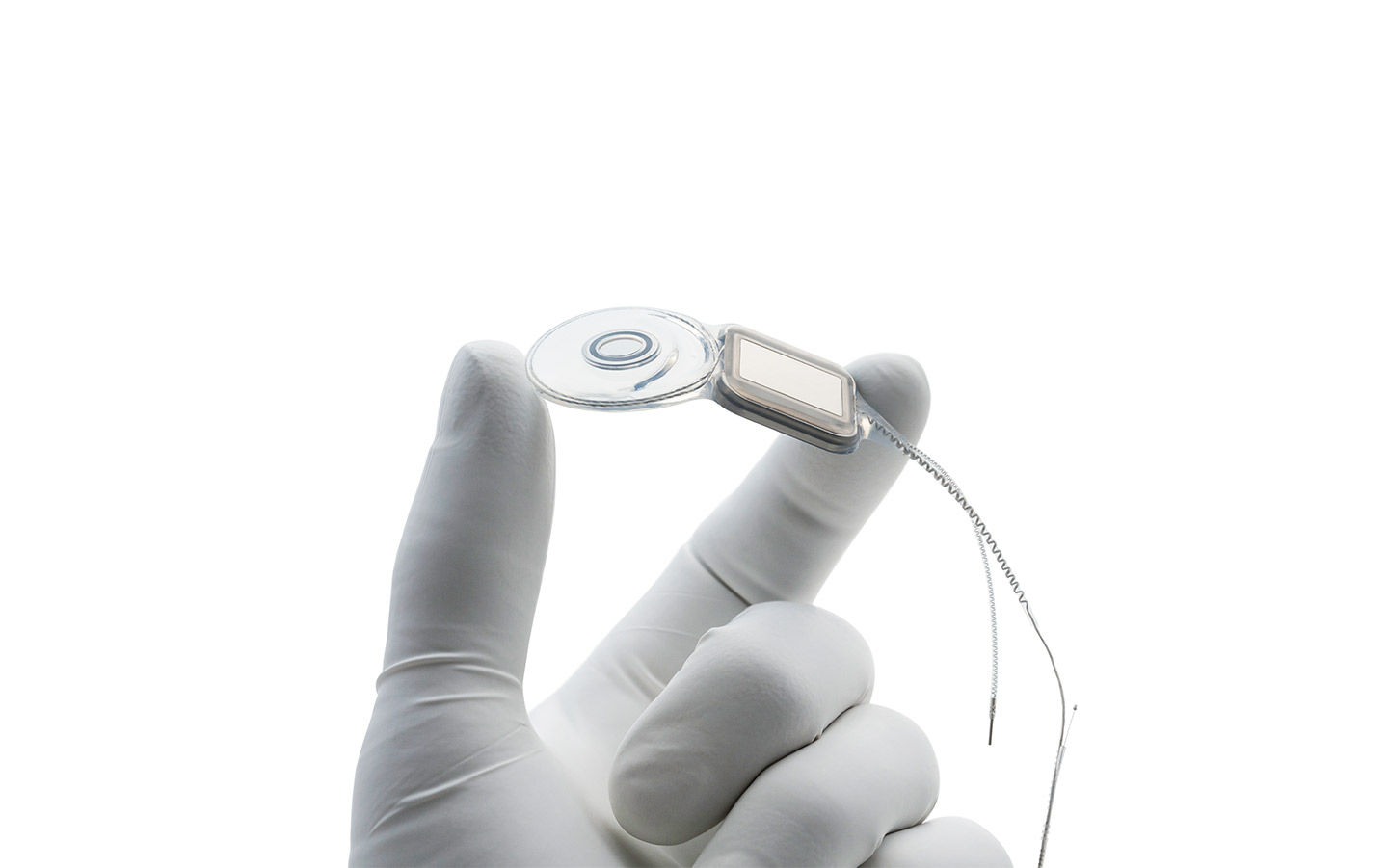
Jane turns to my husband and shows him what has been implanted into the cochlear of my inner ear. ‘The electrodes are 1/5 of the width of a hair strand, in size.’ My husband’s jaw drops to the floor. He shakes his head. It’s hard to comprehend.
worlds-thinnest-implant.jpg cochlear n7

‘Okay. Are you ready for today?’ she asks.

I nod, and see Anxiety double his size beside me. I want to grab a pen and stabbed him so he farts all the air out of him. My shadow, Meniere’s, sits in the corner and lowers his head. Tinnitus is doing pirouettes in a tutu. My life really is a circus!

Jane places the external hardware over my ear, attaches the transmitting coil to the magnet that sits under my skin on my scalp, all the while explaining how it works. The enthusiasm in her voice tells me how much she loves her job. She is super excited about switching on my Cochlear Implant.

Once the processor and transmitter are in place, Jane sits on her chair. I’m knotting my fingers together as my skin burns. I frown. I can’t hear a thing in my Meniere’s ear. Nothing has changed. My tinnitus is still screaming at me.

She attaches a wire to the speech processor around my ear and taps a few keys on the computer. She smiles and says all the electrodes are looking good. Then she taps another key and I still. My heart starts to race and my eyes widen. I can hear a few crackles and pops.

‘Can you hear this, Julieann?’ she asks in her English accented voice.

Three beeps sound in my deaf ear. Then another three at a different pitch, and another three.

‘Yes,’ I say, my voice cracking. I cover my eyes as tears fall. I can’t stop from crying.

woman-641528__340

‘I can hear that,’ I add.

‘Good,’ she says and smiles. ‘Are you okay? There’s tissues behind you.’

‘Yes,’ I squeak. I grab a tissue and look over at my husband. His eyes are red-rimmed and wet. He has been a part of my journey. Twenty-five years of being a spectator to my incurable Meniere’s disease, where he could do absolutely nothing to help me, except clean out the vomit bucket time after time after time after I had vomited violently whilst spinning, or attending the emergency room when I was so dehydrated from vomiting that it was dangerous to my health, or when we thought the violent spinning wouldn’t end. We’ve been married for 31 years. He knows exactly what physical, emotional and psychological toll it has taken on me. He has seen me during my darkest days.

Yet, I spared him from witnessing the darkest of dark days when I no longer wanted to be here, when I wasn’t the colour of grey with an “e”, nor the colour of gray with an “a”, but the colour of black.

From my novel – ‘The Colour of Broken’ – Yolande, the main character is sitting in the chair, talking to her psychologist …

‘What colour are you?’

I took a deep breath and twisted my fingers together. My stomach tightened. I cleared my throat. ‘The colour of broken …’

Dr Jones was silent.

I stopped breathing when anxiety rose inside me like a wall of lava, about to incinerate me. It was freaking me out that she now knew this about me, and that she had not reacted to the description of my colour.

‘And what colour would that be?’ she finally asked.

I breathed out through my lips, slowly, steadily, counting to five in my head. ‘Gray with an “a”.’

‘There’s a difference?’

‘Oh, yes. Grey with an “e” is very different to gray with an “a”.’

‘How?’

‘Grey with an “e” is like the rain clouds. It’s melancholy, but an enjoyable melancholy that builds up until it releases, and then it’s like petrichor, the smell of the rain after warm, dry weather. Satisfying. Grey with an “e” is also when deep thought, philosophy and ponderings happen. Everyone should experience grey with an “e”, it helps to discover parts of you that you never knew existed, and it can vanish without leaving a bitter aftertaste.’

‘Tell me about gray with an “a”.’

I looked down at my knotted hands. ‘Gray with an “a” is … never enjoyable—it’s a very dark gray. It’s self-judgement, doom and gloom, forever hanging around and within. It wants to drag you into the dark abyss of the colour black, that absorbs all colours … the colour of self-condemnation, the colour of depression, the colour of death of the physical body.’

‘But not the spiritual body?’

‘No.’ I didn’t want to add any more to this conversation. It was painful to talk about.
‘So, me being a supposedly normal person, could I see your gray with an “a”?’
‘No. Because I mask it. And my gray with an “a” is not a plain gray with an “a”. It’s a crackled dark gray, with other colours that seep out … sometimes.’

‘What colours would they be?’

‘Drips of red for anger … specks of black—’ for self-hate, ‘—for my secret, blushes of pink for my love for Mia and my family, and explosions of turquoise that screams at me to love myself …’

‘That’s very insightful, Yolande. It’s highly intuitive. I’m curious … when you look at me, what colour am I?’

I hesitated before I spoke. I never told anyone the colour I had appointed to them for fear of them running from me. But Dr Jones, she was different, she would understand …

‘You are … magenta,’ I finally said. ‘It’s the colour of a person who helps to construct harmony and balance in life, hope and aspiration for a better world—mentally and emotionally,’ I said, and held my breath, waiting for her reaction.

She raised her eyebrows at me. ‘That’s an amazing gift to have in your mind toolbox, Yolande. Does it ever lie to you?’

Jane says, ‘I’m going to switch on each of the electrodes, one by one. Tap on the table when you hear the beeps.’

And so it begins. As I hear beeps, and tap on the table, hope rises in me like a flower blooming, facing its sun. I hear 21 out of 22 electrodes. Jane is ecstatic.

I am in shock and a tears trickles down my face. I can hear!

She looks at me and smiles. ‘Do you need a break?’

‘No,’ I say. I am beyond fascinated. In awe. What an age to live in with medical science, discoveries and inventions.

‘Let’s try some speech,’ she says. She taps a few more keys, and suddenly there are words in my Cochlear Implanted ear.

I start crying, wiping a thousand tears from my cheeks. ‘I can hear what you are saying,’ I sob. ‘But you sound like you have been inhaling helium!’ 

balloons-1012541__340

Jane’s face lights up with a smile. ‘You can! That is so wonderful!’ She is looking at me with a contagious joy.

She continues talking. I hear her chipmunk voice, but I can’t understand her. She keeps talking, and with my good ear, I understand that, as she keeps talking for another 10 minutes, my brain will start understanding better. She says the hearing part of the left side of my brain has been used for some other processes since I lost my hearing. And now it is shuffling, trying to find my speech and sound memories, to make sense of what it is hearing. It is using auditory pathways and memories, and must work at a higher level to pull together the information to have bi-normal hearing. The brain must code all the information coming in.

And then suddenly, like a light has been turned on, I can understand much of what she is saying, as words. Not all of them, but quite a few. For the words I don’t get, my mind fills in the blanks with words to match the meaning of what she is saying.

I am speechless.

She turns to my husband. ‘Say something to Julieann.’

I look at him and smile. 

He smiles back. I see his lips move. I wait for the sound of his chipmunk voice. I swallow and my skin burns. His voice doesn’t even register as a chipmunk. I can’t hear his voice at all!

His eyes widen in panic.

Jane jumps in quickly in a calm and encouraging voice. ‘That’s okay. It will happen.’ 

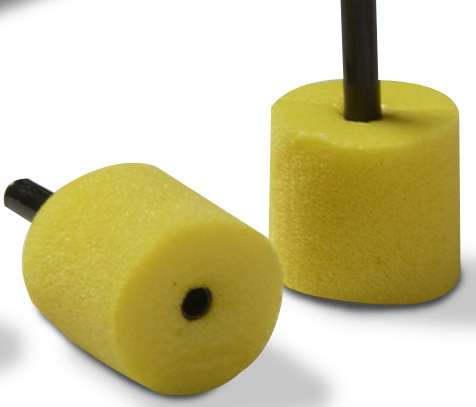
Jane reaches over and pulls out a foam ear plug and puts it firmly into my good ear.
c807010-1k

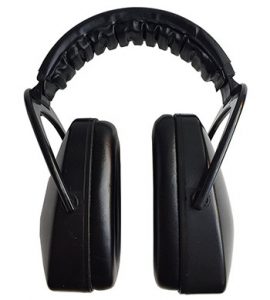
Then she places a hearing muff over my good ear.
TenTen-TI-All-Purpose-Earmuffs-in-Black-270x300

I have lost all hearing that I have been relying on to hear and understand conversation.

Jane continues talking like we are in a normal everyday conversation. I stare at her, trying to get what she is saying. It is so hard. Her voice is sound, but not words.
82766906_2666631973458317_2310843338988716032_n

I focus harder, and slowly some of the sounds become words.

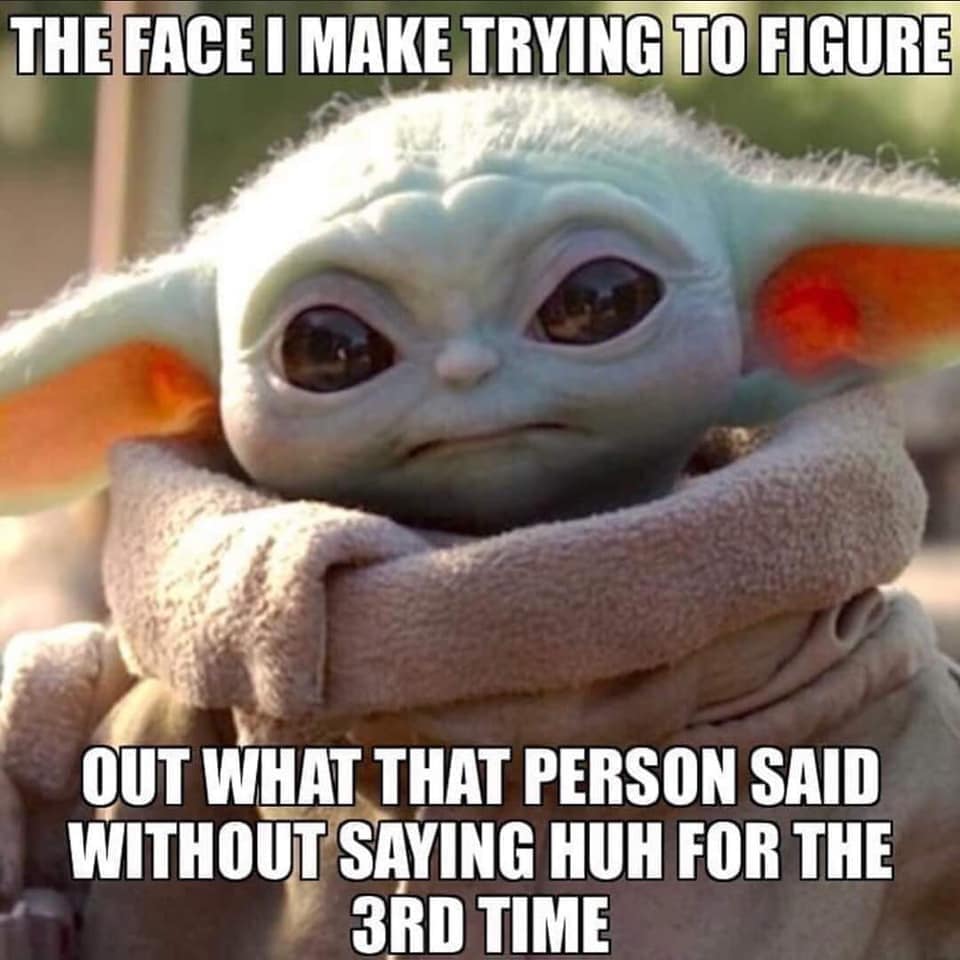
She stops and asks me a question. I stare at her blankly. I am trying to figure out what she has asked. I am trying to piece together what words I understood of the question, and with the missing words, I am working on using any visual cues from what she is doing, plus I am trying to read her lips.

Finally, I answer with a smile. ‘Yes. I can hear you. And your speech is starting to sound like words.’ 

‘Well done!’ she says. And I understand her chipmunk voice perfectly. She then explains about the delay happening in my brain with the speech and understanding. She knows how hard I am working to try and understand the new input into my brain.

‘Can you hear this?’ she rattles a piece of paper in front of her.

‘Yes,’ I say, although it doesn’t sound like paper, but an unrecognisable noise.

She stands and goes behind me and I hear another noise. I nod my head. I can hear it. She shows me a tissue that she rubbed in her palms. I am absolutely gobsmacked. She asks me to repeat words. I get most of them right, guessing some of them. Then Jane covers her mouth so I can’t read her lips. I hear her, but not clearly enough and get some of the words wrong.

She turns to my husband and asks him to speak to me again, and he does.

I still can’t understand him, at all.

She tells him to slow down and breaks his sentences into chunks, and not to run the words together.

He tries again.

I smile at him and say, ‘No. You don’t sound like Darth Vader.’ He smiles. He’s happy now.

10fc09f37a7ade12eb1e7763a06465af

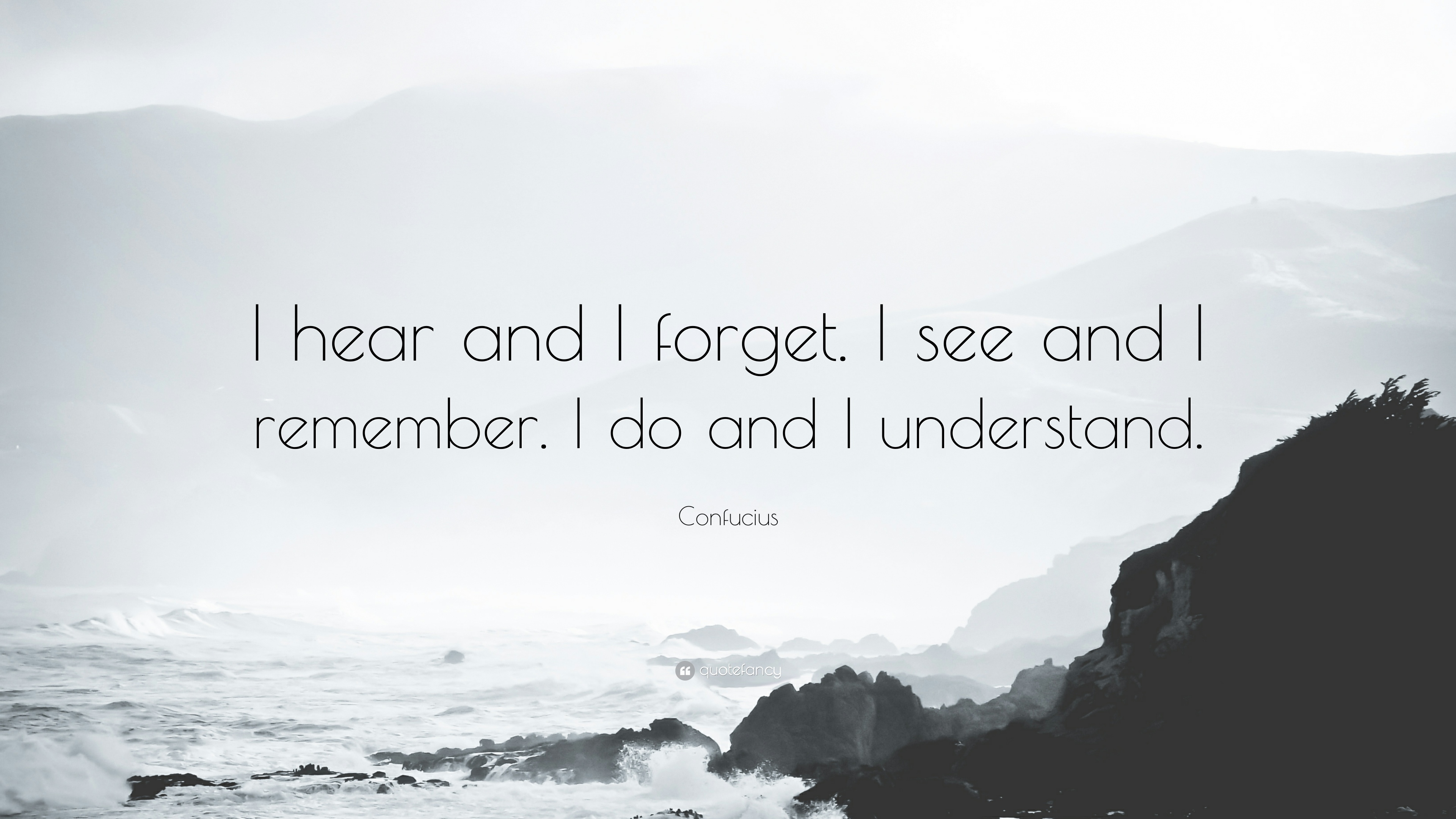
Jane grins. She goes through the Cochlear Australia backpack that is mine to keep. It is filled with bits and pieces for care of my Cochlear Implant external hardware, plus other bits and pieces and chargers and batteries and paraphernalia. She shows me how to use everything, and then asks me to do the same. It fits in perfectly with my teaching philosophy.
31093-Confucius-Quote-I-hear-and-I-forget-I-see-and-I-remember-I-do-and

After two hours of intense concentration, she asks in her chipmunk voice, ‘Is there anything you want to ask me before you leave today?’

I think for a moment. I’ve had way too much information overload. My brain is working double time and I am tired. ‘Is it okay to wear my new hearing to the Big Bash Cricket tonight?’

Jane laughs. ‘Yes. If you like. It will be very noisy though.’

images.jpg bbl

My husband and I leave her office, take the elevator and walk out into the real world. I stop for a moment, wondering if I can hold my emotions together. The impact of activation has been overwhelming. Two hours ago I had walked into Jane’s office deaf in one ear. Now I walk out, hearing with two ears.

The thought is profound.

My husband looks at me. ‘Are you okay?’ His eyebrows are pulled together. For a moment, I wonder how hard this has been on him? 

‘Yes.’ I blink away tears, then start to walk again. 

The world is noisy. Terribly noisy. I hear everything in a tinny, echoing, chipmunk way. My brain is detecting two lots of hearing with everything – my deaf, now hearing Meniere’s ear, hearing conversations of chipmunk voices, and chipmunk city noises of its own while I listen with my good ear to the same thing with normal hearing. The two sides of my brain haven’t synced yet. They are acting independently of each other. 

I laugh to myself. How privileged am I to be able to experience this oddity? My heart overflows with gratitude.

I take confident steps into my new normal. Into my future. Bilateral hearing. Something I haven’t had for 15 years. Something I thought would be impossible.   

Creative background, the human brain on a blue background, the hemisphere is responsible for logic, and responsible for creativity. different hemispheres of the brain, 3D illustration, 3D render 

Before I go to bed, I remove the external hardware. Immediately my ear feels full and profoundly deaf. My tinnitus returns. But that’s okay. That’s my other normal. Two of me.

I reflect on my most extraordinary day –  five times I have stilled at big moments:

  1. When the Cochlear Implant was activated and I could hear! My mind was blown!
  2. When I heard music. I cried so hard my husband wanted to pull over the car to make sure I was okay.
  3. I located the direction of a sound. I haven’t been able to find where a sound is coming from for 15 years. This ramifications of this for me in the classroom will change my stress level as I teach. 
  4.  I heard a man’s lower chipmunk voice while waiting to catch the bus after the cricket …

The cricket … I think back to the Big Bash Cricket and smile. On entry, I was pulled aside for a security check, the metal detector waved over and around me – it always happens to me at airports too. It’s become a running joke with my family. I held my breath, wondering whether my Cochlear Implant would set the detector off, but it didn’t. 

And Jane was right. The Big Bash was very noisy. But it was so worth it. And I’m taking marshmallows to toast in the flame next time!

And number 5 … I entered our walk-in wardrobe. As I stood there trying to decide what to wear to the  cricket, I froze. Something was wrong. Very wrong. My heart raced and I started to panic. I couldn’t hear anything. Not even from my “good” ear. I felt for the Cochlear Implant external hardware. It was still there. I ran my hands over my arms to make sure I was still me, and I wasn’t dying – seriously!

Something wasn’t right.

I could hear absolutely nothing. Nothing! I spoke to check that the Cochlear Implant was still working. Maybe the power pack had gone flat? I heard my own voice as well as my chipmunk voice. Two of me. I stopped and listened again in the stillness of my walk-in wardrobe.

There was silence. Utter. Beautiful. Silence. No tinnitus. After a quarter of a century. I closed my eyes and let my tears fall, covered my mouth and ugly cried. 

night-4489561__340

The gift of hearing. I am so beyond thankful. I have no words to explain what it feels like to have the Cochlear Implant activated and to hear again. My faith. Health professionals. Family. Support of friends and Facebook groups. It takes a tribe.

The Cochlear Implant has changed my life. On activation. It has made the impossible, possible. Meniere’s disease may not be curable, yet, but we can take back from Meniere’s what is has taken from us. 

woman-591576__340

Next blog – learning to hear again …

Julieann Wallace 300 dpi

Julieann Wallace is a best-selling author, artist and teacher. She is continually inspired by the gift of imagination, the power of words and the creative arts. She is a self-confessed tea ninja, Cadbury chocoholic, and has a passion for music and art. She raises money to help find a cure for Meniere’s disease, and tries not to scare her cat, Claude Monet, with her terrible cello playing. 

https://www.facebook.com/julieannwallace.author/

https://www.julieannwallaceauthor.com/

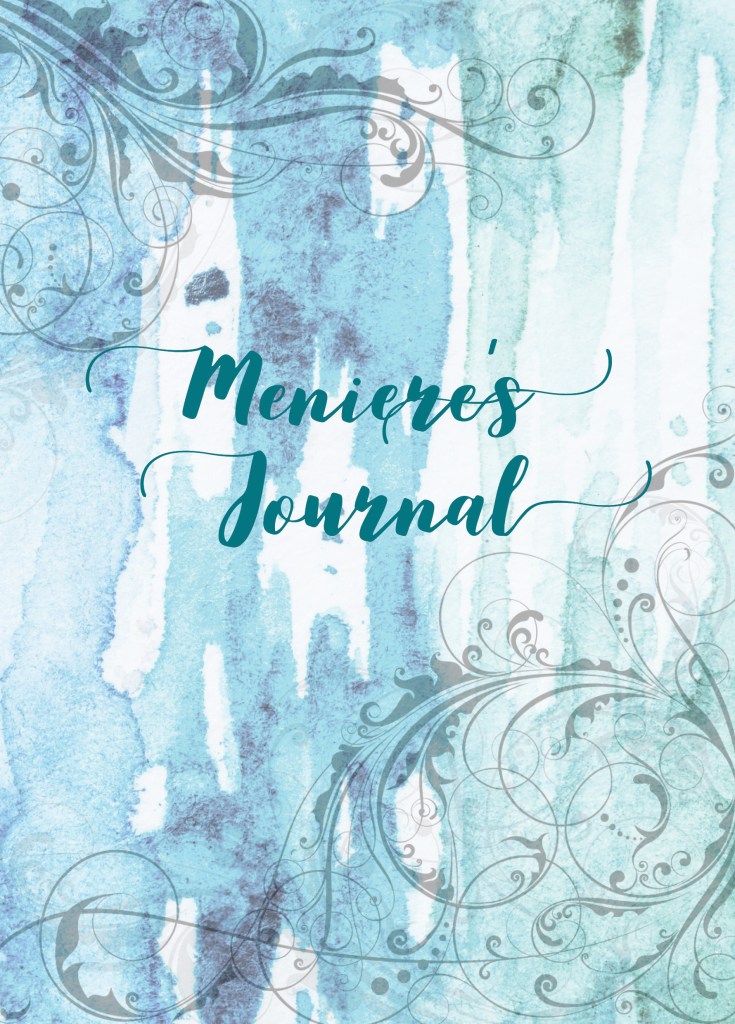
Meniere’s Journals are available for pre-order at Lilly Pilly Publishing  & Amazon (30 Jan. 2020). Profits are donated from ‘The Colour of Broken’ and the Journals to Meniere’s research to help find a cure.

About this blog …

My Shadow, Meniere’s, is not just about the physical aspect of a Cochlear Implant – you can research about them online. I am sharing the human side of the journey towards a Cochlear Implant – feelings, appointments, the process, apprehensions, successes, highs and lows as I step into the next chapter of my Meniere’s journey.

I am mindful of those who also have incurable diseases or are walking the path of a diagnosis that is life changing. My blog never aims to undermine the severity of anyone else’s illness, disability or journey. We all deal with life with different tolerances, attitudes and thresholds. ‘My Shadow -Meniere’s’ is my journey. It is my hope that it can help others with Meniere’s disease, or hearing loss, or simply when life has a plot twist.

I also acknowledge those before me, who have already had a Cochlear Implant. Your experiences, advice and suggestions are welcome.

It Will Change Your Life #12

It’s two days before my Cochlear Implant activation and I’m sitting at my desk, writing my new novel. An overwhelming emotion hits. I want to cry. I want to ugly cry. I catch my sob and swallow the lump in my throat and refocus on my writing, listening to cello music with my right ear, trying in vain to hear over the incessant extra loud tinnitus in my deaf left ear – five different noises. It always wins, even at music concerts. I haven’t heard silence for 23 years. Nothing I can listen to masks the sound of tinnitus.

Three years ago, I received a cello as a birthday gift. I wanted to learn to play it so I could hear the music in my memory when all my hearing was gone. I wanted to play it and feel the vibration of the music inside me, so I could burn into my mind how music would make me feel when I could no longer hear. The emotion of music. That is why we all love it so much. It makes us feel. Emotion. It’s what makes us human.

I’ve been playing the piano since I was eight, and can see the written notes inside my head when music is played. I can look at a sheet of music with no sound, and hear the sound of the inky notes on the paper. But it’s the cello I love the most.

You never realise how important something is until it is gone. Anyone who has something wrong with their body can vouch for that. Look after yourself. Not that I did anything wrong to lose my hearing. It is Meniere’s disease that has done that. I hate it with a passion – not just for me, but what it does to people. I know several people with Meniere’s who have taken their lives because of it.

No more. No. More. Enough is enough.  

Sometimes, when I am playing music on my computer whilst writing or working, I stop and put my hands on the two speakers on my desk, and place my foot on the sub-woofer on the floor. I close my eyes and concentrate on the feel of the vibration. The vibration of the high and low sounds and everything in between. The light vibration. The strong vibration. The combination of vibrations.

I would love it. And hate it.

I would love it because I could still hear it with my “good” ear.

I would hate it because I am losing hearing in my “good” ear as well. It would kill me each time, knowing that one day I would never hear music again while walking the Earth. Did I do something to cause this? It tortures my mind if I let it. Then I am reminded that my life is all the more richer because of what I have been through.

It’s the day before activation.

I’m almost going into a panic. Breathe. I feel like a bird that has been trapped inside a cage for too long for it to remember freedom, and when the door is opened for it to fly from its prison, it stays there, because it feels safe.

This is me. A prisoner in my own body. I’ve had Meniere’s disease for 25 years this year. Nearly half of my lifetime. To be honest, there are many days that have been hell. Friends and family never saw that. They only saw the happy me. The one wearing the mask, fooling the world that I was okay. I faked being well. I’m a pro at it. I can’t remember what it’s like to feel “normal”. My life with Meniere’s disease is lived within strict limits as to what I can do. What I can eat. Choosing to isolate myself from social activities because I can’t hear, or I am scared of having a vertigo attack, or the worst one – rejection – because of my hearing loss and I can’t participate, or because I have answered a question wrongly because I couldn’t hear them, and I didn’t want to ask them what they had said for the fifth time.  

To have no vertigo. No tinnitus. And have hearing in my left ear again …  what is that? Is it even possible? What will I become? Will I still be me?

I admit. I am struggling big time. So I keep working on my new novel.

I’m 13,000 words in, and it keeps me from dwelling on the upcoming, perhaps, life changing event tomorrow. In every Cochlear implant group I have joined, the words keep being repeated, “it will change your life”.

But how? Is it that I will be able to hear from my left ear again? And that’s it. What exactly will it change in my life? Will I like it?

Activation Day…

Cochlear Implant activated. My mind blown.

My brain is scattered as I write this blog.

A thousand tears of feelings and thoughts, marvelling at technology – invented in Australia. Eternal thanks to you, Professor Graeme Clark.

I have warned my family – “Danger. I may break into unpredictable sobbing at any time. Good tears. Very good tears.”

I am overwhelmed by feelings of intense happiness. Feelings of release from the Meniere’s prison. A billion memories of my life with Meniere’s and what I have been through. The vertigo. The abhorrent vertigo of hell that takes your hearing. The darkness of depression that wants to take your last breath.

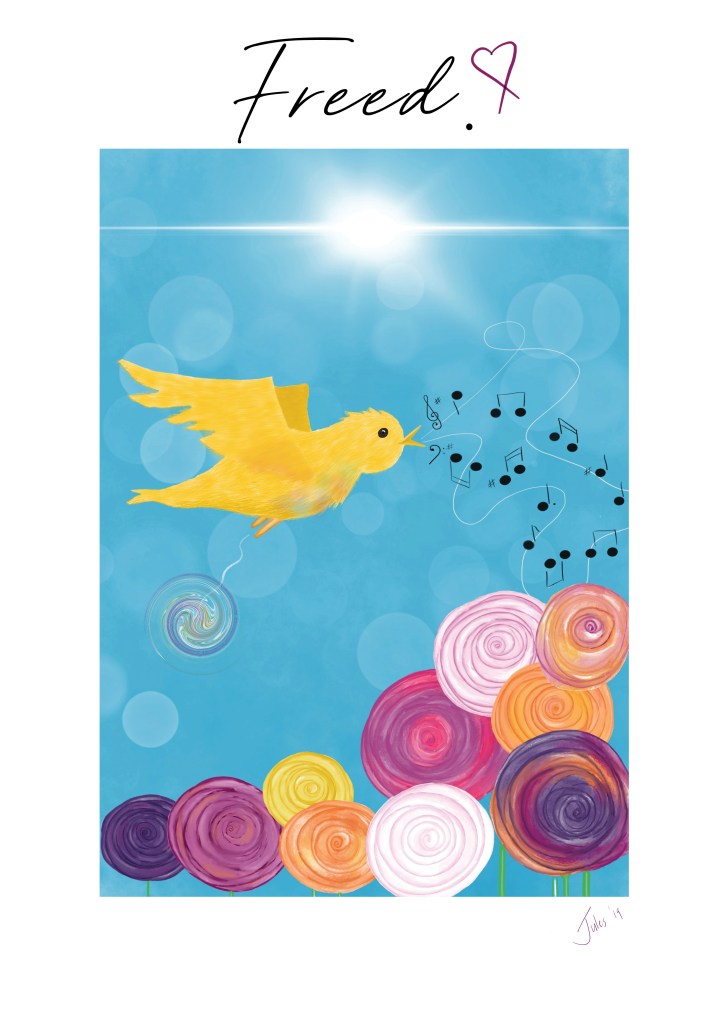
I feel like I have been freed.

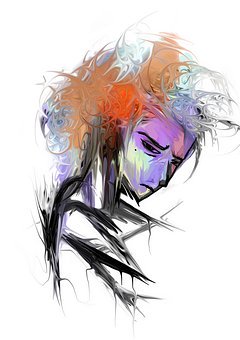
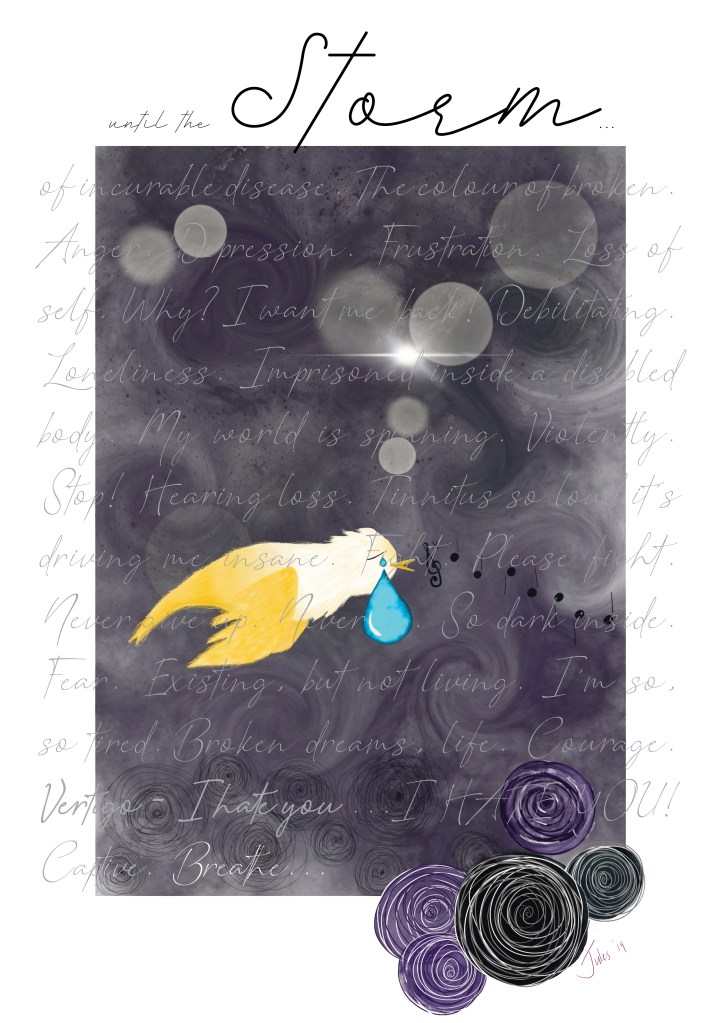
Art work by Julieann Wallace

I can’t write anymore today … I am too overwhelmed with emotion, and noise, and information. The world is so unbelievably noisy with a Cochlear Implant.

When the impossible becomes possible. I am so beyond thankful …

Next post … during activation xx

About this blog …

My Shadow, Meniere’s, is not just about the physical aspect of a Cochlear Implant – you can research about them online. I am sharing the human side of the journey towards a Cochlear Implant – feelings, appointments, the process, apprehensions, successes, highs and lows as I step into the next chapter of my Meniere’s journey.

I am mindful of those who also have incurable diseases or are walking the path of a diagnosis that is life changing. My blog never aims to undermine the severity of anyone else’s illness, disability or journey. We all deal with life with different tolerances, attitudes and thresholds.  ‘My Shadow -Meniere’s’ is my journey. It is my hope that it can help others with Meniere’s disease, or hearing loss, or simply when life has a plot twist.

I also acknowledge those before me, who have already had a Cochlear Implant. Your experiences, advice and suggestions are welcome.
Meniere’s Journal – coming to Amazon soon.
Available for pre-order at https://www.lillypillypublishing.com/product-page/meniere-s-journey-pre-order

It Will Change Your Life #7

Monday 18th November – Psychology Appointment

I see the psychologist today.

How does that make me feel?

When I first started the Cochlear Implant process, I was informed of the CI ‘Team’:

* ENT. done

* Audiologist. done

* Surgeon. done

* Psychologist …

* Cochlear Audiologist …

Balance Rehabilitation – an added one just for me –– only because I have had all my balance cells destroyed.  

I’m working my way through the list.

I arrive for my appointment ten minutes early, laughing on the inside. My weird sense of humour is getting the better of me. In my best-selling novel, ‘The Colour of Broken’, the main character, Andi, visits her psychologist regularly. I did a considerable amount of research to ensure the psychologist in my novel was asking the right questions. I already know what to expect.

I open the door and scan the waiting room. I have never seen so many artworks on medical walls. I’m in an artists’ paradise.

 I’m asked to fill out some paperwork, and I promptly complete it.

Then I have a moment of downtime and the realisation hits me – the psychologist holds a power over me. He is a cog in the wheel of the cochlear implant team who can allow or deny my access to the hearing technology. He will make a judgement call by the end of the session. I sigh, and remind myself, ‘it’s part of the journey’, and the Cochlear Team want to ensure my mental wellness.

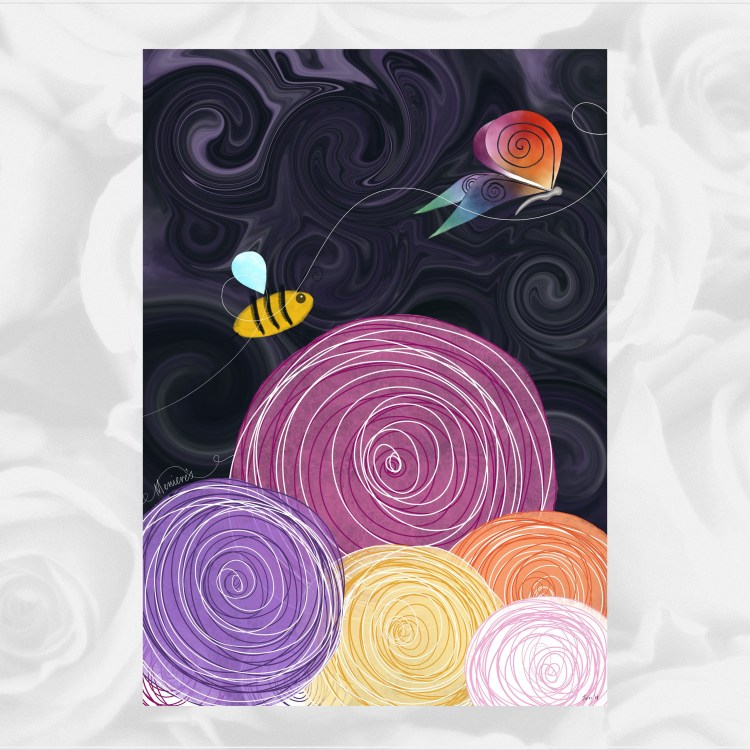
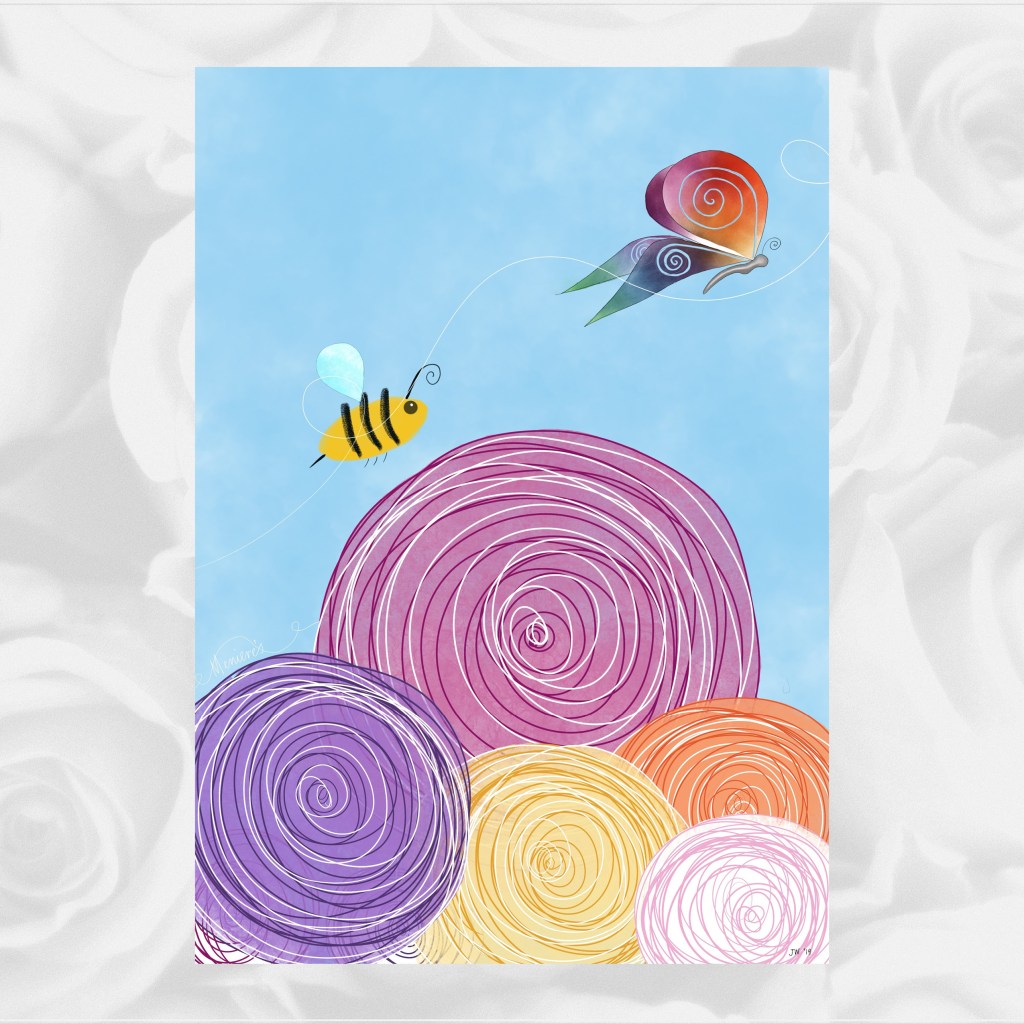
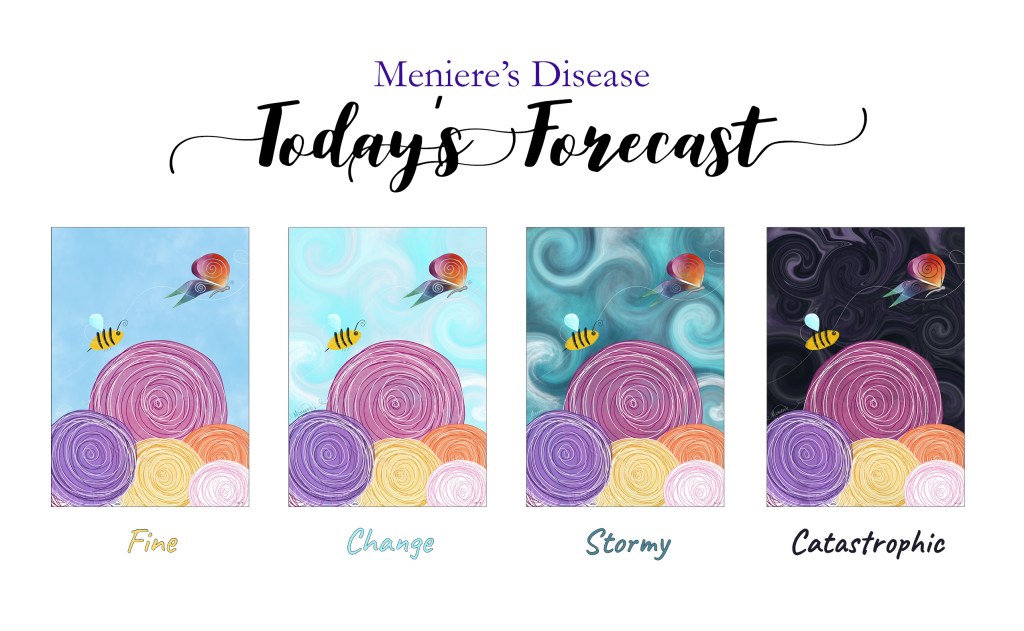
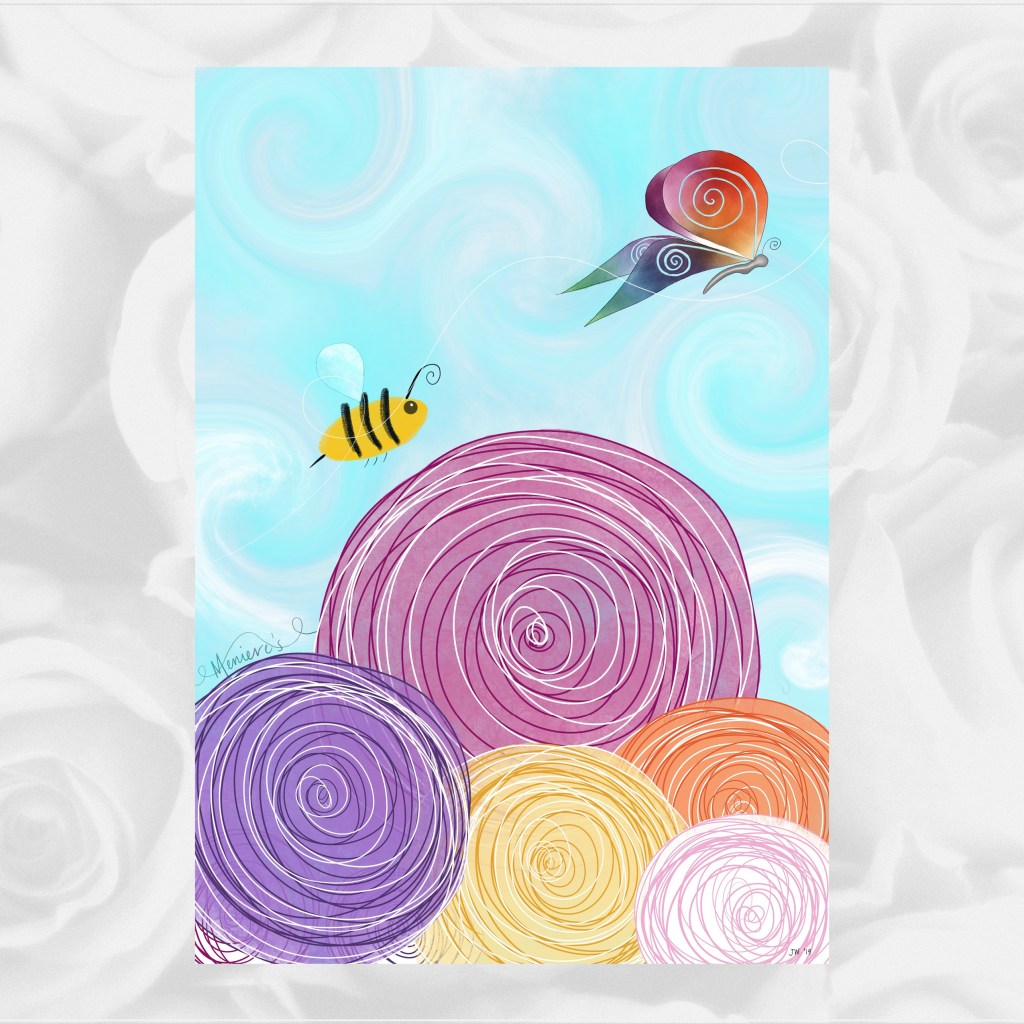
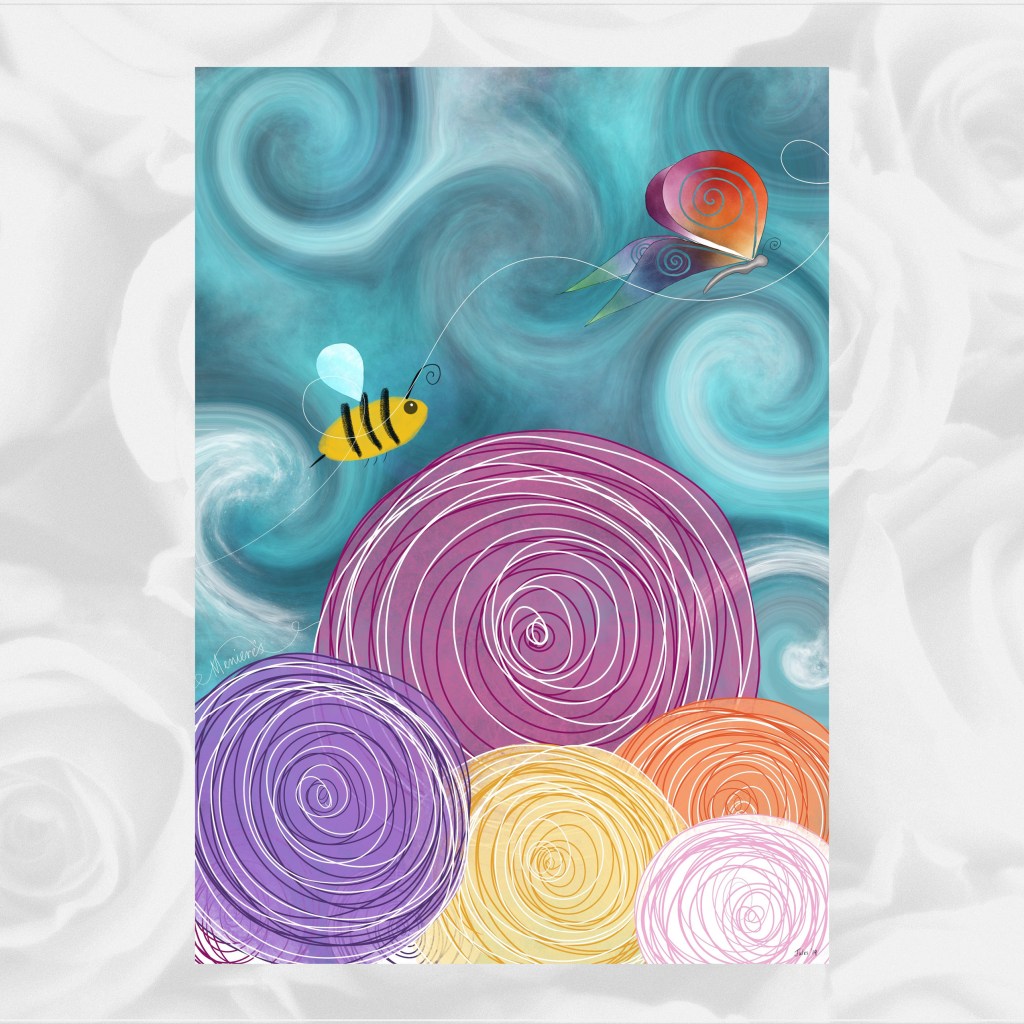
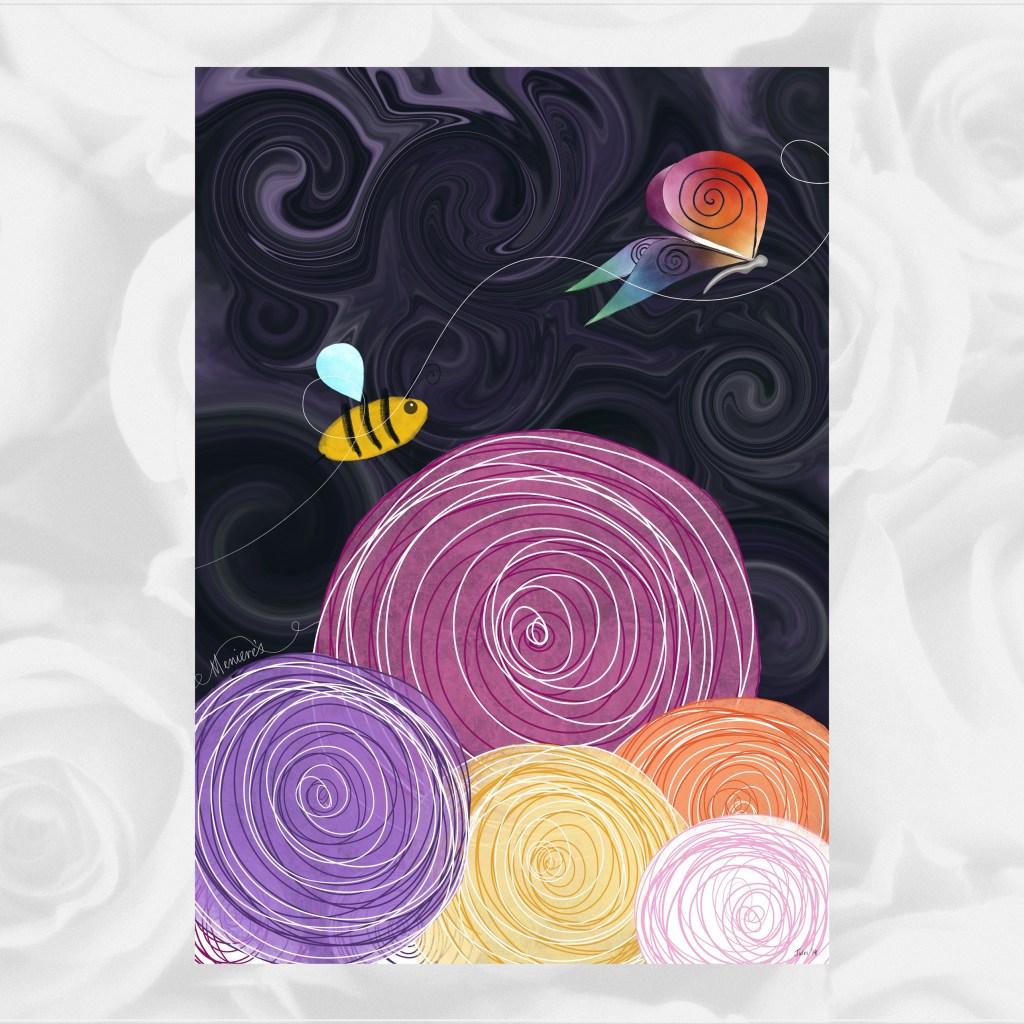
I open my iPad and work on a Meniere’s illustration I have been creating. It is full of symbolism. The buzzing bee for tinnitus. The vertigo flowers for vertigo, and the butterfly for loss of hearing, as most butterflies are deaf. The blue sky is a good coping day.

I change the backgrounds to add an oncoming vertigo attack.

I close my iPad. I soak in time like I have slowed it down. It feels like I have been here before, all because of my novel. It feels like a book paralleling real life.

(from “The Colour of Broken”)

I sat in the chair outside the psychologist’s office. I’m sure it had a permanent imprint of my butt on it. My mother’s hand was around my upper arm like a vice so I couldn’t run. She knew me well. Thank God. I didn’t want to be here, but I did. I needed to be here. Darkness had reached up to pull me under, yet again.

(me)

I sat in the chair outside the psychologist’s office. The seat was really comfy and I wiggled down into it. I was here by myself. I didn’t want to be here, but I had to. I needed to be here to prove that I was a suitable candidate for a Cochlear Implant.

(from “The Colour of Broken”)

‘Yolande.’ Dr Jones’s voice was comforting, like a warm childhood blankie and a mug of hot chocolate by the fireplace. My mother’s grip loosened on my arm and I stood, eyes focussed on the floor. I took slow steps into the office. The familiar office. I’d been here so often I was wondering when she’d ask me to pay rent.

Dr Jones put a light hand on my shoulder and led me to the couch. Usually she asked me whether I wanted to sit on the chair or lie on the couch. Today there was no such question. She knew me well. For a moment I wondered if psychologists ever saw a psychiatrist or psychologist themselves? Who did they go to when they had a problem?

(me)

‘Julieann.’ The psychologist’s voice was hard to hear, like listening to a voice through a wall. I stood, dropping my jacket and pen onto the floor, as per usual, picked them up, then took slow steps into the office. The unfamiliar office. It was smaller than I had imagined. The psychologist gestured to the black sofa with red and blue cushions, and told me to take a seat. I briefly wonder if he has already analysed my conscious choice about where to sit on the sofa. My shadow, Meniere’s, sits beside me, and looks the psychologist up and down.  I gaze up at the artwork on the wall behind him and comment on the castle sitting on top of a mountain. It has dark undertones. I like it.

a representation of the artwork

(from “The Colour of Broken”)

‘What brings you here today, Andi?’ Dr Jones asked, sitting beside me, so we weren’t facing each other.

‘The darkness within,’ I said, and sipped on some more tea. ‘And fear.’

‘Ah … good old Darius Darkness. Your friend. What is he trying to tell you?’

‘I deserve everything that happened. I almost believed him.But Darius is such a liar. He’s relentless at times.’

‘Well done, Andi. So, I’m assuming fear has jumped on board to weigh you down?’

‘Yes.’ I sipped on my tea. It warmed my throat and my stomach. I welcomed its warmth.

‘Fear of?’

‘Gram wants me to go to a garden party with a stranger to protect her bicycle. She told me not to wear my steel-capped boots.’

‘How does that make you feel?’

(me)

‘What brings you here today, Julieann?’ The psychologist asks, sitting opposite me, so we were facing each other.

I stop a smirk from appearing on my face, and think, he knows exactly why I am here. ‘The Cochlear Audiologist, the surgeon and the ENT,’ I rattle off, feeling like I am telling an accumulative story. I wished I had some tea to sip.

‘Ah, yes,’ he says. ‘Getting a cochlear implant will change your life. It’s my role is to make sure that you will be able to cope with the change.’

I nod.

‘How does getting a Cochlear Implant make you feel?’ he asks.

‘I … it …’ I look to the floor trying to find the right words. ‘I think it will make me feel like I have been released from the Meniere’s prison. Having an incurable disease – for anyone – is like feeling captive. You can’t leave. You’re never free.’

He nods his head as he writes furiously on his paper with a hot pink inked pen.

‘I think … it feels like … I might get a bit of the old me back, the me before I had Meniere’s disease,’ I add.

He nods and writes.

‘How does that make you feel?’

Silence. I don’t want to think back to before I was 30. I finally answer, ‘Scared.’

‘Why is that?’

‘It will push me out of my comfort zone. Sometimes I think people can get comfortable sitting within their disease, and use it as a type of crutch.’

He nods and writes.

His next questions are about my cochlear implant expectations, support people, then he encourages me to describe my life after I get a cochlear implant.

He talks about the importance of resilience, and wants to know what my strategies will be to help me get through it, and if somehow, the cochlear implantation isn’t what I think it will be.

His next question stops me in my tracks. ‘Tell me about your life before Meniere’s, and then during Meniere’s. I want to know what strategies you used to cope when you had active Meniere’s.

My voice trembles as I recount my life before Meniere’s. I never like reminiscing about what is was like being free of the beast. And I hate reminiscing about the very dark time in my life with active Meniere’s.

Tears. Stop.

I manage to keep them balancing on my eyelids.

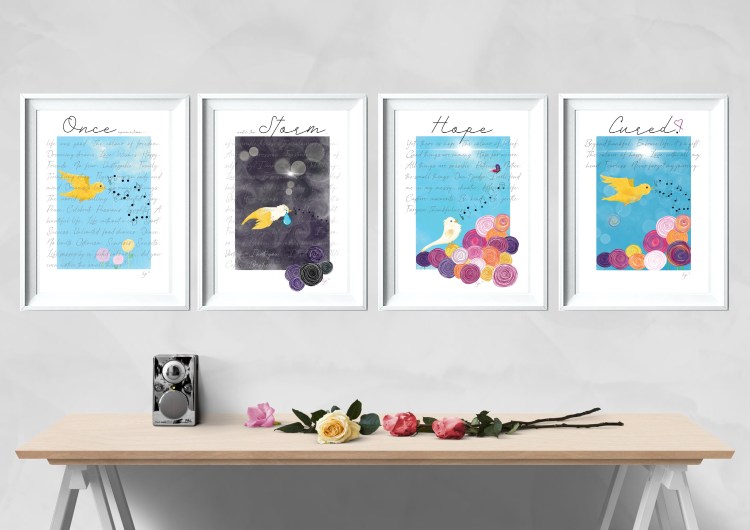
I take a deep breath then I tell him I would wake up each day and look for the positives. Even the very small positives, like the colour of flowers and nature. Patting my dog. I tell him I write, and it helps me. It’s the only time I don’t hear the loud tinnitus. I tell him I have a published novel with a main character with Meniere’s to raise awareness and help others that has sold around 2000 copies. I tell him that I volunteer as a research subject when the Mind and Brain Centre at the University puts a call out for Meniere’s people. I tell him that I love art, and recently exhibited a series of 4 artworks for Meniere’s awareness, called ‘Captive’.

The psychologist is writing at a phenomenal rate. I wonder if he has his own shorthand. Then I wonder if he can always read his words afterward.

For a split second in time I want to say, ‘You’re using a pink pen. How does that make you feel?’ But I don’t. Instead I search my mind for the meaning of pink – “the colour pink is the colour of universal love of oneself and of others”. He is in the right profession.

He stops writing and looks at me. ‘You would make an interesting research subject with something psychologists have recently termed “post-traumatic growth”, where you can use all the negativity of what has happened to you and use in in a positive way.’

I half smile. I would have preferred not having an incurable disease in the first place. I want to tell him that I discovered “post-traumatic growth” myself,  and didn’t need a psychologist to give me the strategy or the label. I want to say that realistically, humans have been “post-traumatic growth-ing” since the beginning of trauma. It’s one way we bring light back into our dark world.

The psychologist leans back in his chair. ‘My job now is to write a report and send it to the cochlear implant team. I will recommend that you are a suitable candidate for a cochlear implant, and that you have strategies that will help you cope with the change that is coming.’

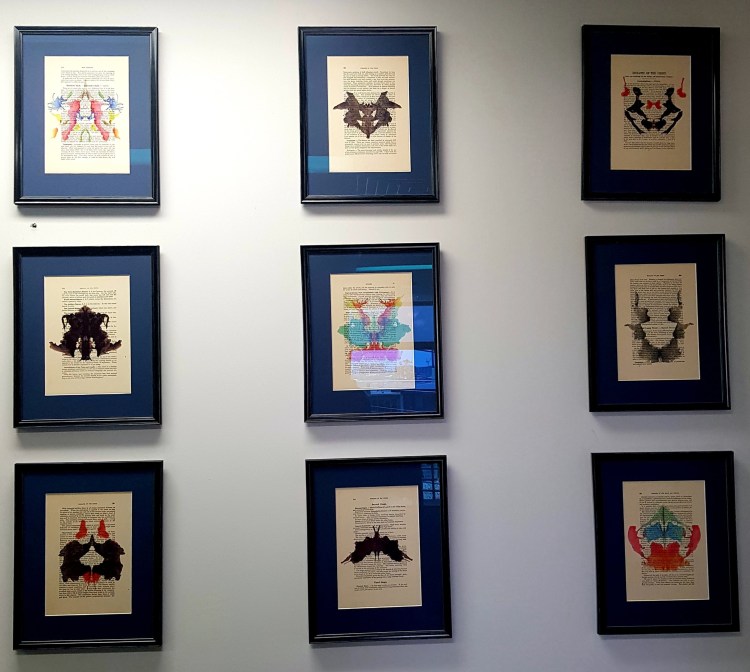
I smile. ‘Thank you,’ I say, then pluck up the courage to comment on a piece of artwork the room. I know it is part of the ink blot test.

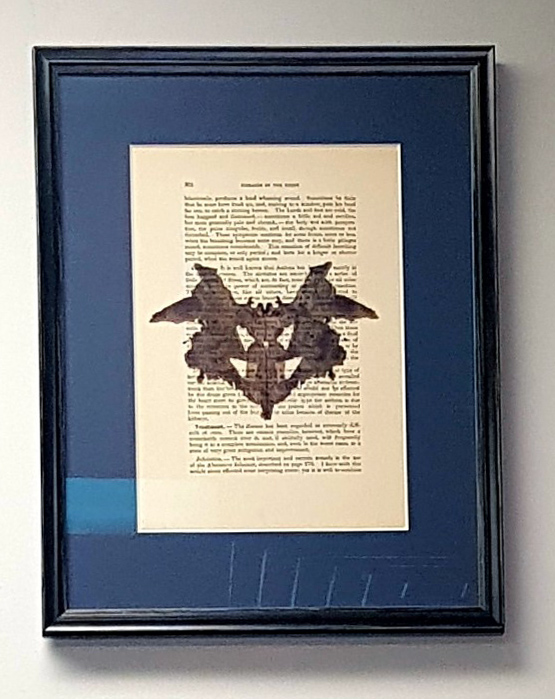
He smiles back. ‘It’s from Rorschach’s Ink Blot test. Then he takes me to the reception area and proudly shows me the Rorschach’s Ink Blot Test Collection – on a background of typed text, mounted and framed.

If Meniere’s disease was one of those ink blots, it would definitely be:

I leave the psychology appointment with a bounce in my step. The Cochlear Implant is getting closer to becoming a reality.

I have also finalised the design of my Meniere’s artwork in my mind that I was working on before the meeting:

Next appointment – Wednesday 20th November – final expectations with the cochlear audiologist.

If you would like to read the full excerpt from Chapter 12 of “The Colour of Broken” click here. Scroll down the new page to find Chapter 12.

About this blog …

My Shadow, Meniere’s, is not just about the physical aspect of a Cochlear Implant – you can research about them online. I am sharing the human side of the journey towards a Cochlear Implant – feelings, appointments, the process, apprehensions, successes, highs and lows as I step into the next chapter of my Meniere’s journey.

I am mindful of those who also have incurable diseases or are walking the path of a diagnosis that is life changing. My blog never aims to undermine the severity of anyone else’s illness, disability or journey. We all deal with life with different tolerances, attitudes and thresholds.  ‘My Shadow -Meniere’s’ is my journey. It is my hope that it can help others with Meniere’s disease, or hearing loss, or simply when life has a plot twist.

I also acknowledge those before me, who have already had a Cochlear Implant. Your experiences, advice and suggestions are welcome.
It Will Change Your Life #4

October 31, 2019

I’m filled with so much doubt. I am choosing to get a Cochlear Implant. Am I allowed to choose? Or should I just accept my fate that I will remain without hearing for the length of my days, auditory colour disappearing from my life.   

I didn’t choose to have Meniere’s disease. I didn’t choose vertigo. I didn’t choose deafness. I didn’t choose tinnitus. Just like other people who didn’t choose their incurable diseases or illnesses.

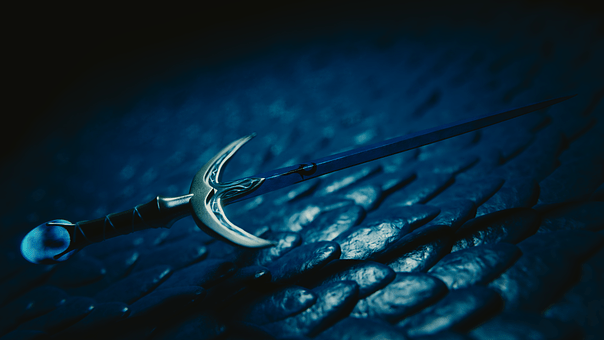
A Cochlear Implant feels like a second chance. A second chance at hearing. Of taking back something Meniere’s disease has taken from me. In my mind’s eye, I am facing the beast of Meniere’s, my sword drawn.
I want to be violent with Meniere’s. So violent. I hate it. I hate what it has done to me. What it has taken from me. I hate what it does to its victims. I want to slay it with an intensity that will obliterate it for eternity, with such force that it withdraws from bodily habitation of every person who suffers from it.
Cure come soon. Please.

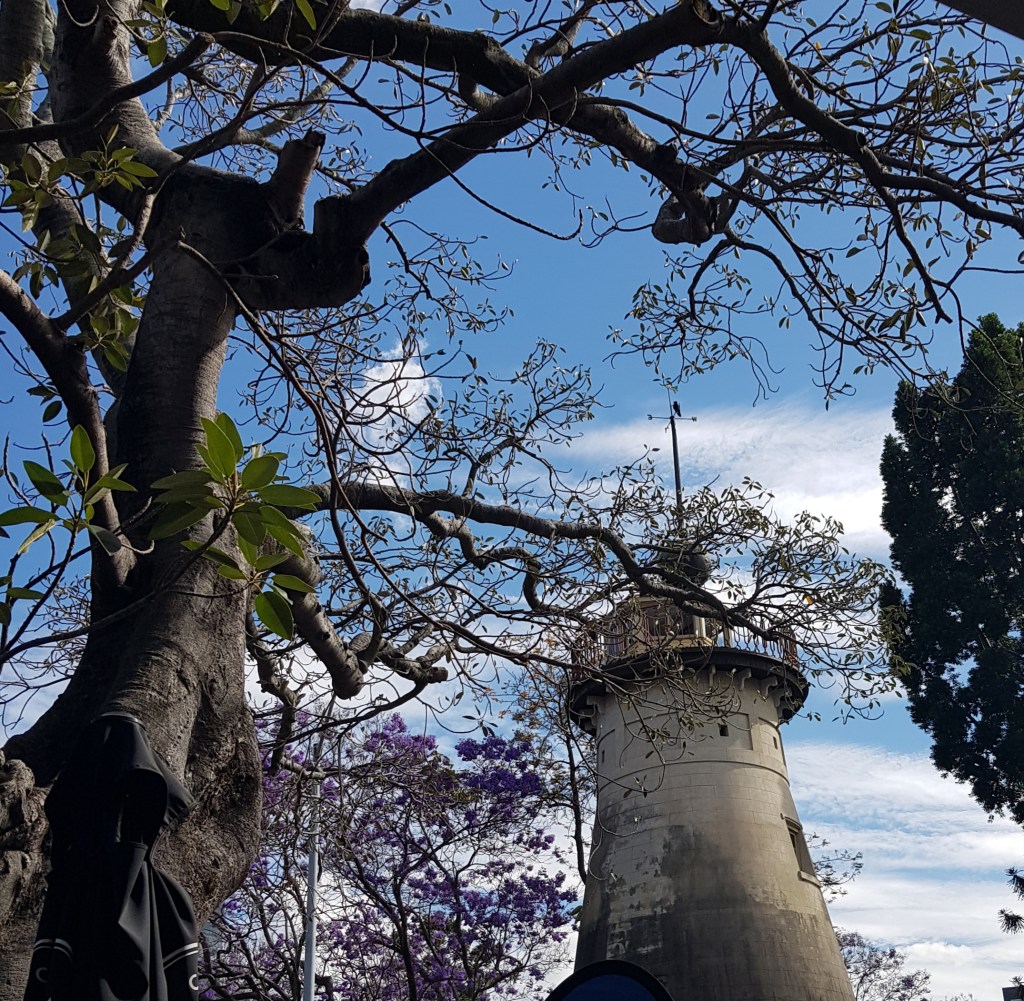
I arrive in the city. I look up briefly from the footpath that I walk on. A rarity. My normal walk is focussed on the ground in front of me, ensuring each step will keep my balance. I see an old windmill on top of the terrace. Unkept grey, striking against the beautiful lilacs of the Jacaranda tree. It was built by the convicts in the late 1820s and is the oldest windmill in existence in Australia. Due to its windless location, the windmill morphed into a symbol of “dread and torture” as penal Commandant Patrick Logan used convicts to work a treadmill he had constructed to keep the arms turning in lieu of wind.

Dread and torture. Fitting. A perfect symbol for Meniere’s disease.

A weathervane decorates the uppermost part of the windmill. And there sits a crow, blacker than night. It squawks. Welcome, I hear. Today, you will learn of your fate.

I inhale deeply. My eyesight returns to the uneven, battered, cracked path in front of me. Falling is never a good thing. Once you have your balance cells destroyed, when you fall, you have no idea where to place your hands to protect yourself.

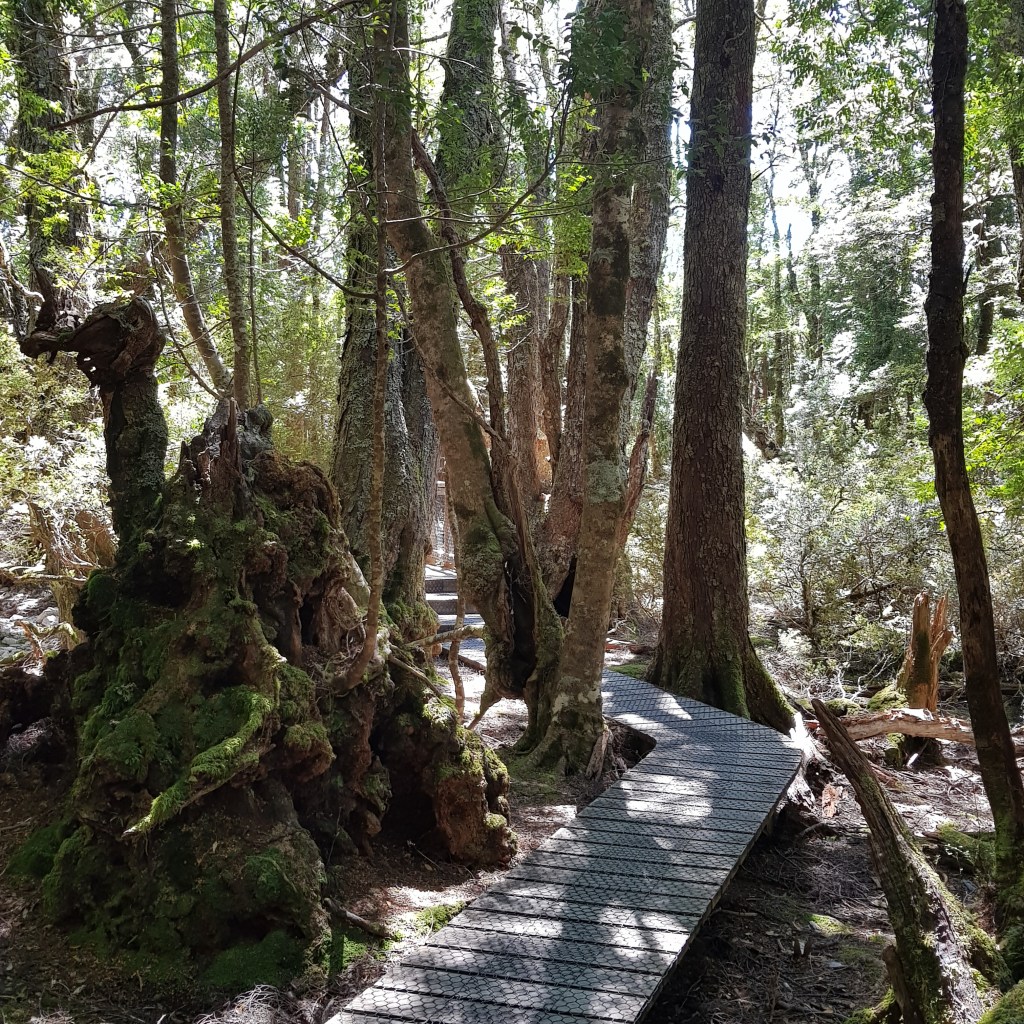
The first time I fell was Christmas 2018. We were on holiday in Tasmania, walking the Dove Lake trek at Cradle Mountain. 5.7 km. 3 hours.

After the walk we entered the cafeteria for a drink. Without warning, tears filled my eyes. In public.

My husband turned to me and the look on his face said it all. His eyes widened. ‘What’s wrong?’

‘I fell,’ I said. I wanted to sob. Loudly. Aftershock from the fall. I caught the sob in my throat. ‘I fell and I couldn’t stop it.’

His eyes filled with tears, but they didn’t leak down his cheek like mine. I always hate seeing his eyes that way. He was following me as we walked, to catch me if I fell. He always does that for me. My protector. And when it happened, there was no way he could stop it. I remember the panic in his voice as he leaned over me, asking if I was okay, looking over me, again and again. ‘Did you hurt yourself?’ he had asked.

All I could say was, ‘My phone is under the bush, over there.’ I had no idea how I saw it slide under the bush. When I fall I have no idea where to put my hands to stop me, or protect me – inside my head I see a body but no arms or legs. That’s what destroying your balance cells does. I just have to wait for impact and suffer the consequences.

‘I don’t care about your phone. Are you okay?’ he said.

‘Yes,’ I said. It was a lie. I was hurt. But I wanted to get up to save face. There were many people on the walking track. I HATE YOU MENIERE’S!

My husband pulled me up off the ground. My daughter picked up my phone. She was too quiet. How many times had she witnessed Meniere’s bring me to my knees with vertigo, deafness, depression? And now falling.

I blew out a long breath between my lips. Then set a rock in my sights to sit on for a moment to assess my injuries, then walked there, my husband holding onto my arm to support me. I wanted to yell at him, “LET GO OF ME. I’M NOT AN INVALID!” But I didn’t. He was trying to help.

I sat on the rock, looked over the lake and focussed on where I hurt – my wrist, my arm, my ankle and my back. Hold yourself together, I thought, people fall all the time. Put on your “I’m okay mask”.

‘Are you alright, Ma?’ my daughter asked.

Hold yourself together. The emotion of ‘I want to fall to pieces’ rolled through me. Hold it together. Breathe. ‘It could be worse,’ I said, ‘I could have broken something.’ I was hoping that I didn’t break anything. My wrist, arm and ankle were throbbing. Not to mention my back spasms.  ‘Thanks for picking up my phone,’ I added.

She nodded, looking at me with concern in my eyes. 

‘I’m sorry for falling,’ I say to her. I don’t want her to be embarrassed by me. I HATE YOU MENIERE’S.

And of course, she is not. She never is. She’s always one of the first to help. It is my own self-judgement that betrays me.

I stand. In pain. But I can walk to finish the last hour of the track.

My daughter is in front of me, glancing back at me once and a while, and my husband behind me. I’m glad. He can’t see me wriggling my fingers to check my wrist, and feeling where my right arm hurts, nor the wince on my face when my ankle hurts more than I want it to, or my back spasms. All I can think of is when my son would roll his ankle at elite triathlon training, and his coach would tell him to walk normally on it. So that is what I do, despite the pain.        

Back at the cafeteria …

‘I could have died if I fell in a different part of the walk.’ It was true. Parts of the track were on a boardwalk above the ground that fell steeply, scattered with rocks and trees. No rails to stop a tumble.

‘I know,’ he whispered. I watch his watery eyes and see him swallow harder than usual. ‘What do you want to drink? Do you want an ice-cream?’ He was using the distraction method. He knows me well.

Claire and I find a table away from most of the people. My wrist and arm throb. My back was spasming and my ankle twinging. Swelling was setting in. I ate my ice-cream, flicking tears from my eyes when they dropped. At least I don’t have vertigo, I thought. It was a good day, after all. Any day without vertigo is a good day. Suck it up, I tell myself, it could be worse.

We enter the ENT’s reception area. I laugh then shake my head in disbelief at the choice of carpet. The pattern on it makes me nauseous – thanks to my shadow, Meniere’s.

My ENT calls me in. ‘Good news,’ he says. ‘You are a candidate for a Cochlear Implant. I have signed you off on it if you wish to proceed.’

I swallow. There it is again. I get to choose.

I nod. But not with confidence. More like a ‘roll with the wave’ type of nod. I’m following a path but not certain of that is where I am meant to be. How will it change my life?

He refers me to a surgeon, and then as I leave, I thank him for his support throughout my Meniere’s journey.

‘You don’t know how difficult it has been for me, when there was nothing I could do to help you,’ he says.

‘But I am one of your success stories,’ I remind him. I wouldn’t be standing here today if it wasn’t for his help.

He shakes my hand. ‘Keep in touch. I want to know how you go.’ He gives me a smile.

I walk out of his office and numbness sets in. I’m a cochlear implant candidate. This just became real.

Next step. The Cochlear Implant Surgeon appointment.

It Will Change Your Life #3

Monday morning 28.10.19

Mum and Dad sit on the garden seat waiting for me.

I’m having my Cochlear Implant assessment today. This time I have to drive to the city. Except I can’t drive there by myself with 100% confidence. There’s too much visual movement. I don’t know which direction sound is coming from. Moving my head from side to side makes me nauseous … it’s a vestibular and visual nightmare.

I’m tired when we arrive. Being on high alert and concentrating intensely for an hour is exhausting. But I feel relieved, and sink down into the seat in the reception area at the audiologist.

Soon after, Jane greets me with a smile. The universal language that puts you at ease. Anxiety, tinnitus, deafness, my shadow – Meniere’s, and I follow her to her office. I place my novel, ‘The Colour of Broken’, onto the desk beside me.

Jane tells me she is the Hearing Implant Manager, and a Senior Lecturer at the School of Health and Rehabilitation Science at the University of Queensland. I am in good hands. She is also the one who decides my fate, whether I am a candidate for a Cochlear Implant or not.

She reviews my file, my recent hearing test, and questions me about my history with Meniere’s disease, taking notes as I talk. Then she opens a power-point on the computer. It explains, page by page, the options for hearing devices for one sided hearing loss, like mine: cros hearing aids, and the bone conduction implants – BAHA and Bonebridge, commenting that they aren’t suitable due to the hearing loss in my ‘good’ ear.

She focuses on the Cochlear Implant slides: the what, why, how.

Afterward, words on the screen bounce out at me like they’re in 3D:

‘A cochlear implant can be the extraordinary alternative that CHANGES YOUR LIFE!’

There’s those words again. It will change your life. I keep reading it. I keep hearing those words from others.

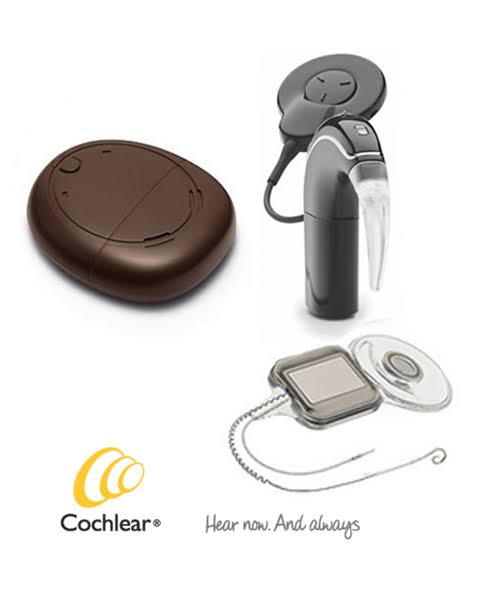
Jane hands me the cochlear implant to hold. This is really happening. I heft it. I am surprised by the light weight. She places the outer cochlear components on my head and holds it there so I can feel what it is like. Small steps, I think. This is a method of easing you into the implant, to help with acceptance. Psychology at work.

‘What do you think? Do you still want a cochlear implant?’ she asks.

‘Yes,’ anxiety and I answer. My shadow, Meniere’s, glares at me.

‘What would a cochlear do for you?’ she asks.

I frown. What a weird question. It will help me to hear from my left ear again, obviously, I think. Is this a trick question? After all, she is the person who will decide whether I am a candidate for a cochlear implant or not. My shadow, Meniere’s, laughs at me.

I take a deep breath. ‘It would give other Meniere’s people hope of hearing again. It’s such a horrid, depressing disease. They need to know that a cochlear can help us hear again when they think there is nothing that can be done for hearing … and … I have counselled some people out of suicide. This will give them hope.’

‘That’s a very heavy burden to carry,’ she says.

I frown at her. Burden? I have never considered it a burden.

Jane tilts her head to the side a little. ‘What … would a cochlear implant do for … Julieann?’

And there it is. The question I was avoiding. The question about me.

My eyes sting and tears threaten. Stop.

The question is digging deeper than I want it to. I thought I had boxed away all my emotion to do with MD. This is meant to be my brave, courageous face. My Sunday smile. The one I wear all the time, so people don’t know when I am suffering. I’m a pro at it. My shadow, Meniere’s, chuckles. It’s always there, lurking.

I look out the window at the skyscrapers. How do I answer? What would a cochlear implant do for Julieann – for me? The obvious answer is that I want to be able to hear in my left ear again. Am I being selfish? What does Jane want to hear? What are the magic words she wants me to say?  

‘For me?’ I shake my head, not wanting to continue to answer. This question is hurting. ‘I’m always putting myself last …’ I shake my head again. Do I even deserve to hear again with my Meniere’s ear? I think. A psychologist would have a field day with that comment!

Tears. Stop. STOP!

I cover my eyes with my fingers to prevent the waterfall of tears running down my face. I can’t ugly cry. My mum will notice when I finish the session. I don’t want her to know I have been crying…

I take a deep breath and sigh, trying to imagine life of hearing with a cochlear implant … it’s so hard to remember what having two hearing ears was like. I get a brief glimpse of me before Meniere’s disease. Before the shadow of darkness took full, vibrant colour away from my life. I can be re-coloured, right?

I swallow the lump of emotion rising from my chest. I can’t look back at my life. It’s too painful. I need to keep looking forward.

Courage. Breathe.

I look at Jane. Tears trickle.

‘A cochlear would give me a sense of direction of sound, especially with teaching in the classroom and yard duty. It would be a safety issue at school and my non-school life – my husband has saved me three times from being run over by a car … I would be able to go to social gatherings again. I don’t do social events anymore because I can’t hear what is being said, and people get tired of me asking them to repeat what they have said. I smile and nod when I shouldn’t be, and people frown at me. They choose to talk to someone else because I can’t hear them properly. The rejection hurts … really hurts. I now choose not to go out with friends and colleagues because I can’t hear properly.’ The words gush out of me.

‘Good,’ she says. ‘Do you still want a cochlear implant?’

‘Yes,’ I whisper.

‘Let’s do some hearing tests,’ she says.

I’m baffled. I did a thorough hearing test less than a week ago.

Wearing my Phonak cros hearing aids, I sit between two speakers, one near my left ear, the other one on my right. Jane tells me to keep looking forward and not to move me head. Sentences flow out of the speakers that I have to repeat. First with no background noise, and then will background noise on my left and then on my right.

Even with my cros aids on, I don’t have any speech discrimination when background noise is played on my good ear side. I do however get one sentence right – ‘Are you baking chocolate cake for the visitors tonight?’ I feel pleased with myself. My chocoholicism is shining through.

‘You’re very good a keeping your head still,’ she says.

‘I’ve had lots of practice.’ The memory of spinning violently with vertigo comes crashing forward. How many days have a I walked around and not moved my head to stop the nausea, or try to put off a vertigo attack? How many hundreds/thousands of hours have I keep my head perfectly still while spinning?

‘You’re very good at focussing on the words with the background noise playing,’ she says.

‘I’ve had lots of practice,’ I answer, thinking – this is every moment of my awake life.

‘If you are given a cochlear, you have to work at learning to listen with it. It’s not a magical device that’s turned on and suddenly you can hear normally. You must have people around you who will support you.’ She looks at the empty chair in the room. I take the cue and babble on about my husband having to go back to work today after facial surgery, and that my mum and dad are waiting outside for me.

‘Thanks, Julieann. I’ll write up a report about my recommendation for you and send it to your ENT. He will tell you if you are a candidate for the cochlear implant.’

Relief washes over me. I am done. No more tests or questions that are too uncomfortable for me to answer.

I gesture toward my novel. ‘I’d like to give this book to everyone here. It has a main character with Meniere’s disease. I wrote it to raise awareness and to help raise money to find a cure. I’ve donated around $3,200 to Meniere’s Research Fund Incorporated so far. Amelia Grace is my pen name.’

eBook & print book available at Amazon

Jane smiles and I sign it –

“The spark of hope can never be extinguished.”

‘I’ll leave it in a place for all patients to be able to read, but I’m going to be the first person to read it!’ She looks at me, her eyes twinkling.

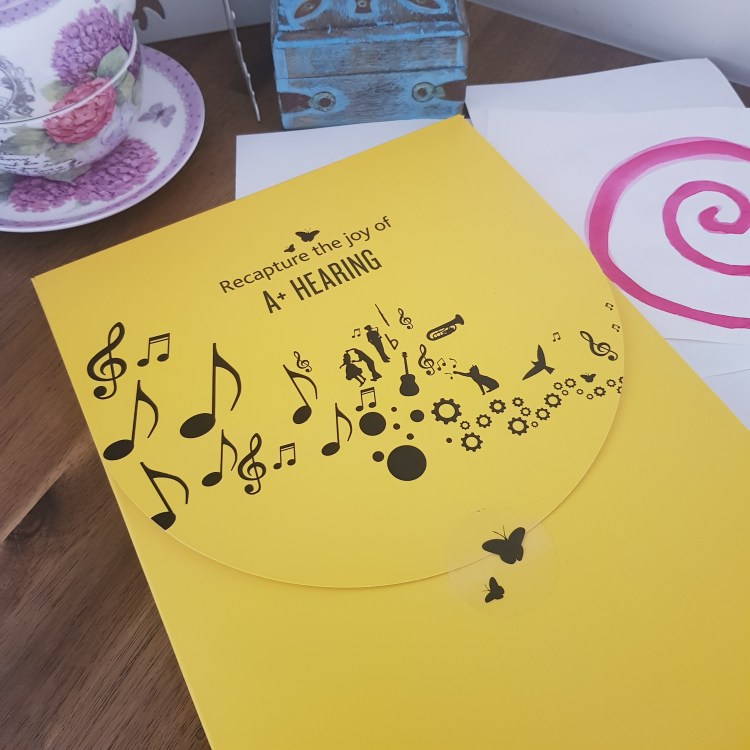
I walk out of the consultation – me and my shadow, Meniere’s. Anxiety is dawdling behind. Jane hands me a yellow folder.

The moment my mum and dad see me, they smile. The universal language that puts you at ease.

Next. Back to my ENT to learn my fate.

Art by Julieann Wallace

About this blog …

My Shadow, Meniere’s, is not just about the physical aspect of a Cochlear Implant – you can research about them online. I am sharing the human side of the journey towards a Cochlear Implant – feelings, appointments, the process, apprehensions, successes, highs and lows as I step into the next chapter of my Meniere’s journey.

I am mindful of those who also have incurable diseases or are walking the path of a diagnosis that is life changing. My blog never aims to undermine the severity of anyone else’s illness, disability or journey. We all deal with life with different tolerances, attitudes and thresholds.  ‘My Shadow -Meniere’s’ is my journey. It is my hope that it can help others with Meniere’s disease, or hearing loss, or simply when life has a plot twist.

I also acknowledge those before me, who have already had a Cochlear Implant. Your experiences, advice and suggestions are welcome.